





















































































GPS fleet tracking software development
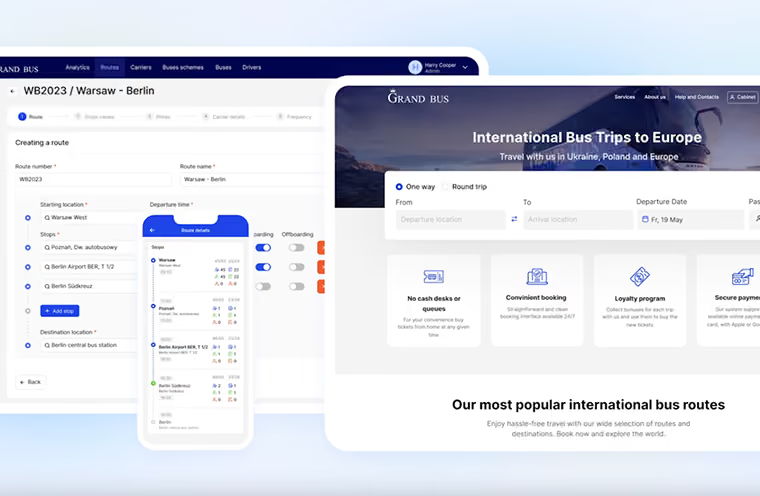
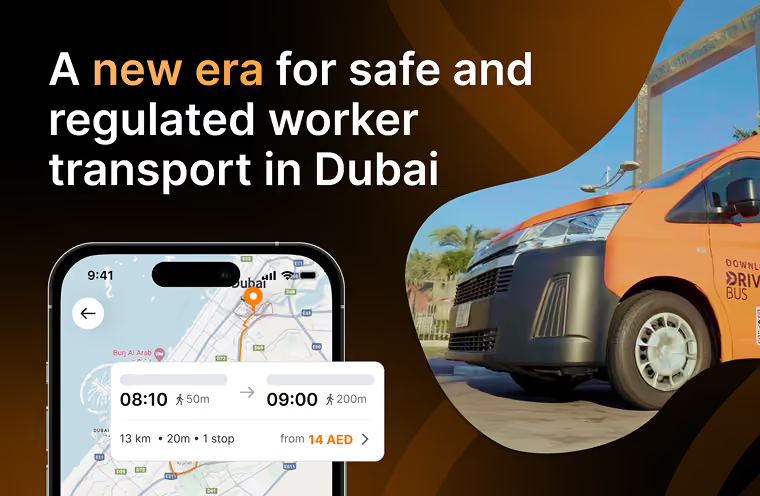
Your trackers send a dot every few minutes to a portal nobody watches. Customers still call to ask where their van is, dispatchers still phone drivers, and the map can’t tell you which vehicle will be late. COAX Software provides GPS fleet tracking software development that turns location data into live maps, honest arrival times, and updates customers can see for themselves. On GrandBus, live tracking cut where’s-my-bus calls from 35% to 5% of route calls.
Industry leaders we work with



What our GPS fleet tracking software covers
Any tracker, one map
Positions from different GPS devices, telematics providers, and drivers’ phones are combined into one stream, so mixed fleets appear on a single map.
A live map for dispatchers
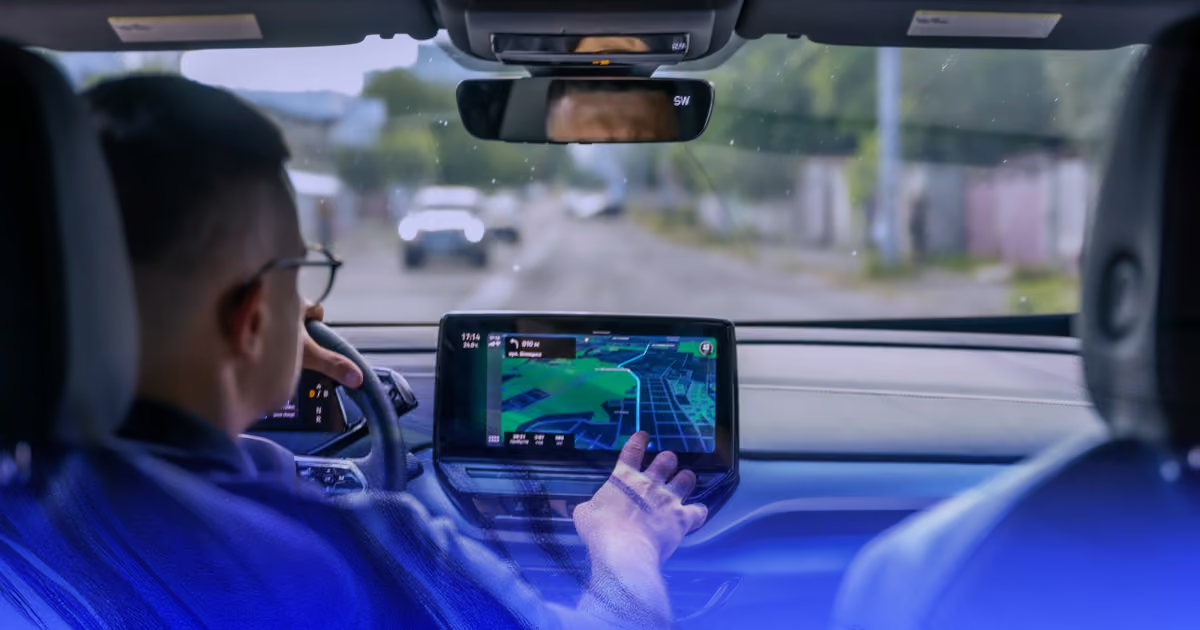
Our real-time vehicle tracking software shows every vehicle with its status, speed, and next stop, refreshing within seconds and grouping vehicles clearly when zoomed out.
Arrival times you can trust
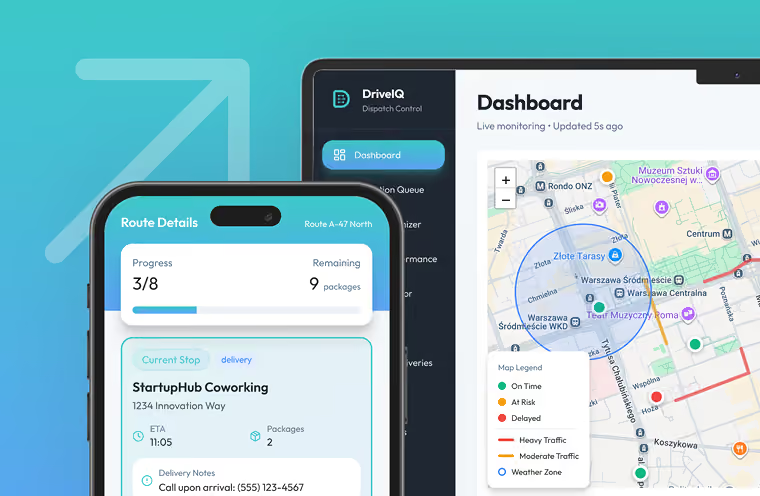
Positions feed predictions that account for traffic, weather, and driver history. DriveIQ predicts arrivals within ±15 minutes 89% of the time.
Geofences and smart alerts
Depots, customer sites, and restricted zones trigger alerts on arrival, departure, or unauthorized entry, sent to the people who need them.
Trip history and replay
Past routes, stops, idle time, and speeds can be replayed for any vehicle and date, ready for disputes, audits, and planning.
Tracking for customers and passengers
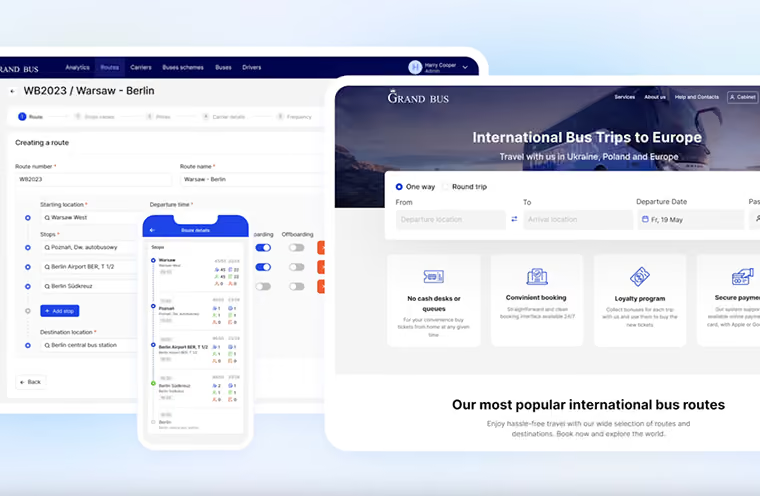
Customers and passengers follow their vehicle in a portal or app. GrandBus cut location calls to 5% of route calls, and DrivenBus runs 91% of departures on time.
Driver apps that share location
Through GPS tracking app development, drivers’ phones report location efficiently, keep working offline, and handle tasks such as scanning tickets in about 3.2 seconds.
Group and convoy tracking
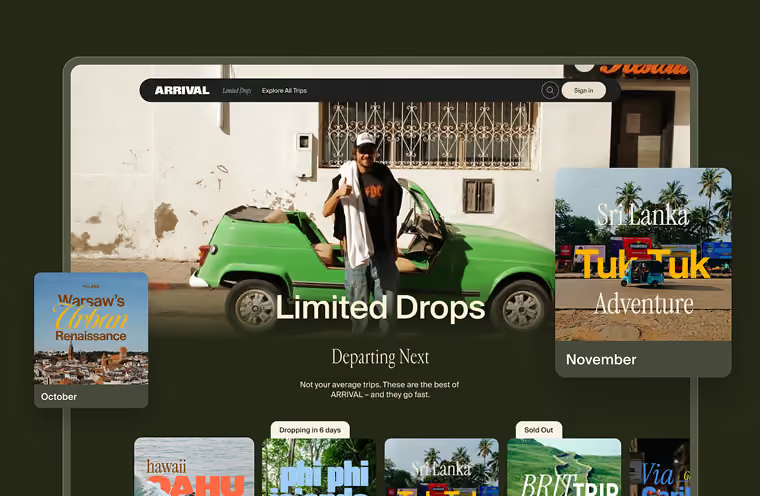
Vehicles traveling together can follow one another in real time. RoadStr lets drivers follow friends live, and Road & Rally keeps convoys on synchronized routes.
List devices, vehicles, and users
Trackers, telematics providers, and phones in use are reviewed.
Who needs to see what, from dispatch to customers, is agreed.
Update frequency needs are set per vehicle type.
Deliverable: tracking requirements
Design the data flow and maps
Device protocols and APIs are mapped to one location model.
Geofences, statuses, and alerts are defined.
Map views for each role are sketched.
Deliverable: architecture and map designs
Build ingestion and storage
Listeners and connectors receive positions from every source.
Data is cleaned, stored, and kept fast to query.
Live streaming to maps is set up.
Deliverable: working location pipeline
Build maps, apps, and alerts
Dispatcher map, history replay, and alerts are developed.
Customer tracking and the driver app follow.
Arrival predictions are connected.
Deliverable: working tracking platform
Pilot with part of the fleet
Selected vehicles report into the new system.
Accuracy, freshness, and battery use are checked.
Alerts and screens are tuned with users.
Deliverable: pilot results
Roll out and extend
All vehicles and devices are connected.
Customer tracking goes live.
New features, such as predictions or coaching, are added.
Deliverable: fleet-wide rollout
Tracking results from platforms we built
35% → 5%
Share of GrandBus route calls asking where the bus is, after live tracking launched
2 million
GPS events processed every day on DriveIQ
89%
DriveIQ arrival predictions accurate within ±15 minutes
91%
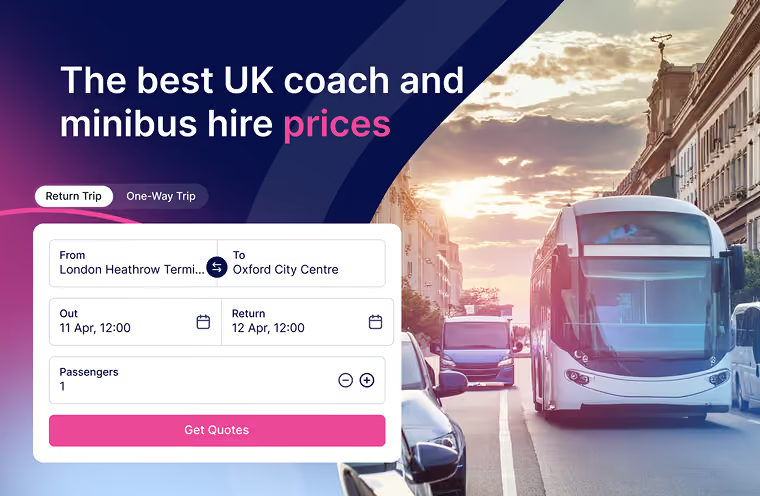
Of DrivenBus departures leaving on time
20 min → 90 s
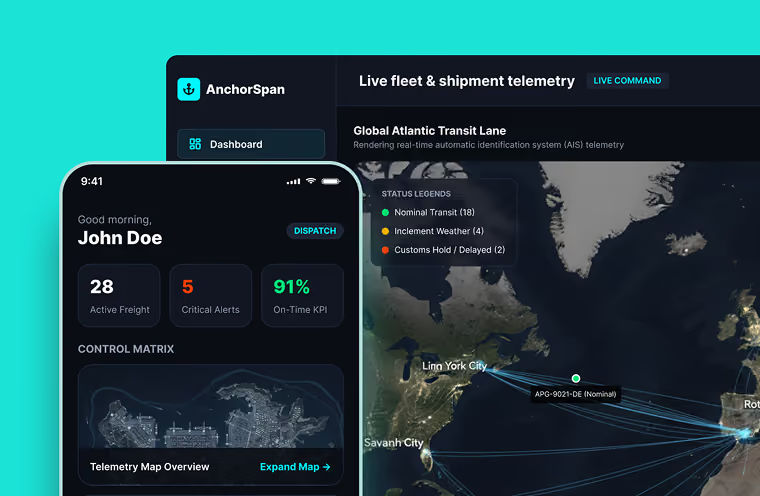
Time to locate a specific shipment on AnchorSpan






Safeguards around location data
Why fleets choose COAX Software for GPS fleet tracking software development
Tracking customers actually use
GrandBus’s live tracking cut where’s-my-bus calls from 35% to 5%, and DrivenBus passengers follow every shuttle on their phones.
Built for real fleet volumes
DriveIQ processes 2 million GPS events a day without slowing down, with predictions accurate within ±15 minutes 89% of the time.
Live location between drivers
RoadStr lets drivers follow each other in real time, and Road & Rally keeps groups on synchronized directions.
Faster answers to “where is it?”
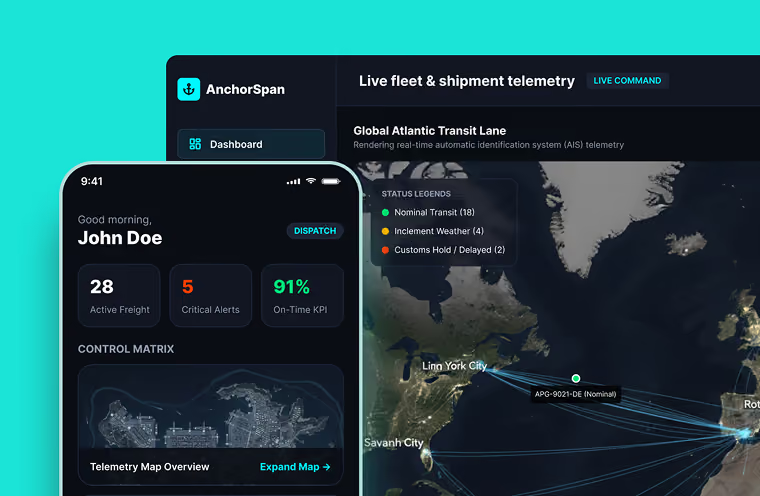
AnchorSpan cut the time to locate a shipment from 20 minutes to 90 seconds by combining tracking with other data sources.
Frequently asked questions and answers
COAX Software does. Our GPS fleet tracking software development covers live maps, arrival predictions, geofences, trip history, customer tracking, driver apps, and group tracking, built on any mix of GPS trackers, telematics providers, and phones.
Look for a team that has run tracking at real fleet scale, built customer-facing tracking people use, and can connect many device types. COAX Software has done this on GrandBus, DrivenBus, DriveIQ, and RoadStr, and is rated 4.9/5 on Clutch.
COAX Software can. Our fleet tracking software development covers dispatcher maps, alerts, history, and customer tracking tailored to your vehicles, routes, and devices, and connects to dispatch, accounting, and customer systems.
COAX Software can. Trackers or driver phones send positions every few seconds, a streaming backend processes them instantly, and maps update for dispatchers and passengers without refreshing. GrandBus and DrivenBus already run live tracking like this, and DriveIQ handles 2 million GPS events a day.
COAX Software has built transport and logistics software for 16 years, with tracking at the core of GrandBus, DrivenBus, DriveIQ, AnchorSpan, RoadStr, and Road & Rally.
It depends on the job. City buses and delivery vans benefit from updates every few seconds, while long-haul trucks often need less. Good fleet tracking software development adjusts frequency to speed and ignition, keeping maps fresh without wasting data or battery.
COAX Software does. GrandBus cut where’s-my-bus calls from 35% to 5%, DrivenBus runs 91% of departures on time, DriveIQ processes 2 million GPS events a day with 89% arrival accuracy, and AnchorSpan cut shipment lookups from 20 minutes to 90 seconds.
Both can work. Hardware trackers are reliable and tamper-resistant, while phones are cheaper and add driver tasks like scanning and messaging. Our fleet tracking software development often combines them, using trackers on vehicles and phones for driver workflows, all on one map.




What’s Next?
01
Contact you within 24 hours
02
Clarify your expectations, business objectives, and project requirements