

































































































Teltonika integration company
Teltonika trackers ping every few seconds, but dispatch watches a laggy vendor map and finance re-keys trips by hand. COAX Software is a Teltonika integration company that parses tracker data straight into your platform, live.
Industry leaders we work with



What our Teltonika integration covers
Binary packets decoded at fleet scale
Our Teltonika GPS tracker integration runs TCP listeners that accept Codec 8, 8 Extended, and Codec 16 packets, acknowledge every batch back to the device, and hold thousands of open connections without dropped records.
FMB fields turned into plain names
Our Teltonika FMB integration reads AVL IDs for ignition, odometer, CAN fuel level, engine RPM, temperature, and driver iButton, then maps each one to a named field your team already recognizes.
One telemetry model beside every other brand
Meitrack, Concox, Queclink, and OEM feeds land in the same structure as your Teltonika units, so dashboards and reports never care which box sits in the truck.
A live map that moves every 10 seconds
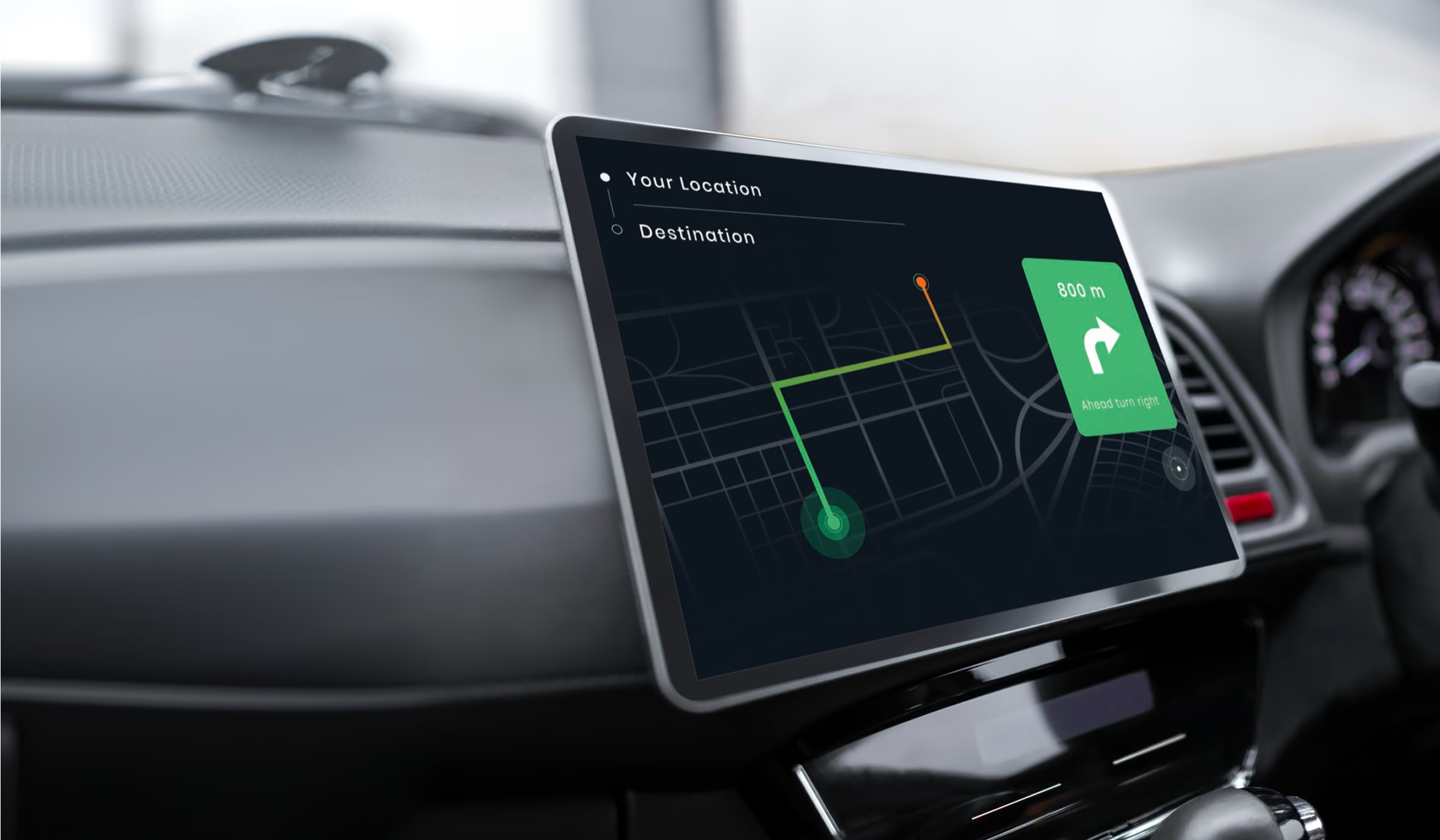
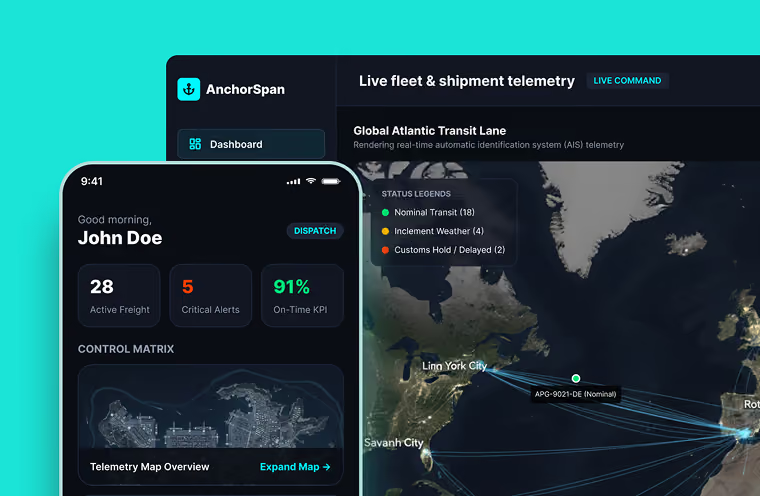
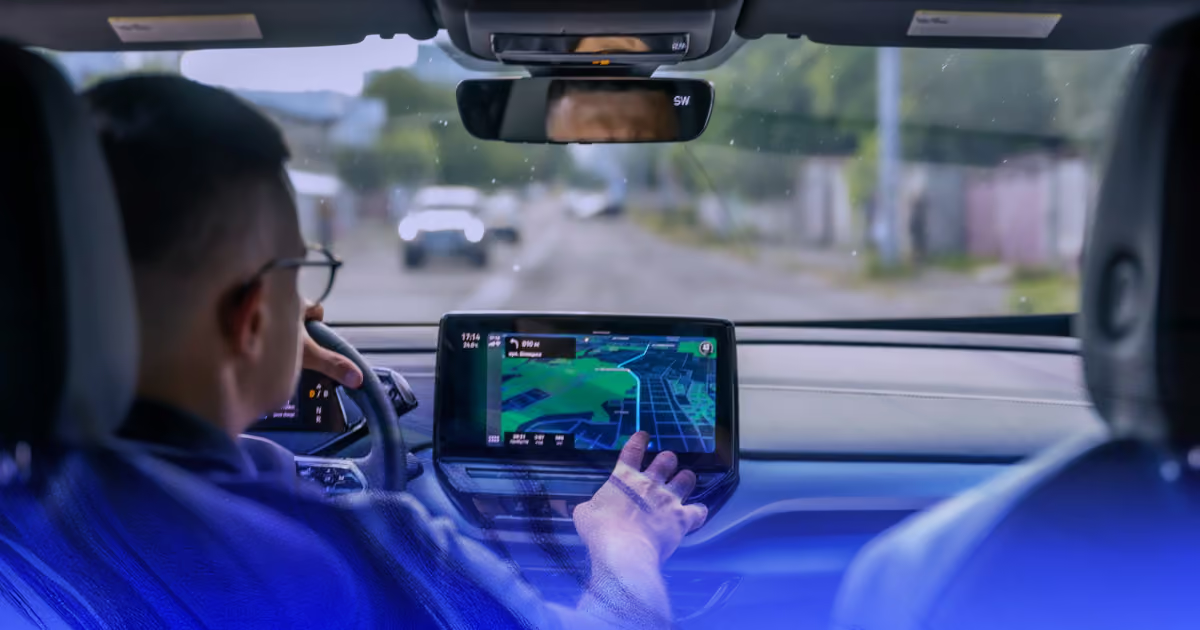
Clean coordinates reach dispatcher and driver screens through WebSockets and Server-Sent Events on Mapbox, with position accuracy down to a 15-meter radius.
Nothing lost in dead zones
Records stored in device flash memory upload when the vehicle regains signal, then get deduplicated by device and timestamp so trips stay whole and distances stay honest.
Rules and faults that fire in real time
Geofence entries and exits, after-hours movement, speed breaches, idle limits, harsh driving, DTC fault codes, and fuel-level drops are evaluated as data arrives, so the right person hears about it at once.
Commands sent back to the tracker
Queued, permissioned, and logged commands reach the device over Codec 12, from output toggles to configuration changes, so your team manages units without touching the hardware vendor’s tools.
Trips that become accounting entries
Verified operating hours, trip logs, and toll costs flow into QuickBooks, Xero, or SAP as itemized journal entries, with 99.2% shift-matching precision.
Map your tracker fleet and goals
Device models, firmware versions, SIM setups, and the AVL parameters each unit reports are reviewed.
Dispatch, safety, finance, and customer-facing targets are listed.
What each team needs to see, and how quickly, is agreed.
Deliverable: integration requirements
Design the data flow
Raw packets are mapped to one canonical telemetry model with named fields and units.
Listener topology, message queues, storage, and data retention are planned.
Device authentication, retries, and alerting are designed.
Deliverable: integration design and mapping spec
Build the pipeline
Socket servers, decoders, and loaders are built inside a dedicated adapter for the Teltonika protocol.
Live maps, geofence rules, driver apps, and accounting exports are built where needed.
Secrets and device credentials are kept in a managed vault.
Deliverable: working pipeline in test
Test with real devices
Live units and past logs are replayed and checked against your current platform’s numbers.
Edge cases, such as duplicate records, GPS jumps, offline units, and swapped SIMs, are handled.
Throughput is tested at full fleet size and beyond.
Deliverable: test and reconciliation report
Go live and run in parallel
Trackers are pointed at the new server in stages, with monitoring switched on.
The old platform stays open until counts and distances match.
Dispatchers, safety staff, and finance teams are trained on the new views.
Deliverable: live integration
Monitor and extend
Device connections and data freshness are checked every day.
Firmware and protocol changes are handled before they reach production.
New hardware brands and business systems are added as you grow.
Deliverable: monitoring dashboard and roadmap
Results from tracker-based platforms we built
89%
predictive ETA accuracy within ±15 minutes on DriveIQ AI
31%
more daily routes handled by DriveIQ AI dispatchers with no added headcount
50 m to 15 m
GPS location accuracy radius on RoadStr and Road&Rally








Safeguards around your tracker and driver data
Why fleets choose COAX Software for Teltonika device integration
GPS check-ins that settle in accounting
On TRI, GPS location check-ins and face verification feed QuickBooks automatically. Back-office timesheet work fell from 40 hours to 5 a week, with zero buddy-punching cases.
Messy GPS streams made reliable
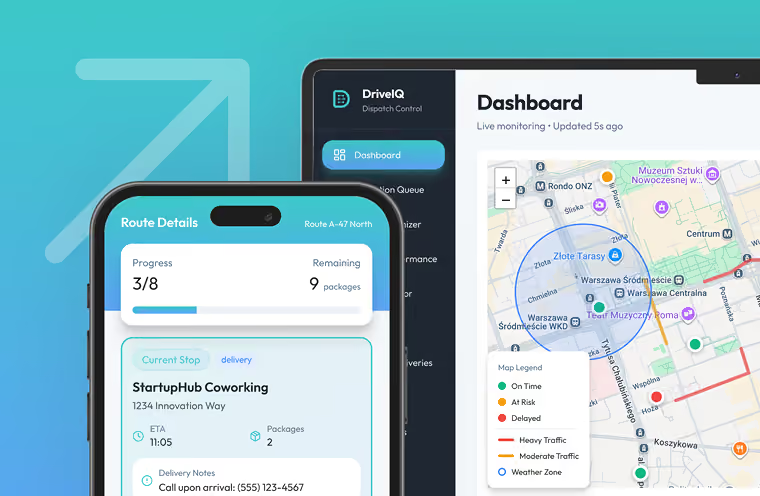
DriveIQ AI cleaned and standardized pings from several providers alongside TMS records and EDI feeds for a 500-vehicle fleet. Late stops dropped from 18% to 7%, and dispatchers handled 31% more daily routes with no extra headcount.
Mixed-brand equipment in one dashboard
For heavy machinery fleets, we combine OEM feeds from Caterpillar, Komatsu, and Volvo with aftermarket trackers using the ISO 15143-3 (AEMP 2.0) standard.
Location that holds up under load
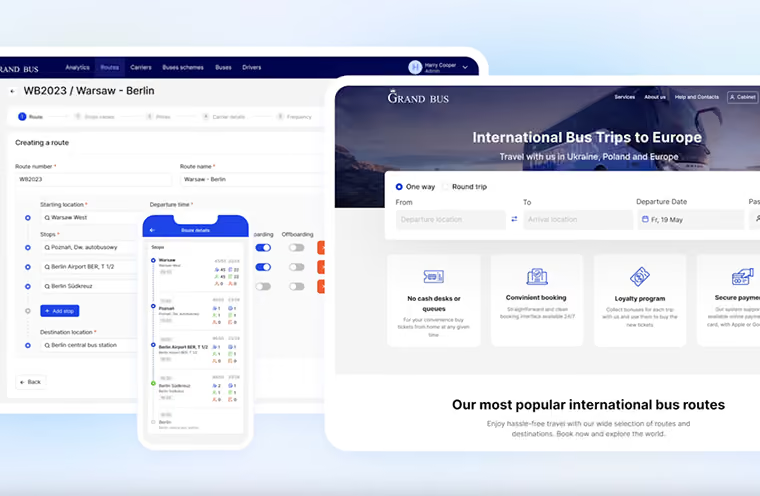
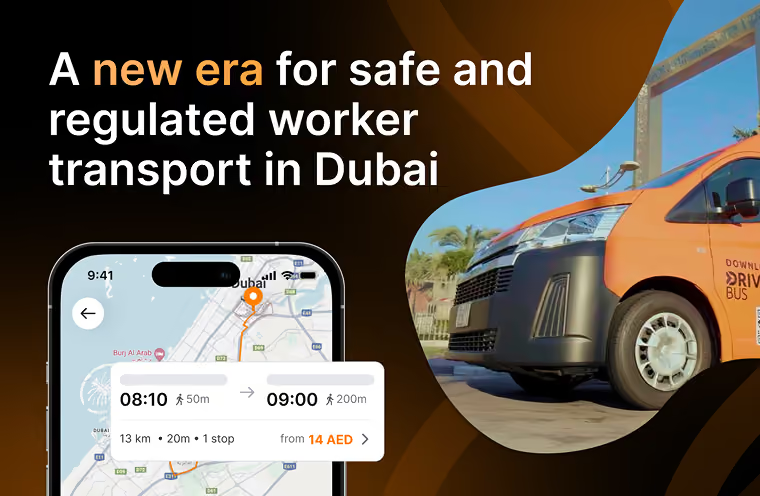
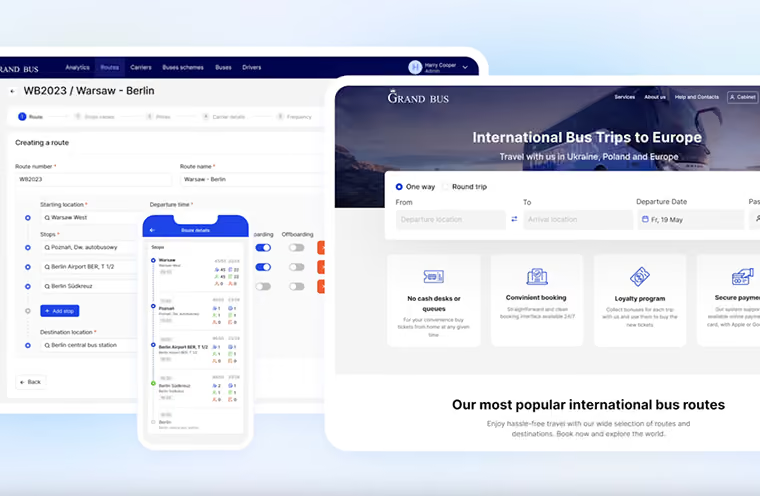
GrandBus, DrivenBus, and RoadStr process 10-second GPS pings with Server-Sent Events and Mapbox GL, reaching 15-meter accuracy and cutting location calls from 35% to 5% per route.
FAQ
COAX Software builds the whole layer: a listener that speaks the tracker’s binary protocol, a decoder that turns packets into named events, and the maps, alerts, and accounting links on top. Your platform receives clean data, and every device connection is watched so a silent tracker shows up within minutes.
Not if the switch is staged. A Teltonika integration company should mirror the stream to both platforms during an overlap, compare record counts and distances, and cut over only when they match. Trackers also hold unsent records in flash memory, so a short hand-off gap doesn’t erase trips.
Look for a team that has run raw tracker packets at volume rather than only reading a vendor’s REST API, and that can carry the result into dispatch and billing. COAX brings that from DriveIQ AI, GrandBus, and RoadStr, and verified clients rate us 4.9 out of 5 on Clutch.
COAX can. If you sell fleet software, we add Teltonika as a native data source in your product: ingestion servers, a shared telemetry model, tenant-aware device registration, and customer-facing screens, with Meitrack, Concox, and Queclink able to sit beside it. DriveIQ AI follows the same principle, merging GPS feeds from several providers with TMS records and EDI data for a 500-vehicle fleet.
Often they are, when units talk plain TCP, and the server accepts any connection. A sound Teltonika integration adds an IMEI allow-list, TLS where the firmware supports it, throttling for unknown senders, and vault-stored credentials, and it logs every rejected connection so odd traffic is visible.
We can, with no middleman portal. Devices point at your server, our listener acknowledges each batch of records, and decoded events land in your database in the structure you chose: coordinates, speed, ignition, CAN values, and driver ID. The pipeline and schema stay yours.
COAX Software specializes in telematics pipelines, multi-vendor tracker ingestion, and dispatch tooling, with 16 years in transport and logistics. The nearest proof is DriveIQ AI’s work cleaning GPS streams from several providers and RoadStr’s 10-second, Mapbox-based location handling.
Our published cases cover multi-vendor tracker data rather than a single brand. DriveIQ AI reached 89% ETA accuracy on a 500-vehicle fleet and cut late stops from 18% to 7%, while RoadStr tightened location accuracy from a 50-meter to a 15-meter radius. None is titled Teltonika, and we would rather say that plainly.








What’s Next?
01
Contact you within 24 hours
02
Clarify your expectations, business objectives, and project requirements