











































































































Travel API gateway development
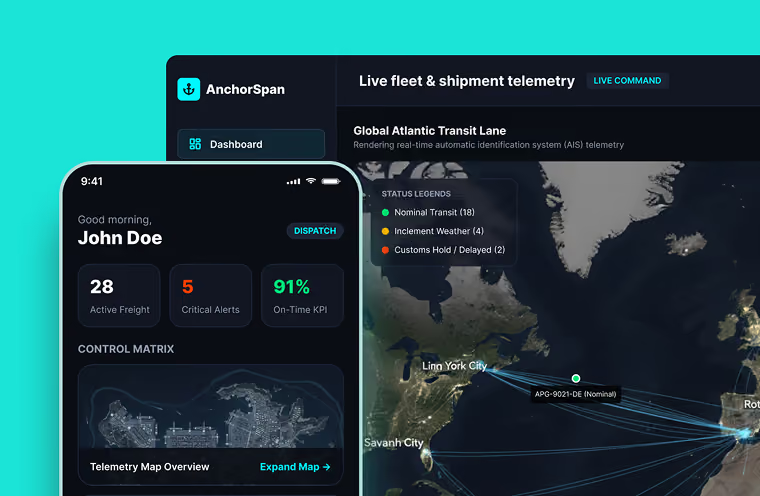
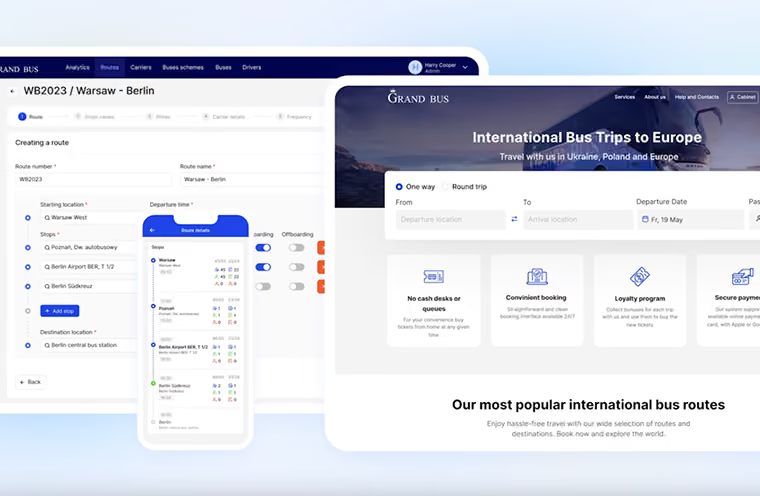
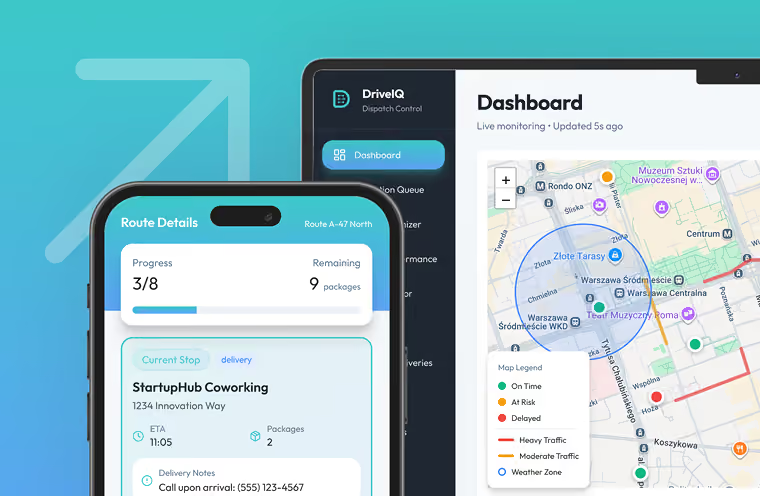
Most travel platforms build supplier links one by one. Hotel APIs, tour feeds, and CRM connect differently. A few years in, nobody knows which screen calls which supplier, why search is slowing down, or what breaks when one goes offline. Our travel API gateway development gives all of those connections a single front door. Get one consistent API for your apps and partners.
Industry leaders we work with



What our travel API gateway development improves
One API for every app you run
Web, mobile, admin, and partner tools call the same REST or GraphQL interface. Hotels, trips, activities, and payments look consistent, whichever supplier they came from.
Supplier adapters and data normalization
Each supplier gets its own adapter that turns XML, SOAP, or quirky JSON into your standard format. Adding a new source means writing one adapter while the rest of your platform stays as it is.
Caching and quota protection
Popular searches are served from Redis and search indexes, and outgoing calls respect each supplier’s limits. Pages stay fast and supplier bills stay predictable.
Failover when a supplier has a bad day
Timeouts, retries, and circuit breakers keep one slow or failing supplier from freezing search. Results from healthy sources keep flowing while the troubled one recovers.
A partner API you can sell through
B2B partners get their own keys, rate limits, markups, documentation, and sandbox. Your inventory becomes something others can build on and pay for.
Booking events streamed where they’re needed
Confirmations, changes, and cancellations are published as events through Kafka or webhooks. CRM, finance, and notification systems react instantly.
Tracing for every request
Each call can be followed from your app through the gateway to the supplier and back. When something is slow, you see exactly where the time went.
Versioning without surprises
Your own API changes in versions with clear deprecation dates. When a supplier changes theirs, only the adapter is updated, and your apps never notice.
Inventory every supplier call
We map which apps call which suppliers, how often, and with what results.
Duplicate integrations and hidden dependencies come to light.
Slowest and most expensive calls get flagged.
Deliverable: API call inventory
Design the shared contract
One schema for hotels, trips, activities, bookings, and payments gets defined.
The contract is written in OpenAPI, so every team works from the same reference.
Your developers review it before implementation begins
Deliverable: API contract, data model
Build the core and the adapters
Routing, authentication, caching, and failover come first.
Supplier adapters are added one by one and tested against real responses.
Monitoring is switched on from day one.
Deliverable: working gateway with first adapters
Move apps over route by route
Existing apps switch to the gateway one endpoint at a time.
Old and new paths are compared on live traffic.
Each switch can be reversed instantly.
Deliverable: migration log, comparison reports
Open it to partners
Partner keys, rate limits, and markup rules are configured.
Documentation and a sandbox let partners build without waiting for you.
Usage is metered per partner.
Deliverable: partner portal, developer docs
Watch and tune
Latency, errors, cache hit rates, and supplier costs are tracked.
Slow adapters and expensive calls get optimized.
New suppliers join through the same pattern.
Deliverable: gateway dashboard, tuning reports
Sources and partners behind single platforms we’ve built
2
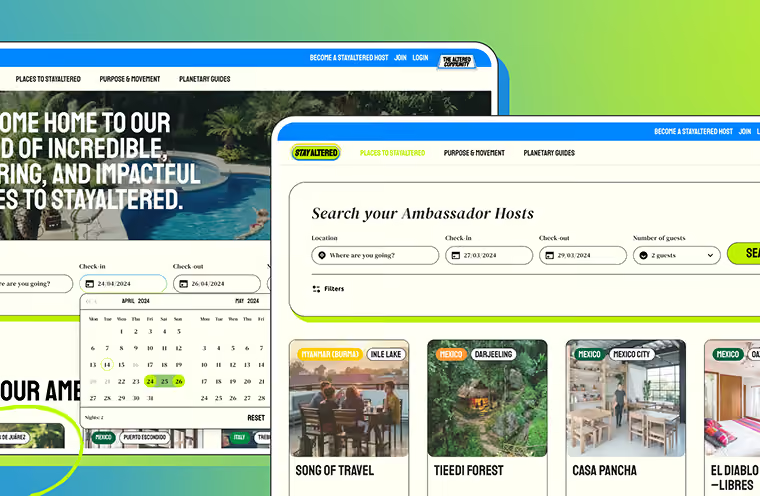
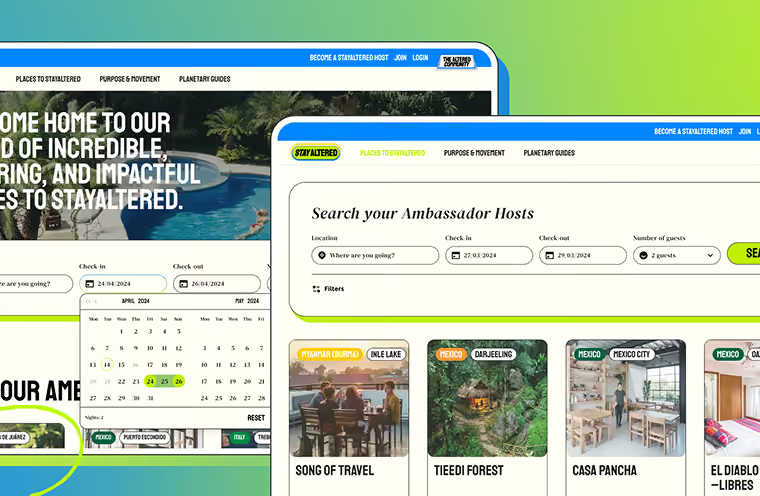
Hotel distribution APIs unified behind Stay Altered’s platform
170+
Properties travelers can book through those two connections
20
Suppliers added to MICRM’s single booking cart
60
Affiliates selling through MICRM’s platform
5
Payment providers connected behind Re:Plan’s checkout
COAX Software’s travel API gateway development stack
Gateway and runtime

AWS API Gateway

Node.js

Go

Python

GraphQL
Messaging and caching

Apache Kafka

Redis
Elasticsearch
Contracts and access

OpenAPI

OAuth 2.0

JWT
Observability
AWS CloudWatch

Grafana

Sentry
Sources we connect today

Nezasa

Katanox

HyperGuest

Stripe

HubSpot

Mapbox
Safeguards built into your gateway
Why platform teams pick COAX Software for travel API gateway development
Patterns taken from integrations we run every day
Nezasa, Katanox, HyperGuest, Stripe, and HubSpot are live in platforms we maintain. The gateway design reflects how these APIs actually behave in production.
One supplier’s outage stays contained
Failover and circuit breakers are part of the first version. A struggling supplier slows only its own results while everything else keeps selling.
A gateway that can earn money
A partner API turns your inventory into a product other businesses can use. Keys, limits, markups, and metering come built in.
Every supplier call has a visible cost
Usage and latency are tracked per supplier and per partner. You can see which connections earn their keep and which ones need renegotiating.
FAQ
COAX Software does. We build gateways that sit between your apps and your suppliers, handling normalization, caching, failover, partner access, and request tracing in one place.
Several engineering firms do. COAX Software offers travel API gateway development shaped by travel integrations it already runs in production, backed by ISO/IEC 27001 and ISO 9001 certification and a 4.9/5 Clutch rating.
COAX Software develops them around each client’s suppliers, apps, and partner plans. A tour operator with three sources needs a different gateway than a marketplace serving hundreds of resellers, and we design for whichever you are.
COAX Software can. We map your current supplier calls, define one shared contract, build adapters one by one, and move your apps over endpoint by endpoint, so the platform keeps running throughout.
COAX Software specializes in both. Our travel API gateway development grows out of hands-on integration work, like unifying two hotel distribution APIs into one platform for Stay Altered and bringing 20 suppliers into MICRM’s single cart.









What we’ll do next?
1
Contact you within 24 hours
2
Clarify your expectations, business objectives, and project requirements
3
Develop and accept a proposal
4
After that, we can start our partnership