












































































































Vehicle inspection app development
A driver ticks every box on a paper DVIR in thirty seconds without looking. The cracked mirror he did notice never reaches the workshop, because the sheet stays in the cab. When an inspector or insurer asks for proof, the form is coffee-stained or gone. COAX Software provides vehicle inspection app development that makes honest checks quick and every defect impossible to miss.
Industry leaders we work with



What our custom digital vehicle inspection app can cover
Checks drivers finish in minutes
Checklists match each vehicle type, items pass with one tap, and only problems need details, so a routine pre-trip check takes a couple of minutes instead of a guess.
Photos and damage marked on the vehicle
Drivers take photos and mark scratches, dents, or leaks on a simple vehicle diagram, using the kind of photo editing tools that helped cut Site Survey inspections to 42 minutes.
Severity rules and out-of-service flags
Each defect is rated, and serious ones block the vehicle from dispatch until a mechanic clears it.
Works with no signal
Inspections, photos, and signatures are saved on the phone and sent when the connection returns. Our transit driver apps already scan codes offline in about 3.2 seconds with 99.7% accuracy.
Proof of who, when, and where
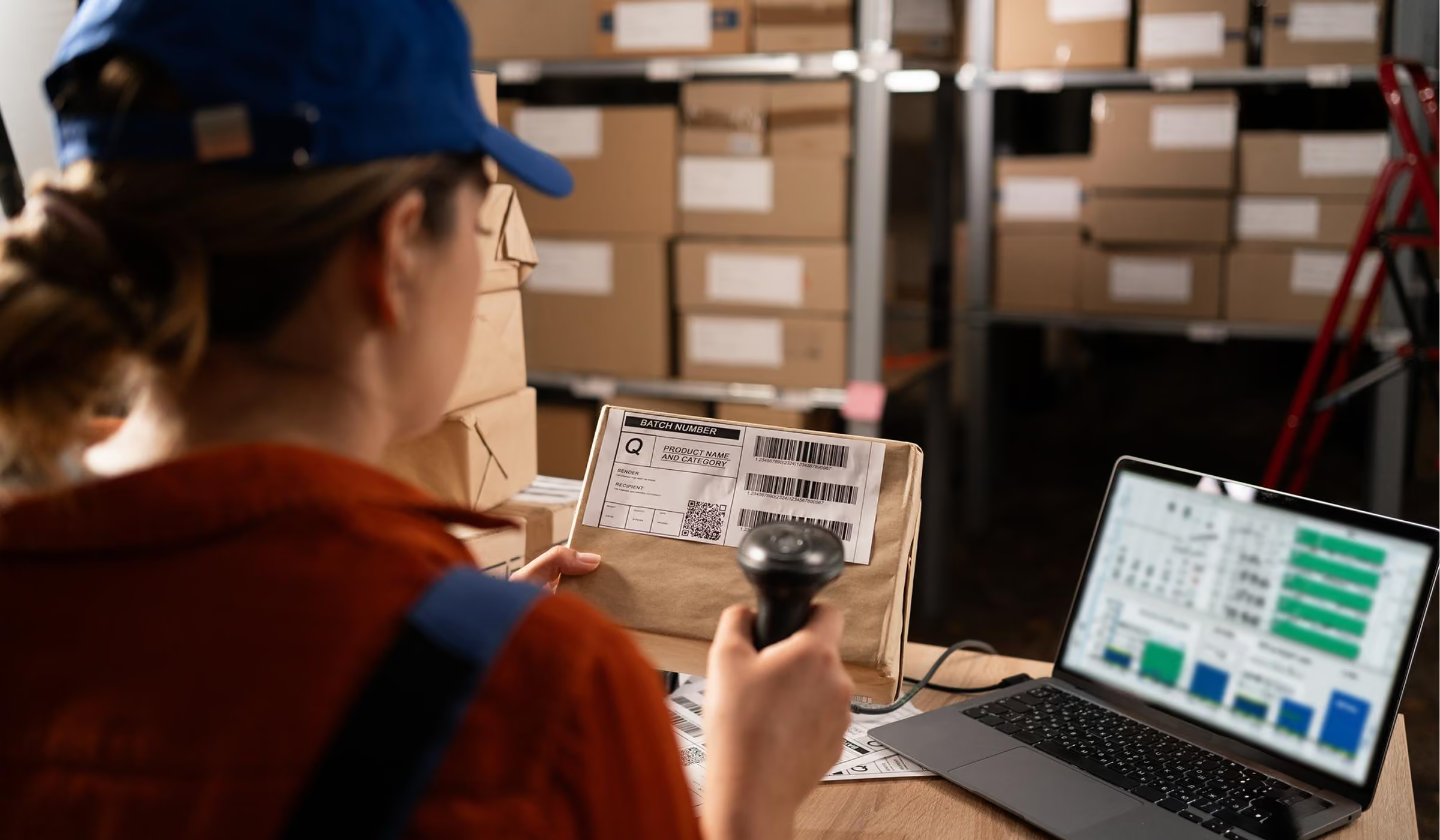
Each inspection records the driver, time, and GPS location, with optional photo verification. TRI confirms workers this way with 99%+ accuracy.
Defects sent straight to the workshop
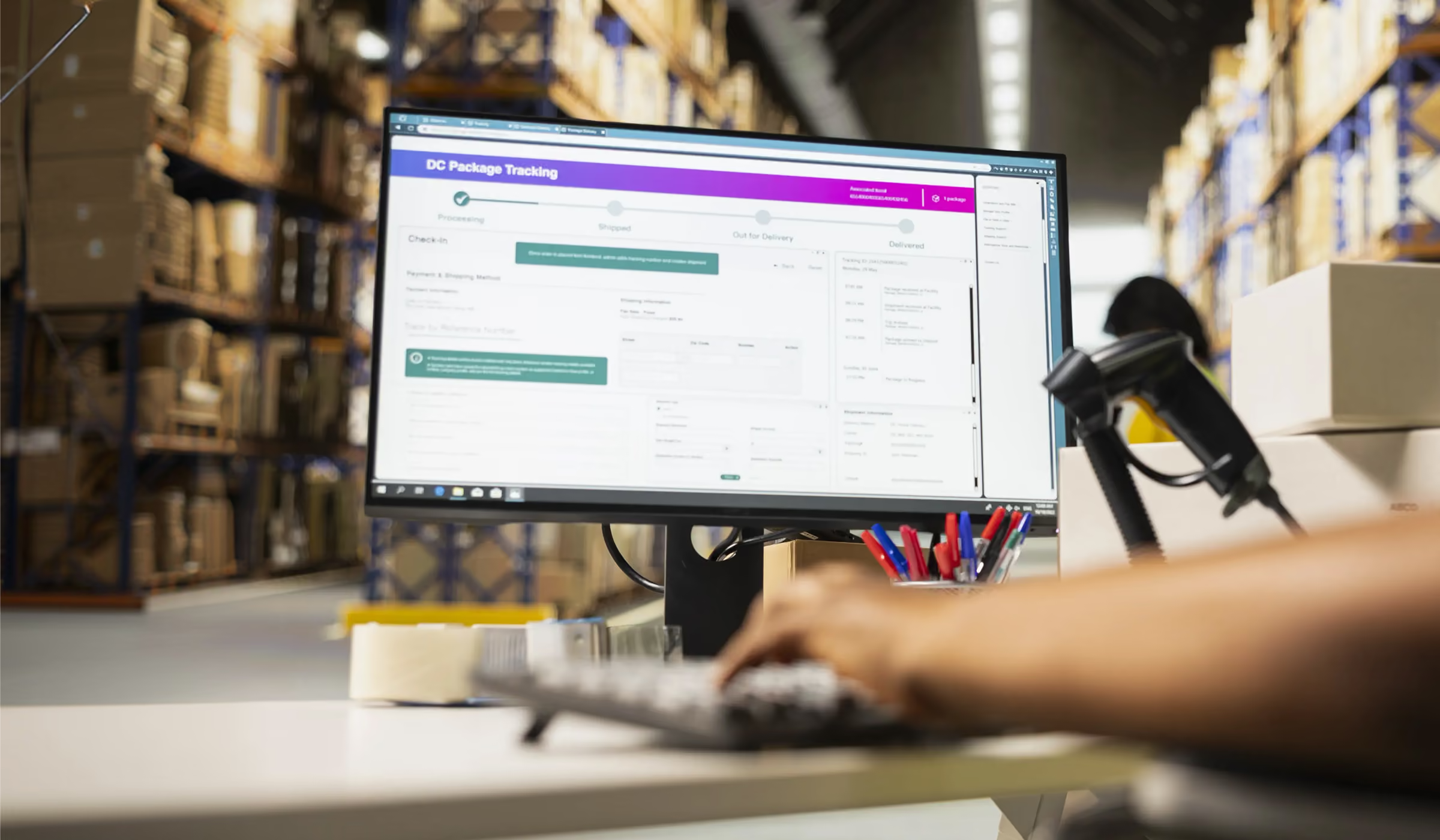
Reported problems and engine fault codes from telematics become work orders and alerts for the right person, without waiting for the paperwork to come back.
Repair sign-off and driver acknowledgment
Mechanics record what they fixed, and the next driver confirms the repair before setting off, closing the loop on every defect.
Reports ready for audits and claims
A vehicle inspection report app produces clean PDF reports with photos in minutes. Site Survey cut report creation from several hours to under 10 minutes.
Watch inspections in the yard
We walk through real pre-trip and post-trip checks with drivers.
Current forms, defect routes, and record storage are reviewed.
Regulatory and insurance requirements are listed.
Deliverable: inspection process map
Design checklists per vehicle type
Items, photo requirements, and severity levels are defined.
Out-of-service rules are agreed with the workshop.
Screens are designed for gloves, rain, and bright light.
Deliverable: checklists and prototype
Test with drivers and mechanics
Drivers time themselves on real vehicles.
Confusing steps are removed.
Mechanics confirm what they need from each report.
Deliverable: validated designs
Build the app and connections
iOS and Android apps are built with offline storage.
Workshop, telematics, and dispatch connections are added.
Report templates are finalized.
Deliverable: working app and integrations
Pilot at one depot
A group of drivers uses the app daily.
Completion times, defect reports, and repair speed are compared with paper.
Checklists and alerts are tuned.
Deliverable: pilot results
Roll out and keep improving
All depots and vehicle types move over.
Records are kept and searchable for audits.
Checklists evolve with new vehicles and rules.
Deliverable: live app and improvement plan
Field app results from projects we built
1.5 h → 42 min
Time per inspection with our Site Survey app
Under 10 min
To generate a full Site Survey report, down from several hours
99%+
Worker verification accuracy in the TRI field app
3.2 s
Average offline code scan in our transit driver apps, at 99.7% accuracy
40%
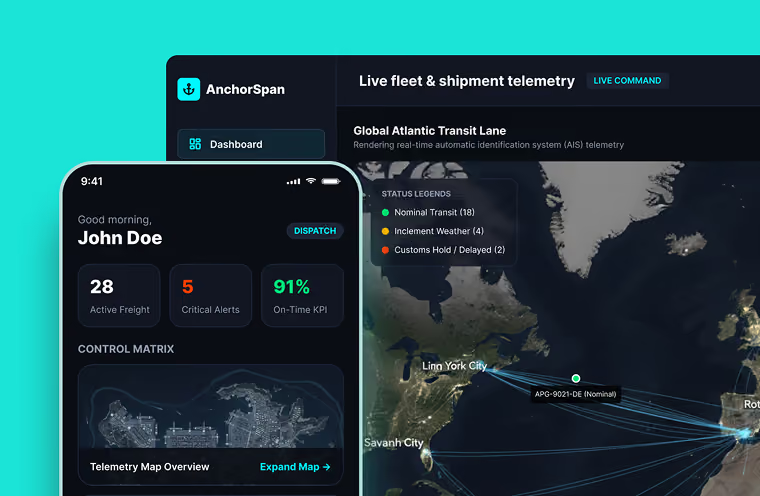
Fewer late-notice complaints on AnchorSpan after alerts reached the right role









Safeguards around your inspection records
Why fleets choose COAX Software for vehicle inspection app development
Inspection apps already proven
Site Survey cut inspections from 1.5 hours to 42 minutes and report creation to under 10 minutes, working fully offline.
Field records people trust
TRI confirms who did the work, when, and where, using photos and GPS with 99%+ accuracy.
Built for moving vehicles and dead zones
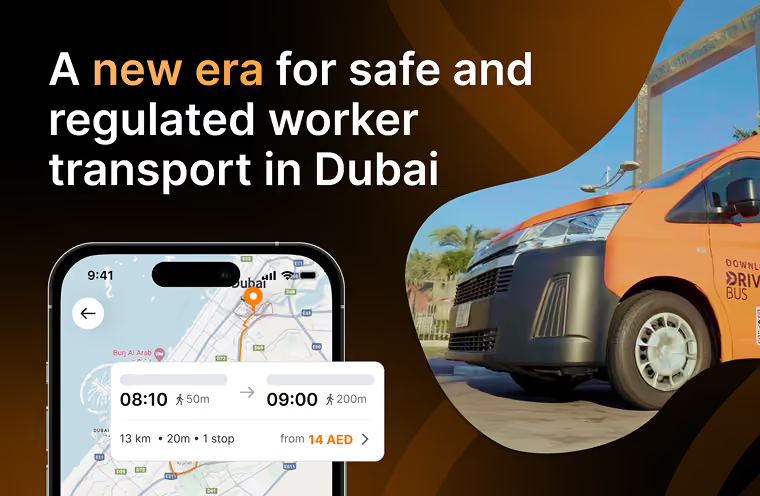
Our transit driver apps scan codes offline in about 3.2 seconds, so checks never wait for signal.
Defects that reach the right people
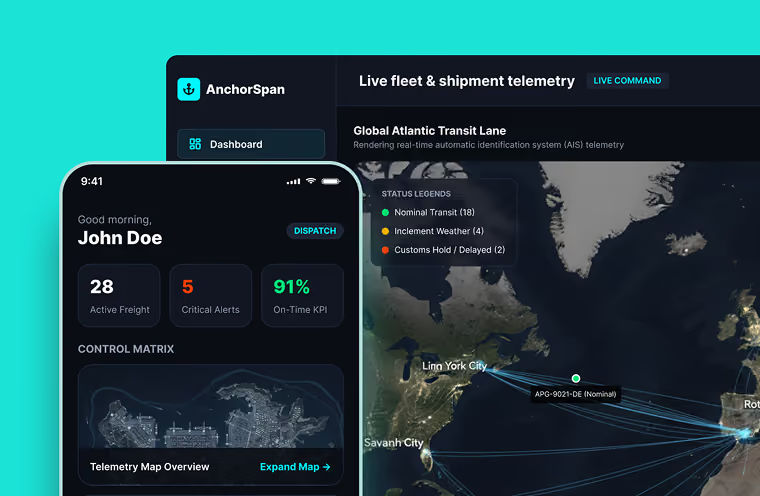
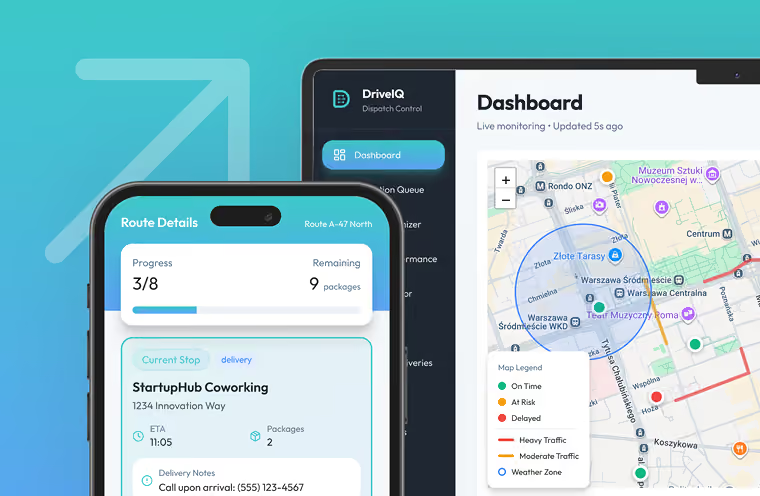
AnchorSpan cut late-notice complaints by 40% by routing alerts to the right role, and DriveIQ processes 2 million vehicle events a day
Frequently asked questions and answers
COAX Software does. Our vehicle inspection app development covers vehicle-specific checklists, photos marked on diagrams, offline use, verified time and location, severity rules, workshop handoff, repair sign-off, and audit-ready reports.
Choose a team with field apps already working offline, a clear approach to verified records, and experience connecting reports to workshops and telematics. COAX Software brings Site Survey, TRI, and our transit driver apps, and is rated 4.9/5 on Clutch.
COAX can. We build a custom vehicle inspection app around your vehicle types, defect rules, and workshop process, with a manager dashboard showing completed checks, open defects, and vehicles out of service.
Ask for photos of a few key items, rotate them so they can’t be predicted, check that the phone is near the vehicle, and follow up visibly on reported defects. A well-designed vehicle inspection app makes honest checks quicker than faking them.
COAX Software can. The vehicle is identified automatically, routine items pass with one tap, and photos are required only for defects or a few key items. Everything works offline, so drivers finish quickly while managers still get usable evidence.
Yes, and they should. Defects can create work orders in your maintenance system automatically, while fault codes from telematics can prompt drivers to check specific items. Good vehicle inspection app development connects both, so the workshop sees the full picture before the vehicle arrives.
COAX Software has built transport, logistics, and field apps for 16 years. Relevant work includes Site Survey’s offline inspection app, TRI’s verified field records, our transit driver apps, and DriveIQ’s vehicle data pipeline.
COAX Software has published closely related cases: Site Survey cut inspections from 1.5 hours to 42 minutes and reports to under 10 minutes, TRI verifies field work with 99%+ accuracy, and our driver apps scan codes offline in 3.2 seconds. We haven’t yet published a DVIR case specifically, and we’d rather say so openly.












What’s Next?
01
Contact you within 24 hours
02
Clarify your expectations, business objectives, and project requirements