















































































IoT fleet management software development
Trackers report to one portal, temperature sensors to another, cameras to a third, and fuel sensors to a spreadsheet someone fills in by hand. Each device works, but nothing works together, and every new sensor adds another login. COAX Software provides IoT fleet management software development that connects every device into one platform your teams can act on.
Industry leaders we work with


What our IoT fleet management software covers
Every device and sensor connected
GPS trackers, vehicle data ports, temperature and humidity probes, fuel and tire sensors, door switches, and cameras all feed one platform, whatever their brand.
Connectivity that survives gaps
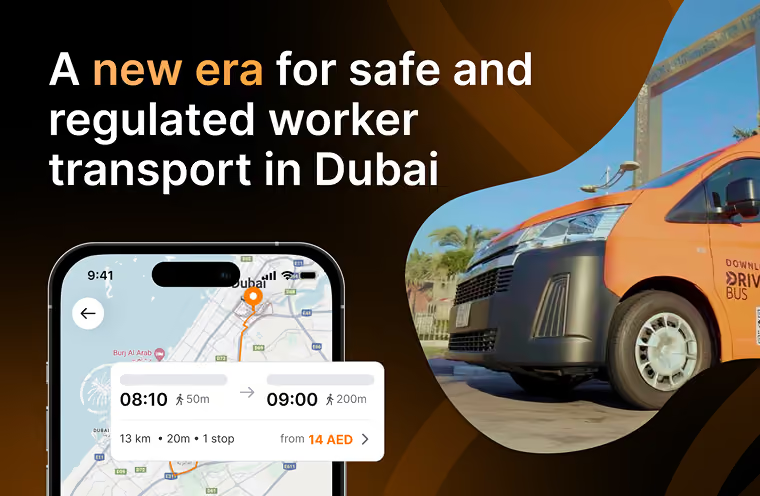
Devices store readings when the signal drops and send them later, and apps work offline. Our transit driver apps scan tickets offline in about 3.2 seconds with 99.7% accuracy.
One data layer for everything
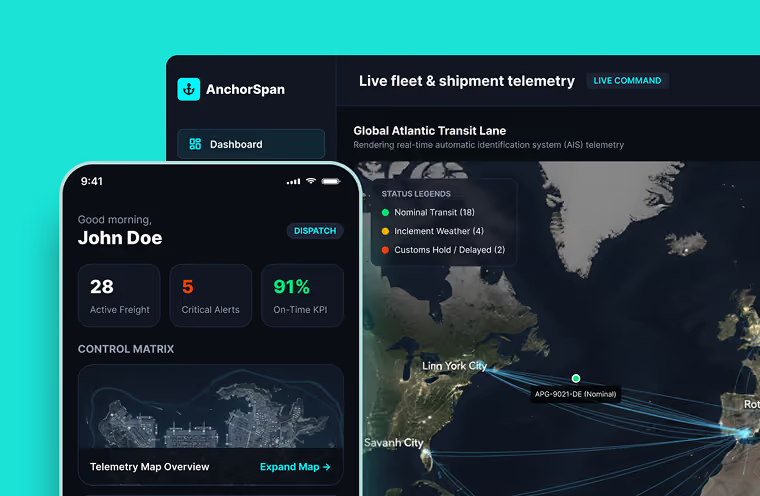
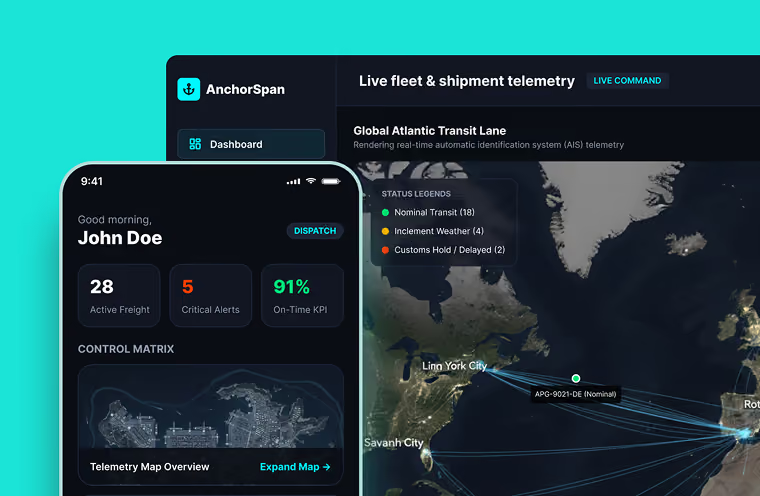
Readings are cleaned, timestamped, and matched to the right vehicle, trailer, or driver. AnchorSpan combines RFID scans, vessel pings, and truck telematics in one stream.
Device management at scale
Devices are registered, configured, monitored, and updated remotely, so you know which units are healthy, offline, or due for a firmware update.
Rules and alerts
Thresholds, geofences, and combinations of readings trigger alerts for the right person. On AnchorSpan, routing alerts by role cut late-notice complaints by 40%.
Apps for every role
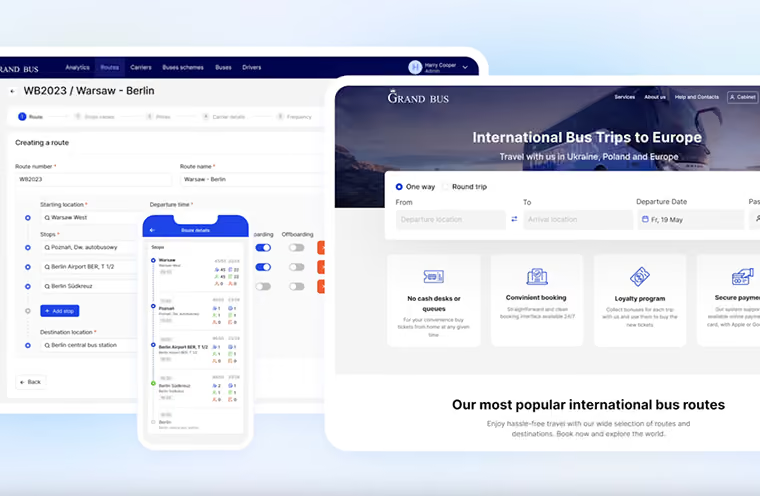
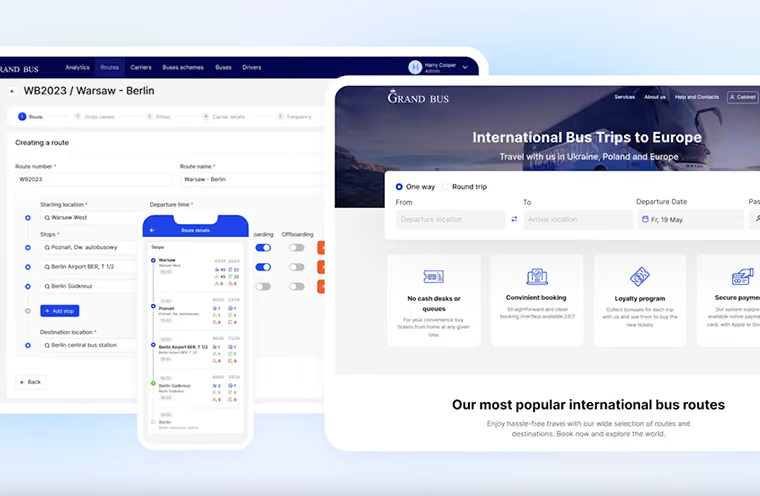
Dispatchers, managers, drivers, and customers each get their own view. GrandBus’s live tracking cut where’s-my-bus calls from 35% to 5%.
Analytics and predictions
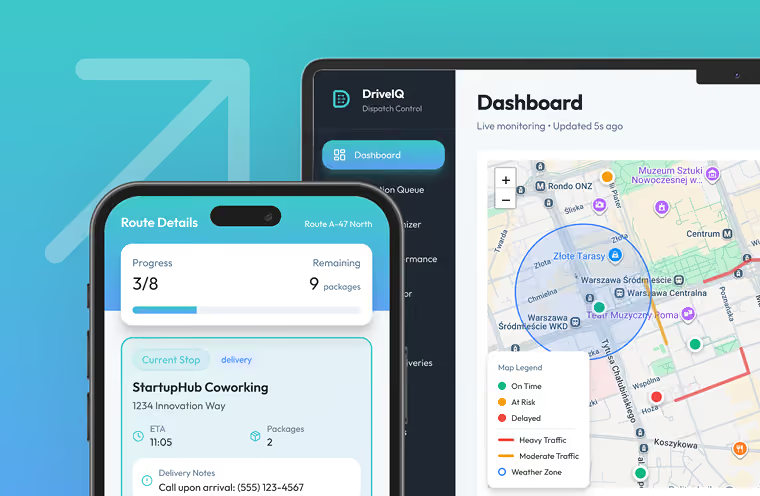
Data feeds arrival predictions, coaching, and maintenance planning. DriveIQ predicts arrivals with 89% accuracy and helped cut safety incidents by 38%.
Integrations with business systems
Device data flows into TMS, ERP, accounting, and customer systems through APIs, so IoT readings drive real decisions.
Inventory devices and goals
Trackers, sensors, cameras, and their vendors are listed.
Connectivity, data formats, and current portals are reviewed.
Business goals for each data type are agreed.
Deliverable: device and goals inventory
Design the four layers
Device, connectivity, processing, and application layers are planned.
A shared data model is defined for all readings.
Security and device identity rules are set.
Deliverable: platform architecture
Connect devices and build the data core
Adapters are built for each device type and protocol.
Streaming, storage, and device management are set up.
Load tests confirm capacity.
Deliverable: working data core
Build rules, apps, and integrations
Alerts, dashboards, and role-based apps are developed.
Business systems are connected.
Analytics and predictions are added where useful.
Deliverable: working IoT platform
Pilot with part of the fleet
Selected vehicles and sites run on the platform.
Data quality, alerts, and battery or data use are reviewed.
Rules and screens are tuned.
Deliverable: pilot results
Roll out and expand
All vehicles, trailers, and sites are connected.
New sensor types are added through the same adapters.
Platform health is monitored continuously.
Deliverable: fleet-wide rollout and expansion plan
We deliver real AWS outcomes
2 million
GPS events processed every day on DriveIQ
3
Separate feeds, RFID, vessel, and truck telematics, merged into one AnchorSpan stream
89%
DriveIQ arrival predictions accurate within ±15 minutes
38%
Fewer safety incidents on DriveIQ after data-based coaching
35% → 5%
Share of GrandBus route calls asking where the bus is
The stack behind our IoT fleet management solutions



Safeguards across devices and data
Why fleets choose COAX Software for IoT fleet management software development
Real-time data at fleet scale
DriveIQ processes 2 million GPS events a day and turns them into predictions accurate within ±15 minutes 89% of the time.
Many sources, one stream
AnchorSpan merges RFID scans, vessel data, and truck telematics into one stream and connects new partners in two days instead of three weeks.
Apps that work without signal
Our transit driver apps keep scanning and recording offline, then sync safely when the connection returns.
Sensor platforms and rules engines
For CareZapp, we moved a monolith to microservices, connected sensors and devices, and used machine learning to automate rule checking.
Frequently asked questions and answers
COAX Software does. Our IoT fleet management software development connects trackers, vehicle sensors, cameras, and cargo monitors, manages devices remotely, processes data in one layer, and delivers alerts, apps, analytics, and integrations.
Look for a team that has processed fleet data at real scale, merged many device types into one model, and built apps that work in poor coverage. COAX Software builds IoT solutions for fleet management backed by DriveIQ, AnchorSpan, and GrandBus, and is rated 4.9/5 on Clutch.
COAX can. Our IoT fleet management software development is shaped around your vehicles, trailers, sites, and teams, with device management, rules, and apps that fit how your operation actually runs.
Give every device its own identity, encrypt every connection, and manage configuration and firmware remotely in small, tested batches. Connected fleet solution development should also monitor device health, so offline or tampered units are spotted quickly.
COAX Software can. Each device type gets an adapter that translates its data into one shared format, readings are matched to the right vehicle and driver, and camera events arrive as short clips linked to the same timeline. Adding a new sensor means adding an adapter, not rebuilding the platform.
Vehicles on the move usually need cellular connections, while yard and depot sensors can often use low-power networks. Whatever the choice, devices should store data during gaps and send it later. Good IoT fleet management software development plans connectivity per device type rather than forcing one option on everything.
COAX Software has built transport and logistics software for 16 years, with IoT fleet management software development experience from DriveIQ’s data pipeline, AnchorSpan’s multi-source tracking, GrandBus’s live passenger tracking, and CareZapp’s sensor platform.
COAX Software does. DriveIQ processes 2 million GPS events a day, predicts arrivals with 89% accuracy, and helped cut safety incidents by 38%. AnchorSpan merges three data feeds into one stream, and GrandBus cut where’s-my-bus calls from 35% to 5%.





What’s Next?
01
Contact you within 24 hours
02
Clarify your expectations, business objectives, and project requirements