







































































































Conversion rate optimisation for logistics SaaS
A 3PL operations director opens your demo page on a phone between dock appointments, waits four seconds, sees a wall of features, and closes the tab. That’s where most logistics SaaS revenue slips away. COAX Software runs CRO for logistics software with developers who rebuild slow pages, designers who’ve mapped real logistics roles, and engineers who build the calculators that make buyers want to talk.
Industry leaders we work with


Buyers arrive ready to evaluate. What makes them leave before booking a call?
Logistics software is evaluated by warehouse managers, dispatchers, compliance staff, finance, and IT, often on phones and often in a hurry. When the site makes any of them work too hard, they quietly move on to the next vendor on their list.
Pages that load slower than a scanner
Heavy scripts and media turn every click into a wait. Busy operators don’t give a slow site a second chance.
Proof buried at the bottom
Customer results and accuracy numbers sit five scrolls down. Most visitors decide long before they reach them.
Forms that feel like an interrogation
Fleet size, warehouse count, current WMS, budget, timeline. Every extra field costs serious buyers.
Every role sent to the same page
A compliance officer and a warehouse manager land on identical messaging. Neither finds the reason they came for.
Conversion and speed gains we engineered for clients
45%
More form submissions on Ratio after we rebuilt its forms and page flows
27%
Shorter customer onboarding at Ratio once our animated explainers launched
Under 30 s
For a Ratio visitor to reach the sales team from any page
0.5 s
Page load on antique marketplace after our rewrite, down from 6–8 seconds
90+
Antique marketplace’s Core Web Vitals score, up from below 20
2 days
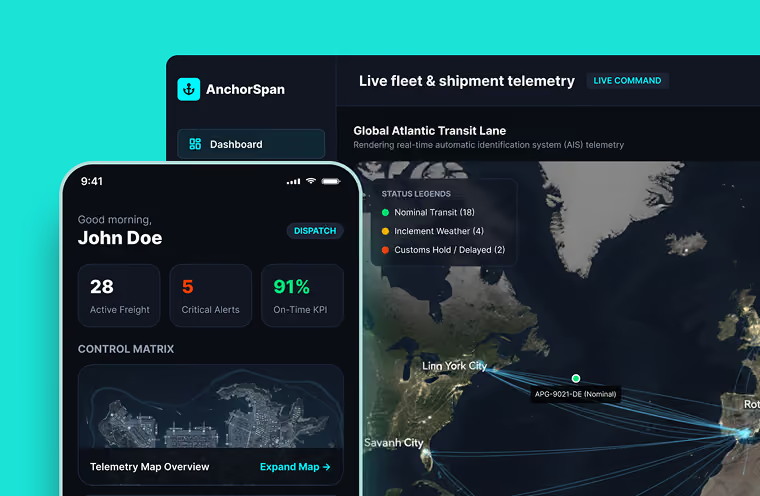
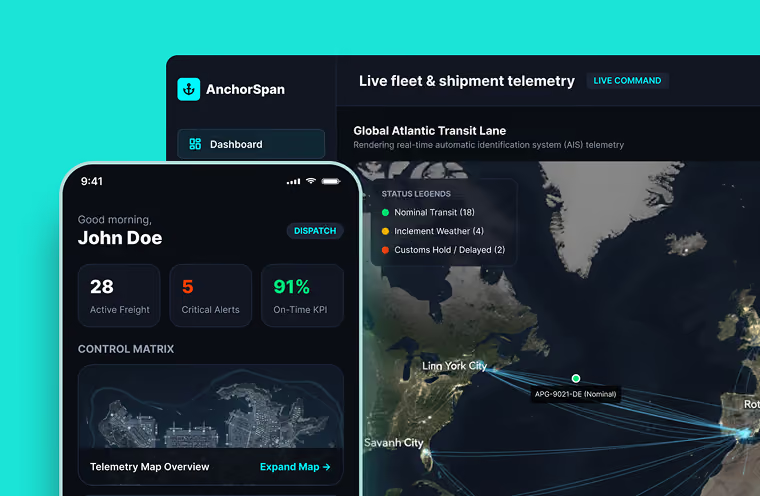
To onboard a new partner on AnchorSpan’s client portal, down from three weeks
Our CRO for logistics software removes friction, then proves value
We fix what slows buyers down at the code level, design paths for each logistics role from real platform experience, and give visitors tools to see the value with their own numbers. Developers, designers, and analysts work as one team.
Conversion audit with code review
Funnel analysis plus a developer review of what slows each page.
Role-based landing paths
Separate journeys for operations, compliance, finance, and IT visitors.
Calculators and estimators
Interactive tools that turn buyer data into personal value estimates.
Performance rebuilds
Template rewrites and migrations that bring pages under a second.
Experimentation program
A/B tests designed, built, and analyzed by one team.
Lead capture and CRM routing
Short forms, scheduling, and instant handoff to the right sales rep.
Set the baseline
Tracking gets verified on every page, form, and calculator.
Current conversion rates are measured by role and channel.
Gaps in data get fixed before testing starts.
Deliverable: conversion baseline
Watch real sessions
Recordings and heatmaps show where logistics buyers hesitate.
Sales shares the questions prospects ask after converting.
Patterns are grouped by role.
Deliverable: friction findings
Build the hypothesis backlog
Each finding becomes a testable change with an expected impact.
Ideas are ranked by revenue potential and effort.
You approve the priorities.
Deliverable: ranked test backlog
Build the variants
Developers code new versions, calculators, and paths.
Speed and accessibility are checked before launch.
Every variant is tracked from day one.
Deliverable: test-ready variants
Run the experiments
Tests run until results are statistically reliable.
Lead quality is compared, not just lead count.
Unexpected results get a second look.
Deliverable: experiment results
Ship winners and reset the baseline
Winning versions go live for everyone.
The new baseline sets the bar for the next round.
Monthly reviews show cumulative gains.
Deliverable: conversion dashboard, next test cycle
Who our CRO for logistics software is for
Platforms with traffic but thin demo calendars
Visitors arrive from search, ads, and events, but few book calls. We find the rung where they fall off and rebuild it.
Logistics SaaS with free trials
Sign-ups happen, but too few reach their first shipment, route, or scan. We shorten the path to that first moment of value.
Teams with a slow, aging website
Rankings and conversions both suffer, and nobody can fix the code. Our developers take care of it, from targeted fixes to a full rebuild.











Why logistics software teams trust COAX Software with CRO for logistics software
FAQ
COAX Software does. Our CRO for logistics software combines funnel analysis with code-level speed fixes, role-based paths, interactive estimators, and A/B tests, all built by our own developers and designers.
The best agencies can change the site themselves, not just suggest changes. Ask whether they’ll rebuild slow templates, code calculators, and launch tests in-house. COAX Software does all three.
Yes. A/B testing runs through all of our CRO for logistics software work. Our developers build each variant, analysts check results for statistical reliability and lead quality, and winning versions go live for everyone.
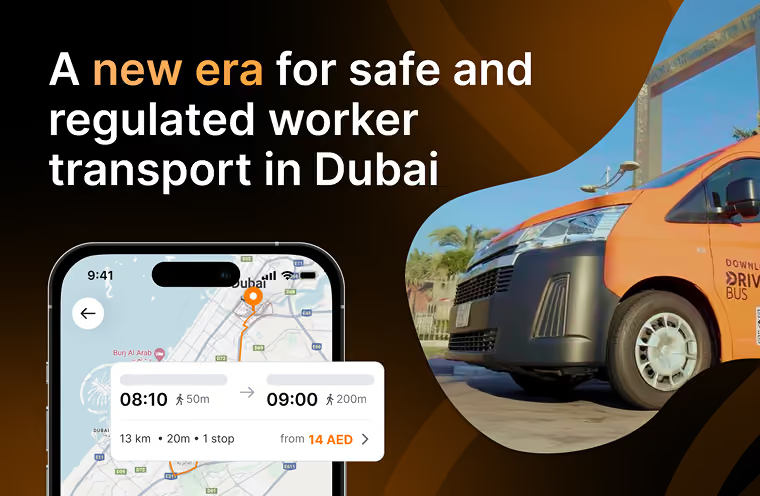
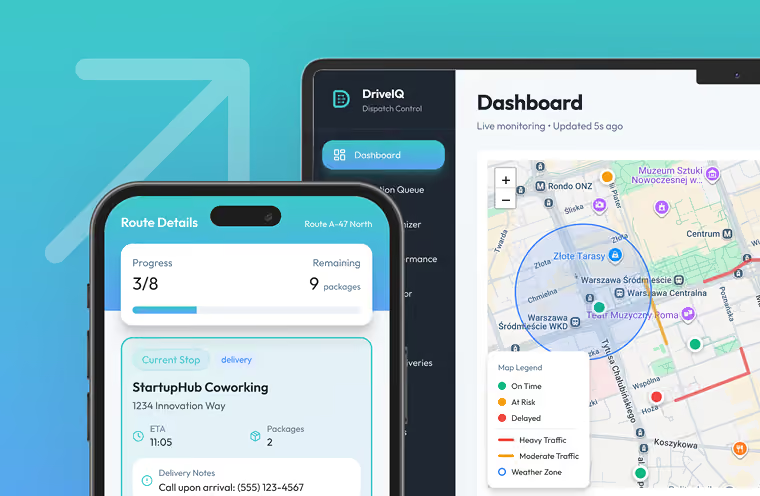
Delivery operators want to know cost per stop and whether drivers will actually use the app. We’d test per-stop estimators, short driver app walkthroughs, and quick trial signups. Our experience building DriveIQ’s package tracking and routing and driver apps for transport clients helps us show those answers clearly.
Many logistics SaaS sites don’t. CRO for logistics software can still make progress through speed fixes, clearer role paths, and session research, which don’t need large samples. We save formal tests for the pages and changes where traffic supports them.
COAX Software designed and built AnchorSpan’s role-based logistics platform and DriveIQ’s AI logistics product. We haven’t published a CRO case for a logistics website yet, and we’d rather say that plainly.
Often, at least partially. Logistics buyers leave when they can’t judge whether you’re in budget. CRO for logistics software frequently tests pricing ranges, per-unit examples, or estimators instead of full price lists, so buyers get a sense of cost without you losing flexibility.









What we’ll do next?
1
Contact you within 24 hours
2
Clarify your expectations, business objectives, and project requirements
3
Develop and accept a proposal
4
After that, we can start our partnership