
































































































Vehicle monitoring software development
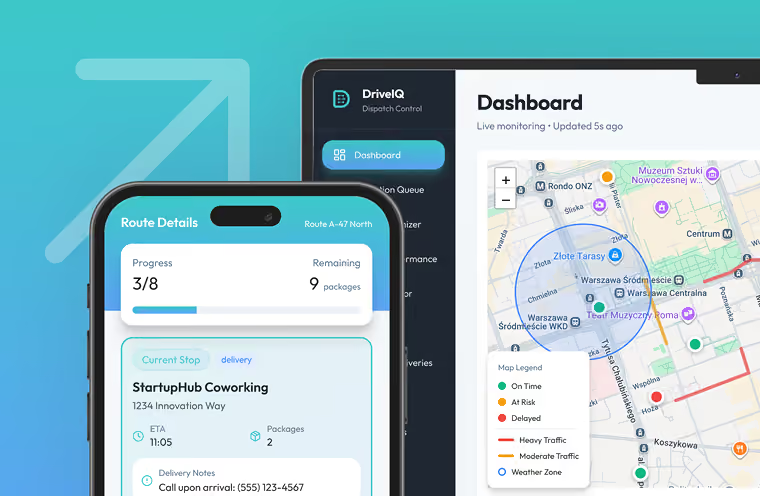
A warning light has been on for a week, a van idles for three hours outside a café, and a truck leaves the yard at 2 a.m. on a Sunday. Your trackers recorded all of it, yet nobody noticed until the repair bill, the fuel invoice, or the police report arrived. COAX Software provides vehicle monitoring software development that turns those readings into alerts the right person sees in time. Our DriveIQ platform already processes 2 million vehicle events a day.
Industry leaders we work with



What a vehicle monitoring system from COAX covers
Engine health and fault codes
Our vehicle telematics monitoring software ranks fault codes by severity and tracks battery voltage, coolant temperature, and tire pressure where sensors exist, sending serious issues straight to the workshop.
Idling and fuel waste
Idle time is measured per vehicle against sensible limits for its type and job, with alerts and weekly summaries. On DriveIQ, coaching based on driving data cut fuel use by 12%.
Unauthorized use and movement
Out-of-hours trips, journeys outside allowed areas, starts without driver identification, and movement with the ignition off trigger immediate alerts.
Risky driving events
Speeding, harsh braking, and sharp cornering are recorded and fed into fair coaching. DriveIQ’s approach helped cut safety incidents by 38%.
Tracker health and tampering
Unplugged devices, power cuts, lost GPS signal, and suspected jamming are flagged, so gaps in data never go unexplained.
Cargo and cabin sensors
Temperature, door openings, and other sensor readings are monitored where fitted, with alerts when values leave the safe range.
Alerts that reach the right person
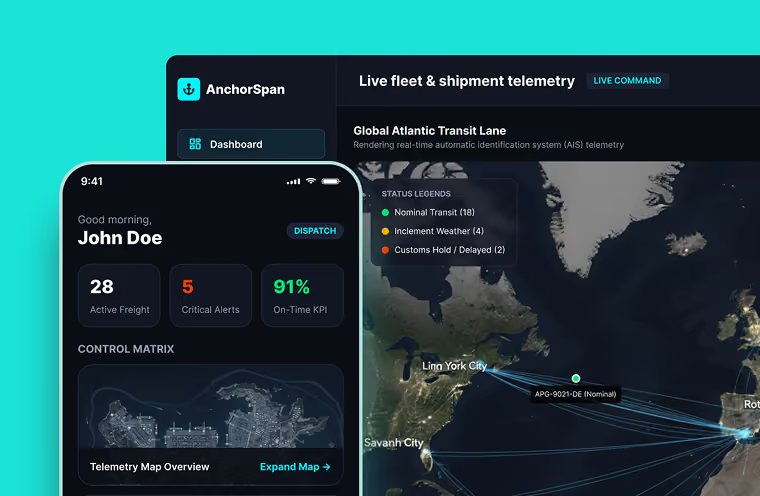
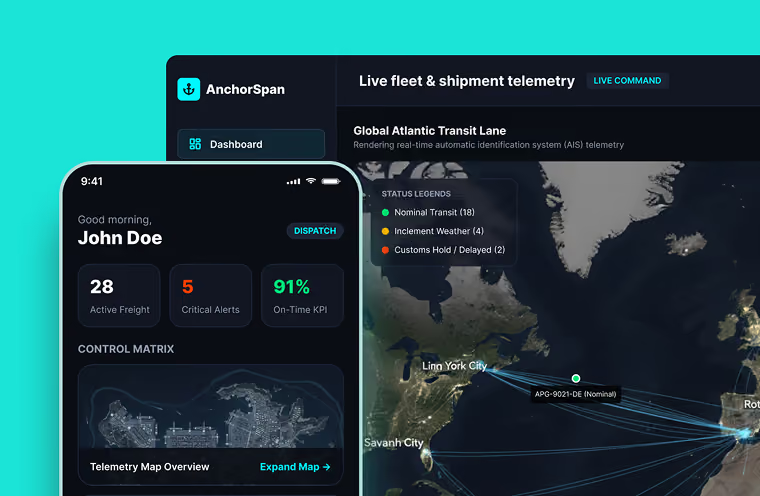
Each alert goes to the workshop, dispatcher, driver, or manager responsible, with escalation if nobody responds. On AnchorSpan, routing alerts by role cut late-notice complaints by 40%.
Live view and full history
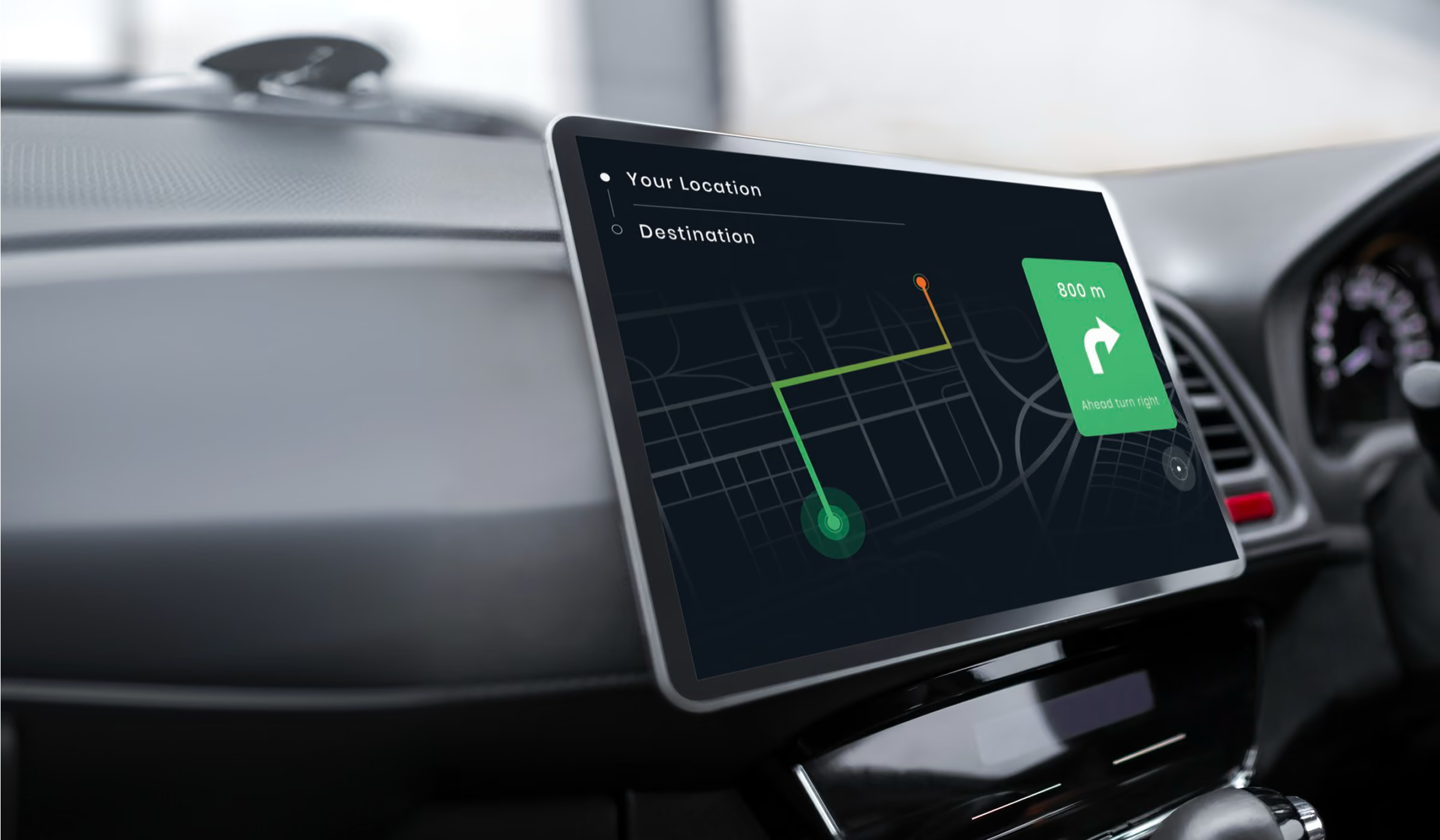
Every vehicle’s position, status, and events appear on a live map, with replay and reports for any day, driver, or vehicle.
List vehicles, devices, and sensors
Trackers, vehicle data access, and extra sensors are reviewed.
Current alerts and who receives them are mapped.
The most costly blind spots are ranked.
Deliverable: monitoring requirements
Agree rules and responsibilities
Thresholds for faults, idling, use, and driving are set per vehicle type.
Recipients and escalation paths are defined.
Quiet hours and grouping rules prevent alert overload.
Deliverable: rules and alert plan
Connect data sources
Device feeds and telematics providers are connected.
Readings are cleaned and matched to vehicles and drivers.
Data gaps are identified.
Deliverable: connected vehicle data
Build alerts, dashboards, and apps
The rules engine, live map, and history views are built.
Workshop, dispatcher, and driver notifications are configured.
Reports and exports are added.
Deliverable: working monitoring platform
Pilot with selected vehicles
Alerts run on a subset of the fleet.
- False alarms and missed events are reviewed.
- Thresholds are tuned with users.
Deliverable: pilot results
Roll out and refine
All vehicles and sites move over.
- Rules are reviewed monthly against outcomes.
- New sensors and alert types are added as needed.
Deliverable: fleet-wide rollout and review plan
Monitoring and alert results from platforms we built
2 million
Vehicle events processed every day on DriveIQ
38%
Fewer safety incidents on DriveIQ after data-based coaching
12%
Lower fuel use on DriveIQ after in-cab coaching launched
40%
Fewer late-notice complaints on AnchorSpan after alerts reached the right role
20 min → 90 s
Time to locate a specific shipment on AnchorSpan








Safeguards around vehicle and driver data
Why fleets choose COAX Software for vehicle monitoring software development
Vehicle data at real scale
DriveIQ processes 2 million vehicle events a day
Alerts routed to the right people
AnchorSpan cut late-notice complaints by 40% by sending each alert to the role that can act on it.
Results in safety and fuel
DriveIQ’s monitoring and coaching helped cut safety incidents by 38% and fuel use by 12%.
Frequently asked questions and answers
COAX Software does. Our vehicle monitoring software development covers engine faults, idling, unauthorized use, risky driving, tracker tampering, cargo sensors, alert routing, and live views with full history.
Some tracking devices can block a restart through a starter interrupt, usually only once the vehicle is stationary. Responsible vehicle monitoring software development adds strict permissions, confirmation steps, and logs for every command, and checks local rules before enabling it.
Look for a team that handles vehicle data at real scale, designs alerts people act on rather than ignore, and connects monitoring to workshops and dispatch. COAX Software brings that from DriveIQ and AnchorSpan, and is rated 4.9/5 on Clutch.
Start with the few events that cost the most, set thresholds per vehicle type, group repeats, and send minor events as daily summaries. Well-designed vehicle monitoring systems track which alerts lead to action and retire the ones that don’t.
COAX can. We build remote vehicle monitoring solutions around your vehicles, devices, and teams, with rules for each vehicle type, alerts for the people responsible, and dashboards for managers.
COAX Software can. Fault codes are ranked and sent to the workshop, idling is measured against limits for each vehicle type, and trips outside allowed hours or areas trigger immediate alerts, with escalation if nobody responds.
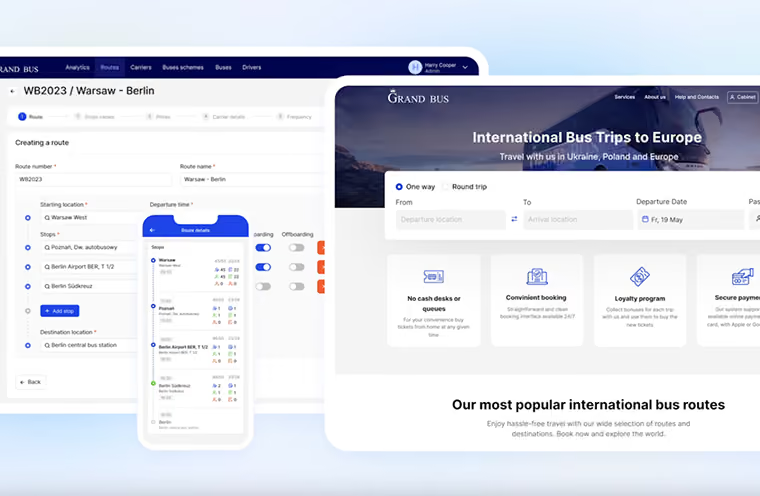
COAX Software has built transport and logistics software for 16 years, with vehicle monitoring software development at the core of projects like DriveIQ, AnchorSpan, GrandBus, and DrivenBus.
COAX Software does. DriveIQ processes 2 million vehicle events a day and helped cut safety incidents by 38% and fuel use by 12%, and AnchorSpan cut late-notice complaints by 40%. We haven’t yet published a case focused on fault-code monitoring alone, and we’d rather say so openly.








What’s Next?
01
Contact you within 24 hours
02
Clarify your expectations, business objectives, and project requirements