















































































































Marketing analytics for logistics SaaS
Your board asks which campaigns brought the shippers now moving freight on your platform. Marketing can name the form fills. Nobody can name the shipments. COAX Software builds marketing analytics for logistics software that follows each account from first touch to signed contract to active freight, using the same data engineering skills we apply to logistics event pipelines.
Industry leaders we work with



Plenty of data, very little clarity. Why can’t anyone connect marketing to freight volume?
Logistics deals start at trade shows, through partners, and in long evaluations, then grow as shipments, sites, and carriers go live. Standard marketing analytics stop at the form fill and miss most of that journey.
Trade shows with no measurable return
Badge scans sit in a spreadsheet, never reach the CRM properly, and the biggest line in the budget can’t be tied to a single deal.
Demo counts that ignore freight volume
A signed account that moves ten shipments looks the same in reports as one moving ten thousand. Channel decisions get made blind.
Partner-sourced deals nobody can see
Integration partners and resellers send real business, but credit lands on whatever touch came last.
Reports rebuilt by hand every month
Someone exports from four tools and stitches numbers together, and each version tells a slightly different story.
Data and reporting systems we’ve built, and what they made possible
3
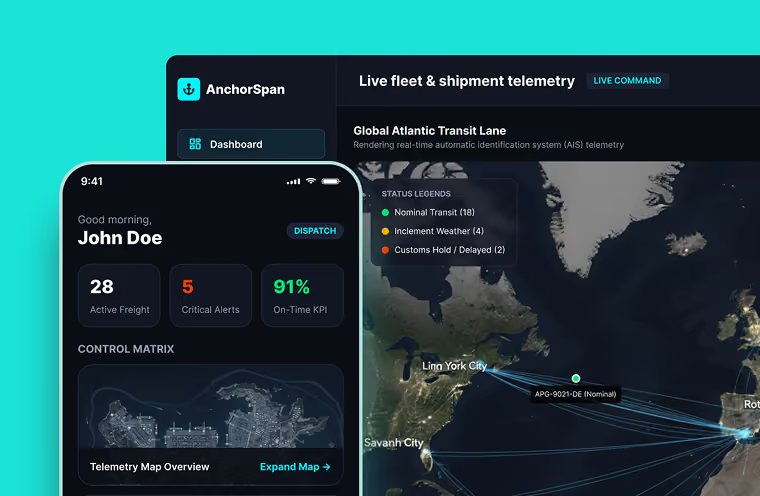
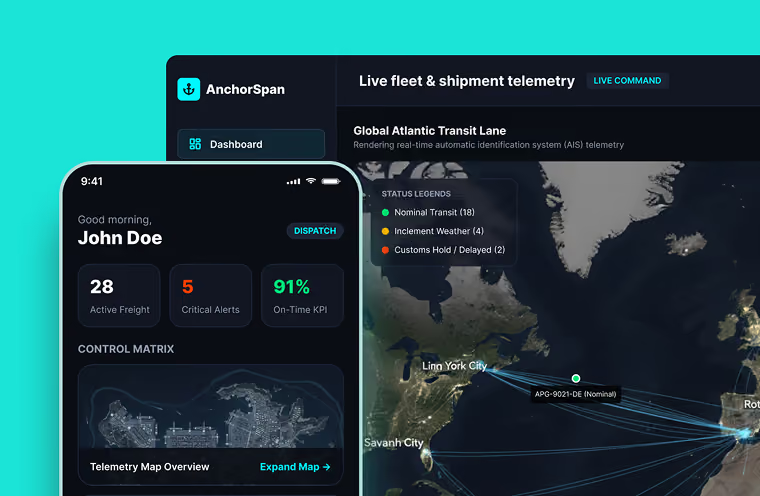
Separate data feeds (RFID scans, vessel pings, truck telematics) merged into one event stream for AnchorSpan
90 s
To answer “where is this shipment?” in AnchorSpan, down from 20 minutes
40%
Profit growth at MICRM after its travel CRM and analytics platform went live
~99%
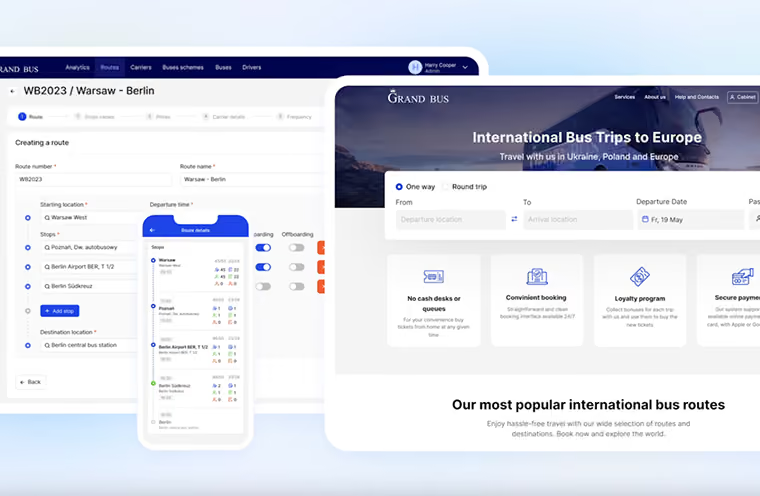
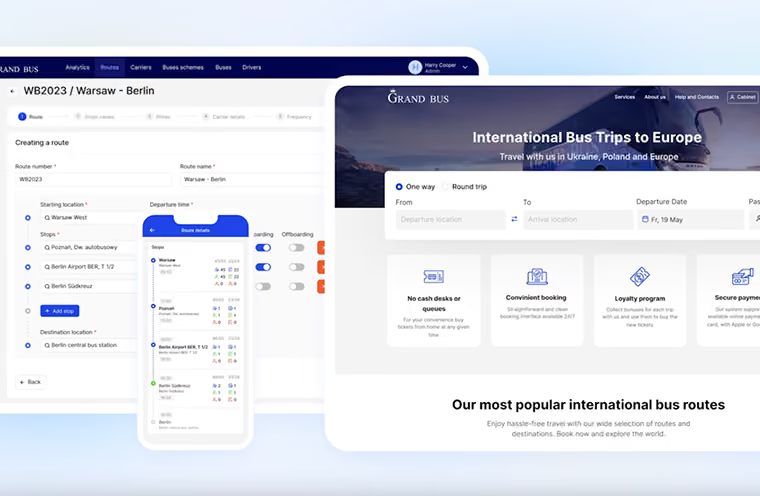
Route reporting accuracy at GrandBus after paper logs became tracked data
45%
More form submissions captured into Ratio’s CRM after we rebuilt its forms
Our marketing analytics for logistics software tracks deals all the way to active freight
We capture every touch, including the offline ones logistics runs on, link sales data to real product usage, and deliver dashboards each team trusts. Analysts and data engineers work on every setup together.
Tracking and consent setup
GA4, Tag Manager, UTM rules, and privacy-compliant collection.
HubSpot lifecycle and attribution
Clear stages, multi-touch models, and account-level reporting.
Event and partner attribution
Trade show, webinar, and partner-sourced deals tracked properly in your CRM.
Product-to-CRM data pipelines
Shipment, site, and carrier milestones joined to each account.
Role dashboards
Reports for leadership, marketing, sales, and partner teams.
Ongoing analytics operations
Monthly reviews, tracking for new campaigns, and definition updates.
Inventory every data source
Web, CRM, events, partner programs, and product data are listed.
Owners and access for each source are confirmed.
Gaps and duplicates are flagged.
Deliverable: data source inventory
Define the revenue milestones
Teams agree on each stage, from first touch to active freight.
Product milestones that signal real adoption are chosen.
Lifecycle stages are mapped in HubSpot.
Deliverable: shared milestone definitions
Instrument and capture
Tracking, consent, and UTM rules go live.
Event and partner capture processes are set up.
Every change is tested before release.
Deliverable: tracking and capture setup
Engineer the data joins
Data engineers connect CRM, ad platforms, and product usage.
Account records combine every touch and milestone.
Offline conversions flow back to ad platforms.
Deliverable: connected data pipelines
Build role dashboards
Dashboards are designed around each team’s weekly questions.
Data quality checks run automatically.
Teams are trained on reading and using them.
Deliverable: live dashboards
Decide, review, refine
Budget and channel decisions use the new data monthly.
New campaigns and products get tracked from day one.
Definitions are updated as the business changes.
Deliverable: monthly revenue insights
Who our marketing analytics for logistics software is for
Visibility and tracking vendors with usage-based revenue
Your revenue grows with shipments tracked, not just contracts signed. We connect marketing data to that usage, so channel decisions reflect real value.
Logistics SaaS teams that rely on events and partners
Trade shows and integration partners drive much of your pipeline. We make both measurable alongside digital channels.
Teams after a CRM or analytics change
A move to HubSpot or GA4 broke history and tracking. We rebuild it properly and reconnect your past data where possible.









Why logistics software companies trust COAX Software with marketing analytics for logistics software
FAQ
COAX Software does. Our marketing analytics for logistics software connects GA4, HubSpot, event and partner data, and product usage, with data engineers building the pipelines and analysts designing the reports.
Look for a team that can set up both tools properly, bring in offline sources like trade shows, and engineer data joins when native integrations fall short. COAX Software covers all three and is rated 4.9/5 on Clutch.
Multi-touch attribution is a core part of our marketing analytics for logistics software. We configure models in HubSpot for long logistics sales cycles, roll touches up to the account level, and include events, partners, and self-reported sources that standard tracking misses.
Tracking platforms grow with usage, so reporting should follow accounts past the contract to first tracked shipments and monthly volume. We built AnchorSpan’s tracking and dwell-time analytics, so we know which usage signals show a customer is truly live.
Capture contacts with the event, booth conversation, and follow-up status attached, and import them into HubSpot quickly, not weeks later. With marketing analytics for logistics software, events get their own campaign records, so pipeline and revenue from each show become visible next to digital channels.
COAX Software built AnchorSpan’s logistics event pipeline and analytics, MICRM’s CRM and analytics platform, and GrandBus’s digital route reporting. We haven’t yet published a marketing attribution case for a logistics client, and we’d rather say so directly. Our data engineering experience in logistics shapes every setup we build.
Most setups produce trustworthy current data within a few weeks of launch. Because logistics deals take months, marketing analytics for logistics software typically needs one to two full sales cycles before channel comparisons become truly solid. Historical data can sometimes be cleaned and reconnected to speed this up.










What we’ll do next?
1
Contact you within 24 hours
2
Clarify your expectations, business objectives, and project requirements
3
Develop and accept a proposal
4
After that, we can start our partnership