































































































Driver fatigue detection system development
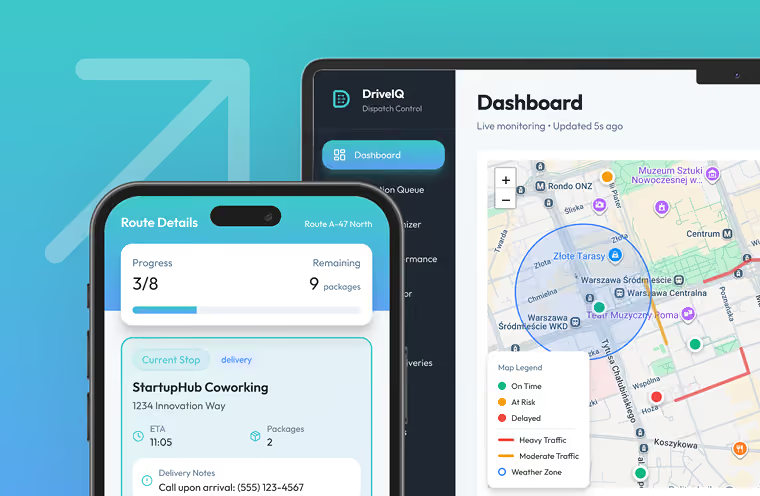
Fatigue doesn’t show up in a speeding report. A driver ten hours into a shift, at 4 a.m., after a short night’s sleep, looks fine on paper right up to the moment his eyes close. Most fleets only find out after the incident. COAX Software provides driver fatigue detection system development that combines schedule risk with in-cab signals and warns drivers and dispatchers before the dangerous moment. On DriveIQ, our safety coaching helped cut incidents by 38%.
Industry leaders we work with


What our driver fatigue monitoring software covers
Fatigue risk from schedules and history
Shift length, time of day, rest periods, and each driver’s recent pattern produce a live risk level, so breaks and swaps can be planned before limits are reached.
Drowsiness spotted on camera
Our driver drowsiness detection software reads signs such as long eye closures, yawning, and nodding, either from your camera vendor’s events or from our own detection models.
Distraction and phone use
A driver distraction detection system flags looking away from the road, handheld phone use, smoking, or a missing seatbelt, with a short clip for context.
Alerts that wake, not annoy
Drivers hear a clear in-cab warning first, and repeated or severe events escalate to a dispatcher. Low-value alerts that drivers keep dismissing are reviewed and tuned.
Dispatcher actions in one click
When risk rises, dispatchers see suggested actions, such as scheduling a break or reassigning the next load, and approve them in one step, as on DriveIQ.
Privacy-first video handling
Only short clips around events are kept, faces can be blurred for wider sharing, and retention follows your policy and local law.
Coaching and fair scorecards
Fatigue and distraction events feed coaching and transparent scores. DriveIQ has delivered more than 4,000 coaching alerts, and driver turnover fell by 22%.
Reports for safety and compliance teams
Trends by driver, shift pattern, route, and time of day show where fatigue risk comes from, with records ready for audits and insurers.
Study incidents, schedules, and cameras
Past incidents, near misses, and shift patterns are reviewed.
Existing cameras, telematics, and hours data are listed.
Privacy, union, and legal requirements are clarified.
Deliverable: risk and data review
Agree risk rules and privacy policy
Fatigue and distraction signals and thresholds are defined.
Alert levels and escalation paths are agreed.
Video retention and access rules are written down.
Deliverable: rules and privacy policy
Connect data sources
Hours, telematics, and camera feeds are linked to drivers and trips.
Camera events or video streams are brought into the platform.
Data quality checks are set up.
Deliverable: connected data layer
Build models, alerts, and screens
Risk scoring and detection models are built and tested.
In-cab alerts, dispatcher screens, and reports are developed.
Coaching flows are configured.
Deliverable: working detection system
Pilot with volunteer drivers
Alerts run quietly at first, then live.
Accuracy is checked in daylight, at night, and with sunglasses.
Drivers give feedback on usefulness and comfort.
Deliverable: pilot results
Roll out and keep tuning
All drivers and vehicles move over.
Models and thresholds are retrained on new data.
Monthly reports track fatigue risk and incidents.
Deliverable: fleet-wide rollout and monthly reports
Driver safety results from DriveIQ
38%
Fewer safety incidents after data-based coaching launched
22%
Lower driver turnover after drivers got fair, transparent feedback
4,000+
Coaching alerts delivered to drivers in the cab
12%
Lower fuel use, a side effect of calmer, smoother driving
2 million
GPS events processed every day to keep risk scores current







Safeguards around drivers and video data
Why fleets choose COAX Software for fatigue and distraction detection
Safety results already proven
DriveIQ’s scoring and in-cab coaching helped cut safety incidents by 38% for a 500-vehicle carrier.
Monitoring drivers accept
DriveIQ was designed around driver experience, and turnover fell by 22% instead of rising.
Real-time data at scale
DriveIQ processes 2 million GPS events a day, so risk scores and alerts stay current throughout every shift.
Knowing who is behind the wheel
TRI verifies identity with photos and GPS at 99%+ accuracy, and DrivenPeople checks driver qualifications before work is assigned.
Frequently asked questions and answers
COAX Software does. Our driver fatigue detection system development combines schedule-based fatigue risk with camera-based drowsiness and distraction detection, smart in-cab alerts, dispatcher actions, privacy-first video, coaching, and reports.
Explain the purpose, involve drivers early, keep only short event clips, and let them review their own data. In-cab driver monitoring development should focus on helping drivers stay safe, with clear rules on who sees footage and why.
Look for a team that has improved driver safety on a real fleet, designs alerts drivers accept, and handles video and personal data responsibly. COAX Software brings DriveIQ’s safety results and is rated 4.9/5 on Clutch.
COAX Software can. We build risk scoring from hours and shift patterns, connect your cameras or add detection models, and deliver alerts, dispatcher tools, and reports tailored to your routes, shifts, and safety policies.
COAX Software can. Models detect eye closure, yawning, head position, and handheld phones, or we use events from your camera provider, and test them in day, night, and glare conditions before going live. Our published DriveIQ results come from scoring and coaching rather than camera AI, and we’d rather say so openly.
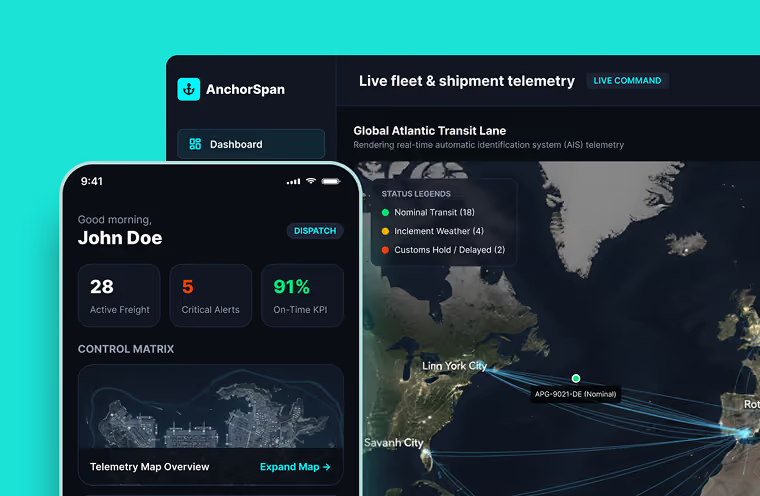
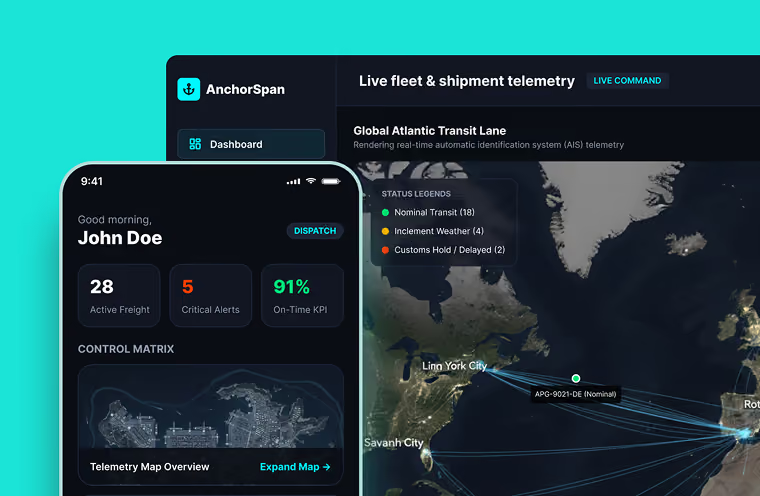
COAX Software has built transport and logistics software for 16 years, with driver safety at the center of projects like DriveIQ. Related work includes TRI’s identity verification, DrivenPeople’s qualification checks, and AnchorSpan’s alert routing.
COAX Software does. The published DriveIQ case shows scoring and in-cab coaching that helped cut safety incidents by 38% and driver turnover by 22%, with more than 4,000 coaching alerts delivered across a 500-vehicle fleet.
Not to start. Hours on duty, time of day, and rest patterns already reveal much of the risk. Cameras add real-time signs such as eye closure and distraction. Good driver fatigue detection system development begins with the data you have and adds cameras where the risk justifies them.








What’s Next?
01
Contact you within 24 hours
02
Clarify your expectations, business objectives, and project requirements