








































































































Fleetio integration company
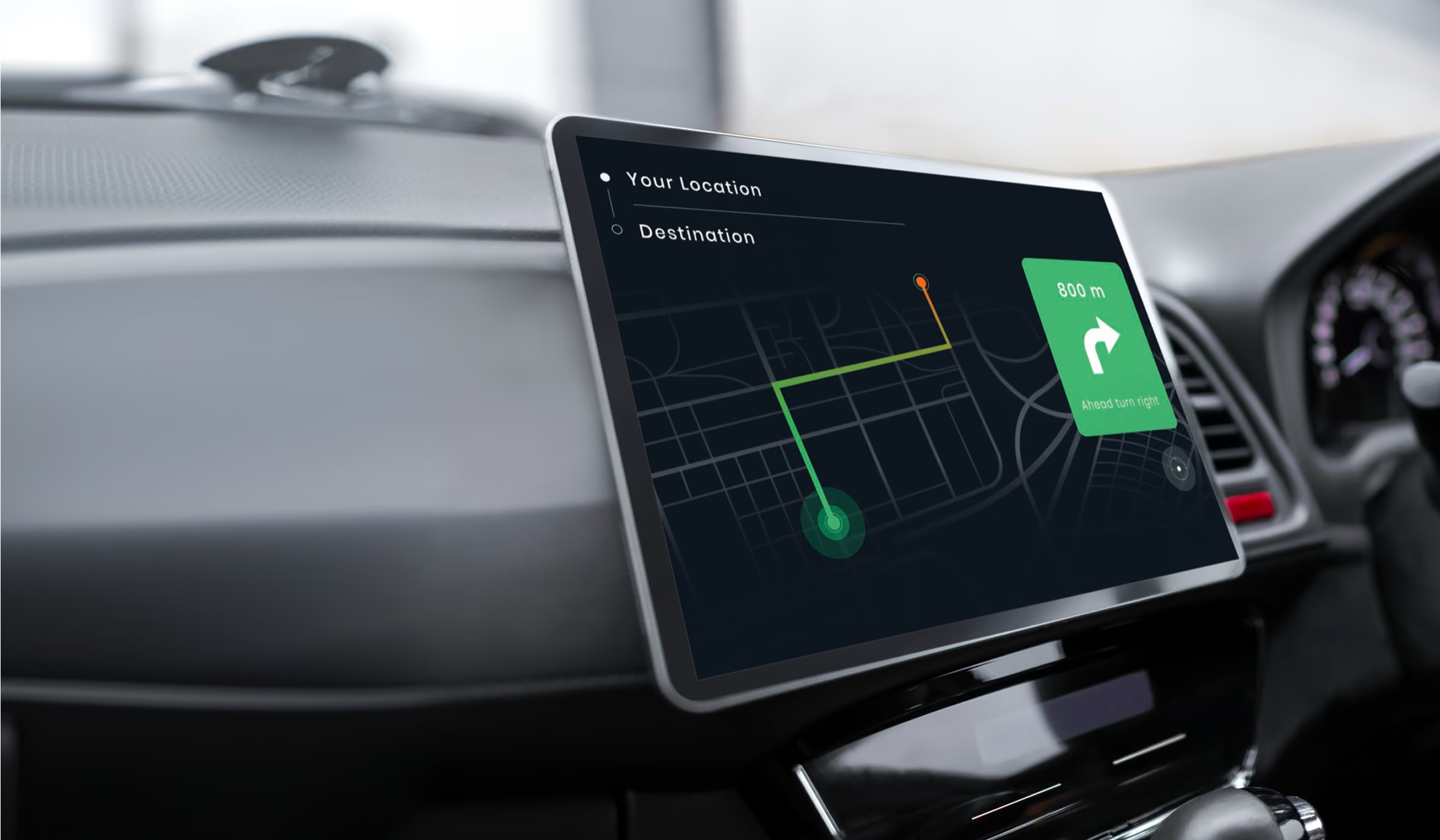
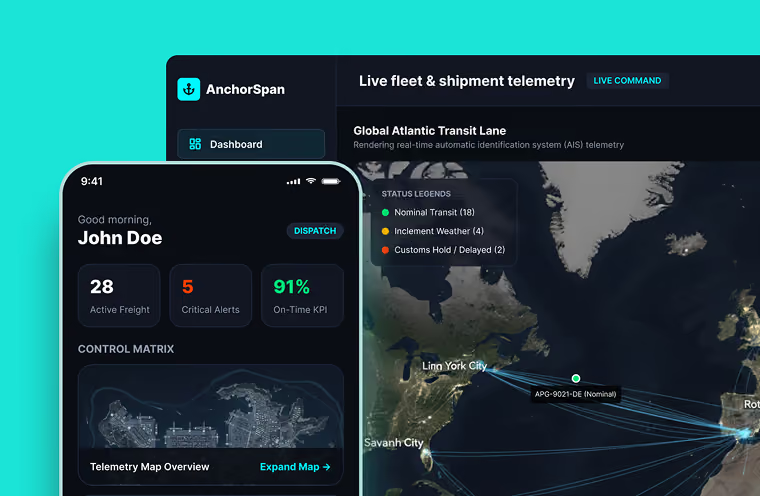
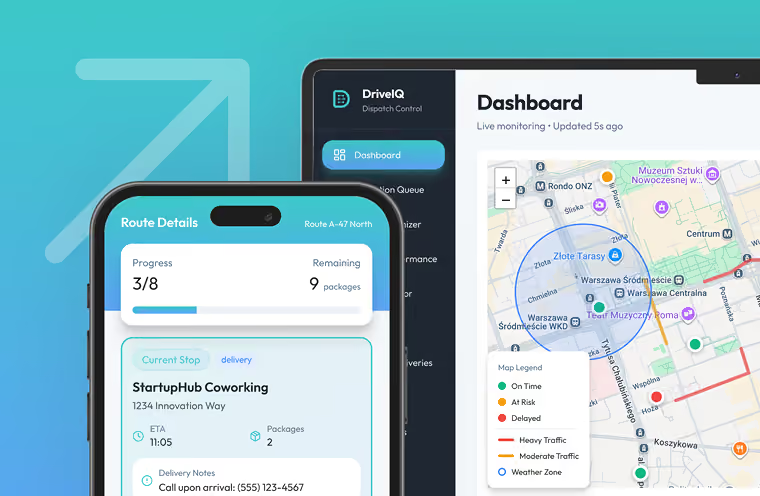
Fleetio holds your work orders, inspections, and repair costs. Fault codes sit in a telematics portal, and invoices sit in accounting, so a failing truck is noticed late and a repair bill is keyed twice. COAX Software is a Fleetio integration company that connects all three. Our DriveIQ pipeline already cleans GPS, EDI, and TMS data for a 500-vehicle fleet.
Industry leaders we work with



What our Fleetio integration development covers
A two-way link to Fleetio
REST calls and webhooks keep assets, meter readings, fuel transactions, and service entries in step with your own systems, so nobody enters the same record in two places.
Fault codes that open service tickets
Our Fleetio telematics integration reads engine hours and diagnostic trouble codes from Samsara, Geotab, Motive, or OEM feeds and raises a Fleetio service reminder before a small fault becomes a breakdown.
Repair costs straight into the ledger
Fleetio ERP integration turns work order costs, vendor repair invoices, and fuel purchases into itemized journal entries in QuickBooks, Xero, or SAP, with no spreadsheet in the middle.
Dispatch that knows vehicle health
Maintenance status appears on the dispatch board, so a truck with an overdue inspection isn’t assigned a load. DriveIQ’s exception queue shows the cause of a problem on a single screen.
Digital DVIR in the driver’s pocket
A mobile app with offline-first caching replaces paper sheets. Drivers photograph damage, log fuel receipts, and confirm identity with face verification before they sign off.
Fuel and parts costs matched to vehicles
Fuel card transactions and parts inventory costs are tied to the right asset and job, so cost per vehicle reflects what was actually spent.
Mixed equipment in one maintenance record
Caterpillar, Komatsu, and Volvo machines report through ISO 15143-3, and their engine hours feed Fleetio meters alongside your trucks and trailers.
Cost dashboards by depot and contract
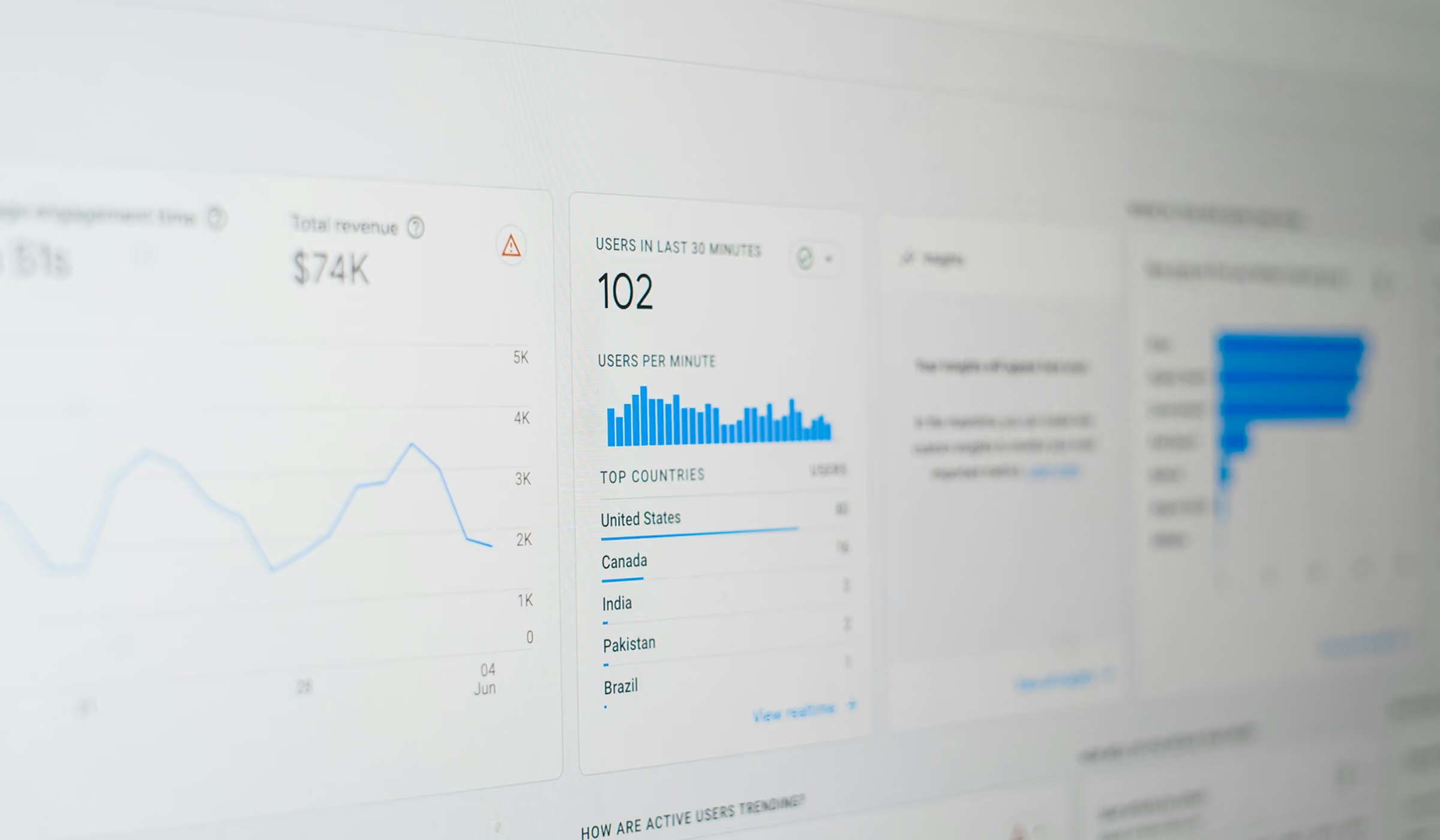
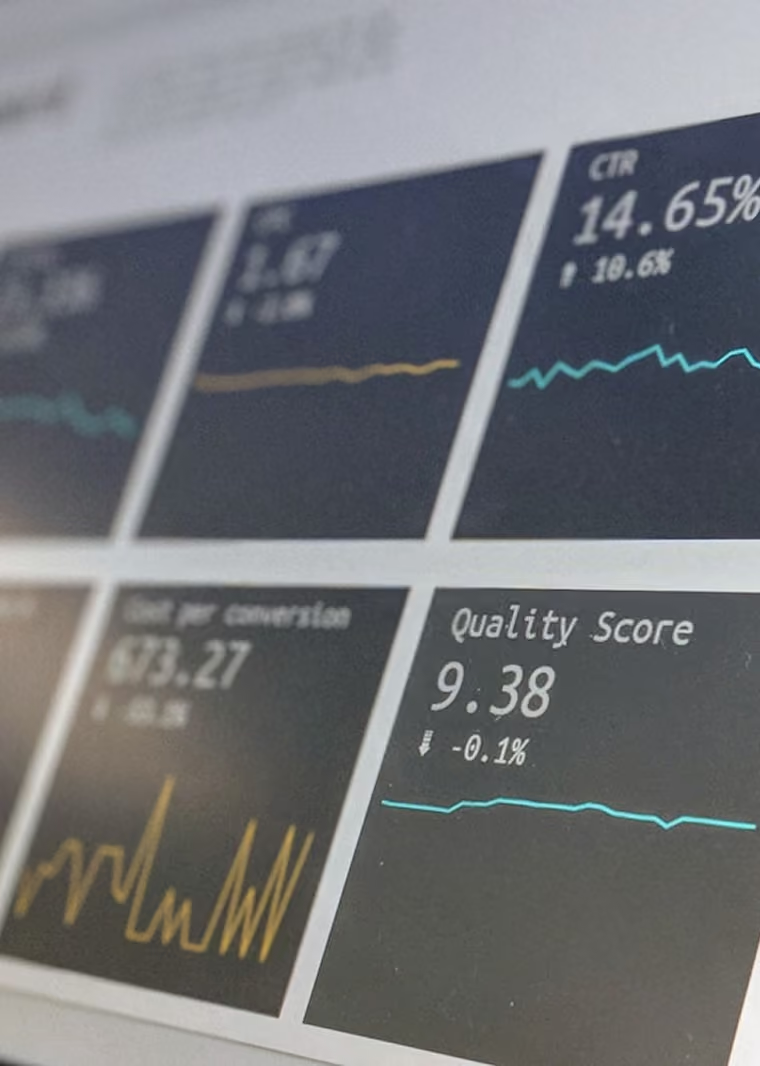
Maintenance data is combined with orders and revenue in dashboards that answer what Fleetio reports alone can’t: cost per mile, per customer, per site.
Map your Fleetio setup and goals
We review vehicles, meters, work order types, inspection forms, and vendors in Fleetio.
Telematics, accounting, and dispatch targets are listed.
What each team needs, and when, is agreed.
Deliverable: integration requirements
Design the data flow
Fleetio records are mapped to your asset, order, and ledger model.
Webhook handling, sync frequency, and history needs are planned.
Duplicate checks, retries, and alerts are designed.
Deliverable: integration design and mapping spec
Build the connectors
Fleetio, telematics, and accounting connectors are built inside a dedicated adapter.
The mobile DVIR app is built where paper still rules.
Credentials sit in a managed vault.
Deliverable: working connectors in test
Test with your real data
Past work orders, fuel entries, and inspections are loaded and reconciled with Fleetio reports.
Edge cases, such as meter resets, split invoices, and replaced devices, are handled.
Volume is tested at full fleet size.
Deliverable: test and reconciliation report
Go live and run in parallel
Live syncs start with monitoring on.
Manual entry continues alongside until the numbers match.
Maintenance, finance, and dispatch teams are trained on the new flow.
Deliverable: live integration
Monitor and extend
Webhook delivery and data freshness are checked every day.
Fleetio API changes are handled before they reach production.
New record types and systems are added as you need them.
Deliverable: monitoring dashboard and roadmap
Results from maintenance and back-office integrations we built










Safeguards around your Fleetio data
Why fleets choose COAX Software for Fleetio integration services
Back-office hours handed back
TRI syncs 100+ active sites with QuickBooks, so approved hours and costs post without a re-keying step.
Fault data that leads to action
DriveIQ’s control tower surfaces the cause of a vehicle problem and a one-click recovery option, and support tickets fell by 35%.
Invoices that follow approvals
DrivenPeople exports approved work to Xero automatically, with driver payouts within 48 hours.
Switchovers without downtime
Re:Plan changed payment providers with zero downtime. We bring the same care when you move telematics providers or API versions.
FAQ
COAX Software does. We connect Fleetio work orders, inspections, meter readings, fuel transactions, and parts costs to your telematics, accounting, and dispatch systems, and we monitor each feed so a gap is caught within minutes, not at the next audit.
Duplicate effort, mismatched costs, and invoices that reach accounting late. Errors also hide until audit time. A Fleetio integration company replaces the double entry with one approved record that posts to the ledger on its own and alerts you if a sync fails.
Pick a team that has proved three things: reliable webhook and API handling, clean links to accounting, and experience with telematics fault data. COAX Software shows them through DriveIQ, TRI, and DrivenPeople, and verified clients rate us 4.9 out of 5 on Clutch.
COAX can. If you build software for fleets, we add Fleetio as a data source inside your product: connectors, sync rules, per-customer access, and screens your users see, alongside feeds from other telematics and maintenance tools.
Nothing, if the build expects it. A Fleetio integration company should queue every event, remove duplicates, retry on failure, and backfill any gap from the API, so a missed or repeated message never creates a double work order or a lost cost.
We can. Telematics fault codes open service entries in Fleetio, completed work orders and vendor invoices become journal entries in QuickBooks, Xero, or SAP, and meter readings flow back to your fleet systems, all without anyone retyping a line.
COAX Software specializes in fleet data pipelines and back-office automation, with 16 years in transport and logistics. DriveIQ’s data layer, TRI’s QuickBooks sync, and DrivenPeople’s Xero invoicing are the nearest examples of that work.
Our closest published cases are TRI, where back-office admin dropped from 40 hours to 5 a week, and DriveIQ, where diagnosis time fell from 12 minutes to under 3. A Fleetio-specific case isn’t published yet, and we’d rather say so than overstate it.










What’s Next?
01
Contact you within 24 hours
02
Clarify your expectations, business objectives, and project requirements