















































Travel cloud migration company
Legacy travel systems are often fragile relics: stable on quiet days, but prone to crashing during peak traffic. Every slow load directly costs you bookings. COAX Software is a travel cloud migration company that moves booking engines, back offices, and customer portals to the cloud with zero downtime. You get infrastructure that scales with demand and remains under your ownership.
Industry leaders we work with



Our travel cloud migration services
Migration assessment and plan
We list every server, database, integration, and scheduled job you run today, along with what depends on what. You get a migration plan with risks, costs, and the order of moves before anything changes.
Step-by-step migration
Your old platform keeps taking bookings while new cloud services take over its functions one by one. Traffic shifts gradually, and each step can be reversed if the numbers look off.
Cloud-native booking services
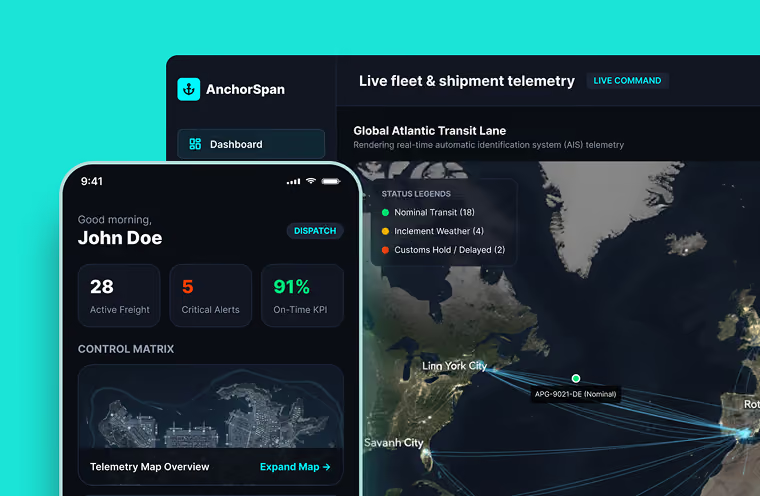
New parts of your platform are built as small, containerized services on AWS ECS or Lambda. Availability, pricing, and booking logic can each scale and deploy on their own schedule.
Scaling for launches and peak season
A creator post or a flash sale can multiply traffic within minutes. Auto-scaling adds capacity as visitors arrive and releases it when they leave, so you pay for busy hours only when they happen.
Database migration and tuning
Booking and payment data moves to managed PostgreSQL on AWS RDS, with Redis caching for the queries travelers hit most. Slow queries get fixed along the way.
Release pipelines and automated testing
Every change goes through automated builds, regression tests in Cypress, and load tests in JMeter before it reaches travelers. Releases become routine events your team can schedule any day of the week.
Security and data residency
Guest data is encrypted, card details are tokenized, and personal data stays in the regions your GDPR obligations require. Backups and recovery steps are tested, written down, and ready to use.
Cost control and monitoring
We right-size servers, switch idle workloads to serverless, and set up CloudWatch dashboards and alerts. Infrastructure is written as code in Terraform or CloudFormation, so your team owns and can rebuild every piece.
Take inventory
We find out exactly what you’re running and how it connects.
Servers, databases, supplier integrations, and scheduled jobs all get listed.
Hidden dependencies come to light before they cause trouble.
Deliverable: system inventory, dependency map
Choose the first piece to move
Some parts are safe to move early. Others need more care.
We start where the gain is clear, and the risk is low.
Every later step builds on that first success.
Deliverable: migration sequence, risk register
Prepare the cloud foundation
Accounts, networking, access rules, and security go in first.
Everything is defined as code from the start.
Monitoring is switched on before any traffic arrives.
Deliverable: cloud foundation, infrastructure code
Move and shift traffic
Services move one at a time, with old and new running side by side.
A small share of real traffic tests each move before the rest follows.
A rollback stays ready at every step.
Deliverable: migrated services, cutover log
Load test before the busy season
We simulate your heaviest day before it actually comes.
Booking, payment, and search flows are pushed past expected peaks.
Weak spots are fixed while there’s still time.
Deliverable: load test report, capacity plan
Retire old servers and tune costs
Once everything runs in the cloud, the old servers are switched off.
Usage is reviewed, and resources are right-sized.
Your team gets the runbooks and code to manage it independently.
Deliverable: decommission sign-off, cost report, runbooks
Stack behind our cloud migration for travel















What backs our travel cloud migration services
Why choose COAX Software as your travel cloud migration company?
Bookings keep flowing during the move
Old and new systems run in parallel, and real traffic shifts over gradually. Travelers keep searching and paying the whole time, and your team never has to schedule a blackout weekend.
Ready for launch-day crowds
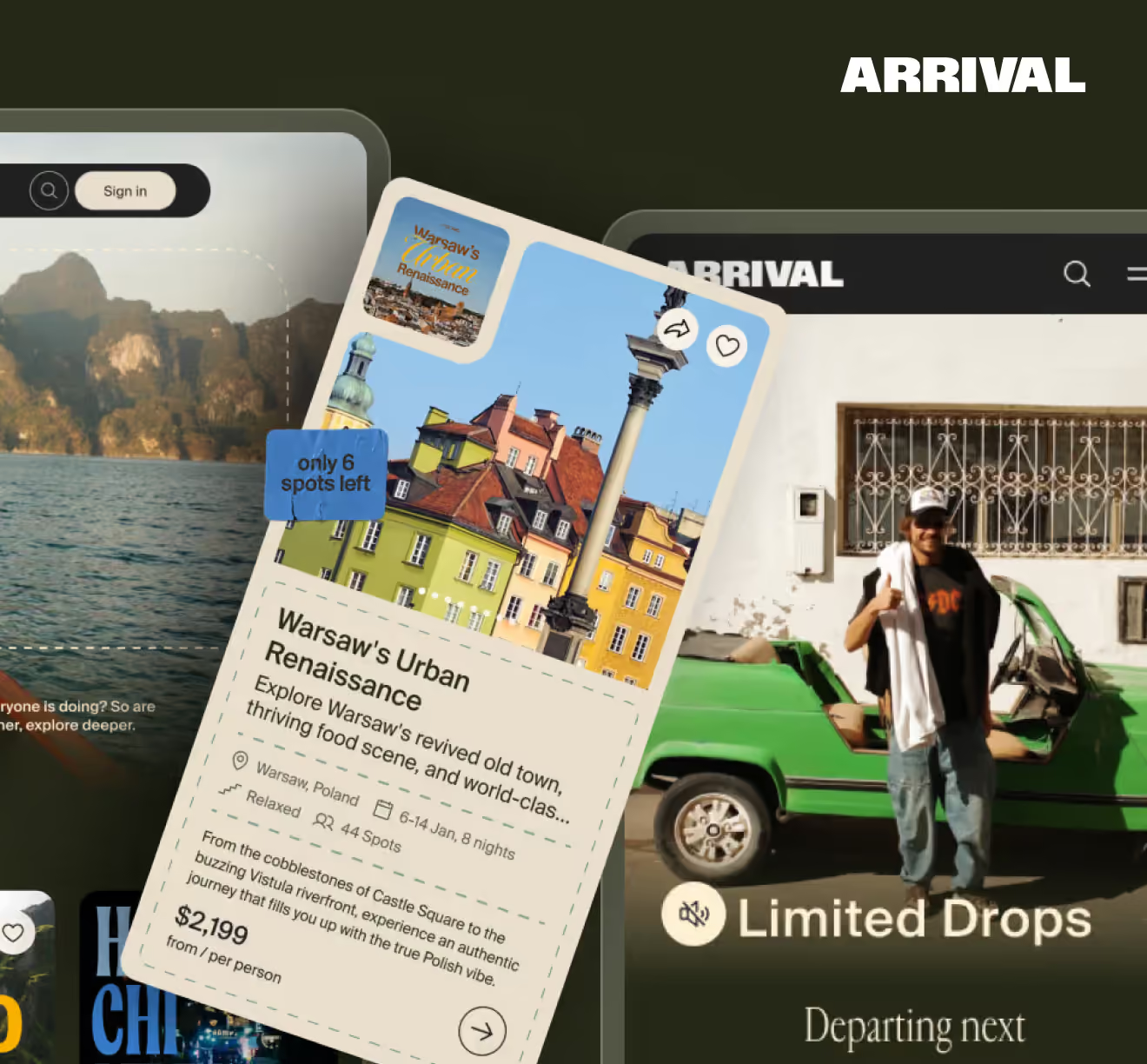
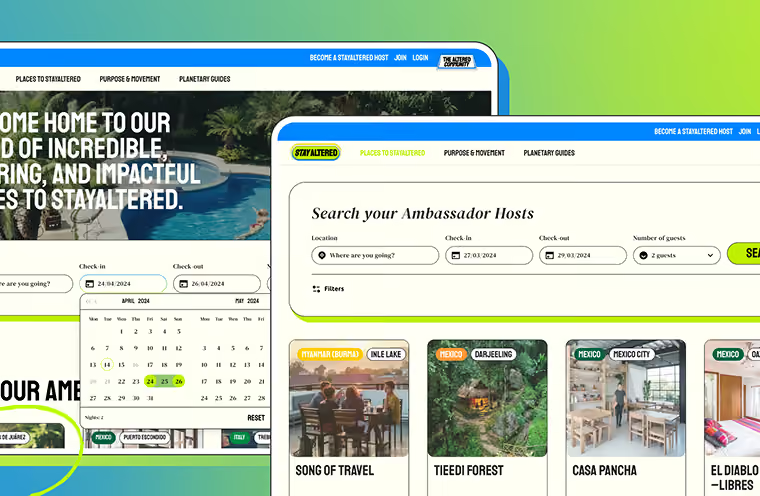
ARRIVAL’s platform took in 120,000+ sessions before it officially opened. We plan capacity for the day your audience shows up all at once.
Careful with long-lived data
Some travel records stay active for years, like Krytter’s bookings made far in advance and paid in installments. We check every balance and payment record after each move.
Infrastructure you can rebuild yourself
Every server, network rule, and pipeline is written as code and handed to your team. Switch providers, add a region, or bring in a new team whenever you choose.
FAQ
COAX Software does. Our travel cloud migration company cover the assessment, a staged migration plan, the move itself, load testing, and cost tuning afterward. AWS-certified architects lead every project.
COAX Software develops it with an in-house team of 100+ specialists. We’ve built cloud-hosted booking platforms, travel CRMs, and back offices, including ARRIVAL, MICRM, and Krytter. Each one is designed to scale with demand from the start.
COAX Software can. Our approach to cloud migration for travel platforms moves one service at a time, with the old system still taking bookings until the new one proves itself. Every step has a rollback ready.
Look for a team with certified cloud engineers, live travel platforms under real traffic, and audited security processes. COAX Software is a travel cloud migration company with all three: AWS and Google Cloud certifications, platforms like ARRIVAL serving 20,000 weekly active users, and ISO/IEC 27001 and ISO 9001 certification.
COAX Software can. Our cloud development travel practice builds booking engines, customer portals, and back offices as cloud-native services from day one. You own the code and the infrastructure scripts behind it.
Rarely. Some parts can move as they are, some need light changes, and only the pieces holding you back get rebuilt. The assessment shows which parts fall into each group.
Often, but savings depend on how the setup is designed. Auto-scaling and serverless functions cut spending during quiet periods, while a poorly planned move can cost more than before. We estimate running costs during the assessment so you can decide with real numbers.








What we’ll do next?
1
Contact you within 24 hours
2
Clarify your expectations, business objectives, and project requirements
3
Develop and accept a proposal
4
After that, we can start our partnership