













































































































EV charger integration company
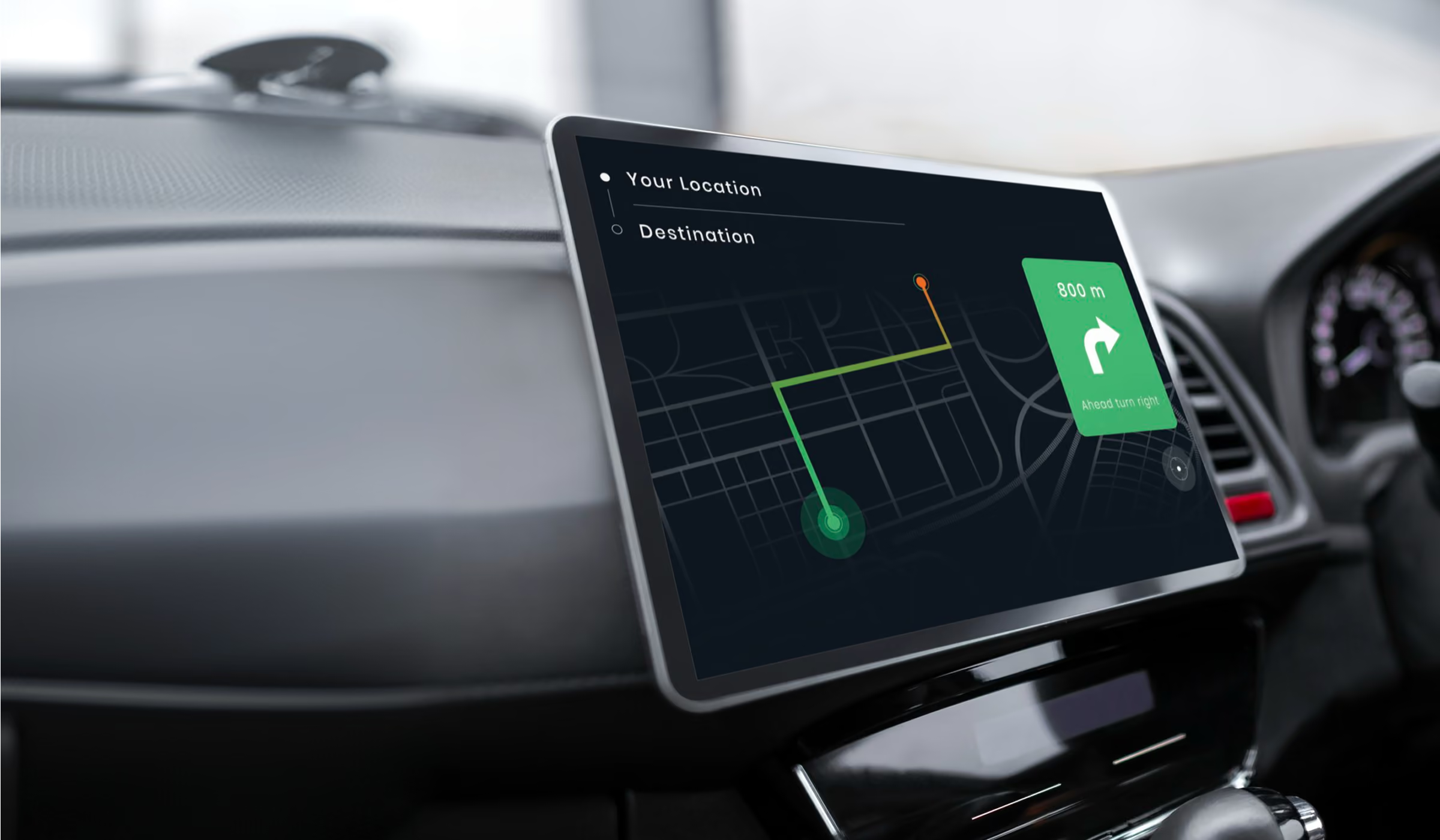
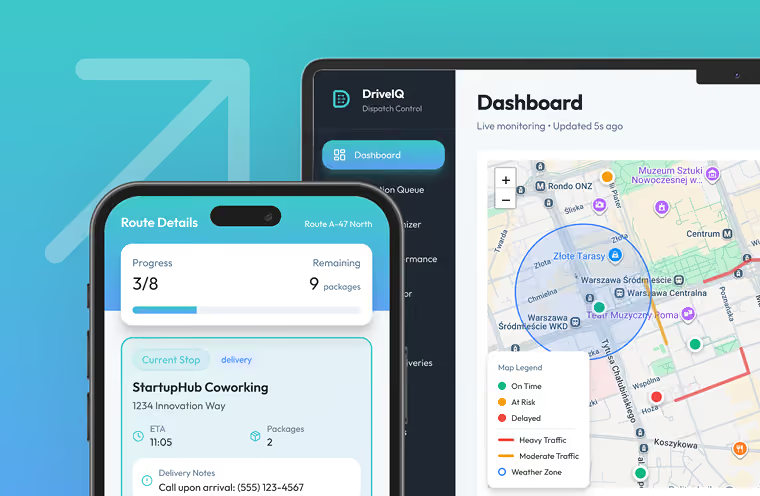
Your depot runs chargers from three brands, each with its own portal. Your fleet software can’t tell which bay is faulty, which van got only half a charge, or what last night’s sessions cost, so someone walks the yard every morning to check. COAX Software is an EV charger integration company that connects every charger to the systems your team already uses, through OCPP or the manufacturer’s API. We build on the same real-time pipelines that process 2 million GPS events a day on DriveIQ.
Industry leaders we work with


What our OCPP integration development covers
Your own charger management backend
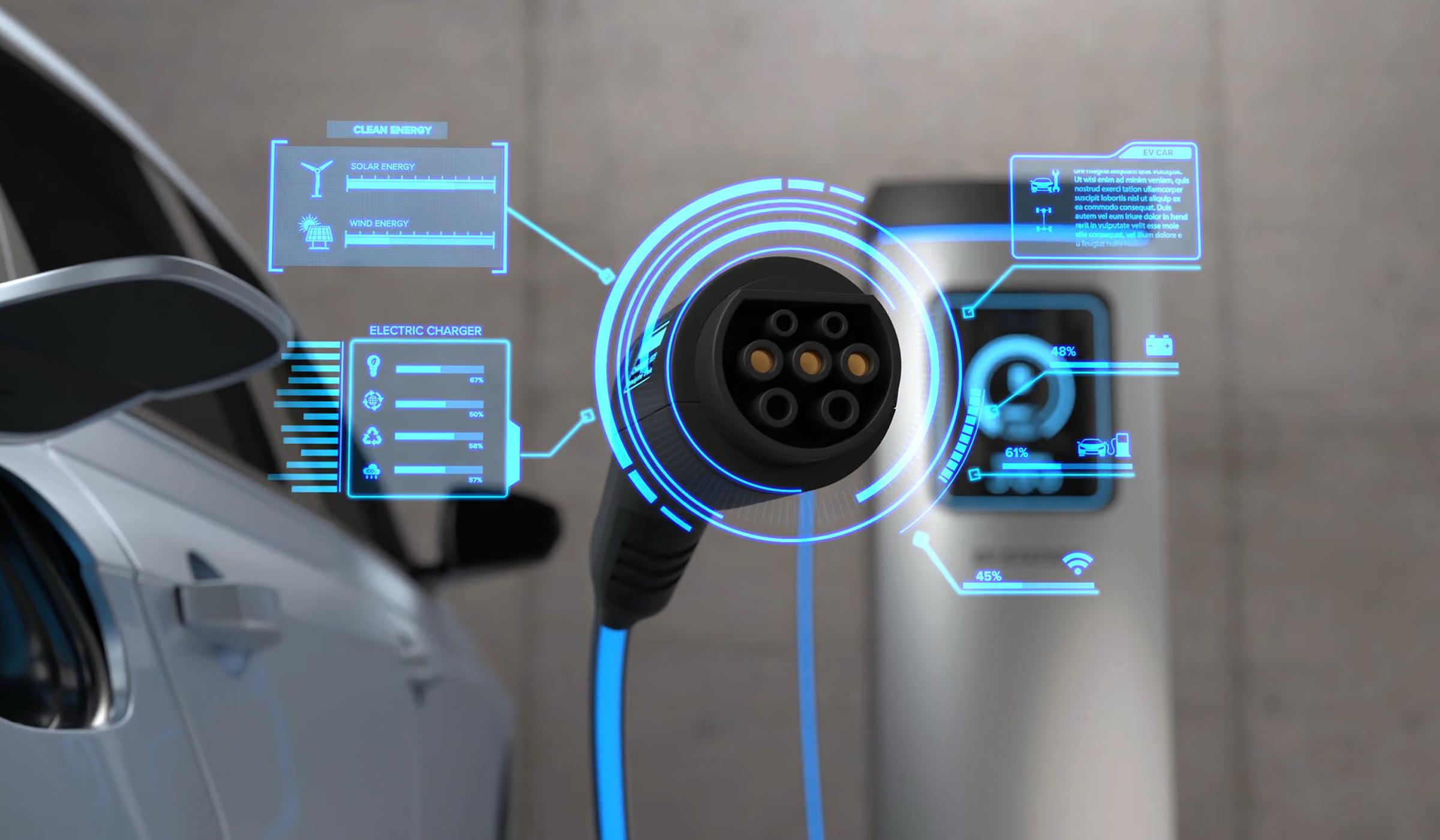
Through OCPP backend development, chargers connect directly to a system you control, reporting start-up, status, faults, and meter readings over secure connections, with support for both OCPP 1.6 and 2.0.1.
ChargePoint and other cloud-managed chargers
Many chargers report to their manufacturer’s cloud rather than to you. Our ChargePoint API integration brings those sessions and status updates into the same data model as your directly connected chargers.
Sessions linked to vehicles and drivers
Charging cards, ID tags, and vehicle records are mapped, so every session shows which vehicle charged, how much energy it received, and who started it.
Faults, uptime, and remote actions
Your team sees offline or faulty bays immediately and can restart a charger, stop a session, unlock a connector, or schedule a firmware update without visiting the site.
Charging limits sent to chargers
Power limits and schedules from your fleet or energy rules are sent to each charger, so sessions stay within site capacity and match departure plans.
Energy costs per session and vehicle
Energy delivered and its cost are recorded per session, vehicle, and depot, then sent to Xero, QuickBooks, or your ERP. For public or shared charging, payments can run through providers like Stripe.
Charger data inside your fleet tools
Readiness boards, dispatch screens, and reports show charge status next to routes and vehicles, so planners never assign a van that isn’t ready.
Mixed brands and safe migrations
Chargers of different brands and protocol versions sit behind one model, and moving chargers from a vendor’s backend to yours happens in batches with a way back, the same care we used when Re:Plan switched providers with zero downtime.
Inventory every charger
Brands, models, firmware, and supported protocol versions are listed.
Current backend contracts and portal access are reviewed.
Depot power limits and network setup are recorded.
Deliverable: charger inventory and constraints
Choose the route for each charger
Direct OCPP connection or vendor API is decided per model.
Security requirements and certificates are planned.
Data needed by fleet, finance, and maintenance teams is agreed.
Deliverable: connection plan
Build the backend and adapters
The OCPP backend handles connections, messages, and commands.
Vendor adapters pull data from cloud-managed chargers.
Everything maps into one session and status model.
Deliverable: working backend and adapters
Test with simulators and test chargers
Charger simulators reproduce normal and faulty behavior.
A few real chargers are connected in a test setup.
Edge cases, such as lost connections mid-session, are covered.
Deliverable: test report
Move chargers in batches
Chargers are pointed to the new backend a few at a time.
Sessions are compared with the old portal.
Each batch has a rollback option.
Deliverable: migrated chargers and comparison log
Monitor and maintain
Connections, faults, and data gaps are tracked.
Firmware and protocol changes are handled.
New chargers and brands are added as depots grow.
Deliverable: monitoring dashboard and support plan
Proven integration foundations behind our charger work
2 million
Events processed every day on DriveIQ’s real-time data pipeline
3 weeks → 2 days
Time to connect a new partner on AnchorSpan through standard adapter
5
Payment providers running across 3 currencies on Re:Plan
400+
Operators on Driven Connect, where energy and emissions are calculated per route







Safeguards around your chargers and energy data
Why fleets choose COAX Software as their EV charger integration company
Real-time pipelines at fleet scale
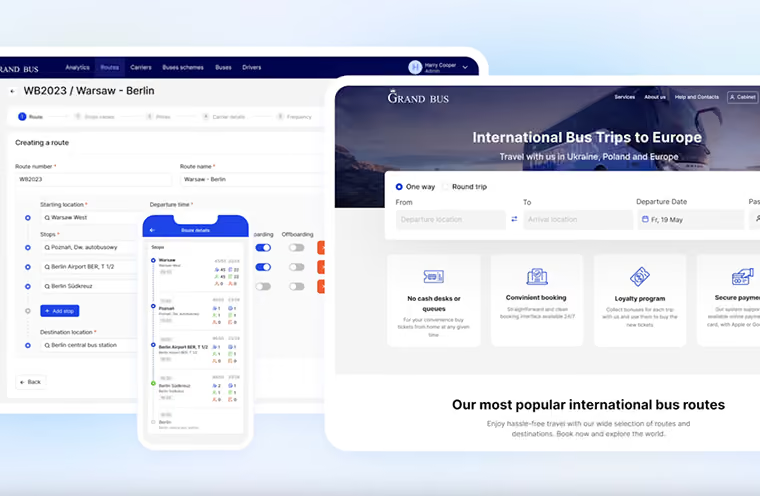
DriveIQ processes 2 million events a day without slowing down. Charger status and meter readings need the same reliability.
Many sources, one model
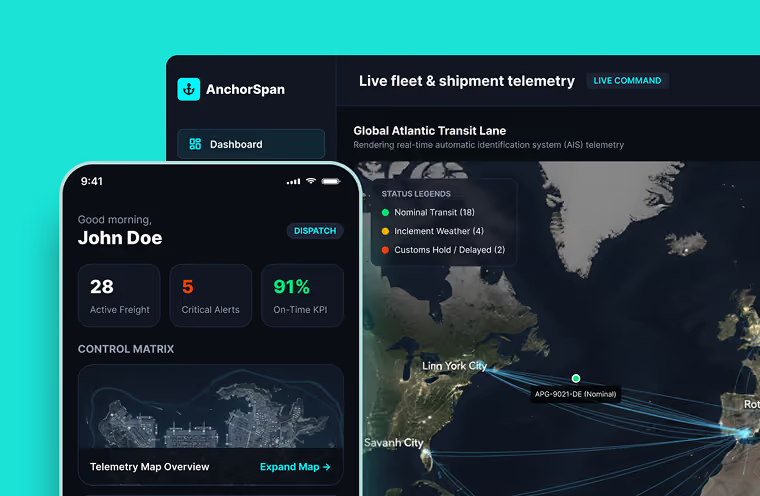
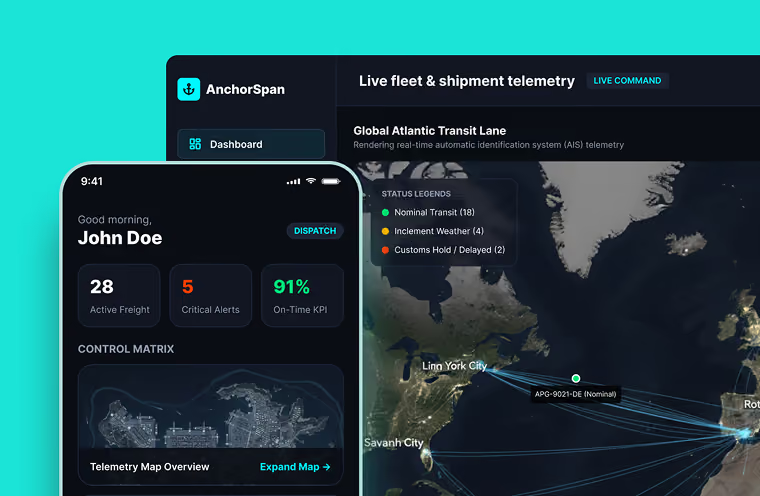
AnchorSpan merges RFID scans, vessel data, and truck telematics into one stream, and connects new partners in two days. Mixed charger brands follow the same pattern.
Backend switches without disruption
Re:Plan moved to a new payment provider with zero downtime. We bring that care to moving chargers from vendor portals to your own backend.
Energy turned into costs and reports
Driven Connect calculates energy use and emissions per route, and DrivenPeople sends approved records to Xero automatically. Charging costs follow the same path.
Frequently asked questions and answers
COAX Software is an EV charger integration company that builds OCPP backends, connects cloud-managed chargers through vendor APIs, links sessions to vehicles and drivers, and feeds charger status and costs into fleet, energy, and accounting systems.
Look for a team that handles real-time device connections reliably, understands both direct and vendor-cloud charger setups, and can turn charging data into fleet and finance workflows. COAX Software brings real-time pipeline experience from DriveIQ and adapter experience from AnchorSpan and Re:Plan, and is rated 4.9/5 on Clutch.
COAX can. For fleet software vendors, we build an OCPP backend for directly connected chargers and adapters for cloud-managed brands, all feeding one session and status model that your product can use for every customer.
COAX Software can. With OCPP integration, each charger is pointed to your backend, which records sessions, faults, and meter readings, links them to vehicles, and passes charge status to your fleet software. We test on simulators first and move chargers in batches so the depot keeps running.
COAX Software specializes in real-time fleet data and integration, with 16 years of transport and logistics work. Our relevant experience includes DriveIQ’s data pipeline, AnchorSpan’s multi-source adapters, Re:Plan’s zero-downtime provider switch, and Driven Connect’s energy and emissions calculations.
COAX Software has published closely related cases: DriveIQ processes 2 million events a day, AnchorSpan connects new partners in two days instead of three weeks, and Re:Plan switched providers with zero downtime. We haven’t yet published an EV charger integration case, and we’d rather say so openly.
It depends on the model and your contract. Many ChargePoint stations are managed through ChargePoint’s own cloud, so data usually comes through its APIs rather than a direct OCPP connection, while some models can connect to other backends. A good EV charger integration company checks each charger first and uses whichever route works.
Most installed chargers support OCPP 1.6, which is widely proven. OCPP 2.0.1 adds stronger security and better device management, and newer chargers increasingly support it. Many fleets run both, so the backend should handle each charger in the version it speaks.











What’s Next?
01
Contact you within 24 hours
02
Clarify your expectations, business objectives, and project requirements