












































































































Marketing analytics for transportation software
Your CFO asks which channels produced last quarter’s fleet deals. Marketing shows clicks, sales shows closed revenue, and nothing links the two. COAX Software sets up marketing analytics for transportation software that traces every deal back to its sources and forward to the vehicles it brought onto your platform, so budget decisions rest on evidence.
Industry leaders we work with



Plenty of data gets collected. Why can’t anyone answer the simple questions?
Transport software deals take months, involve several people, and close offline. By the time a contract is signed, the original click is long forgotten and the tools that recorded it disagree about what happened.
Every dashboard tells its own story
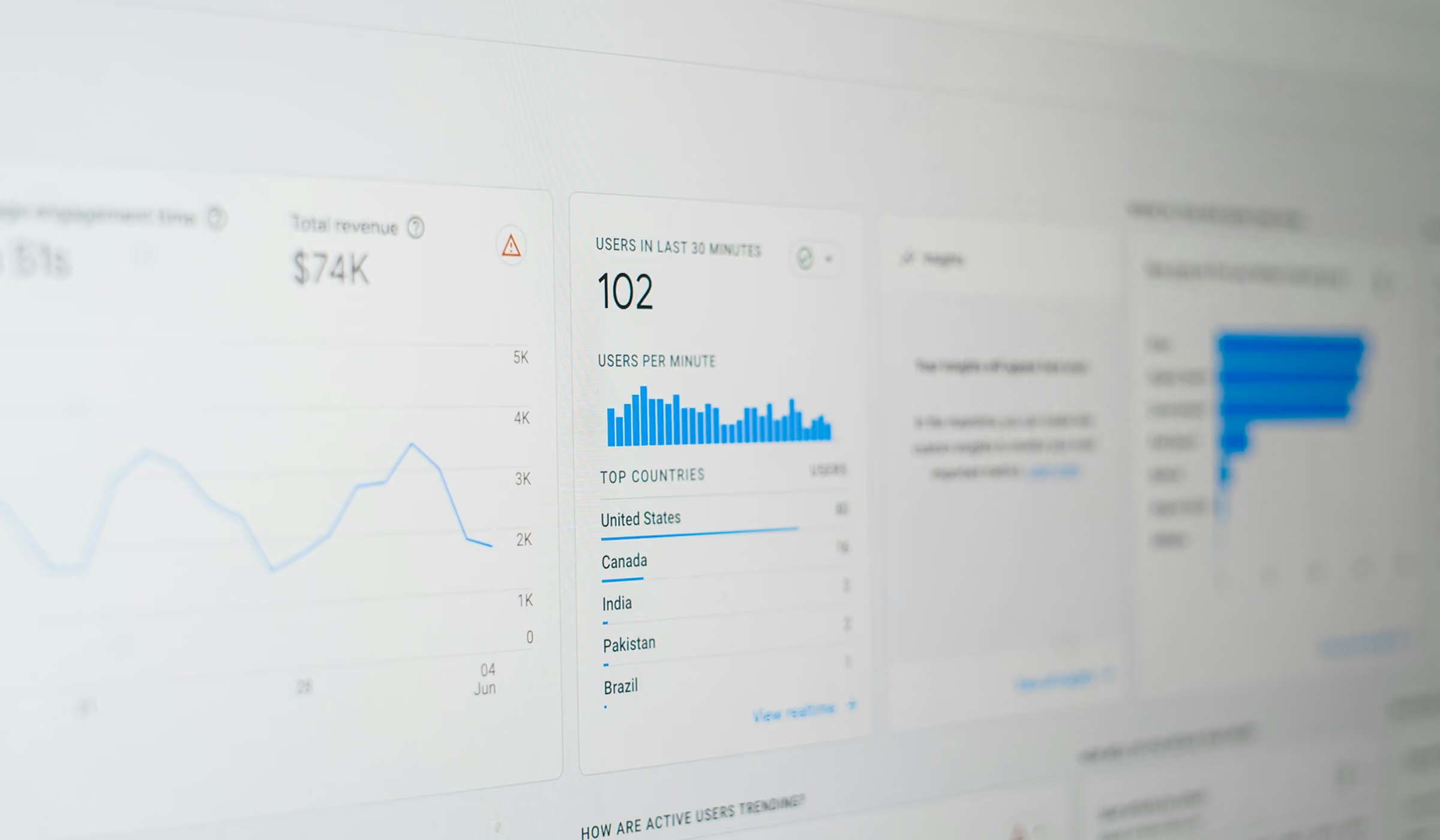
GA4, HubSpot, and the ad platforms report different numbers for the same month. Meetings turn into debates about whose report to trust.
The last click takes all the credit
A webinar, three LinkedIn ads, and a comparison page did the persuading. The branded search right before the demo gets the trophy.
Deals counted, fleets forgotten
A signed contract with two vehicles looks the same as one with two hundred. Nobody can see which channels bring fleets that actually go live.
Gaps where data should be
Untracked forms, missing UTMs, consent issues, and broken tags quietly erase part of every journey. Decisions get made on half the picture.
Measured outcomes from platforms we built and grew
40%
Profit growth at MICRM after its travel CRM and analytics platform went live
~99%
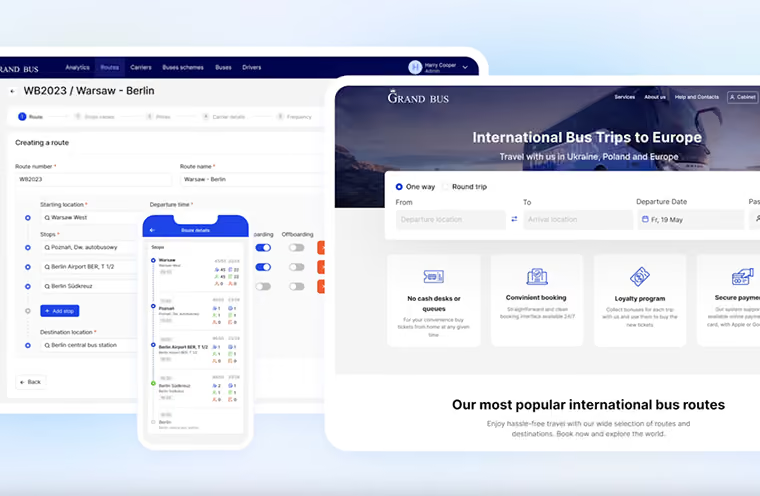
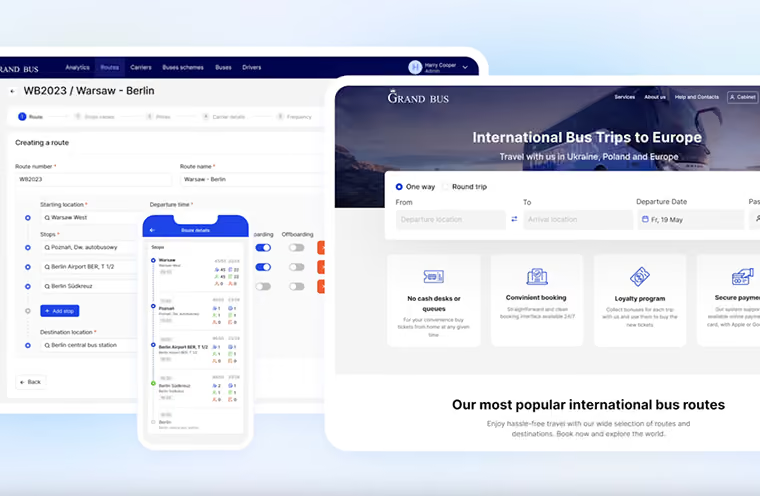
Route reporting accuracy at GrandBus once paper logs became tracked data
95%
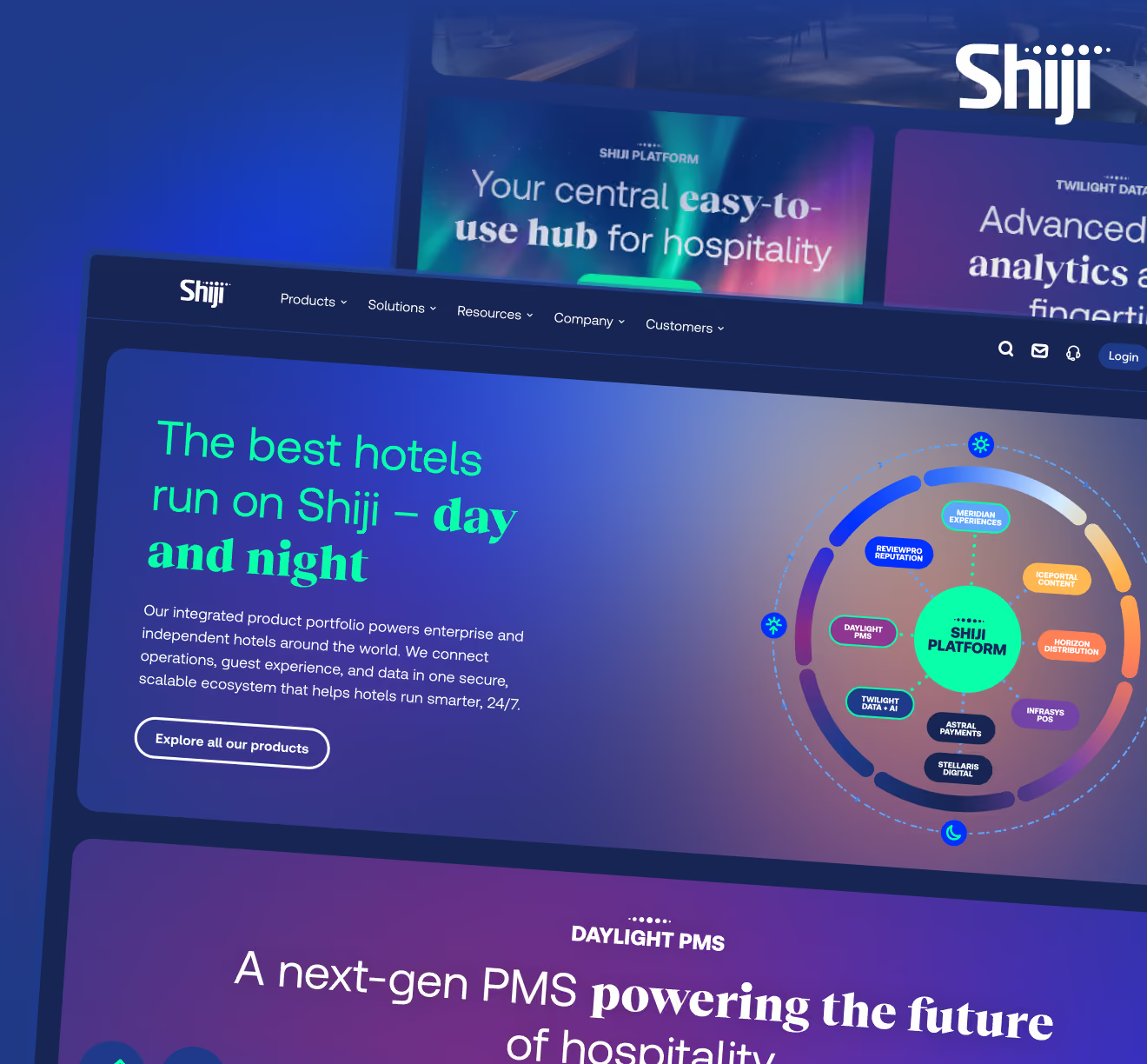
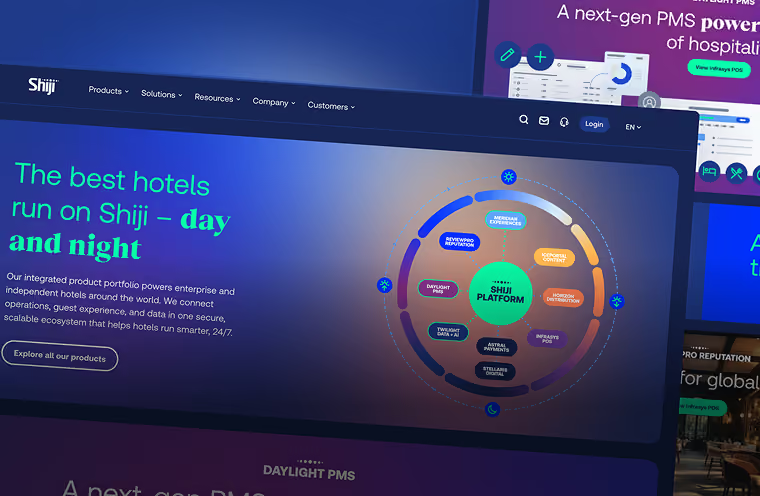
Organic traffic increase for Shiji, measured after its new website launched
20,000
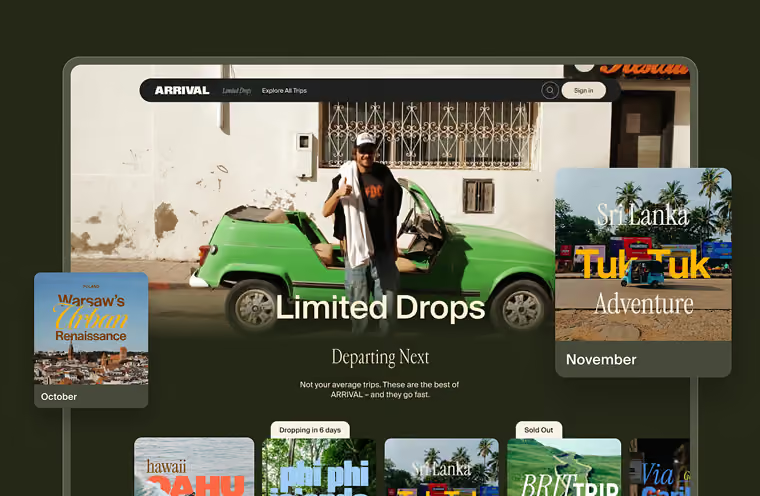
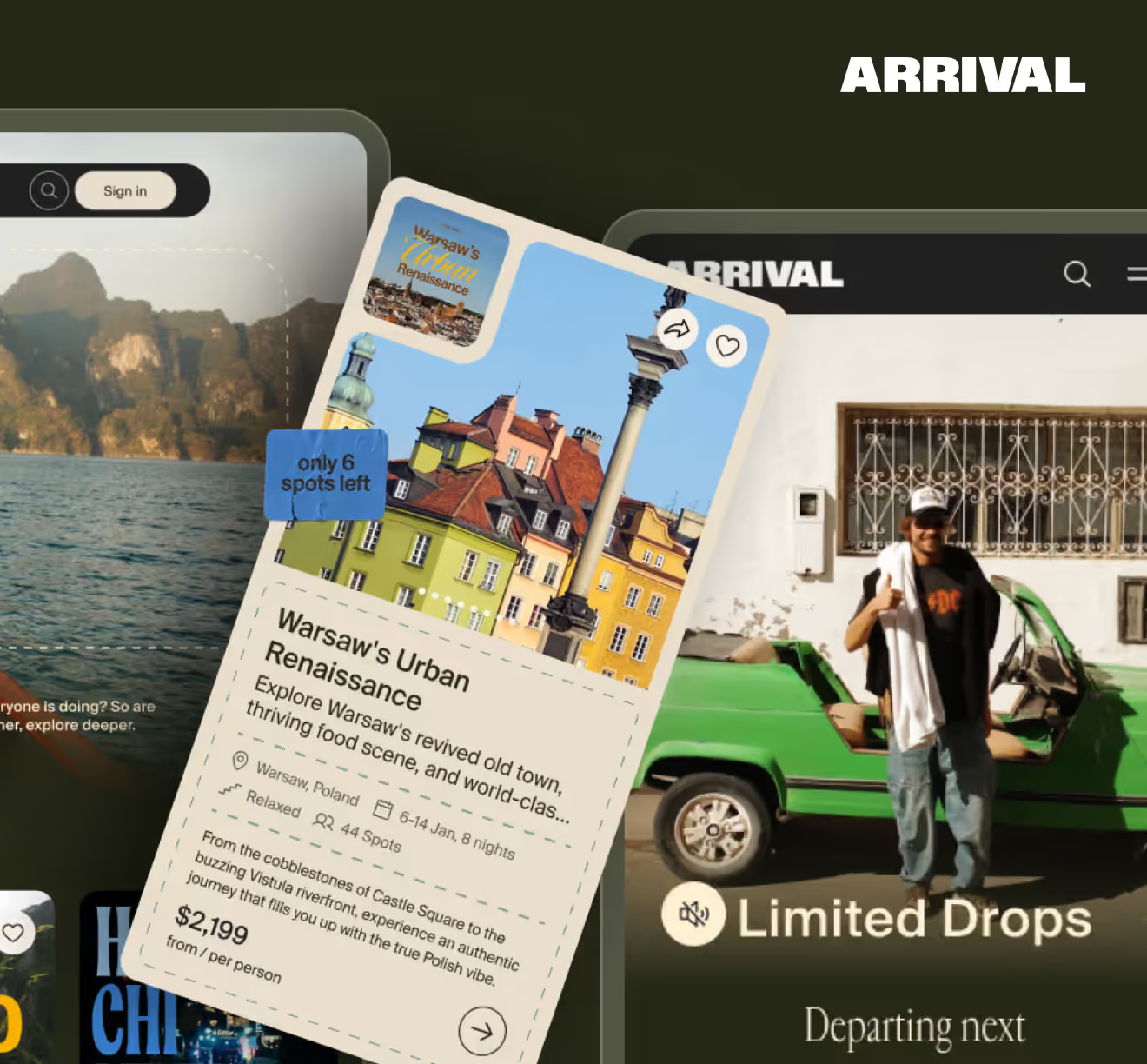
Weekly active users on ARRIVAL, tracked from the first day of launch
Marketing analytics services for transportation software companies
Tracking audit and plan
A review of current tracking and a clear plan for what to capture next.
GA4 and Tag Manager setup
Clean events, UTM rules, consent settings, and server-side tagging.
HubSpot attribution
Multi-touch models, lifecycle stages, and account-level reporting.
CRM and product data connection
Pipelines that join marketing, sales, and product usage data.
Dashboards and reporting
Views for leadership, marketing, and sales built in Metabase or Looker Studio.
Ongoing analytics support
Monthly reviews, tracking updates, and help with new campaigns.
Audit what’s tracked today
GA4, Tag Manager, HubSpot, and ad accounts are reviewed together.
Missing events, broken tags, and duplicate contacts are listed.
Each gap gets a size and a fix.
Deliverable: tracking audit
Agree on definitions
Marketing, sales, and finance settle what counts as a lead, a qualified opportunity, and an activated customer.
Lifecycle stages are mapped in the CRM.
Everyone signs off before anything is rebuilt.
Deliverable: shared metric definitions
Rebuild the tracking
Events, UTMs, and consent settings are implemented.
Forms and calculators send clean data to HubSpot.
Every change is tested before going live.
Deliverable: updated tracking setup
Connect CRM and product data
Ad platforms, CRM, and product usage data are linked.
Offline conversions flow back to Google and LinkedIn.
Account records combine all activity from each company.
Deliverable: connected data model
Build the dashboards
Reports for leadership, marketing, and sales are designed together.
Each dashboard answers specific weekly questions.
Data quality checks run automatically.
Deliverable: live dashboards
Review and act every month
Channel performance is reviewed against pipeline and revenue.
Budget moves toward what produces activated customers.
Tracking gets updated as new campaigns launch.
Deliverable: monthly insights report
Who our marketing analytics for transportation software is for
Marketing leaders defending their budget
Leadership wants proof, and current reports can’t provide it. We build the evidence that shows which programs create revenue.
Revenue operations without data engineers
You know what the reports should show but lack people to build the pipelines. We bring the engineering and stay to maintain it.
Teams after a tool change
A move to GA4 or HubSpot left gaps and broken history. We rebuild tracking properly and reconnect what was lost.











Why transport SaaS companies trust COAX Software with marketing analytics for transportation software
FAQ
COAX Software does. We repair tracking in GA4 and Tag Manager, set up attribution in HubSpot, connect CRM and product data, and build dashboards that leadership trusts. Our team also builds transport software, so we know which product milestones belong in your reports.
Choose a team that can connect the two tools properly, send CRM outcomes back to ad platforms, and build data pipelines when the native integrations fall short. COAX Software does all three and is rated 4.9/5 on Clutch.
They count different things in different ways. GA4 measures sessions and events, HubSpot measures contacts and deals, and each handles consent and duplicates differently. Good marketing analytics for transportation software doesn’t force them to match. It defines which tool answers which question and connects them where it counts.
Yes, multi-touch attribution is a core part of our work. We configure models in HubSpot that suit long transport sales cycles, combine touches from everyone at an account, and add self-reported sources to capture channels tracking tools miss.
Mobility platforms often need to measure two sides at once, operators joining and customers booking. We track both separately and show how they balance by region. Our experience building Driven Connect’s marketplace informs which signals matter on each side.
Often only partly. Common issues include tags firing before consent, personal data in URLs, and unclear retention settings. Our marketing analytics for transportation software setup reviews each of these and fixes them while keeping as much measurable data as privacy rules allow.
COAX Software has built data-heavy travel and transport products, including MICRM’s travel CRM and analytics platform and GrandBus’s digital route reporting. We haven’t published a marketing attribution case study for a transport client yet, and we’d rather say that plainly. Our product work gives us a clear sense of which numbers matter to your business.










What we’ll do next?
1
Contact you within 24 hours
2
Clarify your expectations, business objectives, and project requirements
3
Develop and accept a proposal
4
After that, we can start our partnership