








































AnchorSpan
AnchorSpan: one system for warehouse, port, and delivery visibility

Logistics & Transportation
Services:
The team
8
Backend Developer (Node.js)
Frontend Developer (React.js)
Mobile Developer (React Native)
Data Engineer
DevOps Engineer
QA Engineer
UI/UX Designer
Project Manager
Technologies
Integrations
Port community systems (PCS)
Ocean carrier tracking APIs
RFID integration
Customs & EDI feeds
Trucking telematics providers
Timeline: 8 months
Share:
Customer profile
AnchorGrow Cargo Group ships 40,000 containers a year across two port terminals and six inland warehouses. Founded in 2014, the company grew fast, and its systems grew alongside it in an uncoordinated way. Warehouse inventory, vessel status, and trucking updates each sat in a separate tool, with no shared record connecting them.
Obstacles were daily. A single shipment could cross four separate systems before it reached a customer. Warehouse software tracked pallets, a port feed tracked vessel arrivals, and dispatch tracked trucks. The main problem was that nothing tracked the shipment as a whole.
The first fix AnchorGrowth tried was a combined dashboard that pulled all three feeds into a single view. That solved status reporting. It didn't solve the prediction problem, though. Dispatchers still learned about a delay only after it had already happened, often around the same time the client company representatives already called to ask about it.
COAX Software was brought in to close that gap. RFID scans, vessel pings, and telematics data needed to flow through one pipeline, without losing or duplicating any of it.
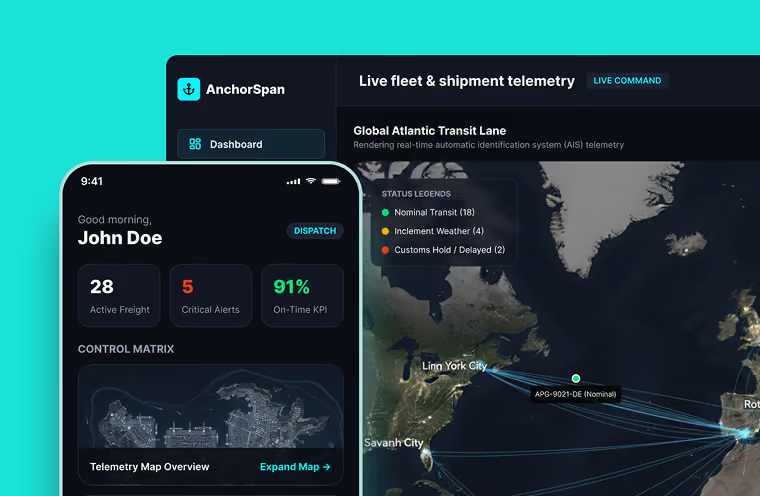
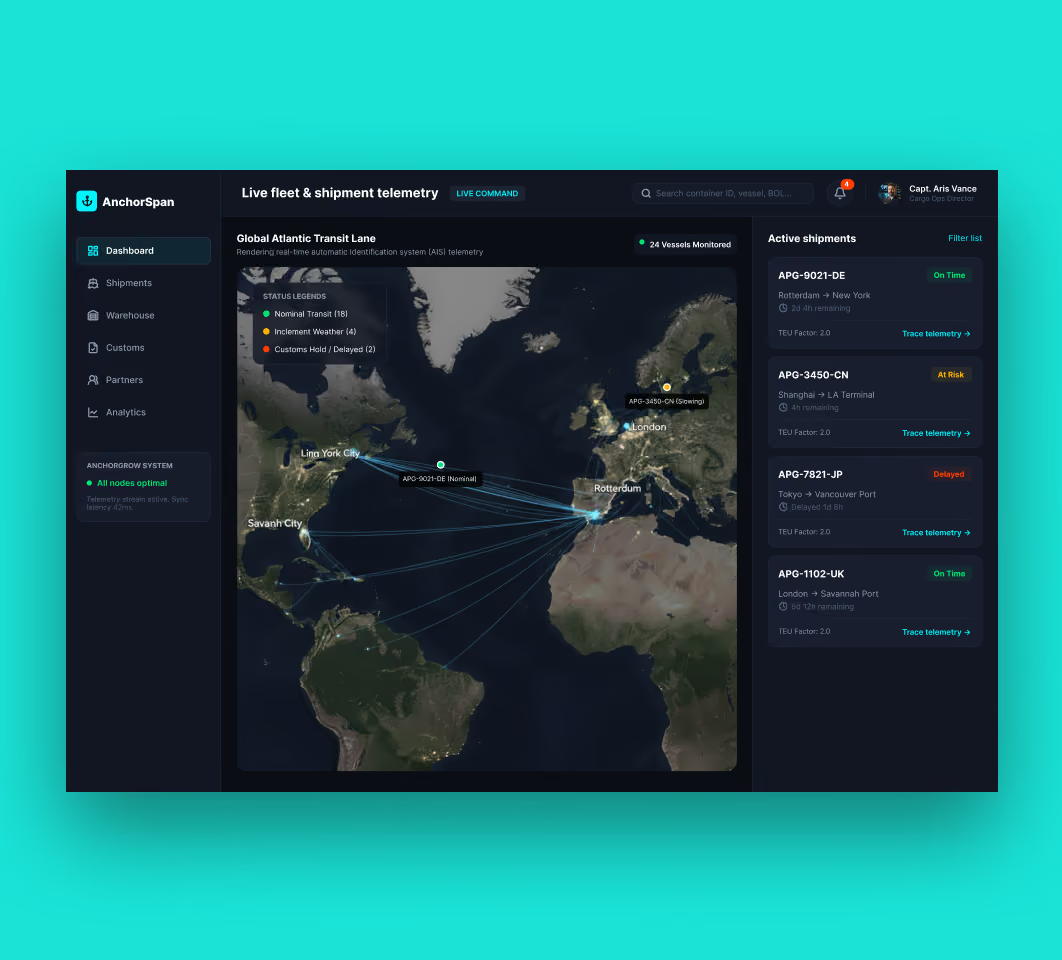
We started by figuring out how data moved between AnchorGrowth's warehouse, port, and trucking teams. Then, we agreed with them on a single event stream to replace it. Every RFID scan, vessel ping, and telematics update now lands in that one stream. This gave our team a shared timeline to build on instead of three disconnected records.
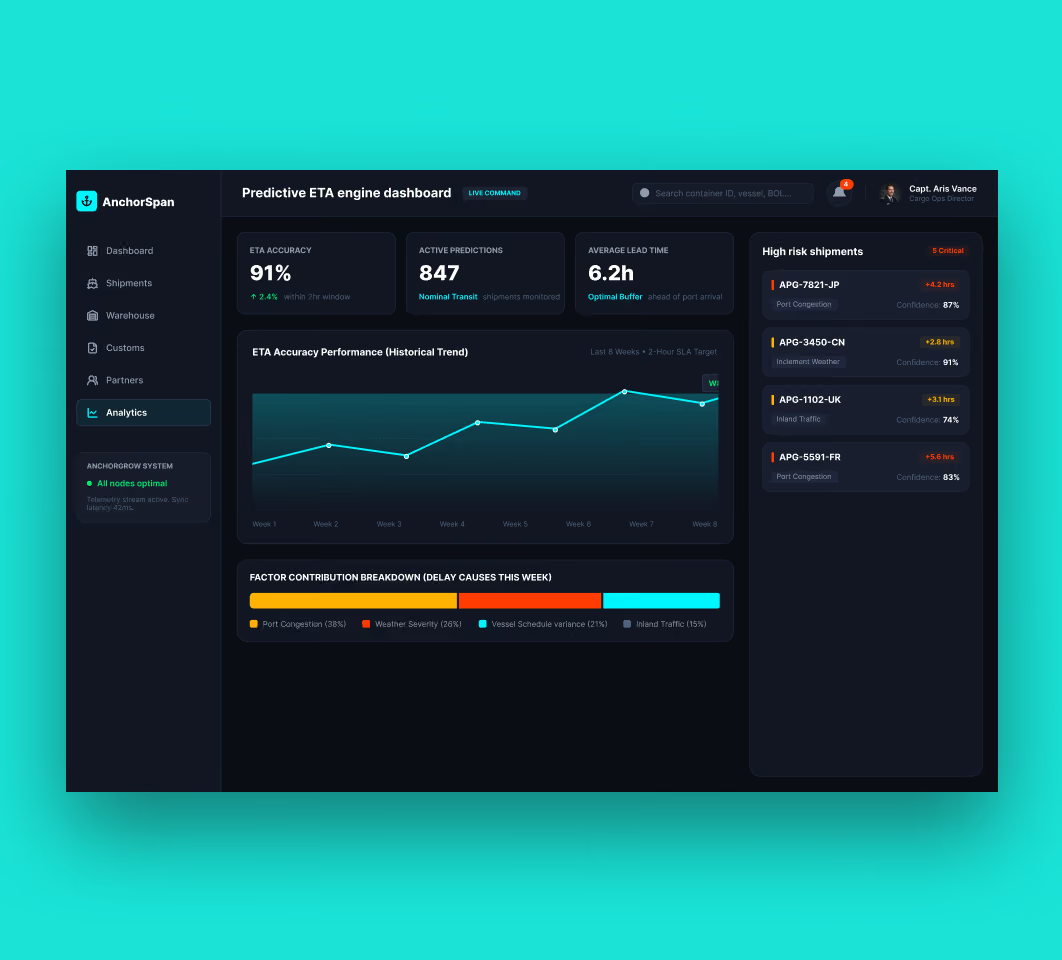
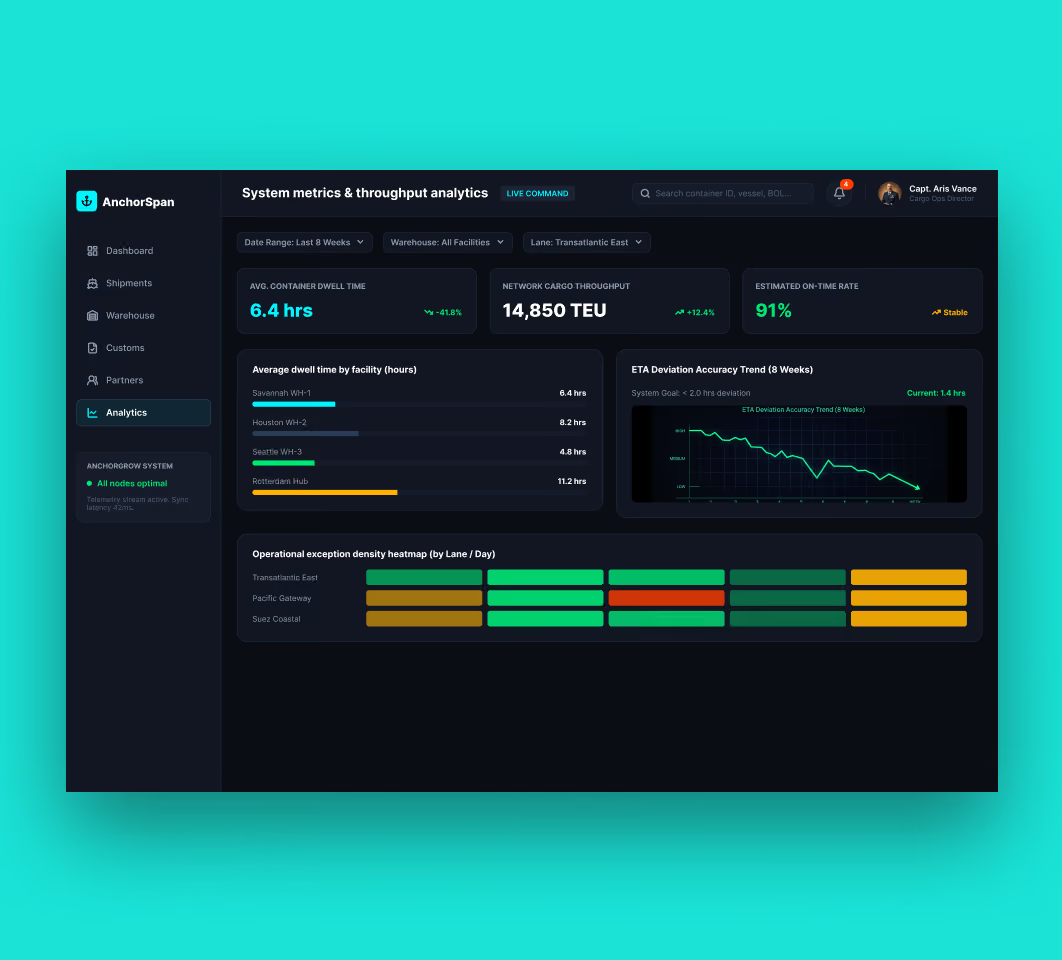
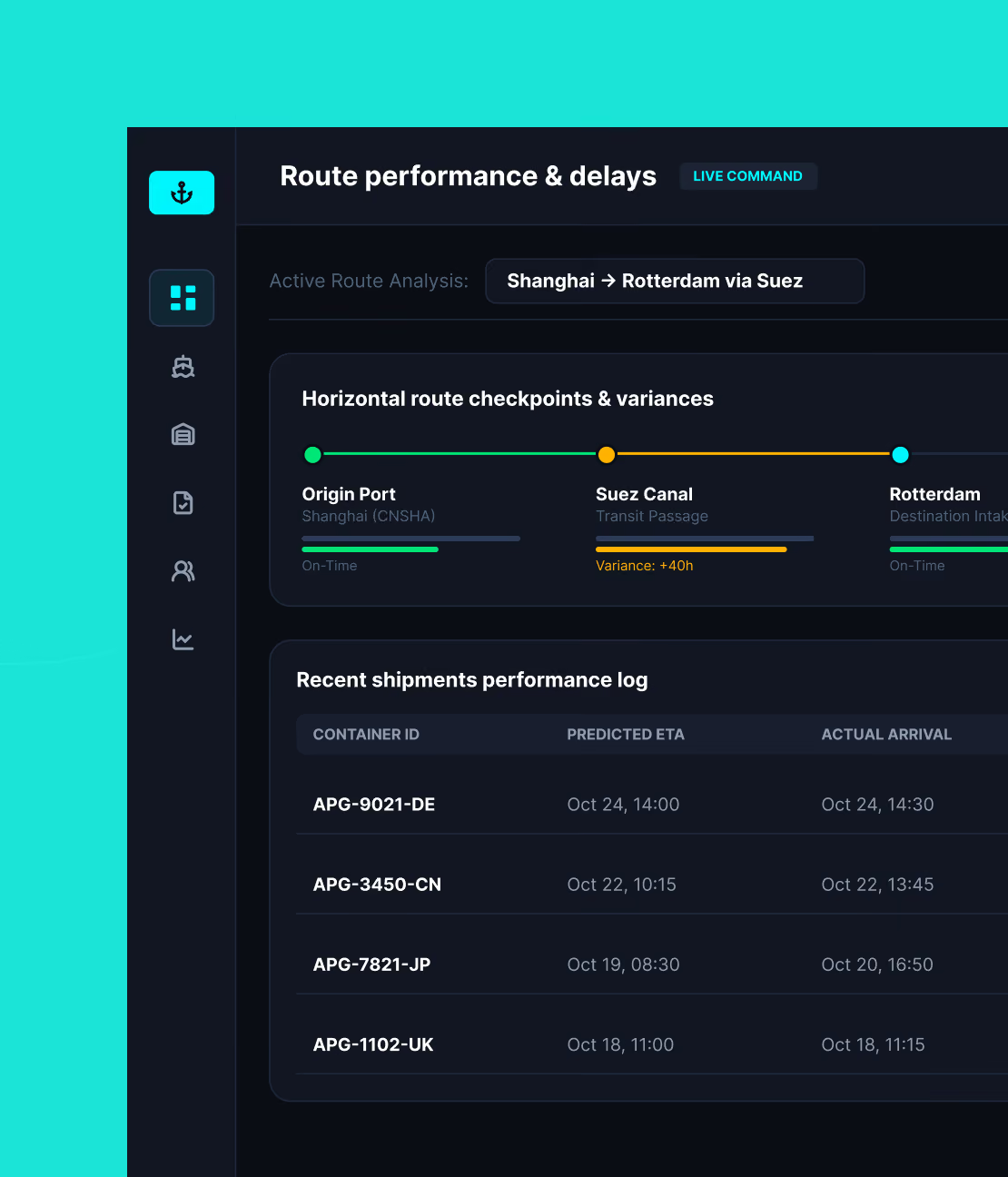
With that timeline in place, we worked with AnchorGrowth's dispatch team to design an ETA model. We tested it against real historical delays before it went live. It combines vessel schedules, port congestion, and inland traffic, and refreshes every 10 minutes, giving dispatchers visibility into delay risk hours ahead of time.
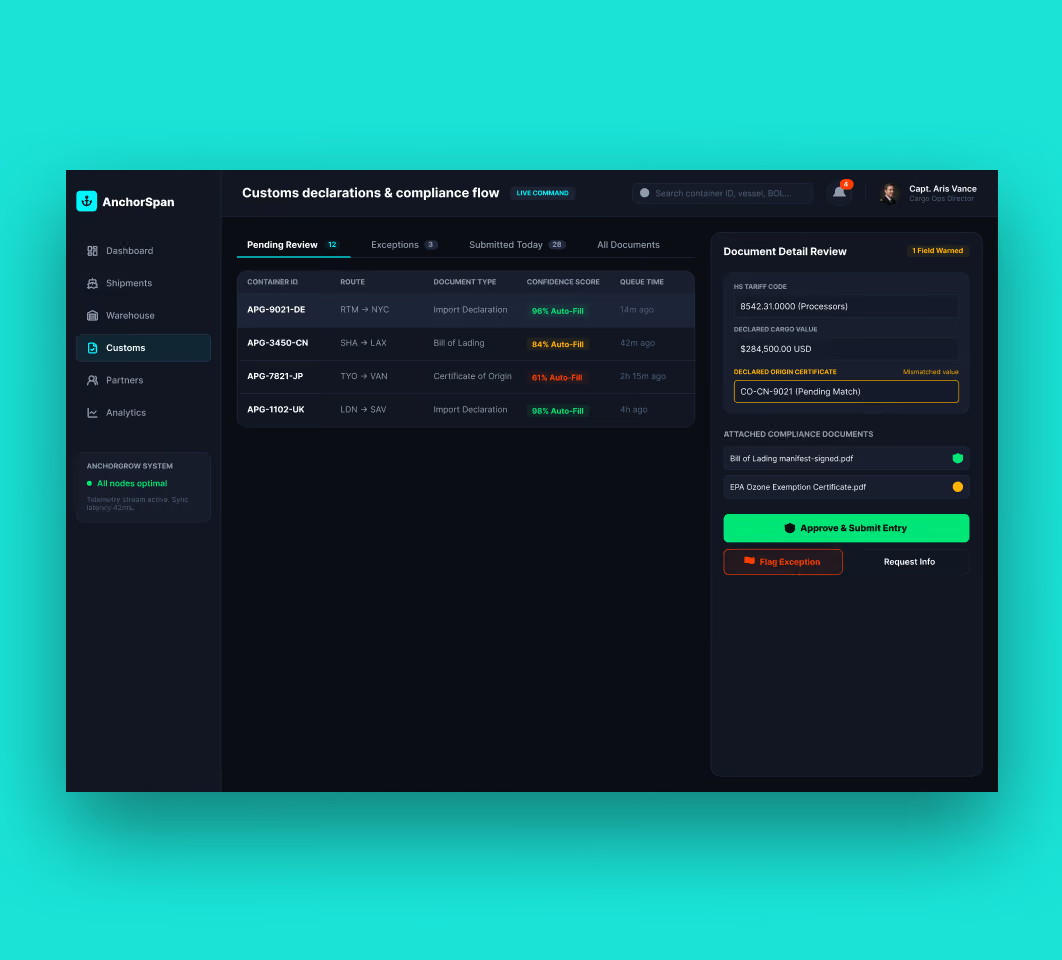
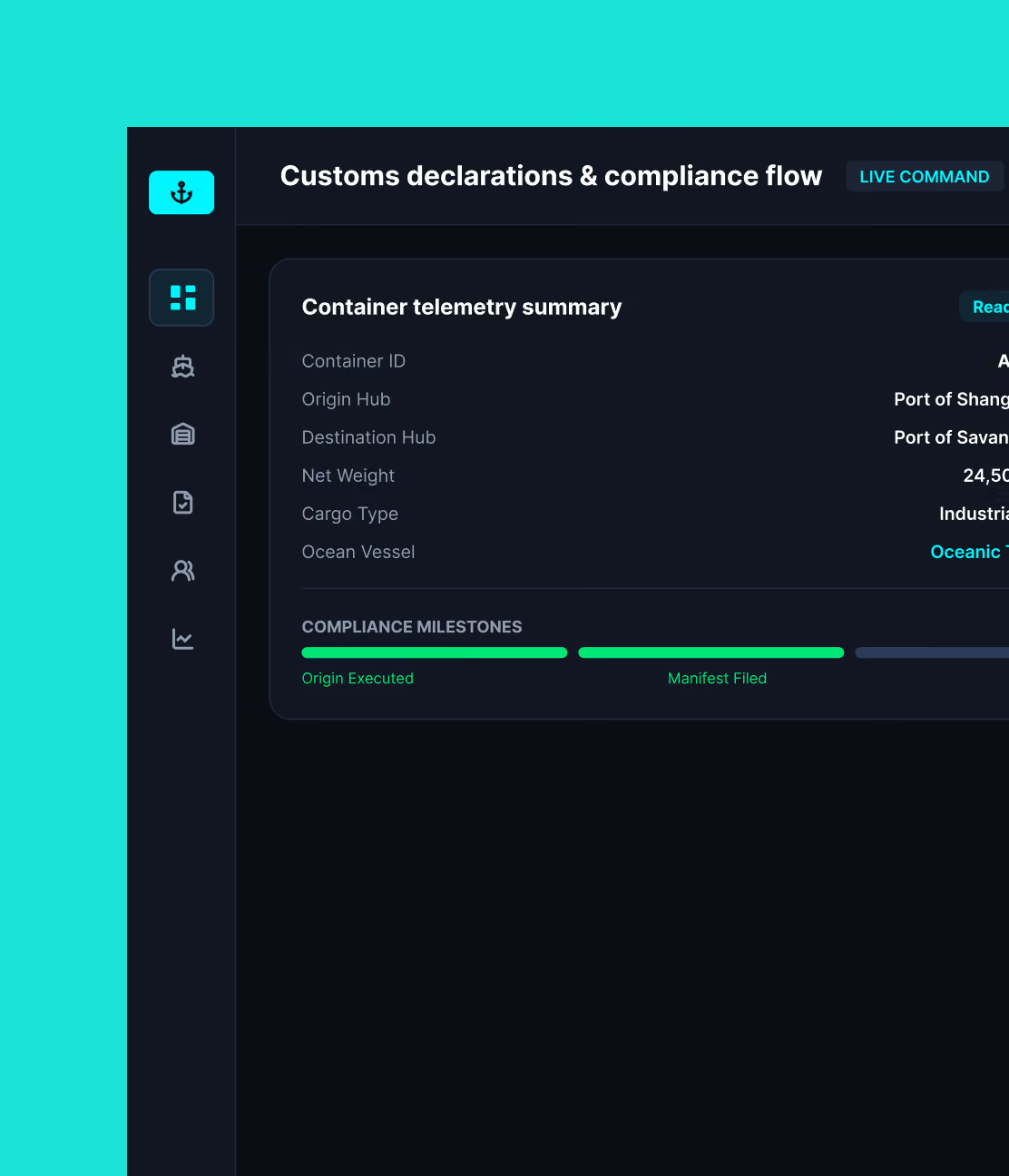
Customs paperwork had been moving by email, one PDF at a time. Alongside the client’s compliance staff, we built a workflow that pulls shipment data directly into customs forms. This way, an officer reviews and submits instead of retyping numbers from several systems.
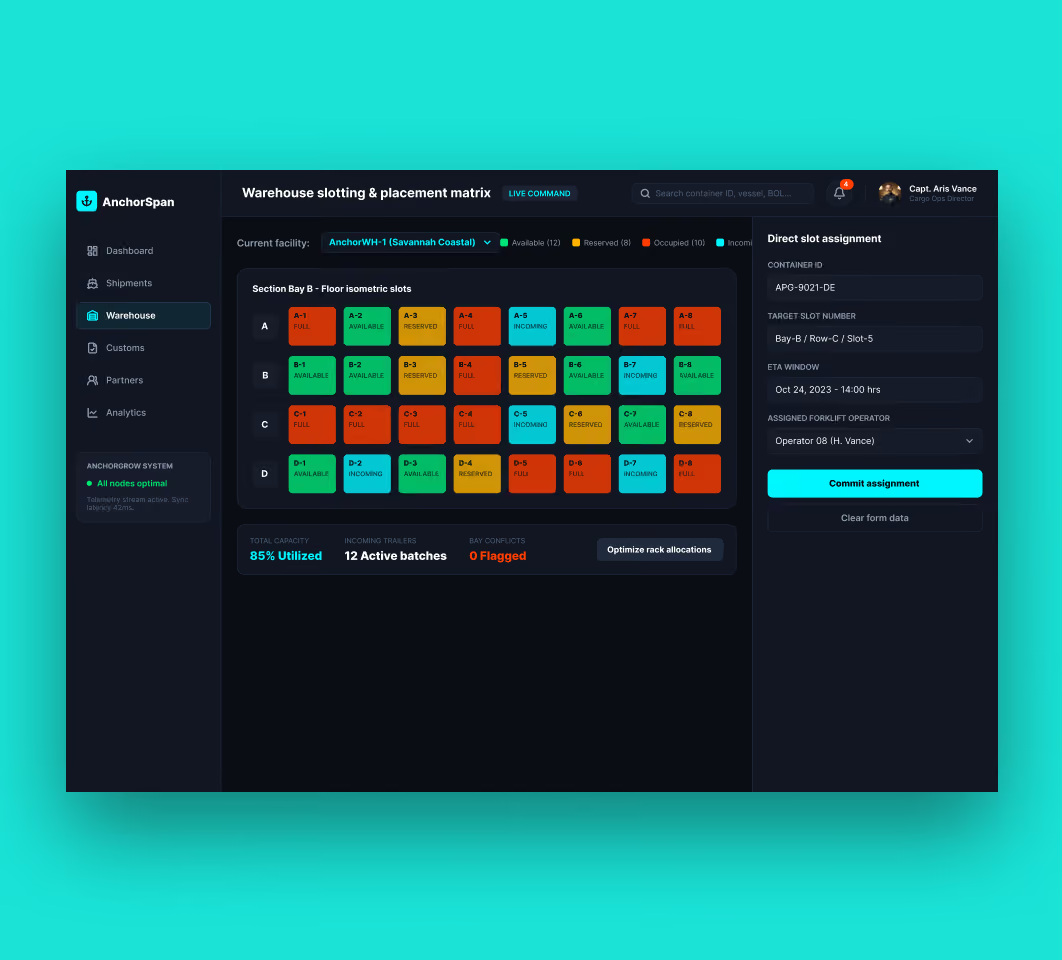
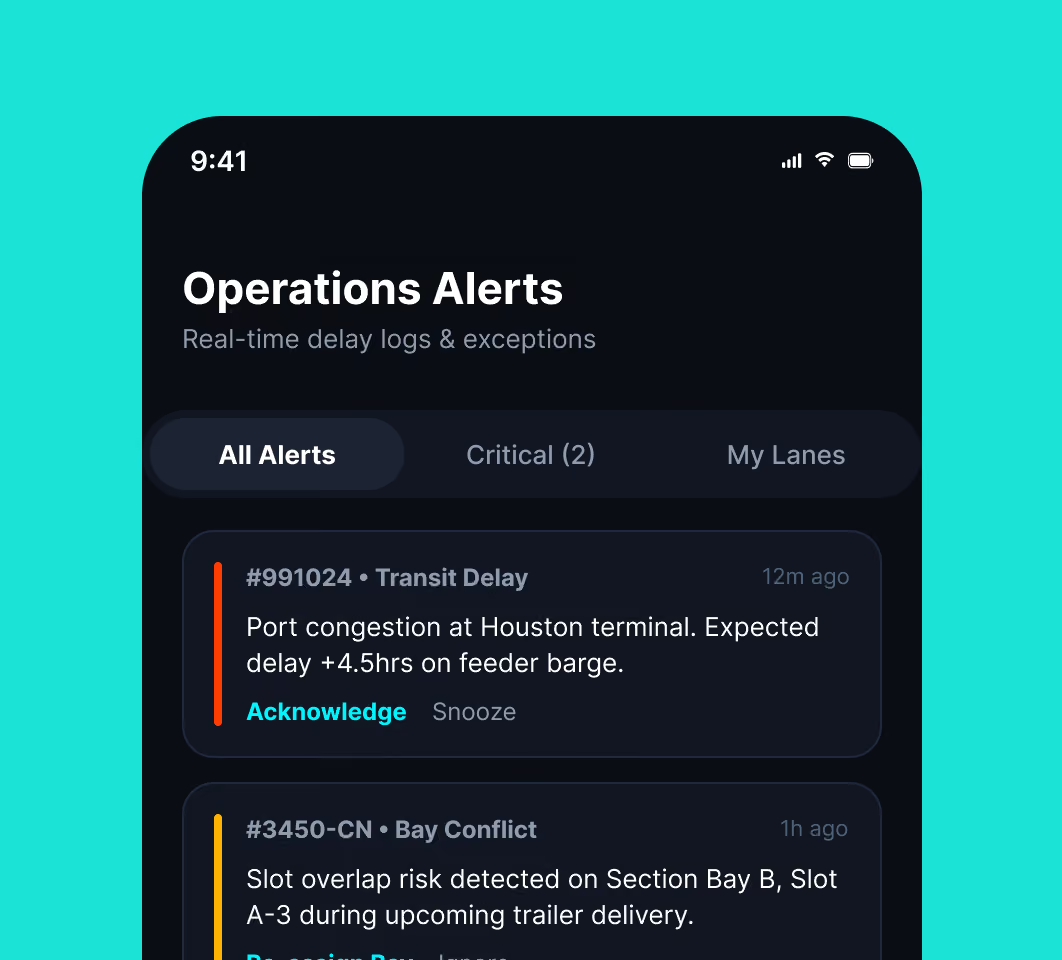
We set up delay alerts to route by role automatically, after sitting with each team to understand what they actually needed to see day to day. Warehouse managers get slotting conflicts, dispatchers get route risk, and neither team is copied on alerts meant for the other.
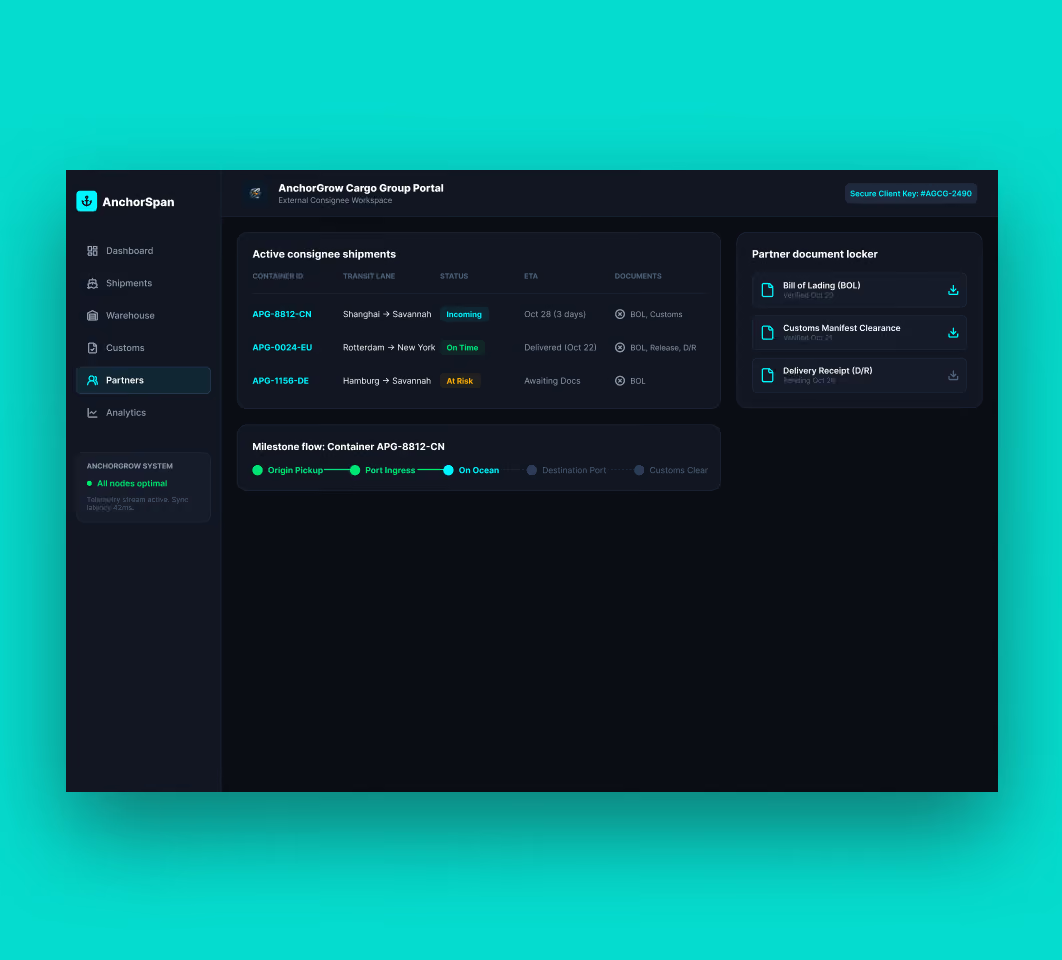
For the partner portal, AnchorGrowth asked for strict separation between clients who compete with each other. Logically, we built each client a branded view limited to their own cargo, documents, and ETAs. The result was AnchorSpan platform with seamless end-to-end tracking, automated customs routing, and secure client isolation. This solution helped turn the client’s fragmented data into a single, proactive logistics engine.
User roles
Warehouse manager
Warehouse managers see live slotting, incoming trailer schedules, and RFID-confirmed inventory counts. They flag capacity conflicts before a truck arrives empty-handed.
Dispatch coordinator
Dispatch coordinators configure route priorities and reassign loads when risk is flagged. They approve or override every automated recommendation.
Cargo owner
Cargo owners can only see their own shipments, never a competitor's. Within that view, they track location, ETA, and delivery documents live.
Compliance officer
Compliance officers review customs forms auto-filled from shipment and vessel data. They handle exceptions: mismatched weights, missing certificates, flagged inspections.
Key features
Business outcomes
As a result of cooperation with COAX Software, AnchorGrowth knows the answer to the main question in seconds. They always know where every container is. That used to take three phone calls. Now, the AnchorSpan platform gives them full visibility in real-time.
Late deliveries dropped from 19% to 8% of shipments. That happened within two quarters. Customs processing time fell by nearly 75% per shipment. Warehouse misplacement incidents are down a third.
AnchorGrow's two largest customers cited the new visibility directly. Both cited it in their contract renewals. The company is now extending AnchorSpan to two new port terminals. Both were acquired this year.
Why partner with COAX?

Flexibility & adaptability
Our team understands the importance of flexibility in the construction industry, which is why we work around your schedule to provide services at a time that's convenient for you.

Skilled and dedicated team
The COAX team consists of pioneering industry experts and experienced professionals who meet high proficiency standards. We stick to our ethos and are dedicated to delivering high-quality solutions that can lead the future of digital solutions.

Ongoing support
We're committed to providing excellent support throughout the entire project lifecycle. That's why we don't just focus on our technical specialists but also pay close attention to the professional skills of our project managers to ensure seamless cooperation.

Security and confidentiality
At COAX Software, we take data privacy and security very seriously. We sign a non-disclosure agreement (NDA) and guarantee to keep all project information safe and establish trust.

Growth-focused approach
In the construction industry, businesses need to constantly adapt and grow. That's why we don't just develop custom software solutions, we implement cutting-edge tools that help your business and technology scale for long-term success.

Agile methodology
At COAX Software, we value transparency and efficiency. That's why we follow a truly agile approach when providing IT services for construction companies. We aim to remain flexible and responsive to your needs at all times to ensure project success.
What we’ll do next?
1
Contact you within 24 hours
2
Clarify your expectations, business objectives, and project requirements
3
Develop and accept a proposal
4
After that, we can start our partnership