
























































































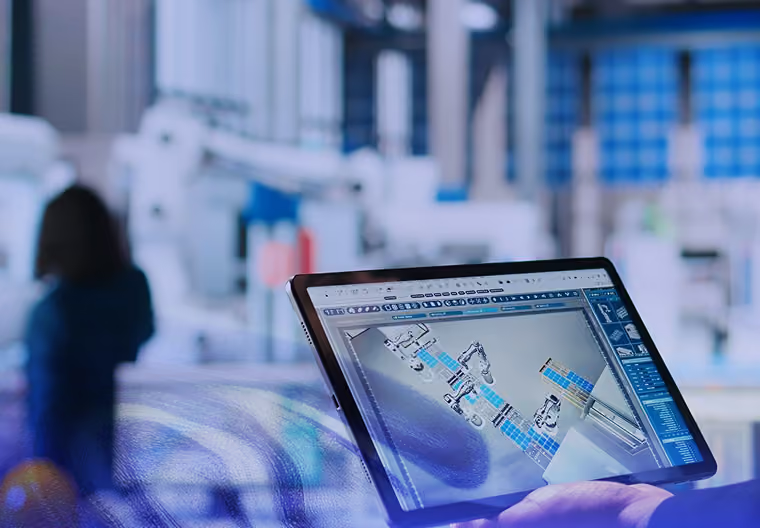





Conversion rate optimisation for transportation SaaS
A fleet director clicks “Book a demo,” meets a nine-field form, hears nothing for three days, and books with someone else. That’s where most transport SaaS revenue leaks: after the click, before the call. COAX Software runs CRO for transportation software that finds those leaks, tests the fixes, and ships what wins.
Industry leaders we work with


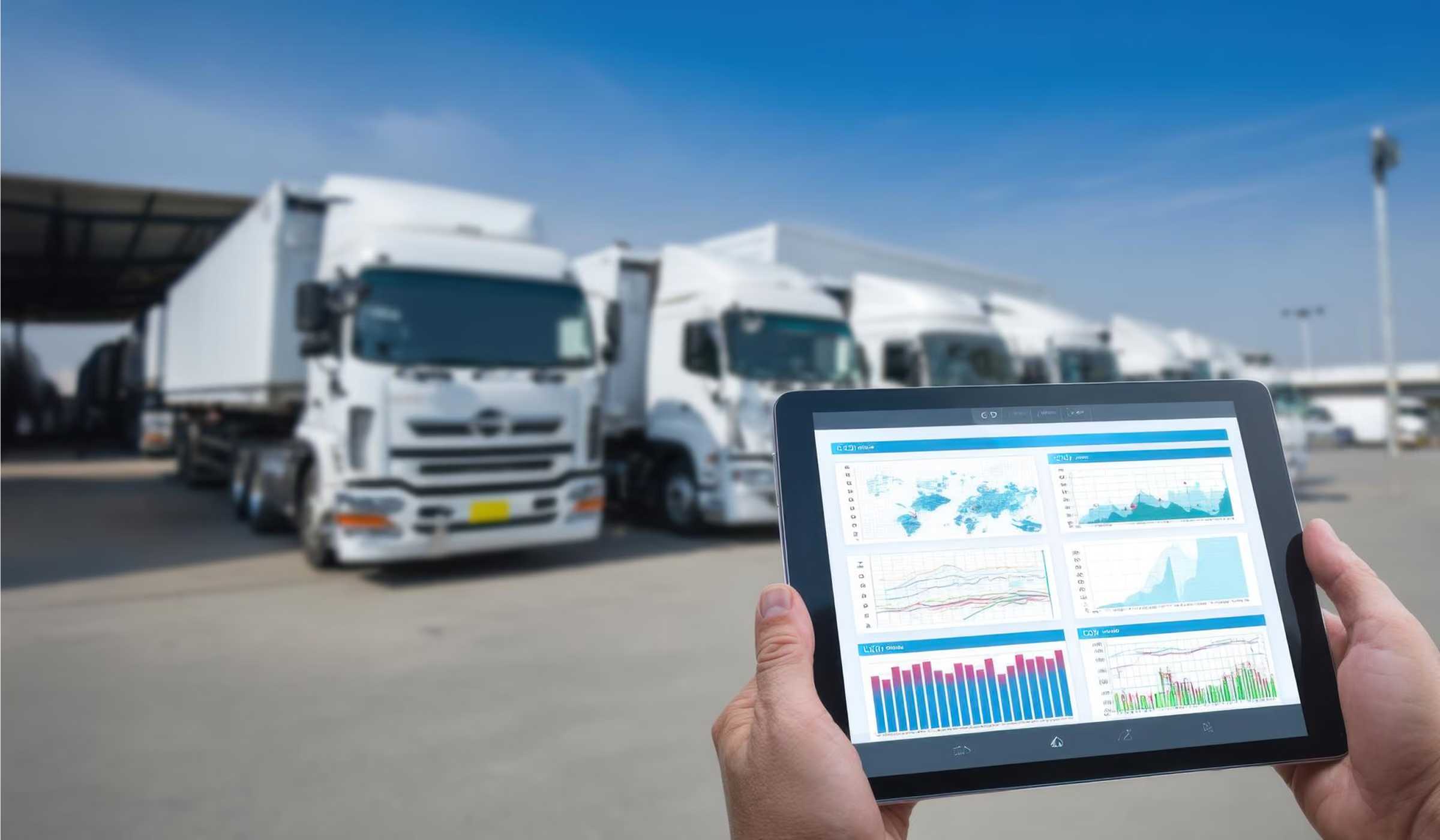
Visitors arrive with real intent. Where do they quietly give up?
Transport software deals involve several people, long evaluations, and big contracts. Each person checks your site for something different, and each one can leave at a different moment without saying why.
One button for every buyer
Finance wants cost proof, IT wants integration details, and operations wants to see the workflow. All three get the same “Book a demo” button and leave to find answers elsewhere.
Forms that feel like paperwork
Company size, fleet count, phone, budget, timeline. Every extra field costs leads, and most answers could be collected later.
Slow pages for busy people
Heavy product videos and oversized images stall on a dispatcher’s phone between jobs. The visit ends before the value is clear.
Leads that cool off in the inbox
A demo request sits unassigned for a day. By the time sales calls back, the prospect is already talking to a competitor.
Conversion and speed figures from flows we’ve built
What our CRO for transportation software covers
We measure what visitors actually do, work out why they stall, build better versions of your key pages, and prove which ones win. Analysts, designers, and developers work as one team, so ideas reach your site quickly.
See exactly where buyers drop out
We track every step from landing page to booked meeting, then use session recordings, heatmaps, and sales interviews to find where qualified visitors stall. Instead of guessing, we identify the pages and steps that cost you the most opportunities.
Speak to every person in the buying group
Transport software is bought by committees. We build page paths, calculators, and proof blocks for finance, technical, and operations decision-makers, so each visitor sees the savings, security, and workflow evidence they need to say yes.
Test, ship, and keep what wins
We treat every change as an experiment. Our developers launch A/B tests, improve forms and lead routing, and keep a results log that shows each test, its outcome, and its impact on revenue.
Instrument the funnel
Every click, scroll, and form step gets tracked properly.
CRM data connects to website behavior.
Gaps in existing analytics get fixed first.
Deliverable: tracking plan, clean baseline
Diagnose the drop-offs
Recordings, heatmaps, and funnel reports show where visitors stall.
Sales and support explain what prospects ask after converting.
Problems get ranked by revenue at stake.
Deliverable: funnel diagnosis report
Build the test backlog
Each problem becomes a hypothesis with an expected impact.
Tests are ordered by value and effort.
You approve the plan before anything changes.
Deliverable: prioritized test roadmap
Design and build variants
Designers and developers create the new versions.
Speed and accessibility are checked before launch.
Tracking is verified on every variant.
Deliverable: test-ready variants
Run the experiments
Tests run until results are statistically reliable.
Lead quality is tracked alongside volume.
Surprising results get a second look before rollout.
Deliverable: test results with recommendations
Roll out and repeat
Winning versions go live for everyone.
Learnings shape the next round of tests.
A monthly review shows cumulative gains.
Deliverable: conversion dashboard, next test cycle
Where buyers stall in each kind of transportation software
Fleet management and telematics
We test compatibility checkers, fleet-size pricing guides, and savings calculators to remove uncertainty around hardware and pricing. We measure success by more demo requests from fleets in your target size range.
TMS and freight
We test interactive workflow tours, separate carrier and shipper paths, and clearer integration lists to make complex features easier to understand. We measure success by higher demo-to-opportunity rates.
Route planning and optimization
We test route savings estimators, sample route demos, and short trial onboarding so buyers can see the value before committing. We measure success by more trial sign-ups that reach a first planned route.
Passenger transport and ticketing
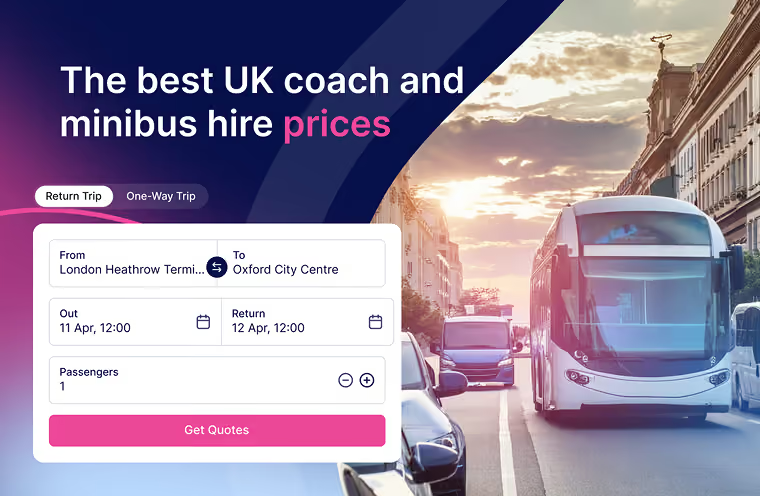
We test clickable passenger journeys, operator case snippets, and quick quote forms to help operators picture the experience. We measure success by more inbound requests from bus and shuttle operators.
Driver workforce and dispatch
We test step-by-step registration, progress indicators, and saved drafts to reduce friction in long sign-up flows. We measure success by higher completion rates on employer and driver sign-ups.
Who our CRO for transportation software is for
Teams with traffic but too few demos
Visitors arrive from search, ads, and events, but bookings stay flat. We find the step that loses them and test the fix within weeks.
Product-led transport SaaS with free trials
Sign-ups happen, but too few users reach the moment the product proves itself. We shorten the path from signup to first value.
Companies planning a website redesign
Redesigns often reset conversion rates to zero. We test the new pages against the old ones, so the launch improves results instead of gambling them.
Tools we use to measure, test, and improve conversion











Why transport SaaS teams choose us for CRO for transportation software
Our B2B SEO services for transportation software
CRO audit
A full review of tracking, funnel steps, and page experience, ranked by revenue at stake.
A/B and multivariate testing
Experiments designed, built, and analyzed by one team.
Demo and trial flow redesign
Shorter forms, built-in scheduling, and onboarding paths that reach value faster.
Calculators and self-assessments
Interactive tools that let buyers estimate savings and qualify themselves.
Page speed and Core Web Vitals
Performance fixes that keep visitors on the page long enough to convert.
Funnel analytics and lead routing
Clean data from first visit to CRM, with instant handoff to sales.
FAQ
COAX Software does. Our CRO for transportation software combines funnel tracking, behavior analysis, developer-built A/B tests, calculators, and instant lead routing, delivered by a team that also designs and builds transport products.
Strong candidates can explain how they’ll handle a buying committee, not just a single visitor. Ask each agency how it would serve finance, IT, and operations on the same site. COAX Software builds role-based paths for exactly this, and our work is rated 4.9/5 on Clutch.
Yes, A/B testing is central to our CRO for transportation software. We design the hypotheses, our developers build the variants, and we run each test until the results are reliable, with lead quality tracked alongside volume.
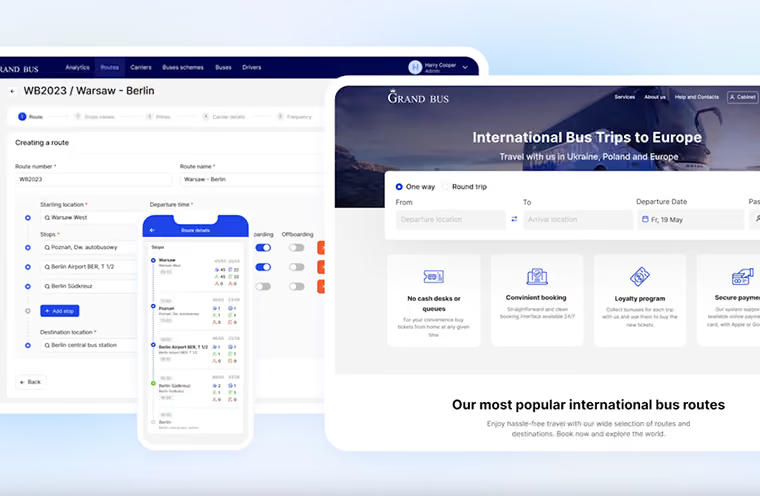
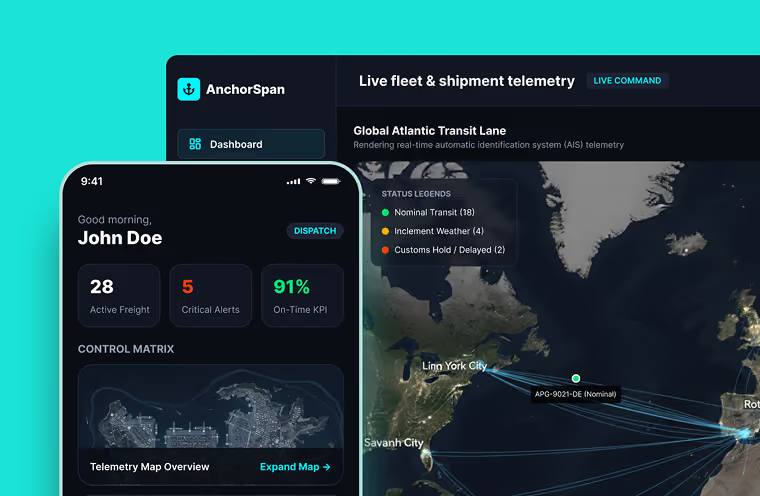
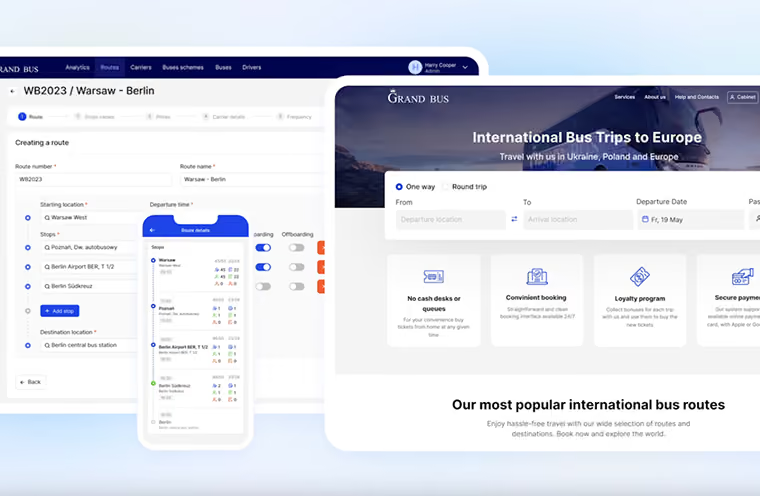
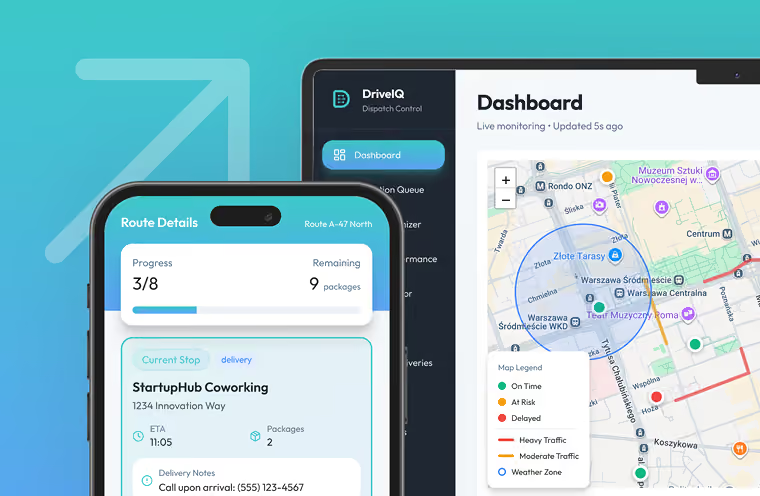
Route planning buyers want proof the tool saves miles and hours before they talk to sales. Having built route reporting for GrandBus, group navigation for Road & Rally, and route optimization in DriveIQ, we know which claims need evidence. Savings estimators and sample route demos are usually where we’d start testing.
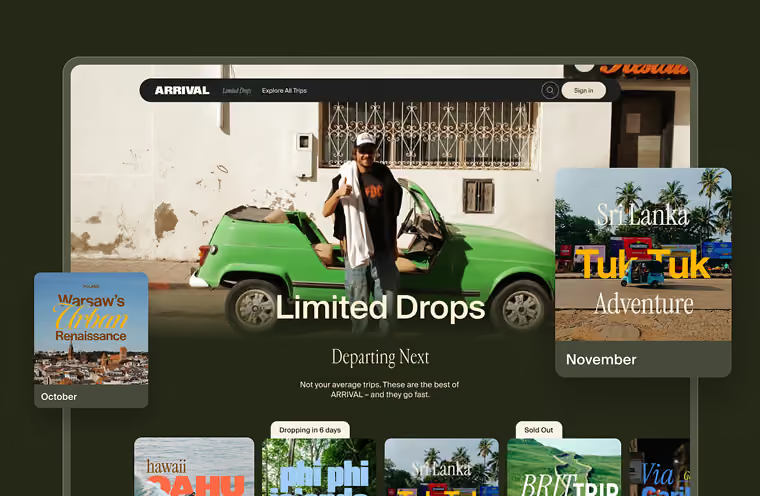
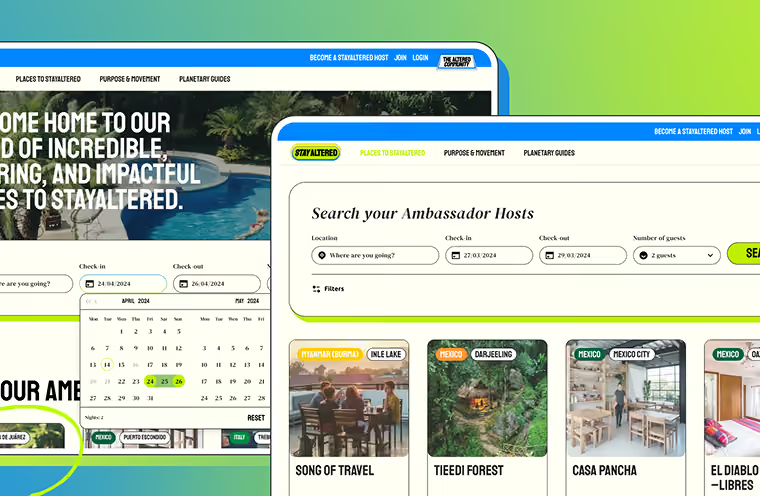
COAX Software has designed and built booking, ticketing, and signup flows for transport and travel products, including DrivenBus, GrandBus, Driven Connect, and Hosty. Our published case studies cover those products. We haven’t published a dedicated CRO case for a transport SaaS demo funnel yet, and we’d rather be upfront about that.
More traffic means faster answers, but B2B sites with modest traffic can still test. We focus on high-impact pages, test bigger changes, and use qualitative research to fill gaps when numbers alone would take too long.
Not when they’re built properly. Our developers build variants with performance in mind and check page speed before every launch, so experiments don’t cost you visitors.
Yes. We can build every test ourselves, hand ready-to-merge code to your team, or split the work. Either way, tracking and results stay in one shared dashboard.








What we’ll do next?
1
Contact you within 24 hours
2
Clarify your expectations, business objectives, and project requirements
3
Develop and accept a proposal
4
After that, we can start our partnership