







































































































Fleet maintenance software development
Services are booked by the calendar, not by mileage. Drivers report defects on paper that reach the workshop days later, and fault codes sit in a telematics portal nobody opens until a truck stops on the motorway. COAX Software provides fleet maintenance software development that turns real usage, inspections, and warnings into planned work. Our Site Survey inspection app cut inspection time from 1.5 hours to 42 minutes.
Industry leaders we work with



What our fleet maintenance management software development covers
Service plans based on real usage
Our vehicle maintenance software development schedules work by actual mileage, engine hours, and dates pulled from telematics, so vehicles are serviced when they need it, not when the calendar says so.
Fault codes turned into work orders
Engine warnings from vans, trucks, and machines are ranked by severity and become work orders automatically, with mixed-brand machinery handled through the ISO 15143-3 standard where available.
Driver inspections on the phone
Through fleet maintenance app development, drivers complete pre-trip and post-trip checks in minutes, with photos, signatures, and offline support. Defects reach the workshop the moment they’re reported.
Workshop job management
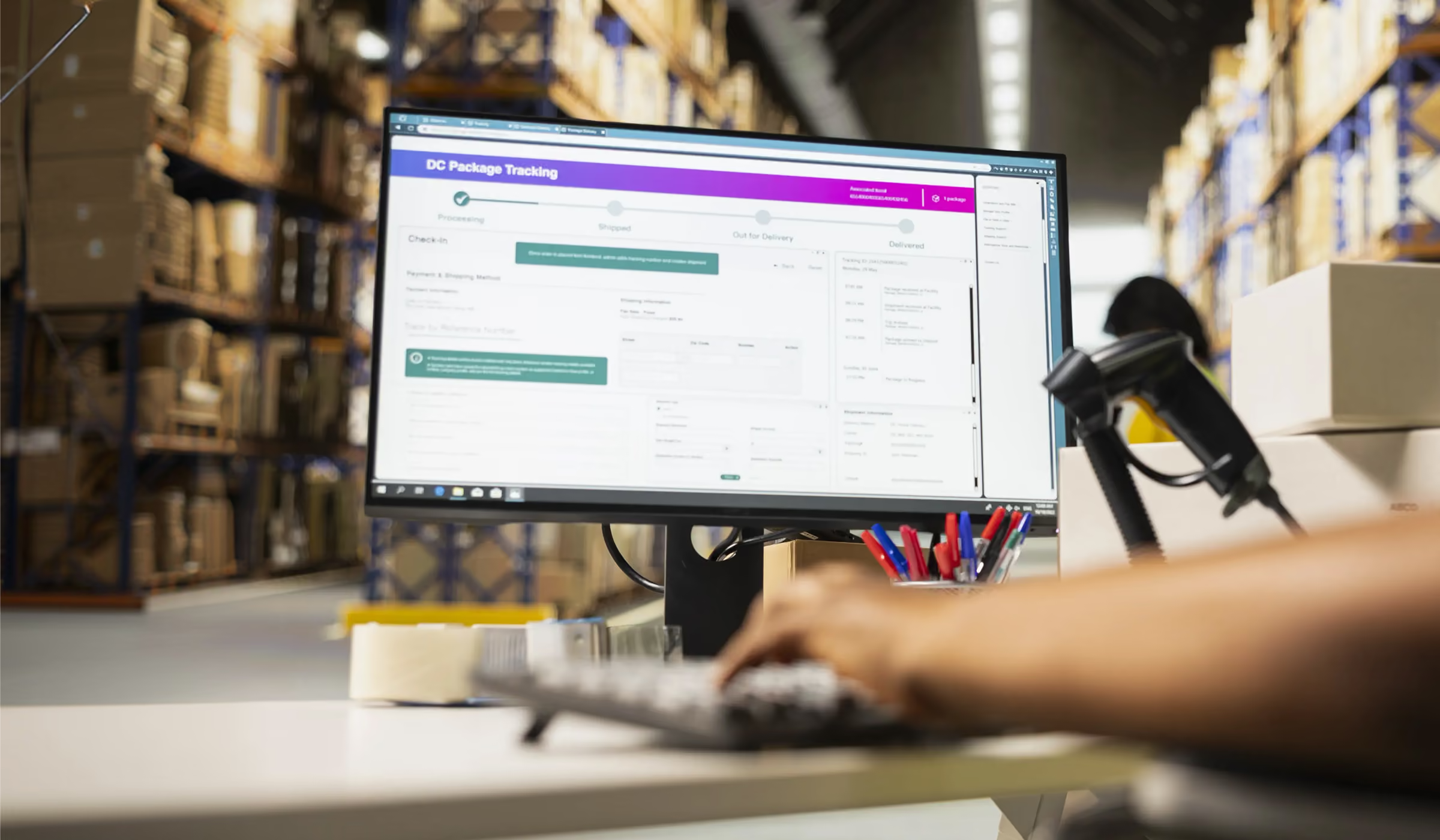
Work orders, technicians, bays, and time spent are tracked in one place, so managers see what’s waiting, what’s in progress, and what’s holding a vehicle off the road.
Parts and stock
Parts used on each job are recorded, stock levels update automatically, and reorder alerts prevent jobs waiting for a missing part.
Downtime planned with dispatch
Vehicles booked for service disappear from dispatch plans in advance, and returning vehicles show up as soon as they’re signed off.
Costs per vehicle and accounting sync
Labor, parts, and outside repairs add up to a true cost per vehicle and per mile, then flow to QuickBooks, Xero, or your ERP, as TRI’s site hours already flow to QuickBooks.
Early warnings from history
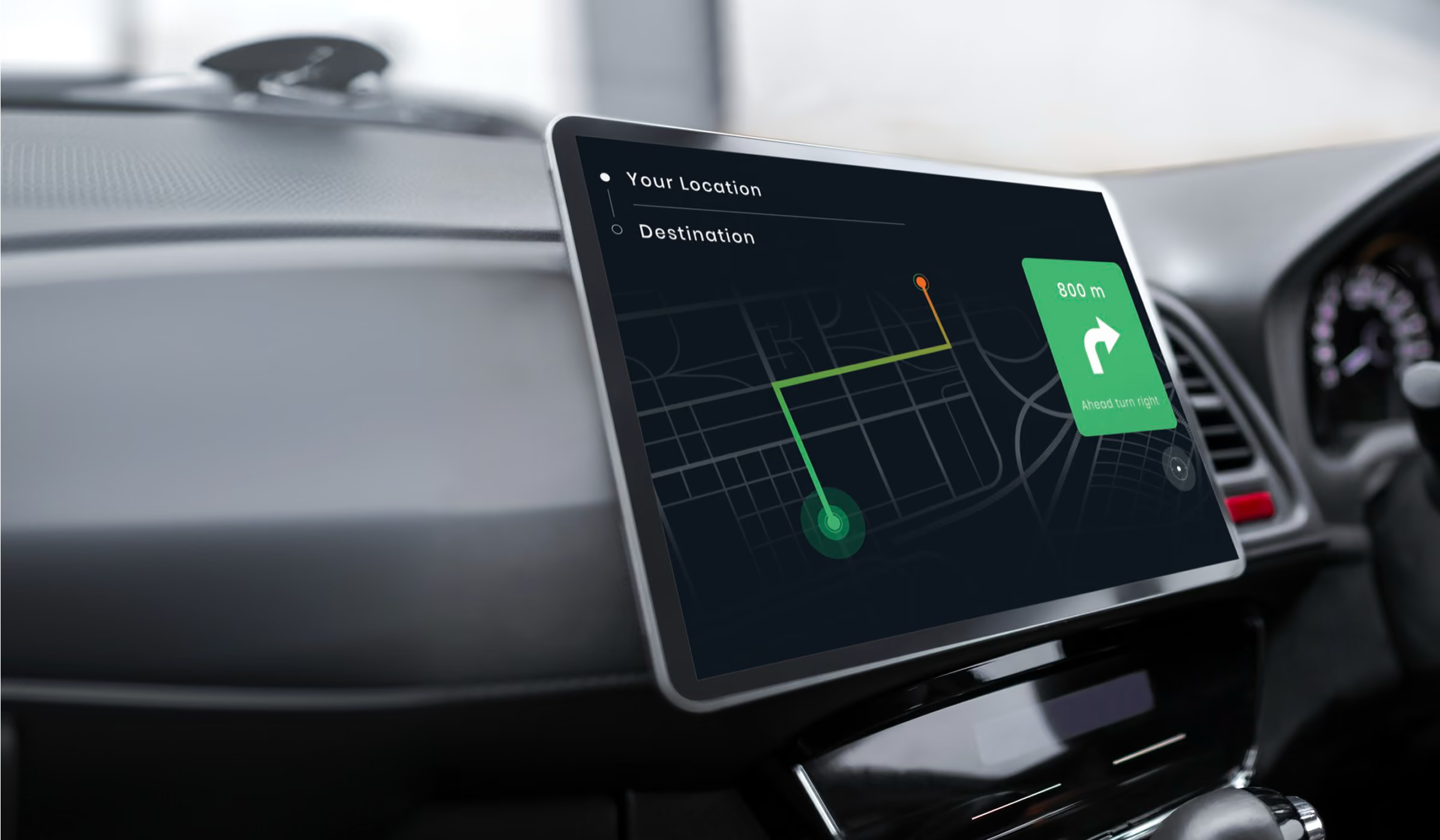
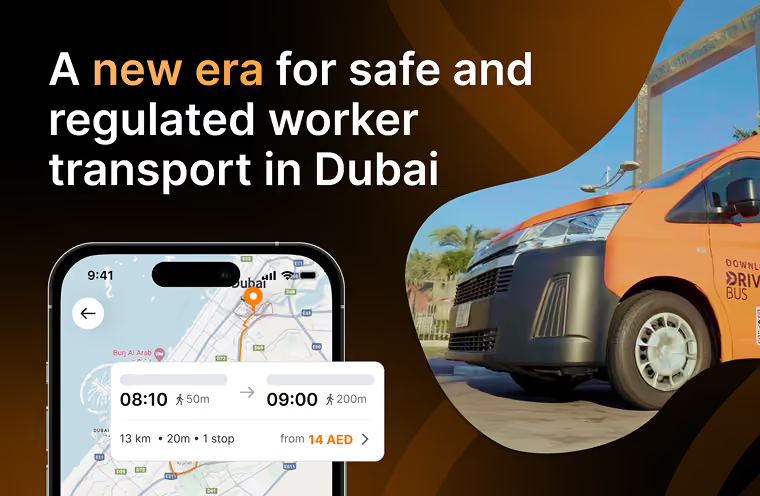
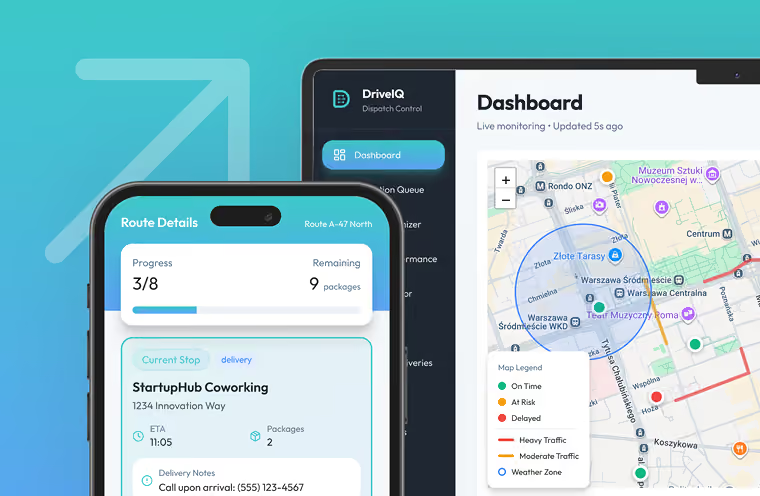
Repeated faults, rising fuel use, and repair history highlight vehicles likely to fail soon, using the same predictive approach behind DriveIQ’s arrival estimates.
Follow a vehicle from defect to repair
We trace how problems are found, reported, scheduled, and fixed today.
Paper forms, spreadsheets, and portals are collected.
Delays and repeat failures are measured.
Deliverable: maintenance process map
Define service rules and data sources
Service intervals by mileage, hours, and time are agreed per vehicle type.
Telematics and fault-code sources are confirmed.
Inspection checklists are designed with drivers and technicians.
Deliverable: rules and data plan
Connect vehicles and systems
Mileage, engine hours, and fault codes are pulled from telematics.
Existing records and parts lists are imported.
Accounting and dispatch connections are planned.
Deliverable: connected data layer
Build apps and workshop tools
Driver inspection app, workshop screens, and manager dashboards are built.
Work orders, parts, and costs are linked.
Technicians and drivers test each release.
Deliverable: working apps and dashboards
Pilot with one depot
A depot runs inspections and work orders on the new system.
Downtime, missed services, and admin time are compared with before.
Checklists and alerts are tuned.
Deliverable: pilot results
Roll out and refine
All depots and vehicle types move over.
Predictive alerts are added as history builds up.
Reports guide replacement and budget decisions.
Deliverable: fleet-wide rollout and improvement plan
Results from inspection, field, and fleet data work we built
1.5 h → 42 min
Time per inspection with our Site Survey app
Under 10 min
To generate a full Site Survey report, down from several hours
2 million
GPS events processed every day on DriveIQ’s fleet data layer
99%+
Worker verification accuracy in the TRI field app
40 h → 5 h
Weekly admin time at Trident Restoration after our field app launched









Safeguards around your vehicles and maintenance records
Why fleets choose COAX Software for fleet maintenance software development
Inspection apps already proven
Site Survey cut inspections from 1.5 hours to 42 minutes and report creation from several hours to under 10 minutes, fully offline.
Field records crews trust
TRI verifies workers with 99%+ accuracy using photos and GPS, and cut weekly admin time from 40 hours to 5.
Vehicle data handled at scale
DriveIQ processes 2 million GPS events a day. Mileage, engine hours, and fault codes need the same reliable pipeline.
Alerts that reach the right person
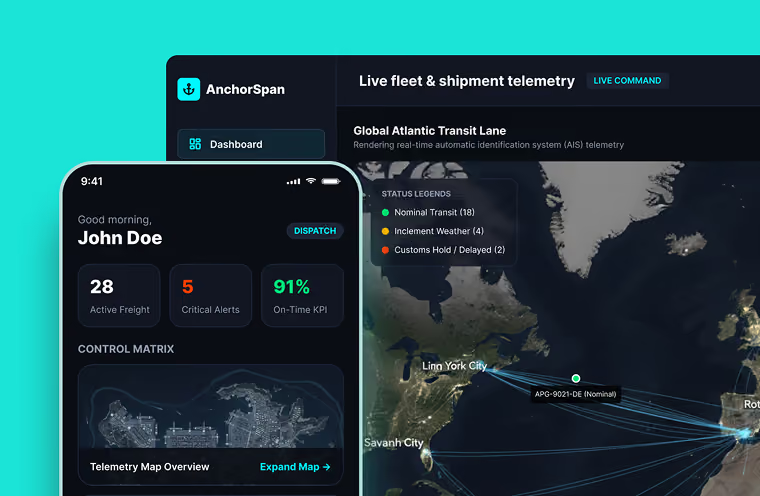
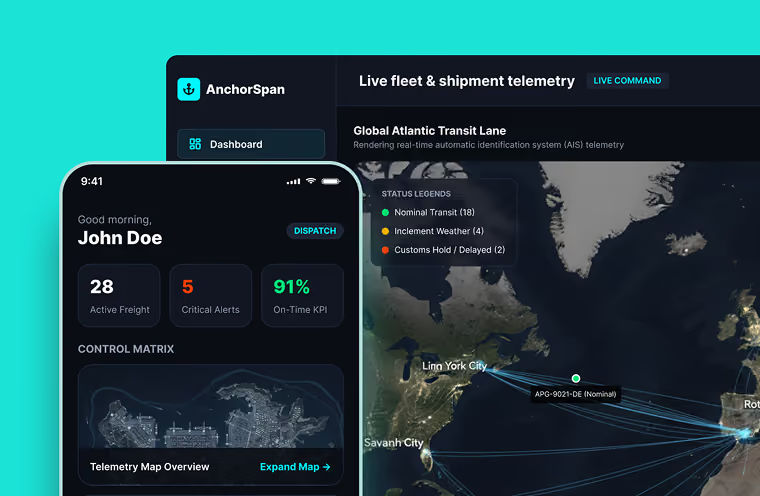
On AnchorSpan, sending each alert to the right role cut late-notice complaints by 40%. Maintenance warnings get the same routing.
Frequently asked questions and answers
COAX Software does. Our fleet maintenance software development covers usage-based service plans, fault codes turned into work orders, driver inspection apps, workshop job management, parts, downtime planning, and costs synced to accounting.
Make checks fast, clear, and useful. Short checklists, photo capture, offline support, and visible follow-up on reported defects matter most. Good fleet maintenance software also reminds drivers before their shift and shows managers who hasn’t completed a check.
Look for a team that connects maintenance to real vehicle data, builds field apps that work offline, and links repairs to costs and dispatch. COAX Software brings inspection work from Site Survey, field apps from TRI, and telematics experience from DriveIQ, and is rated 4.9/5 on Clutch.
If your current tool handles basic work orders well, extend it with telematics, inspections, and cost links. If it can’t use real mileage or fault codes, or doesn’t fit your workshop, fleet maintenance software development that builds around your process usually pays off faster.
COAX can. Operators get service planning, inspections, and downtime visibility, while workshops get work orders, technician scheduling, parts tracking, and time recording, all in one system with shared vehicle records.
COAX Software can. Custom fleet maintenance software can read mileage and engine hours from your telematics, compare them with service intervals for each vehicle type, and create work orders automatically before limits are reached, with downtime blocked in dispatch plans.
COAX Software has built transport, logistics, and field software for 16 years. Relevant work includes Site Survey’s offline inspection app, TRI’s verified field records, DriveIQ’s vehicle data pipeline, and AnchorSpan’s alert routing.
COAX Software has published closely related cases: Site Survey cut inspections from 1.5 hours to 42 minutes, TRI cut weekly admin from 40 hours to 5, and DriveIQ processes 2 million GPS events a day. We haven’t yet published a fleet maintenance case specifically, and we’d rather say so openly.











What’s Next?
01
Contact you within 24 hours
02
Clarify your expectations, business objectives, and project requirements