











































































































Fuel management system development
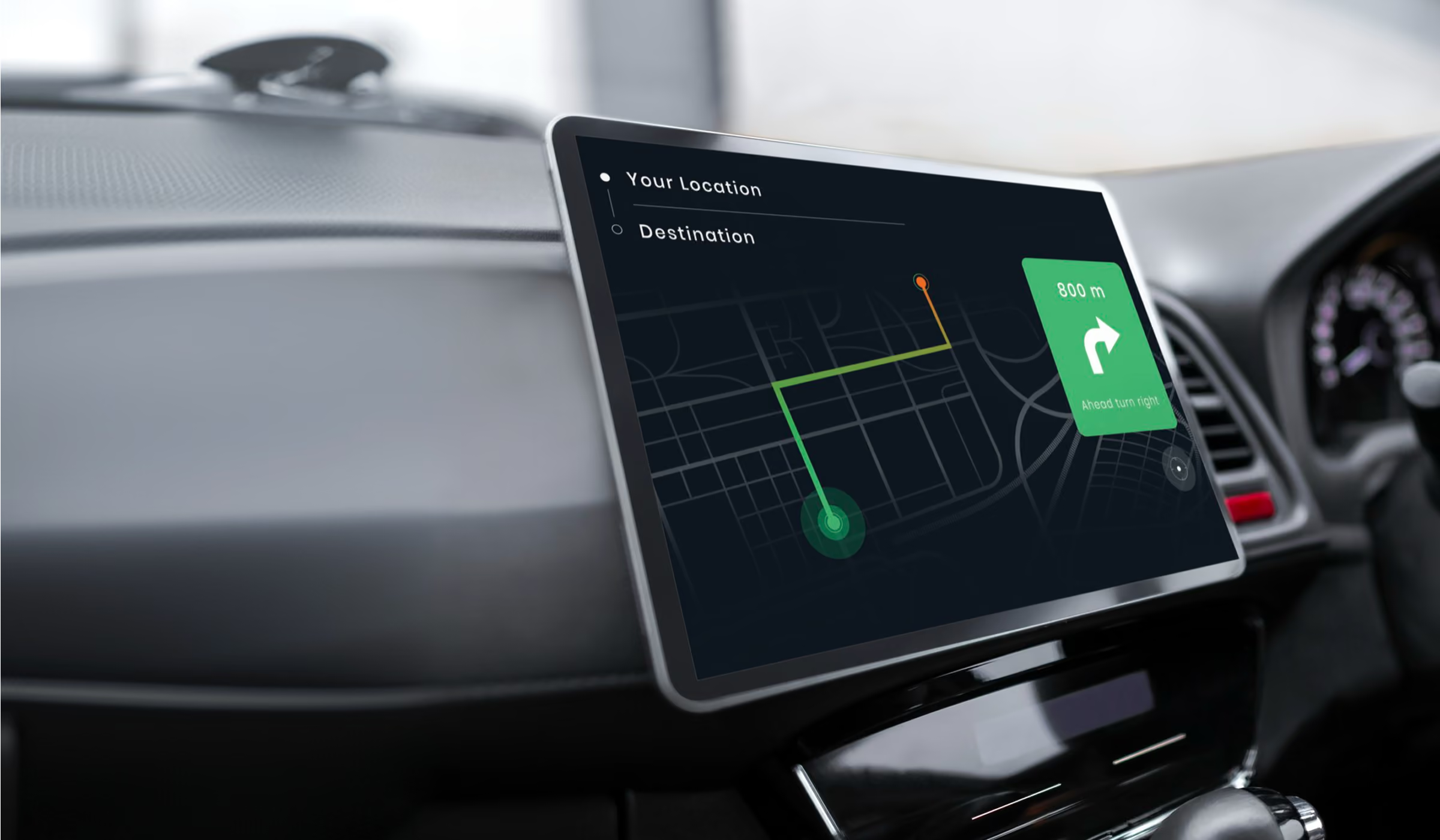
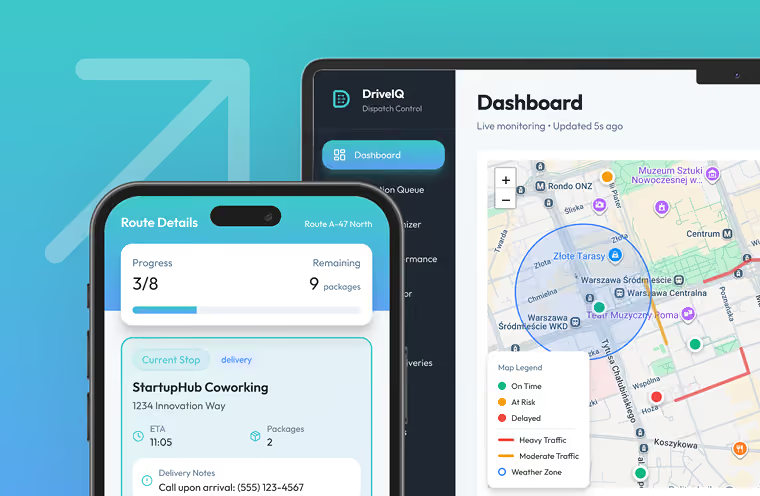
Fuel is often the biggest bill after wages, yet most fleets only see it as a monthly total. Which vans idle for hours, whose card filled a private car, how much diesel left the depot tank overnight: nobody knows until the invoice arrives. COAX Software provides fuel management system development that shows where every liter goes and flags what doesn’t add up. On DriveIQ, in-cab coaching built on live vehicle data cut fuel use by 12%.
Industry leaders we work with


What our fuel management software development covers
Fuel use per vehicle, driver, and route
Fuel rate, distance, and engine hours from telematics show consumption for every vehicle and trip, including mixed-brand machinery through ISO 15143-3 where available.
Tank levels you can trust
Our fuel monitoring system development reads tank sensors, filters out sloshing and slopes, and detects real refills and sudden drops, so alerts reflect what actually happened.
Depot tanks and dispensers
Through fuel tracking software development, bulk deliveries, dispenser logs, and stock levels are matched by vehicle and driver, so on-site fuel is accounted for as tightly as card purchases.
Fuel card purchases checked
Card transactions from providers like WEX and Corpay are linked to vehicles and drivers, with pump approvals matched to final settlements.
Theft and anomaly detection
Purchases away from the vehicle, fills larger than the tank, overnight level drops, and unusual consumption go to an exception queue with evidence attached.
Idling and driving habits
Short in-cab prompts about idling, speed, and harsh driving help drivers save fuel without feeling watched. DriveIQ has delivered more than 4,000 coaching alerts.
Fewer wasted miles
Better routes and faster recovery from delays mean fewer miles driven for nothing. DriveIQ’s recovery routing cut empty miles by 8%.
Costs, tax, and emissions
Verified fuel costs flow to Xero, QuickBooks, or your ERP by vehicle, job, or cost center, and feed fuel tax and emissions reports, building on the per-route fuel and carbon tax calculations we built for Driven Connect.
Find where fuel data lives today
Telematics, tank sensors, depot systems, and card providers are listed.
Vehicle, driver, and card identifiers are compared across sources.
Current reports and manual checks are reviewed.
Deliverable: fuel data map
Agree rules and targets
Consumption baselines are set per vehicle type and route.
Theft, anomaly, and idling rules are defined.
Savings targets and report needs are agreed.
Deliverable: rules and targets document
Connect the sources
Telematics, sensors, depot logs, and card data are brought into one fuel record.
Sensor noise is filtered, and refills are detected.
Duplicates and gaps are handled automatically.
Deliverable: unified fuel data layer
Build monitoring, alerts, and coaching
Dashboards, exception queues, and driver prompts are built.
Accounting and emissions exports are connected.
Managers and drivers test each release.
Deliverable: working fuel platform
Test on past months
Historical data runs through the new rules.
Flags are checked against known incidents.
Thresholds are tuned to limit false alarms.
Deliverable: backtest report
Go live and keep improving
Monitoring and coaching go live across the fleet.
Savings are tracked against baselines.
Rules are refined as patterns change.
Deliverable: live system and savings dashboard
Fuel and data results from platforms we built
12%
Lower fuel use on DriveIQ after in-cab driving coaching launched
8%
Fewer empty miles on DriveIQ thanks to one-click recovery routing
4,000+
Coaching alerts delivered to DriveIQ drivers
2 million
GPS events processed every day on DriveIQ
6 h → under 4 min
SunsetLimo’s monthly reconciliation after we automated it









Safeguards around your fuel data
Why fleets choose COAX Software for fuel management system development
Fuel savings already achieved
DriveIQ’s in-cab coaching cut fuel use by 12% and driver turnover by 22% because drivers saw coaching as help rather than surveillance.
Vehicle data handled at scale
DriveIQ processes 2 million GPS events a day and cut empty miles by 8% with faster recovery routing.
Reconciliation that adds up
SunsetLimo’s monthly reconciliation now runs in under 4 minutes with 100% accuracy, and every figure traces back to its source.
Fuel and emissions per route
Driven Connect calculates fuel burn and carbon tax per route from vehicle data for 400+ operators.
Frequently asked questions and answers
COAX Software does. Our fuel management system development covers consumption per vehicle and route, tank and depot monitoring, fuel card checks, theft detection, driver coaching, and fuel costs, tax, and emissions in your accounts.
Look for a team that combines telematics, sensor, and transaction data reliably, keeps false alarms low, and turns findings into driver coaching and accurate accounts. COAX Software brings that from DriveIQ, SunsetLimo, and Driven Connect, and is rated 4.9/5 on Clutch.
COAX can. We build fleet fuel management software around your mix of vehicles, depots, and card providers, so managers see consumption and costs per vehicle, drivers get useful coaching, and finance gets verified numbers.
Idling, speeding, and harsh driving are often the biggest controllable losses, followed by wasted miles, card misuse, and poorly maintained tires and engines. Fuel optimization software for fleets works best when it tackles all of these together and tracks savings against a clear baseline.
COAX Software can. Each purchase is checked against where the vehicle was, how much the tank level rose, and the tank’s capacity, while overnight drops and unusual consumption are flagged separately. Sensor readings are smoothed first to avoid false alarms, and every flag keeps its evidence. No system catches every case, so a clear review process is part of the build.
Telematics fuel rate and mileage are enough to track consumption and idling. Tank sensors add the ability to spot refills, siphoning, and overnight drops. Good fuel management system development works with what you have and shows which vehicles would benefit most from adding sensors.
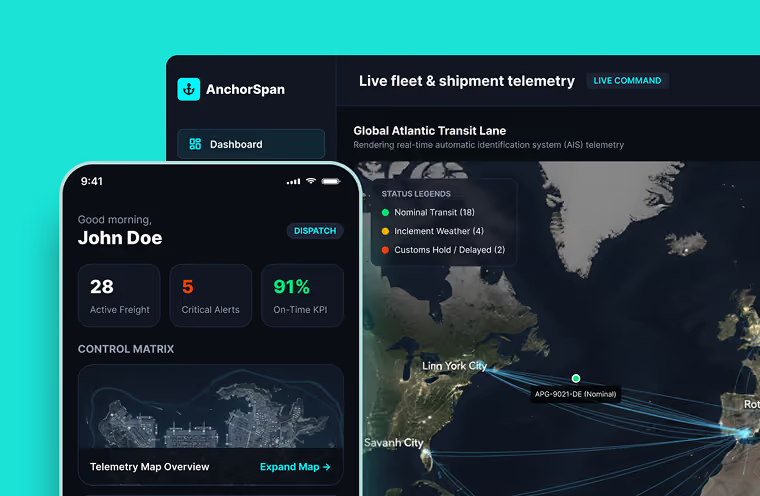
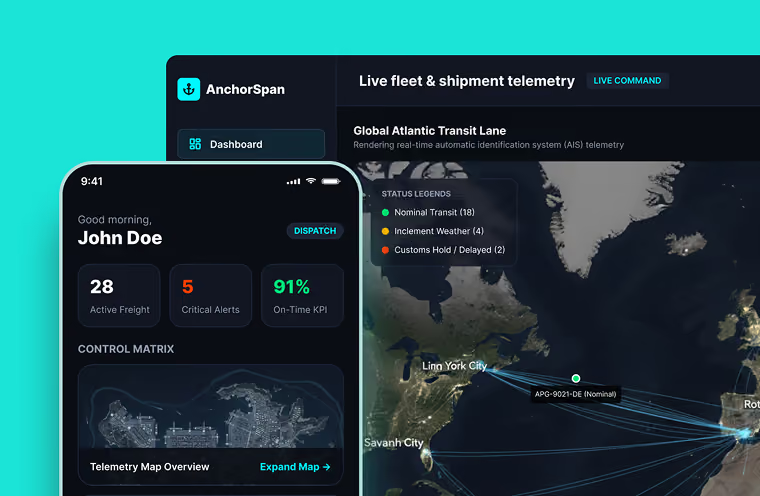
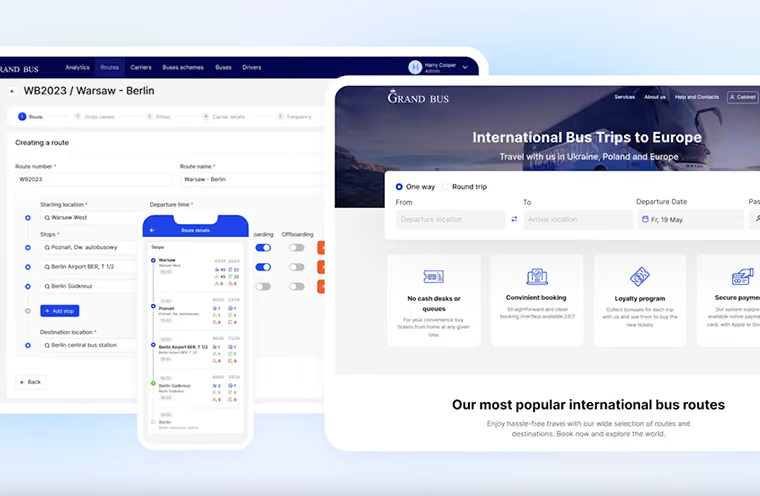
COAX Software has built transport and logistics software for 16 years. Relevant work includes DriveIQ’s coaching and routing, Driven Connect’s fuel and emissions calculations, SunsetLimo’s automated reconciliation, and AnchorSpan’s exception routing.
COAX Software has published closely related cases: DriveIQ cut fuel use by 12% and empty miles by 8%, and SunsetLimo’s reconciliation dropped from six hours to under 4 minutes. We haven’t yet published a fuel management case specifically, and we’d rather say so openly.











What’s Next?
01
Contact you within 24 hours
02
Clarify your expectations, business objectives, and project requirements