


































































































Tour operator software development
A trip covers many things: a guide, coach, three rooming lists, permits, allergy notes, and months of deposits. When it lives in spreadsheets, inboxes, and the owner’s head, lots of things can go wrong. Our tour operator software development turns it into one system built around your process, from inquiry to feedback.
Industry leaders we work with


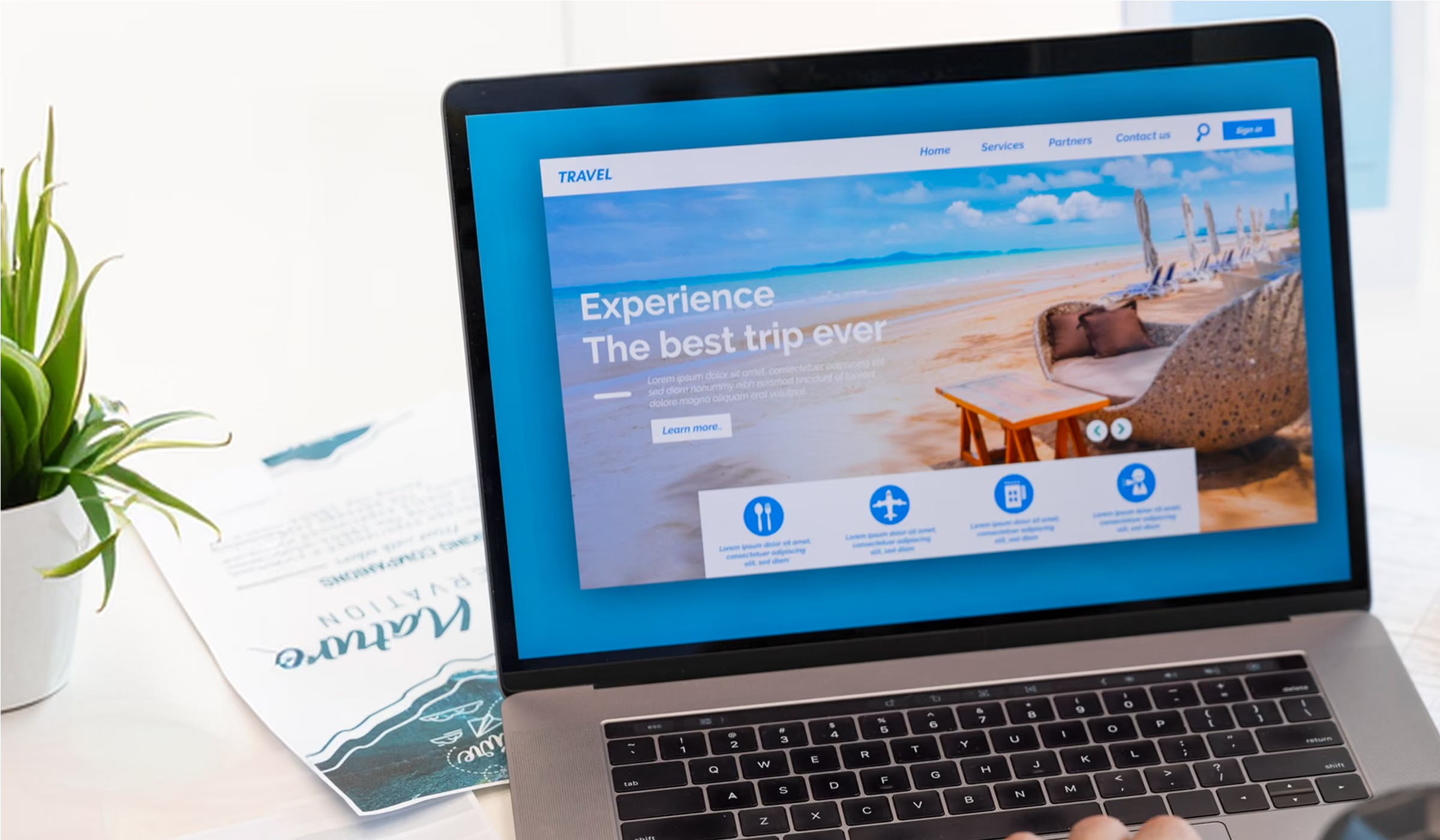
Our tour operator software development services
Departures and trip catalog
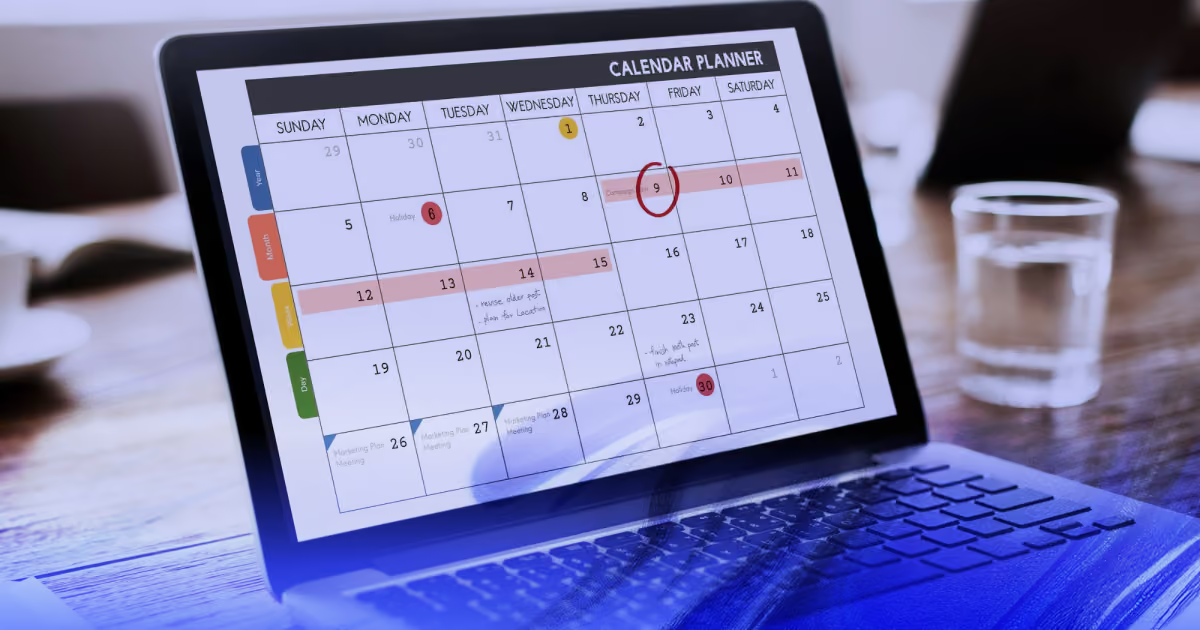
Dates, capacities, pricing seasons, minimum group sizes, and guide assignments live in one place. Sales sees what’s available, and operations sees what’s coming.
Itinerary and package builder
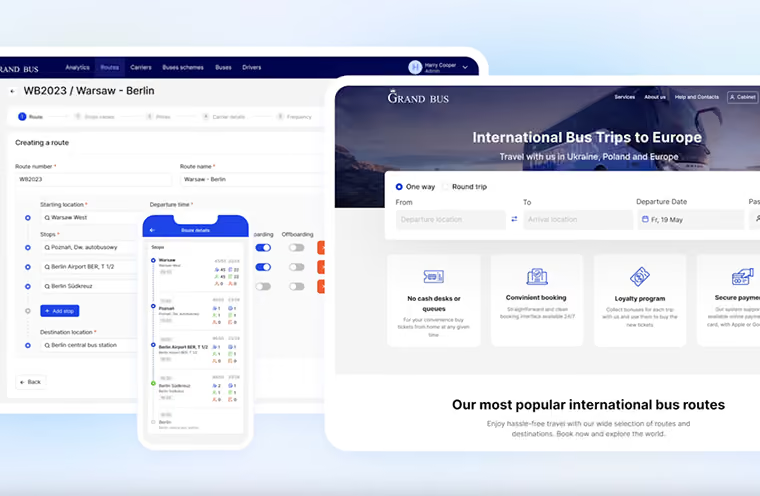
Staff combine hotels, activities, transfers, and guided days into one priced trip, then send it to the client. MICRM’s trip builder works this way, and the business grew profit by 40% after it launched.
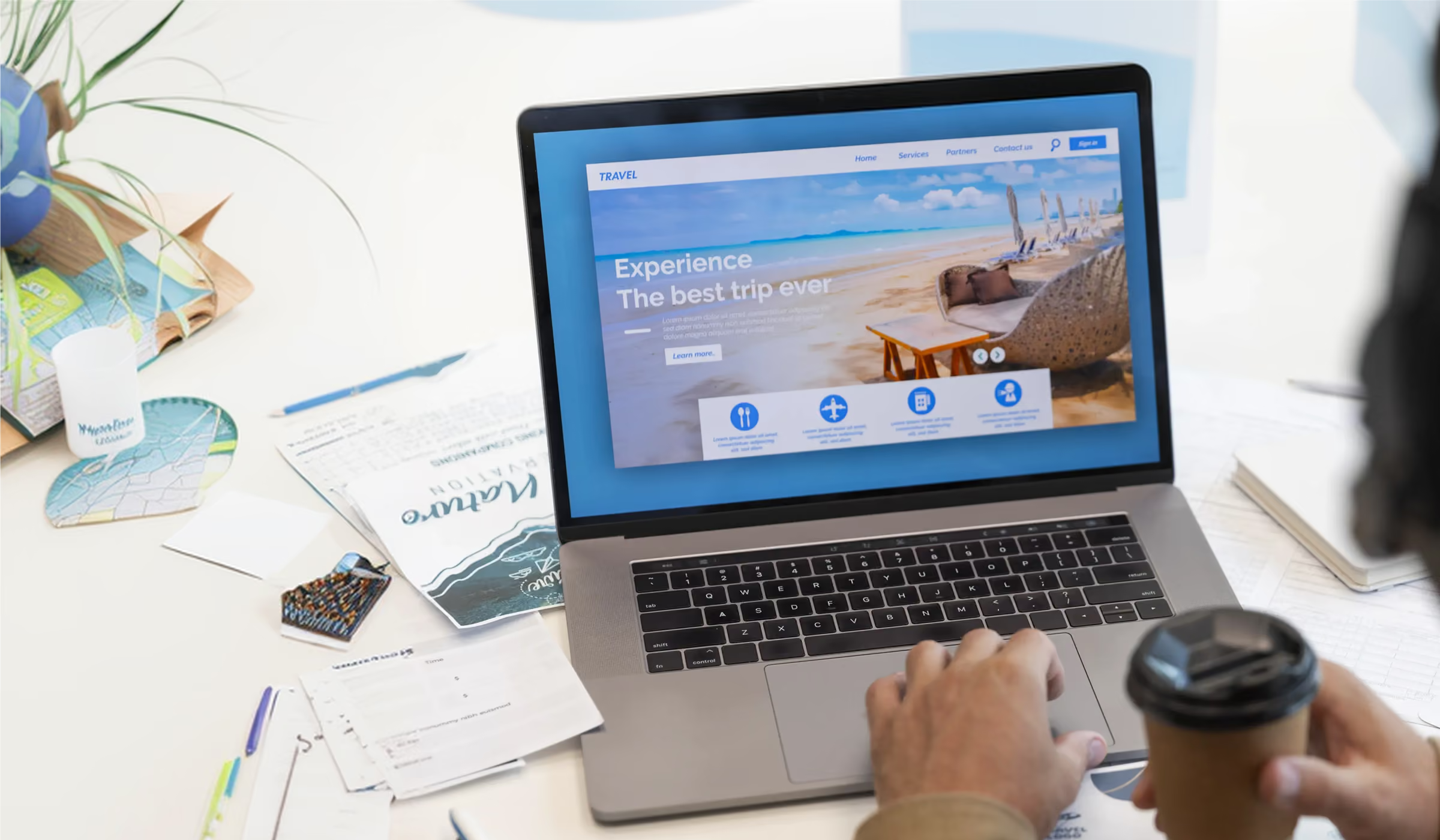
A booking storefront you own
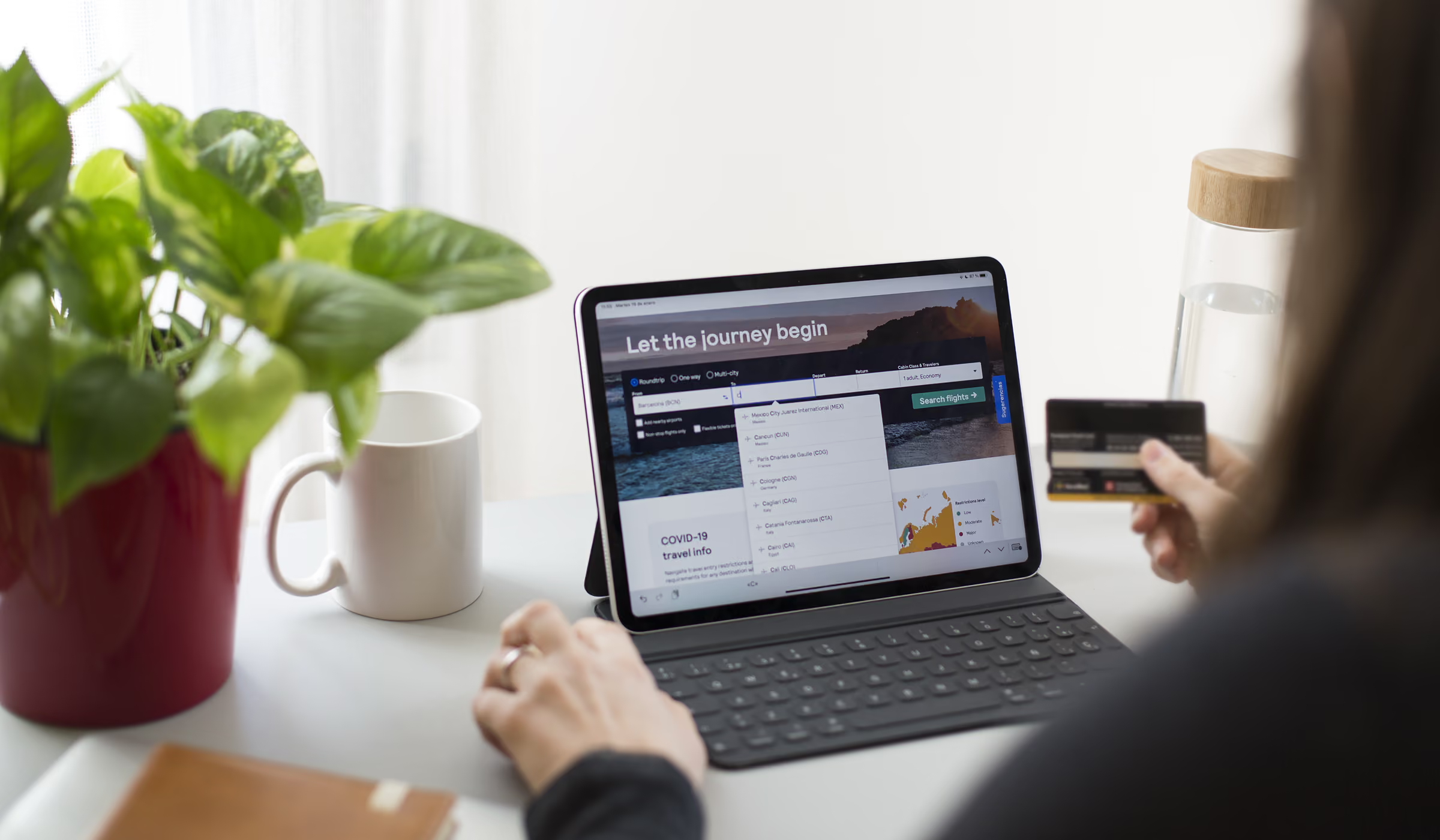
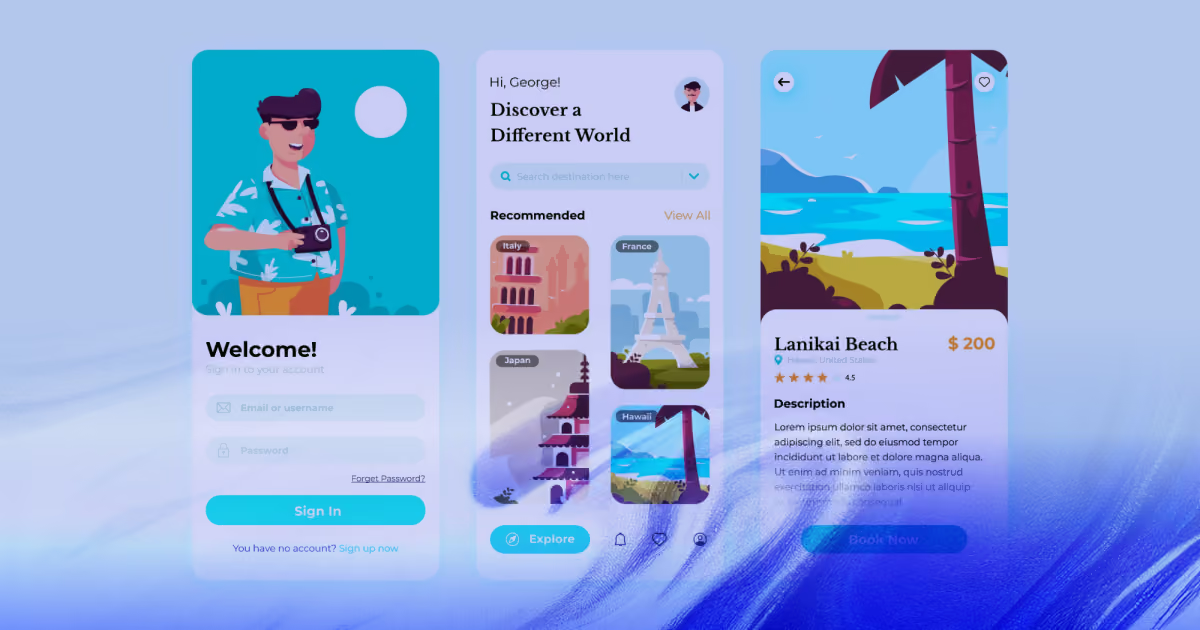
Travelers browse trips, pick dates, and pay deposits on your own website or app. Every booking comes straight to you, with no OTA commission taken.
Quotes for groups and private trips
School groups, incentive trips, and private journeys start as requests. Quotes get built, revised, and approved inside the system, then turn into bookings with one click.
Payments spread over time
Deposits, scheduled balances, and installments run automatically across cards, Flywire, and bank transfers. Krytter’s platform handles trips booked years ahead and reports in both Cash and Accrual accounting.
Operations without the paper binder
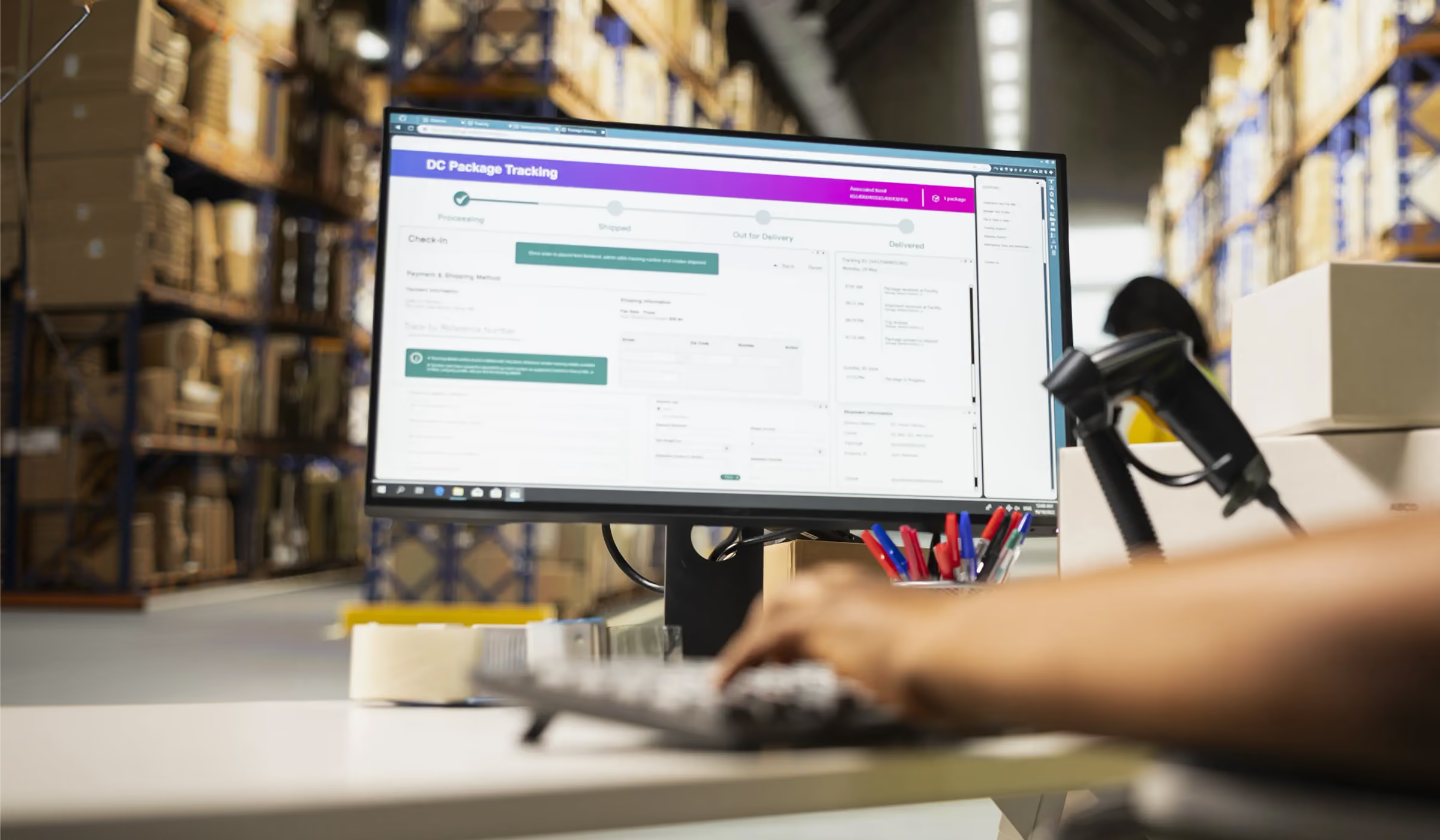
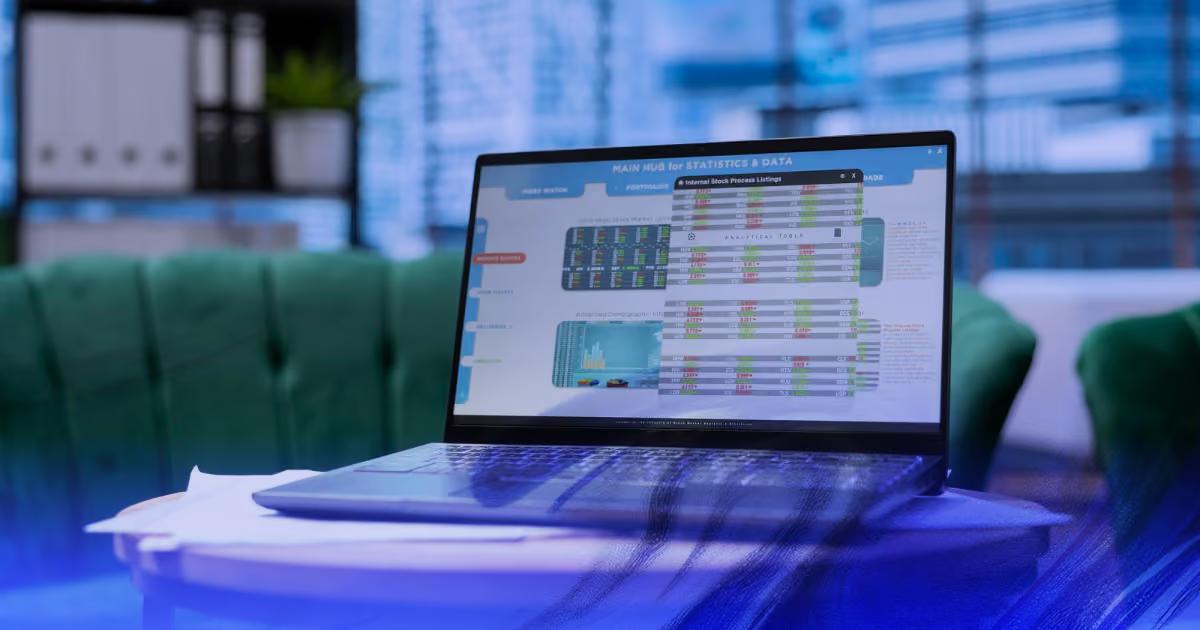
Rooming lists, passenger manifests, dietary needs, and permits are generated from bookings and sent to suppliers. Last-minute changes reach everyone who needs to know.
Apps for guides and drivers
Guides check in travelers, view manifests offline, and log incidents from their phones. The office sees updates as soon as signal returns.
Selling through agents and affiliates
Partners get their own portal with net rates, commissions, and booking history. MICRM grew to 60 new affiliates selling through its platform.
Shadow a departure
We follow one trip from first inquiry to return.
Every handoff, spreadsheet, and phone call gets noted.
Your team explains the parts nobody wrote down.
Deliverable: trip lifecycle map
Map products and rules
Departures, pricing seasons, minimums, cancellations, and payment terms are listed.
Supplier relationships and permits get documented too.
Rules become the system’s backbone.
Deliverable: product and rules catalog
Prototype the busiest screens
The ops desk view and the booking flow get designed first.
Staff and a few loyal travelers click through prototypes.
Adjustments happen while they’re still cheap.
Deliverable: clickable prototype, feedback notes
Build during the quieter months
Development runs in sprints timed around your calendar.
Each sprint delivers something your team can try.
Supplier and payment connections are tested with real data.
Deliverable: working modules, sprint demos
Go live before peak with one product line
The first trip range switches to the new system ahead of the busy season.
Old and new run side by side briefly.
Issues get fixed while volumes are manageable.
Deliverable: live product line, launch report
Bring the rest across
Remaining trips, agents, and partners move over in stages.
Guide apps and reporting expand as usage grows.
The system grows with your catalog.
Deliverable: full rollout plan, operations dashboard
What you get when you choose tour operator software development with COAX Software
40%
Profit growth at MICRM after its trip builder replaced manual packaging
60
Affiliates now selling MICRM’s tours and packages
200+
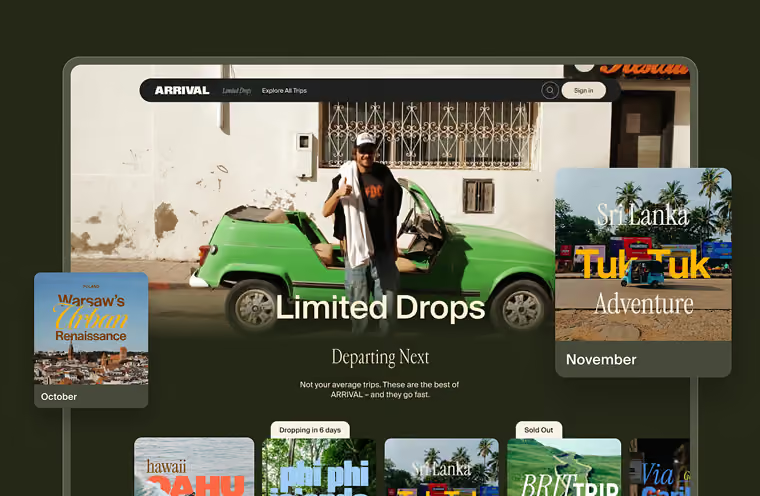
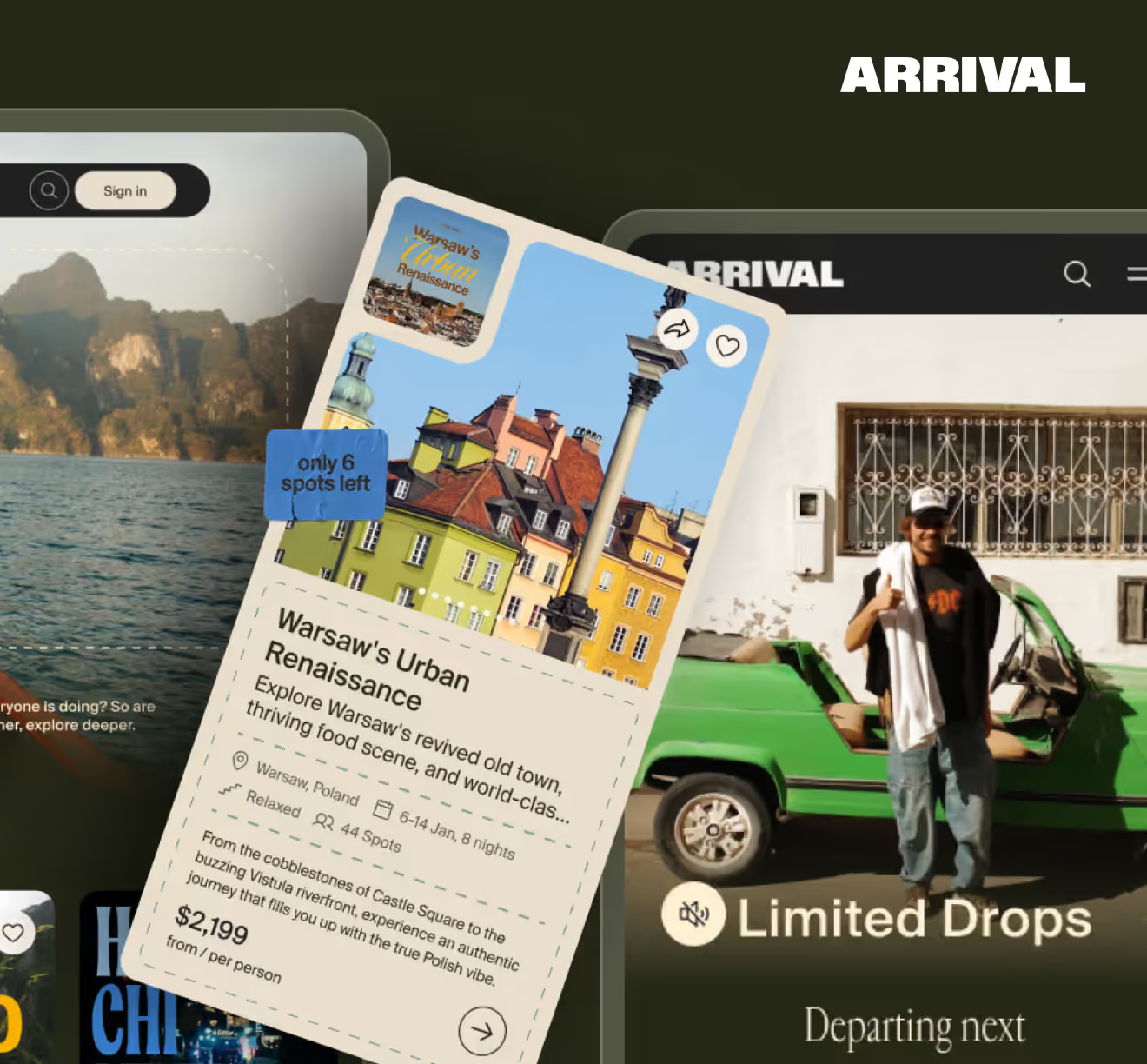
Trips booked on ARRIVAL through the brand’s own channel
400+
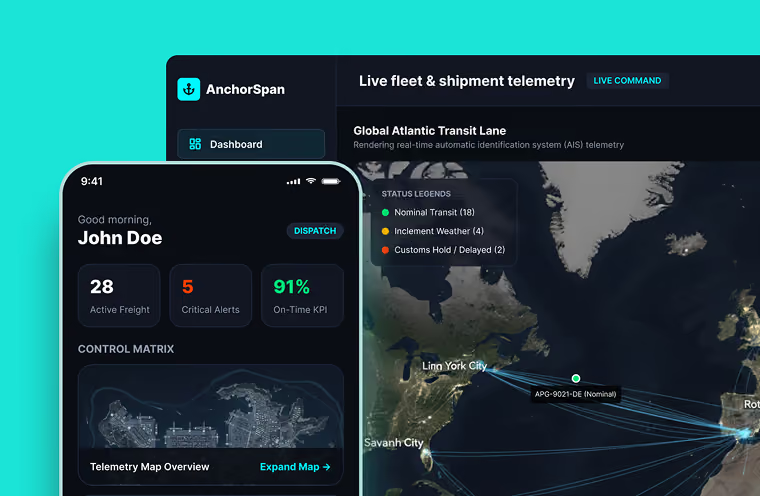
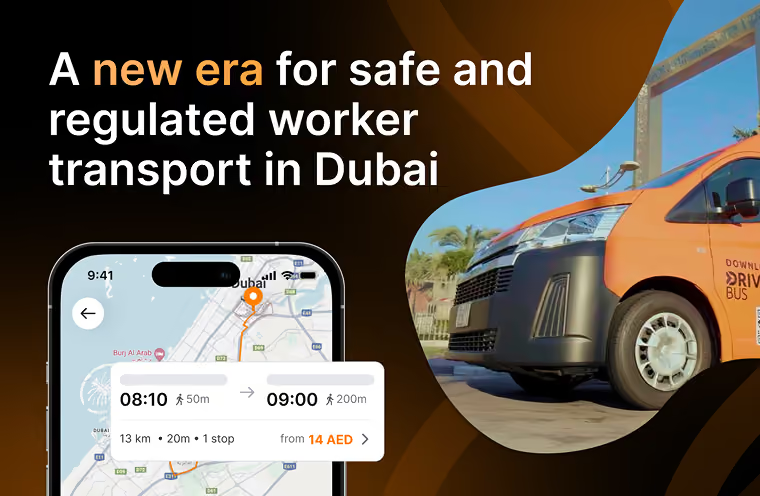
Coach and minibus operators available to groups on Driven Connect
45+
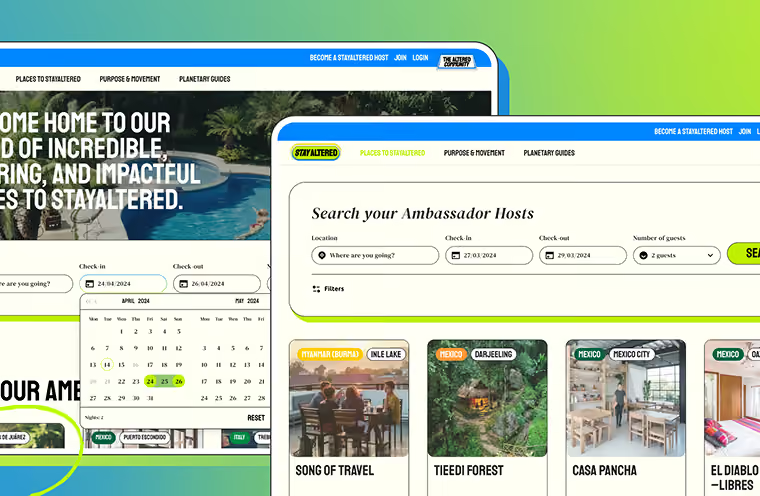
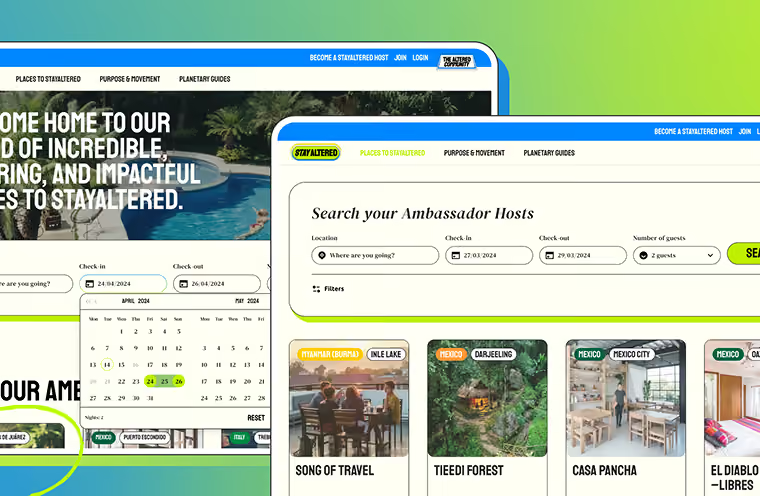
Countries where Stay Altered connects travelers with community tourism hosts
Our tour operator software development stack
Traveler and staff apps

React.js

Next.js
React Native

Payload CMS

Webflow
Back end and cloud

Ruby on Rails

Node.js

Python

PostgreSQL

AWS
Supply and maps

Nezasa

Katanox

HyperGuest

Mapbox

Google Places
CRM, payments, and accounting

HubSpot

Freshchat

Stripe

Flywire

PayPal

Xero
Safeguards for travelers, guides, and your business
Why operators pick COAX Software for tour operator software development
Odd calendars don’t scare us
Krytter’s guided trips are booked years in advance and paid in installments, with licenses tracked per trip. If your business has unusual rules, we’ve probably met something similar.
Packaging that moved the numbers
MICRM’s trip builder helped lift profit by 40% and brought in 60 affiliates. Better packaging tools tend to pay for themselves quickly.
Launches that draw a crowd
ARRIVAL’s trips made Rolling Stone within a day of launch. We plan storefronts that hold up when attention arrives all at once.
The guide’s phone matters too
Field apps that work without signal are part of how we think, drawing on transport apps we’ve built for drivers. Trips run smoothly where the office can’t reach.
FAQ
COAX Software does. We build software for tour operator businesses that covers departures, packaging, direct booking, staged payments, operations, guide apps, and agent sales, all in one connected system.
COAX Software develops it around each operator’s way of running trips. A wilderness outfitter, a coach tour company, and a creator-led travel brand each got very different platforms from us, because their trips work differently.
COAX Software provides tour operator software development from the first trip review to a full rollout timed around your season. You own the code and every pricing rule in it.
Look for a team that has built for tours specifically and can show business results. COAX Software’s work includes MICRM’s trip builder, which helped grow profit by 40%, and Krytter’s booking system for trips sold years in advance.
COAX Software can. We build management software for tour operator teams that brings rooming lists, manifests, supplier confirmations, payments, and guide updates into one place, so the operations desk stops living in spreadsheets.







What we’ll do next?
1
Contact you within 24 hours
2
Clarify your expectations, business objectives, and project requirements
3
Develop and accept a proposal
4
After that, we can start our partnership