



























































































Video telematics integration company
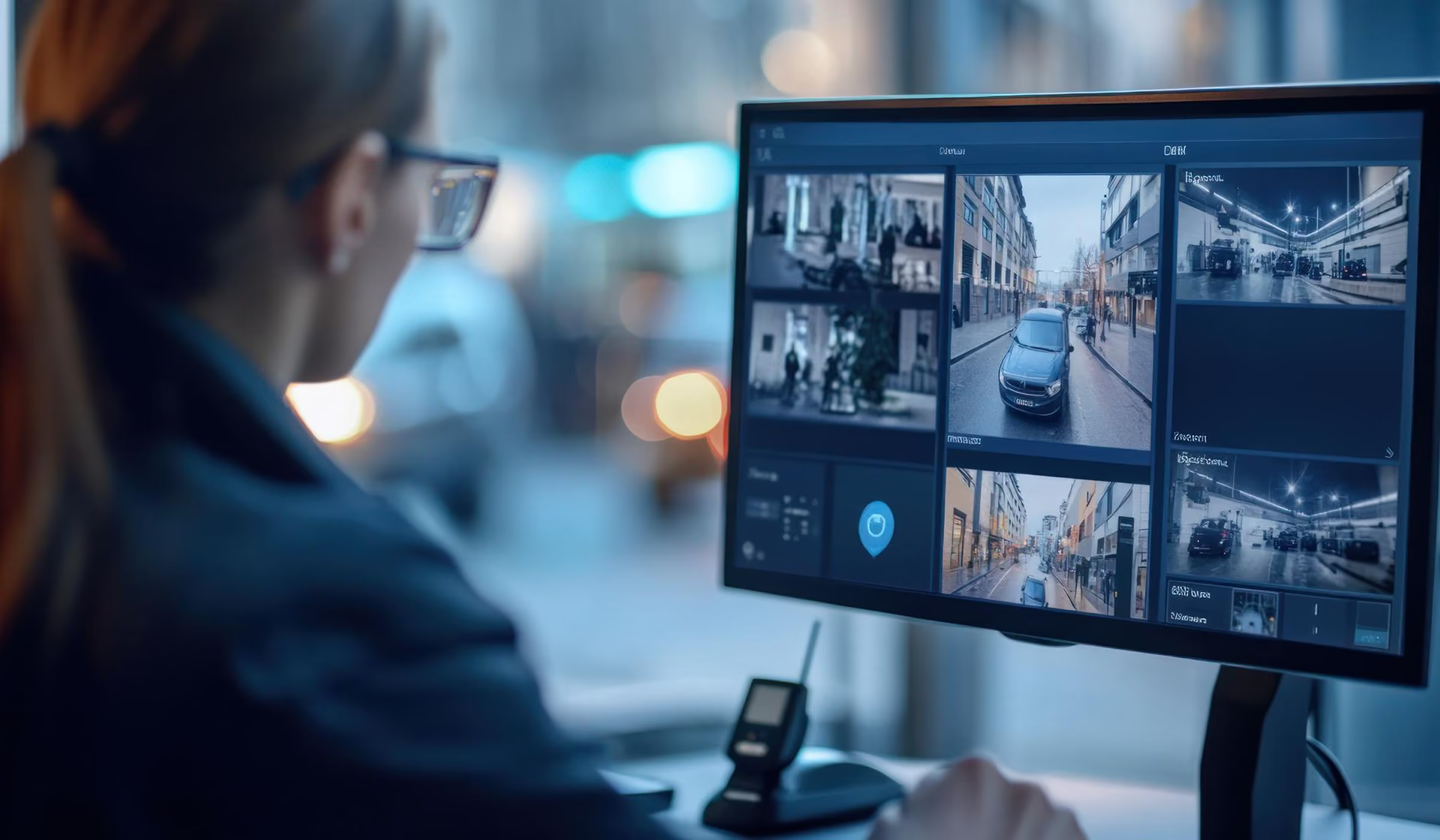
Dashcams capture the event, then it sits in a vendor portal while safety, dispatch, and HR ask for screenshots. Coaching starts days late, and nobody sees the clip beside the route, the hours, or the load. COAX Software is a video telematics integration company that moves Lytx and Netradyne events into the systems where people act.
Industry leaders we work with


What our video telematics integration covers
One event model for every camera vendor
Our video telematics API integration pulls safety events, clip links, and driver context from Lytx, Netradyne, and other dashcam makers into a single structure, so your dashboards don’t care whose camera it was.
A narrow, secure line to each platform
Every dashcam API integration runs on dedicated credentials with minimum permissions, request throttling, and secrets in a vault, so access stays controlled and traceable.
Lytx events ready to coach
Our Lytx integration delivers safety events into your coaching and HR tools with the vehicle, route, and driver attached, so a manager can act without opening another portal.
Video fused with the rest of the truck
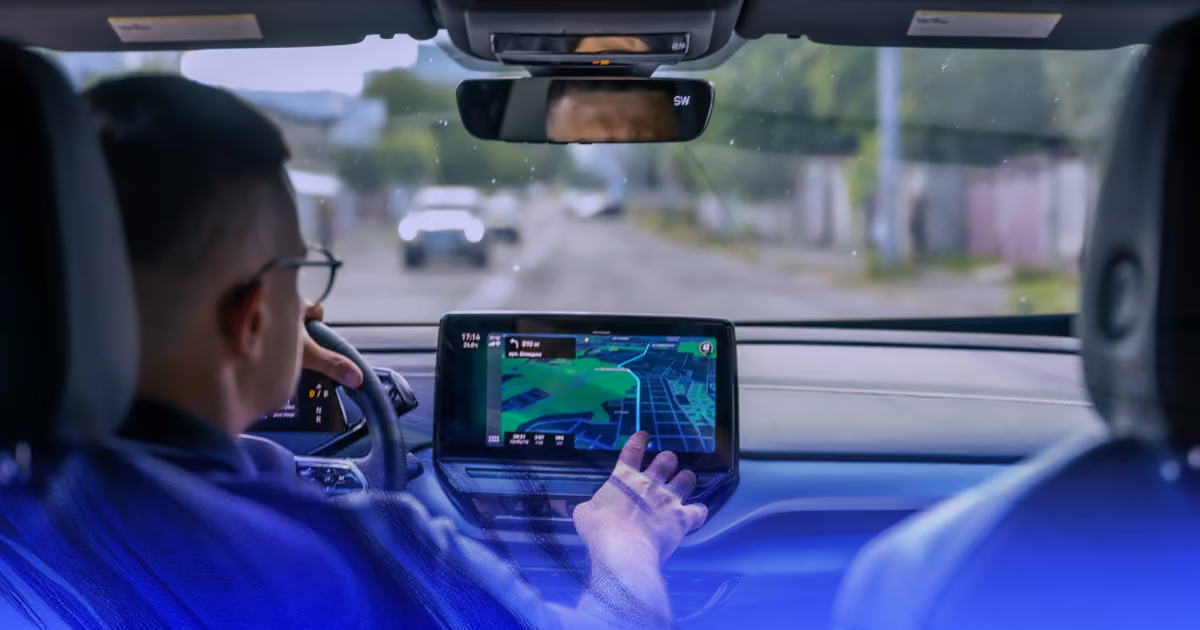
Each clip is matched to 10-second GPS, speed, and CAN-bus engine data, so a harsh-braking event shows what the vehicle was doing and where it happened.
Safety dashboards built around your questions
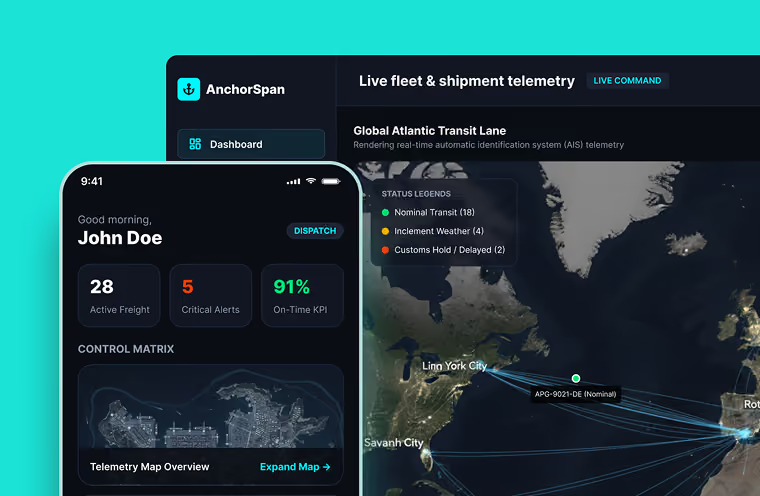
Event data is combined with routes, orders, and contracts to answer what vendor reports can’t: risk by depot, by customer, by shift pattern.
Coaching drivers will accept
Hands-free in-cab voice alerts and transparent, peer-benchmarked scorecards replace the feeling of being watched, built the way DriveIQ does it.
Fatigue and hours beside the footage
Biomathematical fatigue models and hours-of-service logs sit next to video events, so dispatchers get warned before a driver crosses a limit, not after.
Events that trigger real work
A safety event can open a one-click route recovery in dispatch, a cost record in QuickBooks, Xero, or SAP, or a check-in with face verification on the driver’s phone.
Map your camera setup and goals
Dashcam platforms, event types, vehicle groups, and driver rules are reviewed.
Safety, dispatch, HR, and accounting targets are listed.
What each team needs to see, and how fast, is agreed.
Deliverable: integration requirements
Design the data flow
Camera events are mapped to one canonical model next to GPS and engine data.
Webhook handling, polling, clip storage, and retention are planned.
Privacy rules, retries, and alerts are designed.
Deliverable: integration design and mapping spec
Build the connectors
Event ingestion, matching, and loaders are built inside a dedicated adapter per vendor.
Dashboards, driver scorecards, and mobile tools are built where needed.
Credentials and clip links are protected in a managed vault.
Deliverable: working connectors in test
Test with your real data
Past events are loaded and reconciled against each vendor’s own reports.
Edge cases, such as duplicate events, offline cameras, and driver swaps, are handled.
Throughput is tested at full fleet size.
Deliverable: test and reconciliation report
Go live and run in parallel
Live feeds start with monitoring switched on.
Vendor portals stay open until the numbers match.
Safety, dispatch, and HR teams are trained on the new views.
Deliverable: live integration
Monitor and extend
Event delivery and data freshness are checked every day.
Vendor API changes are handled before they reach production.
New camera providers and systems are added as you grow.
Deliverable: monitoring dashboard and roadmap
Results from safety and camera-based systems we built
The stack behind our Netradyne API integration work




Safeguards around your video and driver data
Why fleets choose COAX Software as their Netradyne integration company
Safety logic that changes outcomes
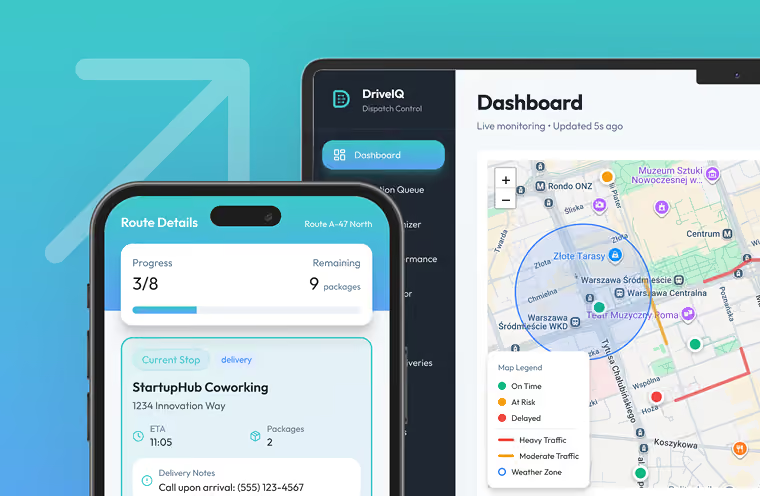
On DriveIQ, in-cab coaching cut fuel burn by 12%, and fatigue models warn dispatchers before hours limits are breached.
Camera-based identity at scale
TRI verifies workers by face across 100+ active sites and syncs approved hours to QuickBooks, which removed time fraud and cut admin from 40 hours to 5 a week.
Mobile capture that works offline
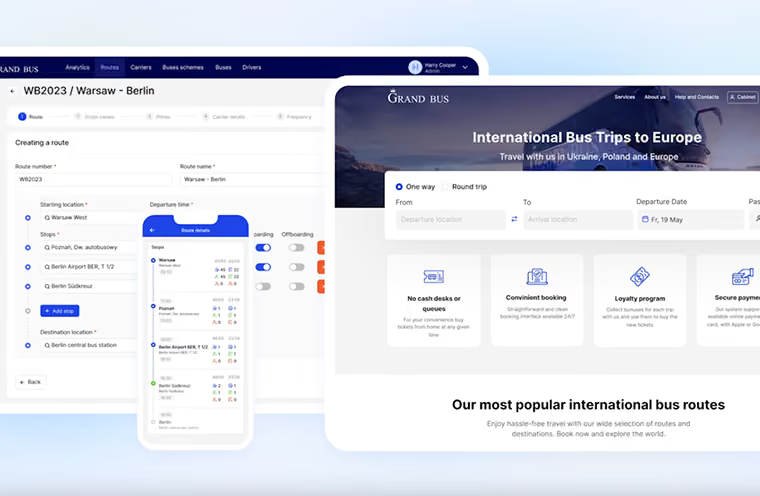
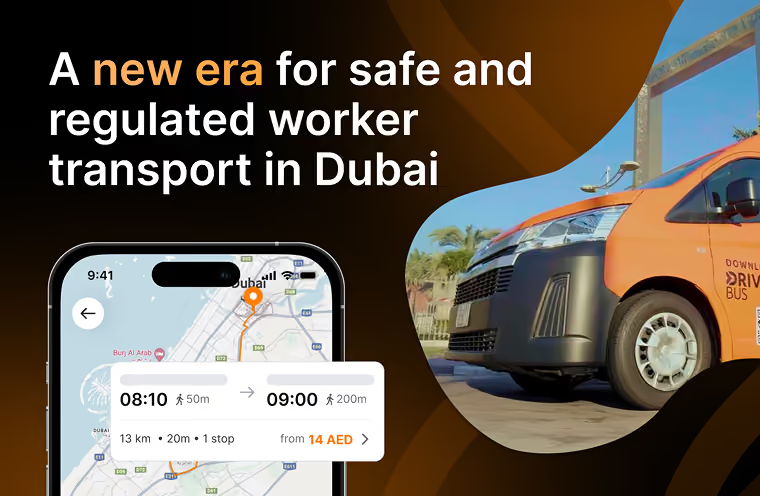
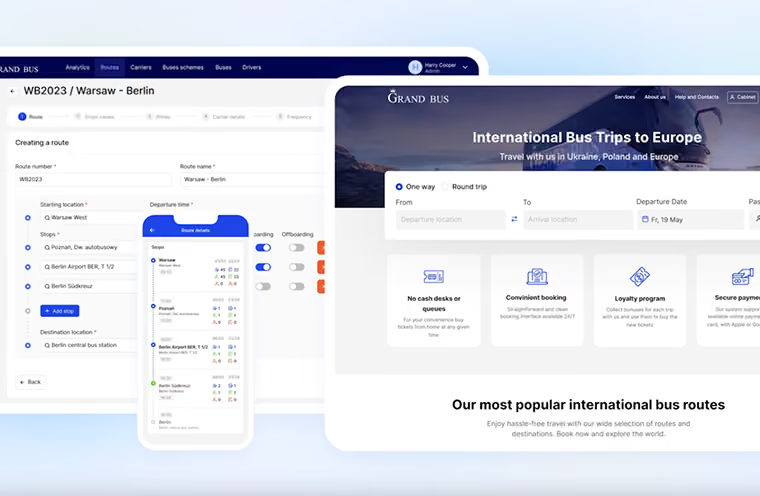
GrandBus and DrivenBus run camera scanning and 10-second driver GPS in low-signal areas, with 91% schedule adherence and location calls down from 35% to 5% per route.
Switchovers without downtime
Re:Plan changed payment providers with zero downtime. We bring the same care when a fleet moves between camera vendors or API versions.
Frequently asked questions and answers
COAX Software does. We take safety events, clip links, and driver context out of Lytx and Netradyne and deliver them to your safety dashboard, dispatch board, HR tools, and ERP, then watch each feed so a silent camera or stalled sync is noticed within minutes.
Choose a team that has handled video-event data at volume, protects driver trust, and can connect events to dispatch and finance. COAX Software brings that from DriveIQ, TRI, and GrandBus, and verified clients rate us 4.9 out of 5 on Clutch.
COAX can. If you sell fleet or safety software, we add Lytx and Netradyne as data sources inside your product: connectors, a shared event model, tenant-aware access, and the screens your customers use, alongside feeds from other camera and telematics vendors.
Coaching that starts days late, repeat incidents, and clips no one can tie to a route or a load. Safety, dispatch, and HR also end up asking each other for screenshots. A Netradyne integration company puts every event next to the data that explains it and alerts the right person at once.
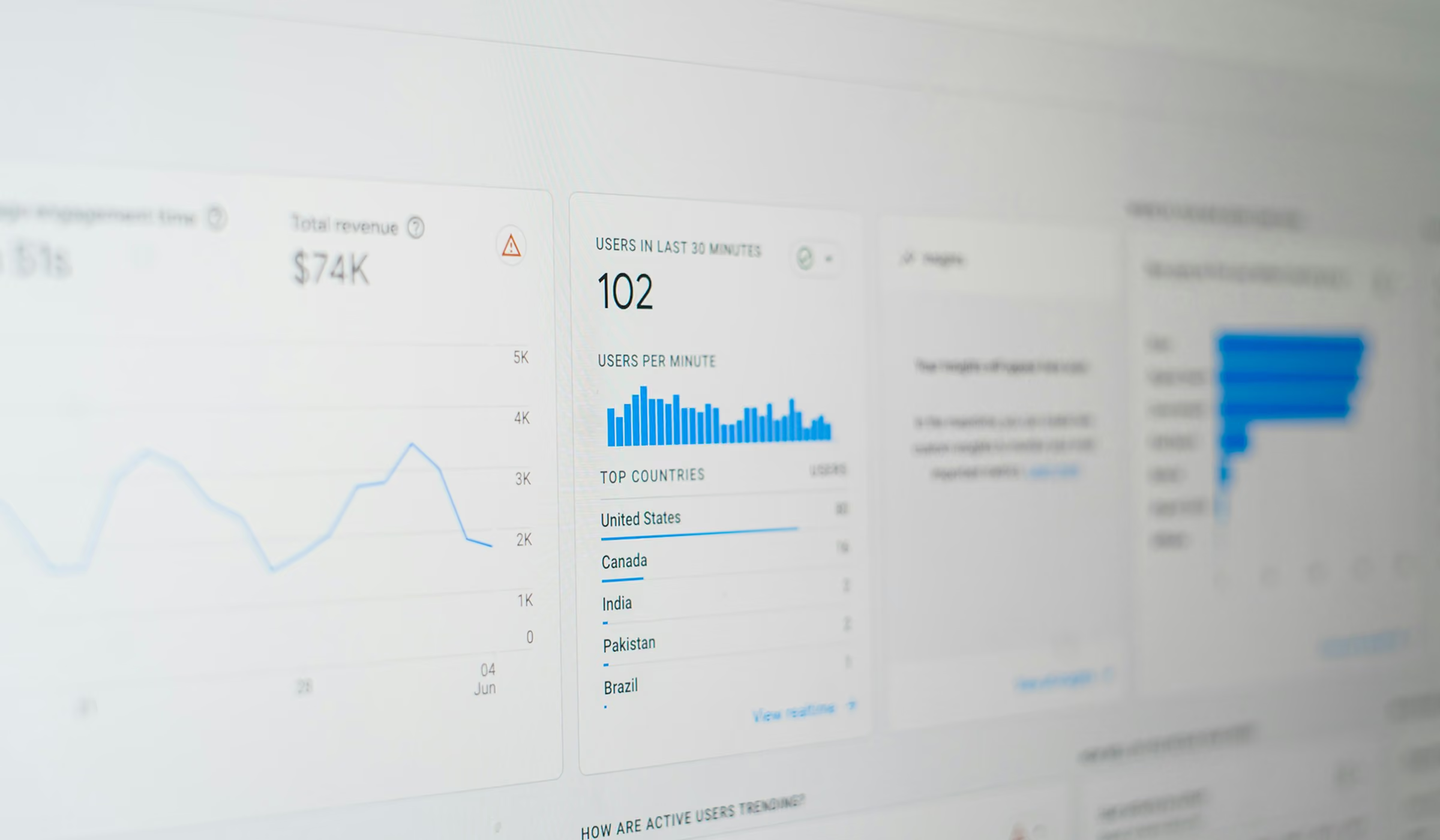
We can. Events arrive continuously, are matched to GPS, speed, engine data, and hours of service, and appear in a dashboard you own, filterable by driver, depot, customer, or contract, with links back to the original clip.
COAX Software specializes in telematics pipelines, driver-safety systems, and computer-vision workflows, with 16 years in transport and logistics. DriveIQ’s coaching engine, TRI’s face verification, and GrandBus’s camera scanning are the nearest examples.
Our closest published cases are DriveIQ, where safety incidents fell 38% and 40+ hours-of-service violations were prevented in one quarter, and TRI, where face verification ended buddy punching. We haven’t published a Lytx or Netradyne case yet, and we’d rather say so openly.
They can, which is why design matters. A Netradyne integration company should keep scorecards transparent, benchmark against peers rather than singling anyone out, and deliver coaching as in-cab audio. On DriveIQ that approach cut safety incidents and lowered driver turnover by 22%.






What’s Next?
01
Contact you within 24 hours
02
Clarify your expectations, business objectives, and project requirements