



















































QA testing for travel software
Travel bugs are strangely specific. A midnight UTC booking glitch, a child aging into adult pricing mid-trip, a rounding error in yen, or a double-booked seat. Generic test scripts rarely catch issues like that. Our QA testing for travel software does. We test the journeys your travelers actually take, automate the ones you can’t afford to break, and wire the checks into every release.
Industry leaders we work with


Where our QA testing for travel software focuses
End-to-end booking journeys
Search, select, pay, and confirm get tested on web and mobile the way real travelers use them. Cypress, WebDriverIO, and Appium repeat those journeys on every build.
Supplier API and contract tests
Suppliers don’t always answer the same way. Mocked responses for sold-out rooms, price changes, slow replies, and odd error codes show how your platform reacts before a real supplier surprises you.
Payments, refunds, and currencies
Test cards cover approvals, declines, 3D Secure challenges, partial refunds, installments, and multi-currency rounding. Every cent should land where it’s supposed to.
Dates, time zones, and calendars
Daylight saving switches, cutoff times, leap years, and bookings made years ahead hide some of the nastiest travel bugs. We test them on purpose.
Load and spike testing
JMeter and k6 simulate launch-day rushes and peak-season searches. You see where the platform slows down while there’s still time to fix it.
Mobile apps on real devices
Driver and traveler apps get tested on real phones with weak signal, airplane mode, and low battery. Offline features like QR ticket scanning get checked where they’ll actually be used.
Accessibility checks
Screen readers, keyboard navigation, and contrast tests run against EAA 2025 and WCAG 2.1 AA. Date pickers and seat maps get extra attention, since they’re often the first to fail.
Regression suites in your pipeline
Automated tests run in GitHub Actions on every change. Failing checks block risky releases, and flaky tests get fixed so the team keeps trusting the results.
Map the risky journeys
We list the flows that cost the most when they break.
Bookings, payments, supplier calls, and cancellations usually top the list.
Each gets a risk rating.
Deliverable: risk map
Write the test strategy
We decide what to test manually, what to automate, and what to load-test.
Environments, test data, and supplier mocks are planned.
Your team agrees on what “done” means.
Deliverable: test strategy
Build the safety net
The most critical journeys get automated first.
Manual testing covers new features and exploratory work.
Bugs are logged with clear steps and evidence.
Deliverable: first automated suite, bug reports
Wire tests into CI
Automated checks run on every pull request.
Results appear where developers already work.
Releases wait until key tests pass.
Deliverable: CI test pipeline
Rehearse the busy day
Load and spike tests mimic launches and peak seasons.
Bottlenecks are reported with numbers attached.
Fixes get retested under the same pressure.
Deliverable: performance test report
Keep the tests smooth
Flaky tests get repaired, and coverage grows with new features.
Monthly reports show quality trends.
The suite stays useful as the product changes.
Deliverable: quality dashboard, monthly QA report
Results of COAX’s test automation for travel platforms
99.7%
Offline ticket scan accuracy on DrivenBus driver apps
3.2 s
Average boarding time per passenger with offline validation on DrivenBus
99.7%
User verification accuracy on Re:Plan’s resale marketplace
120,000+
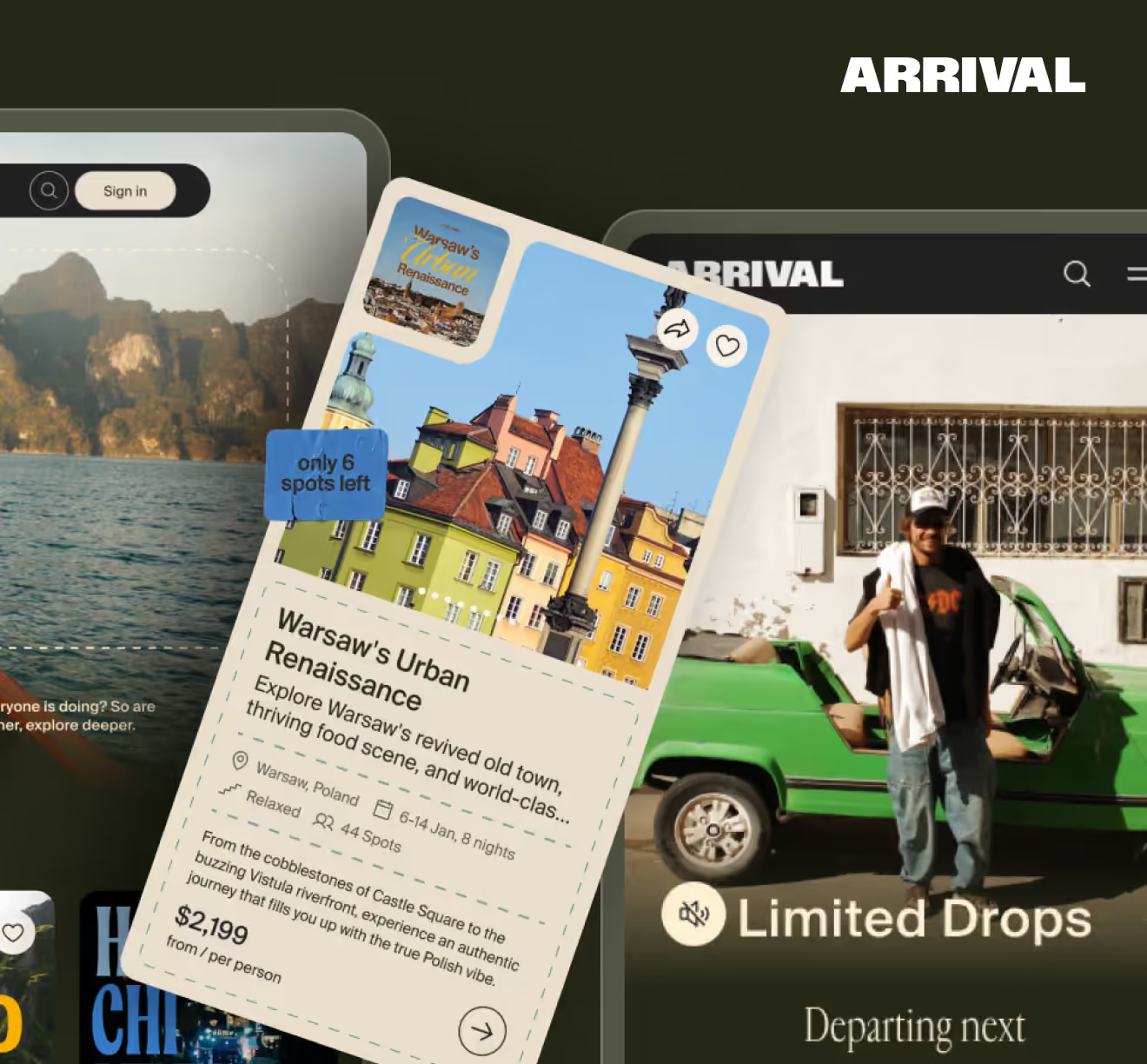
Early access sessions ARRIVAL handled before public launch
~99%
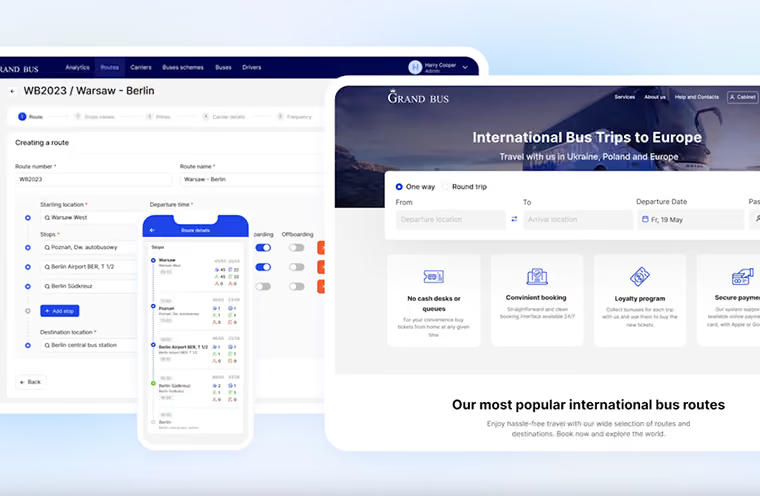
Route reporting accuracy on GrandBus after paper and Excel were retired















What makes our QA testing for travel software bulletproof
Why travel teams choose COAX for QA testing for travel software
Testers who know what a hold is
Our QA engineers work on booking engines, marketplaces, and transport apps. Supplier holds, cancellation windows, and installment schedules are on their checklist from day one.
Edge cases taken from real platforms
Multi-year bookings, offline QR scans, multi-currency payouts, and creator-scale launches have all shaped how we test. Those lessons go straight into your test plan.
Testers and developers in the same sprint
QA works inside the delivery team, so bugs are discussed, fixed, and retested in hours. Quality improves while features are still fresh in everyone’s mind.
Test suites that stay yours
Every script, mock, and pipeline config lives in your repository. Your team can run, extend, or hand them over whenever it wants.
FAQ
COAX Software does. Our QA services for travel software cover booking journeys, supplier APIs, payments, time zone edge cases, mobile apps, accessibility, and load testing, with automation built into your release pipeline.
COAX tests for tour operators, booking marketplaces, transport companies, and travel startups. We combine manual exploratory testing for new features with automated suites for the flows that must never break.
Look for testers who understand bookings, suppliers, and payments, not just buttons and forms. COAX Software’s QA engineers work on travel products every day, under ISO 9001 and ISO/IEC 27001 certified processes.
COAX Software offers QA services for travel software and the systems around it, from traveler apps to admin panels and supplier connections. Testing can run as a standalone engagement or inside your development team.
COAX Software can. End-to-end tests follow a traveler from search to confirmation and on to changes or cancellations, across web and mobile. They run automatically on every build, so broken journeys never reach production.
COAX Software does. Our test automation for travel platforms starts with the riskiest journeys, like booking, payment, and supplier responses, and grows from there. Tests run in CI and live in your repository.
Several QA firms offer automation. The difference lies in what gets automated. COAX Software focuses on travel-specific risks: price changes between search and checkout, sold-out inventory, refunds in multiple currencies, and date edge cases.
COAX provides them for web and mobile apps, including offline-first tools for drivers and staff. Appium and real-device testing check how apps behave on weak networks, which is where travel apps get used most.
COAX Software can. We automate the full booking path first, mock supplier and payment responses to cover rare failures, and add load tests before busy seasons. Your team gets a dashboard showing what’s covered and what isn’t yet.
COAX Software can, including the back-office side that often goes untested: reservation changes, supplier confirmations, payouts, and reports. Automated checks there catch the costly mistakes that travelers never see but finance always does.









What we’ll do next?
1
Contact you within 24 hours
2
Clarify your expectations, business objectives, and project requirements
3
Develop and accept a proposal
4
After that, we can start our partnership