














































































































B2B SEO for transportation software companies
Your blog brings in traffic, but none of it buys. While drivers, students, and job seekers read your posts, buyers landing on competitor comparison pages are ready to purchase. Traffic rises, demos stay flat, and leadership questions SEO value. COAX Software runs B2B SEO for transportation software that targets the searches buyers make right before they talk to sales, builds the pages that answer them, and reports results in pipeline.
Industry leaders we work with



Your organic traffic is growing. Why aren’t there demo requests?
Transportation software is a small, technical market. A few hundred well-qualified searches a month can be worth more than a hundred thousand casual ones, yet most SEO work chases volume. The result looks good in a monthly report and does nothing for sales.
Traffic from people who will never buy
Posts on “what is telematics” or driver salary guides bring thousands of visits. Almost none of them come from someone choosing a platform.
Buyer searches lead somewhere else
Queries like “best TMS for small carriers” or “alternatives to your competitor” are answered by review sites and rival comparison pages.
Product pages Google struggles to read
Heavy JavaScript, gated docs, and thin feature pages leave search engines with little to rank and nothing to explain.
Nobody can connect SEO to revenue
The CRM doesn’t track organic sources properly, so SEO budget gets defended with traffic charts that sales leaders ignore.
Organic growth we’ve delivered and measured
95%
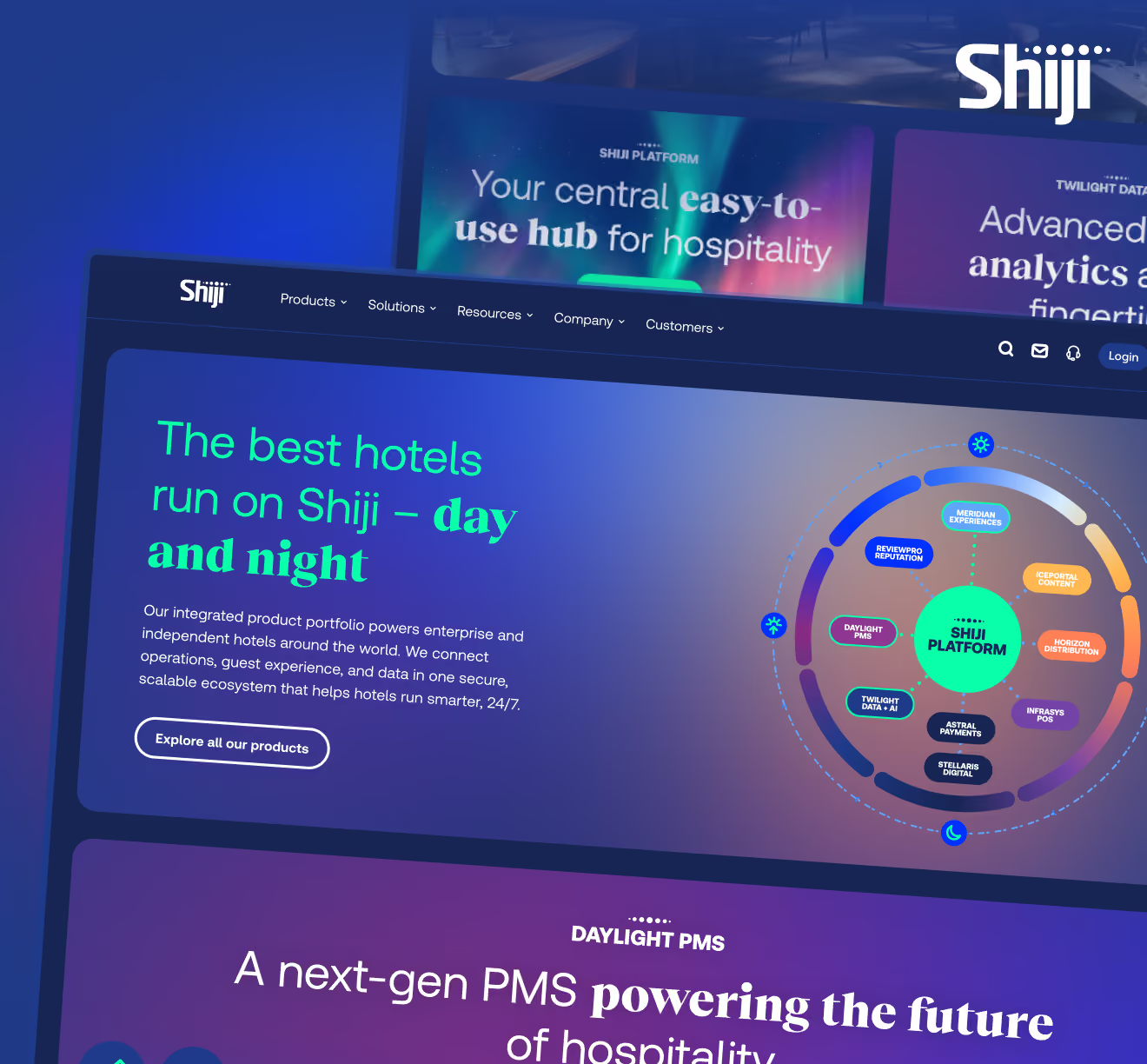
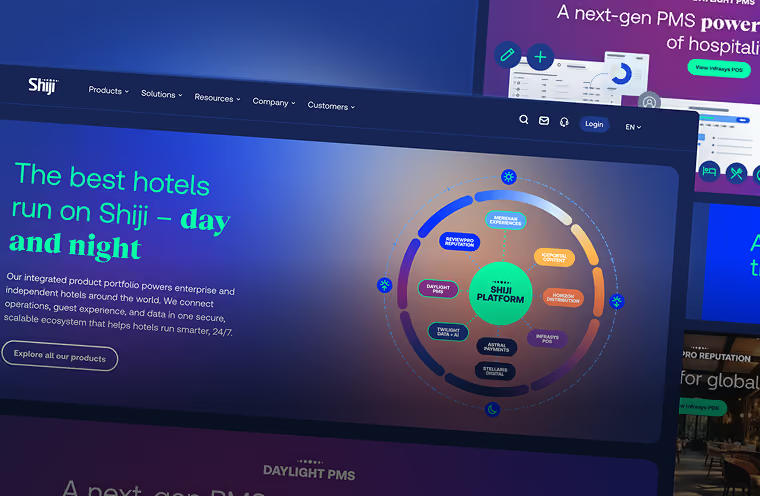
Growth in organic search traffic after the Shiji website redesign
17%
Organic search growth, alongside 125% more visits from AI assistants
125%
More visits from ChatGPT, Perplexity, and Gemini in the same period
20%
Of our own website traffic now comes from Google AI Overviews
How our B2B SEO for transportation software turns searches into sales conversations
We start from what your sales team hears, build the pages buyers need, fix the technical foundation ourselves, and connect every result to your CRM. Strategy and execution stay with one team.
Keyword research from sales calls
High-value keywords in transport software rarely show up in generic tools. They live in sales calls, lost-deal notes, and support tickets, so we build keyword research from sales calls, CRM data, and competitor rankings.
Search intent mapping
We separate buyers from researchers and job seekers, so effort goes to the searches that come right before a demo.
Content plan ranked by pipeline value
Every page in the plan is ranked by expected pipeline value and gets a date and an owner.
Pages for each buyer segment
Fleet managers spot vague copy instantly. We write use-case, comparison, alternative, and integration pages that explain hardware support, compliance rules, and workflows accurately.
Compliance and workflow explainers
Reviewed with your product team before they go live, so every claim matches how your product really works.
Technical fixes shipped by developers
Structured data, speed improvements, and crawl and rendering fixes are shipped by our own developers, with no ticket queue at another vendor.
CRM attribution for organic search
SEO earns its budget when sales leaders can see the opportunities it creates. We track organic visits, demo requests, and qualified opportunities from first visit to signed deal.
Shared pipeline dashboard
Rankings, conversions, and pipeline by page in one place that marketing and sales both use.
Monthly reviews
Underperforming pages get rewritten or retired, and new sales questions feed the next round of content.
Listen to sales
We interview your sales and customer success teams.
Buyer questions, objections, and competitor mentions get collected.
These become the backbone of the keyword plan.
Deliverable: buyer question map
Audit the site and the market
Rankings, technical health, and content quality are reviewed.
Competitors’ best-performing pages are analyzed.
Tracking gaps in GA4 and your CRM get flagged.
Deliverable: SEO and tracking audit
Plan by pipeline value
Keywords are grouped by buyer stage and deal potential.
Quick wins are separated from long-term authority work.
Every page gets an owner and a publish date.
Deliverable: 90-day SEO roadmap
Fix and build
Developers resolve crawl, rendering, and speed issues.
Buyer-intent pages go live in weekly batches.
Attribution is connected to your CRM.
Deliverable: technical release, live pages
Earn authority
Mentions and links are earned from logistics and transport publications.
Integration partners and directories link back to you.
Review profiles are completed and kept current.
Deliverable: placements and backlinks
Report on pipeline
Rankings, demo requests, and opportunities are reviewed monthly.
Pages that don’t convert get reworked.
New sales questions feed the next content round.
Deliverable: pipeline dashboard, monthly review
SEO priorities for each kind of transportation software
Fleet management and telematics
Strategy: rank for the operational problems fleet managers search for, like maintenance scheduling, fuel monitoring, and driver behavior. Execution: pages by fleet type and size, plus compliance explainers and hardware compatibility lists. Measured by: demo requests from fleet-specific pages.
TMS and freight platforms
Strategy: own carrier and shipper searches around load planning, tendering, and proof of delivery. Execution: workflow pages, integration listings, and comparison content for each customer segment. Measured by: qualified opportunities sourced from organic.
Passenger transport and ticketing
Strategy: capture operators researching ticket validation, route management, and passenger apps. Execution: feature pages for offline check-in, passes, and scheduling, plus case-led content. Measured by: inbound requests from bus, shuttle, and transit operators.
Driver workforce and dispatch
Strategy: reach employers searching for driver verification, shift planning, and compliance tools. Execution: problem-led guides and region-specific pages for local regulations. Measured by: trial sign-ups and sales calls from organic search.
Mobility marketplaces
Strategy: grow both sides of the marketplace through search. Execution: location, category, and operator pages built to scale without thin content. Measured by: supply-side sign-ups and buyer requests from organic.
Who our B2B SEO for transportation software is for
SaaS teams without in-house SEO
Your marketers juggle events, product launches, and sales enablement. We bring strategy, writers, and developers as one team, so organic growth doesn’t wait for a hire.
Platforms with traffic but few demos
The blog performs, and the pipeline doesn’t. We shift effort toward buyer-intent pages and fix the tracking, so you can see which pages actually create opportunities.
Vendors entering new markets
Expanding from the US to Europe, or from trucking into transit, means new terms, regulations, and competitors. We build localized pages and keyword plans for each market you enter.
The stack behind our transportation SEO work
Research and auditing

Google Search Console

Screaming Frog

Ahrefs
Analytics and attribution

Google Analytics 4

Google Tag Manager
HubSpot

Looker Studio
Site platforms we work in
Webflow

Next.js

Payload CMS
Structured data and performance

Schema.org JSON-LD

Google Core Web Vitals

Lighthouse
Why transport SaaS teams trust COAX Software with B2B SEO for transportation software
Frequently asked questions and answers
COAX Software does. Our B2B SEO for transportation software combines keyword research from sales calls, buyer-intent pages, developer-led technical fixes, earned authority, and CRM attribution, all run by one team that also builds transport products.
Ratings matter, but check how an agency measures success. COAX Software is rated 4.9/5 on Clutch and reports SEO results in demo requests and opportunities, with rankings as a supporting signal. Ask every agency you consider which metric its monthly report leads with.
Any provider worth hiring should show you how it tracks organic search through to closed deals before you sign. COAX Software sets up that attribution in GA4 and your CRM during the first weeks, so pipeline from organic becomes visible from early in the engagement. We can walk you through the reporting setup on a call.
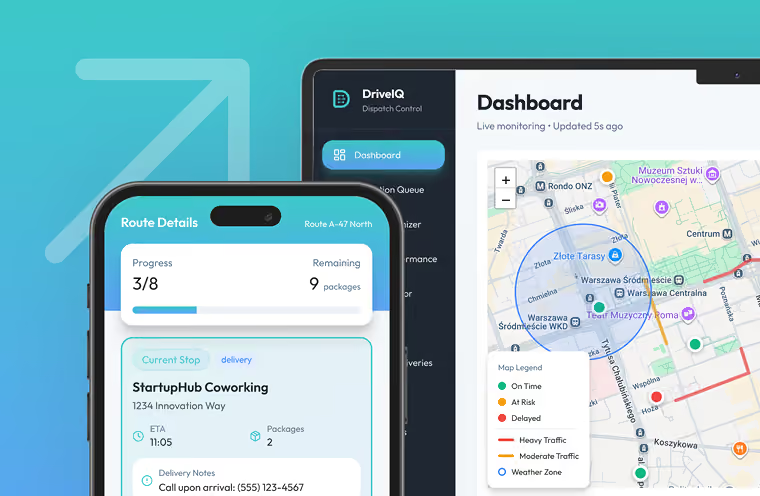
We haven’t published a telematics SEO case study yet, so we won’t claim one. What we bring is hands-on experience building telematics and fleet products like DRVR and DriveIQ, which means we know the hardware, data, and safety questions telematics buyers search. Our SEO process is built to grow demo sign-ups and measure them directly.
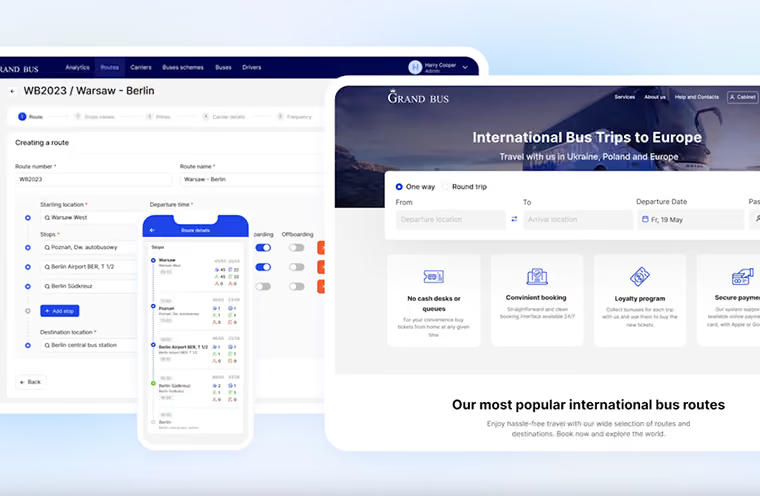
COAX Software’s transport track record comes from building platforms such as Driven Connect, DrivenPeople, GrandBus, and DRVR. Our marketing results include 95% organic growth for Shiji. We combine both, so your SEO is planned by people who understand transport software and know how to grow organic search.
Yes, if the right people are searching. In transport software, a keyword with fifty monthly searches from fleet directors can bring more revenue than one with thousands from casual readers. We prioritize by buyer value and deal size, and volume comes second.
Technical fixes and improvements to existing pages can lift rankings within weeks. New buyer-intent pages usually start bringing qualified traffic within three to six months, depending on competition and your site’s current authority.
They share a foundation. Fast, well-structured pages with clear facts rank better in Google and are easier for AI assistants to quote. We build every page for both, and we offer dedicated AI search work when you want to go further.










What we’ll do next?
1
Contact you within 24 hours
2
Clarify your expectations, business objectives, and project requirements
3
Develop and accept a proposal
4
After that, we can start our partnership