











































































































Positioning and messaging for transportation SaaS
Cover your logo, and could a fleet buyer tell your homepage from your three biggest competitors’? Most can’t, so they choose the name that feels safest. COAX Software does positioning for transportation software companies that finds the angle only you can claim, names the exact buyer it serves, and turns it into messaging your whole team can use.
Industry leaders we work with



The product is genuinely better. Why does the market still see a lookalike?
Transport software categories are crowded with similar claims. When every vendor promises visibility, efficiency, and an all-in-one platform, buyers fall back on brand size, price, and familiarity, and smaller or newer players lose by default.
Same words as everyone else
“Real-time insights,” “seamless operations,” “end-to-end platform.” Buyers have read it on every site in the category and stopped noticing.
A feature list without a story
The website lists forty capabilities and never explains which problem matters most or why your approach solves it better.
One message for a whole committee
Finance, IT, and operations each evaluate differently. A single generic pitch leaves each of them unconvinced for their own reasons.
Stuck at the size you started
You want enterprise fleets, but your messaging still speaks to small operators. Larger buyers don’t recognize themselves in it.
Products with a sharp angle, and what they went on to achieve
400+
Coach operators on Driven Connect, a marketplace with carbon tracking built in
99.7%
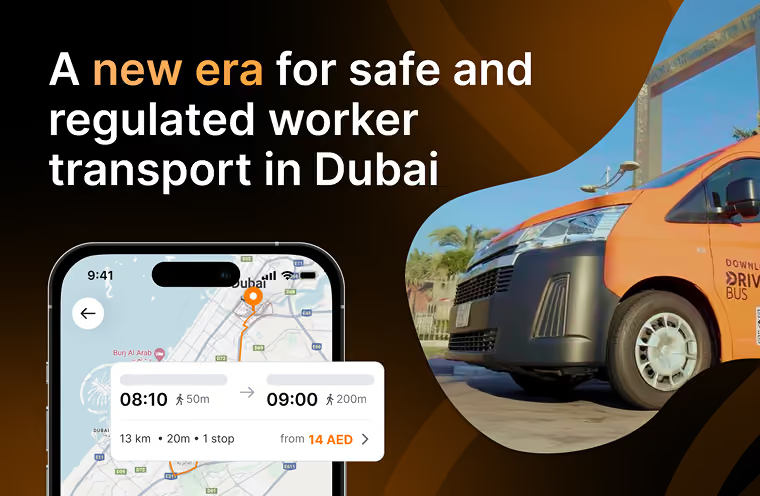
Offline ticket scan accuracy for DrivenBus, built for one clearly defined shuttle audience
3.2 s
Average boarding time per DrivenBus passenger
€30,000+
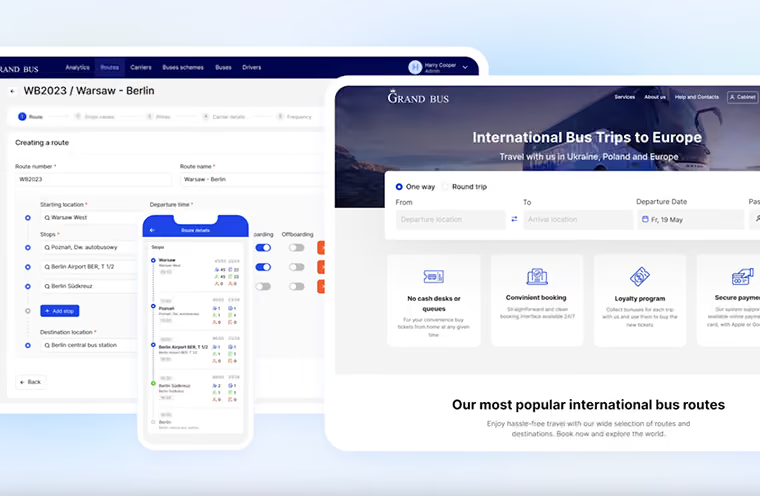
Saved every year by GrandBus after choosing to own its sales channel
Positioning and messaging services for transportation software
Customer and market research
Interviews, win-loss analysis, and competitive research that ground every choice.
Competitive positioning
A clear segment, category frame, and value promise that set you apart.
Messaging framework
A core promise, pillars, and proof points your whole company can use.
Role-based messaging
Tailored versions for finance, technology, and operations buyers.
Sales narrative and deck
A story and slides that guide prospects from problem to decision.
Website messaging rollout
Rewritten pages that bring the new positioning to life.
Hear it from customers
Current customers, lost prospects, and churned accounts are interviewed.
Sales and support share the objections they hear most.
Patterns appear in how buyers describe the problem.
Deliverable: interview findings
List the real alternatives
Competitors, internal tools, and the status quo are compared.
Each alternative’s strengths and gaps are mapped honestly.
Your openings become clear.
Deliverable: competitive alternatives map
Pin down unique value
Capabilities are matched to the outcomes only they enable.
Claims are checked against product facts and customer results.
Weak or common claims get dropped.
Deliverable: unique value list
Choose the segment and frame
The best-fit buyer is defined in detail.
A category frame is chosen to highlight your strengths.
Leadership aligns on the choice.
Deliverable: positioning statement
Write the message hierarchy
A core promise, three pillars, and proof points are drafted.
Role-specific versions are written for each buyer.
A short story for sales calls is included.
Deliverable: messaging framework
Test and roll out
Messages are tested with real buyers and small campaigns.
The website, deck, and battlecards are updated.
Teams are trained to tell the same story.
Deliverable: updated assets, rollout guide
Who our positioning for transportation software companies is for
Challengers facing bigger rivals
You can’t outspend the market leaders. We help you win on precision instead, with a segment and promise they’re too broad to match.
Vendors moving upmarket
Enterprise fleets and carriers expect different proof: integrations, security, and rollout plans. We reshape your story so larger buyers see themselves in it.
Teams after a pivot or new product
The product changed, but the message didn’t. We realign positioning so the market understands what you offer today.





Why transport software teams trust COAX Software with positioning for transportation software companies
FAQ
COAX Software does. We interview your customers, map real alternatives, define your best-fit segment, and build messaging for every buying role. Then we roll it out across your website, decks, and sales material.
Look for a firm that talks to your customers, includes your sales team, and rewrites your assets afterward instead of handing over a slide deck. COAX Software does all three and is rated 4.9/5 on Clutch.
Watch for long sales cycles with lots of “we’ll think about it,” prospects comparing you mainly on price, and sales reps each describing the product differently. Those are classic signs. Positioning for transportation software companies fixes the root cause, so marketing and sales stop compensating for an unclear story.
Enterprise buyers ask about integrations, security, references, and rollout risk long before price. We reframe your story around those concerns, add proof like ISO/IEC 27001 practices, and write separate versions for the larger committee you’ll face.
Challengers win by being more specific. We’d look for a fleet type, region, or outcome where incumbents feel generic, then build your message around owning it. Driven Connect shows the approach: built-in emissions and carbon tax tracking gave it a clear angle in a crowded hire market.
COAX Software has built transport products like Driven Connect, DrivenBus, and GrandBus, each designed for a clearly defined audience. We haven’t published a positioning case study for a transport client yet, and we’d rather say so. Our product background helps us find claims that are both distinctive and true.
Most projects take a few weeks for research and strategy, then a few more to roll out across your website and sales materials. Positioning for transportation software companies moves fastest when leadership and sales join the key workshops, since their input shapes the final choices.









What we’ll do next?
1
Contact you within 24 hours
2
Clarify your expectations, business objectives, and project requirements
3
Develop and accept a proposal
4
After that, we can start our partnership