









































Design system for travel software products
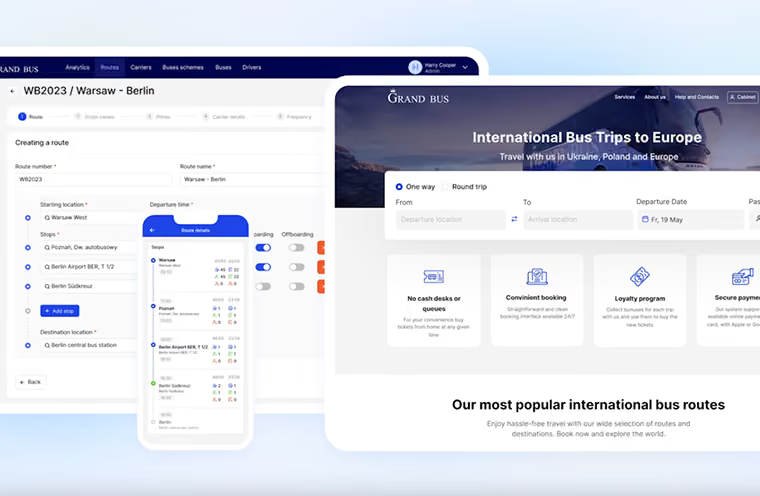
Your marketing team needs a new destination page by Friday. Your developers are deep in the booking flow. So the page waits, and when it finally ships, it looks a little different from the last one. We can build a design system for travel software products that gives every team the same parts to work with: shared components, clear rules, and a CMS they can publish from on their own. Pages load fast, pass accessibility checks, and look like they belong together.
Industry leaders we work with



What we build for travel teams
Travel UI kits and design tokens
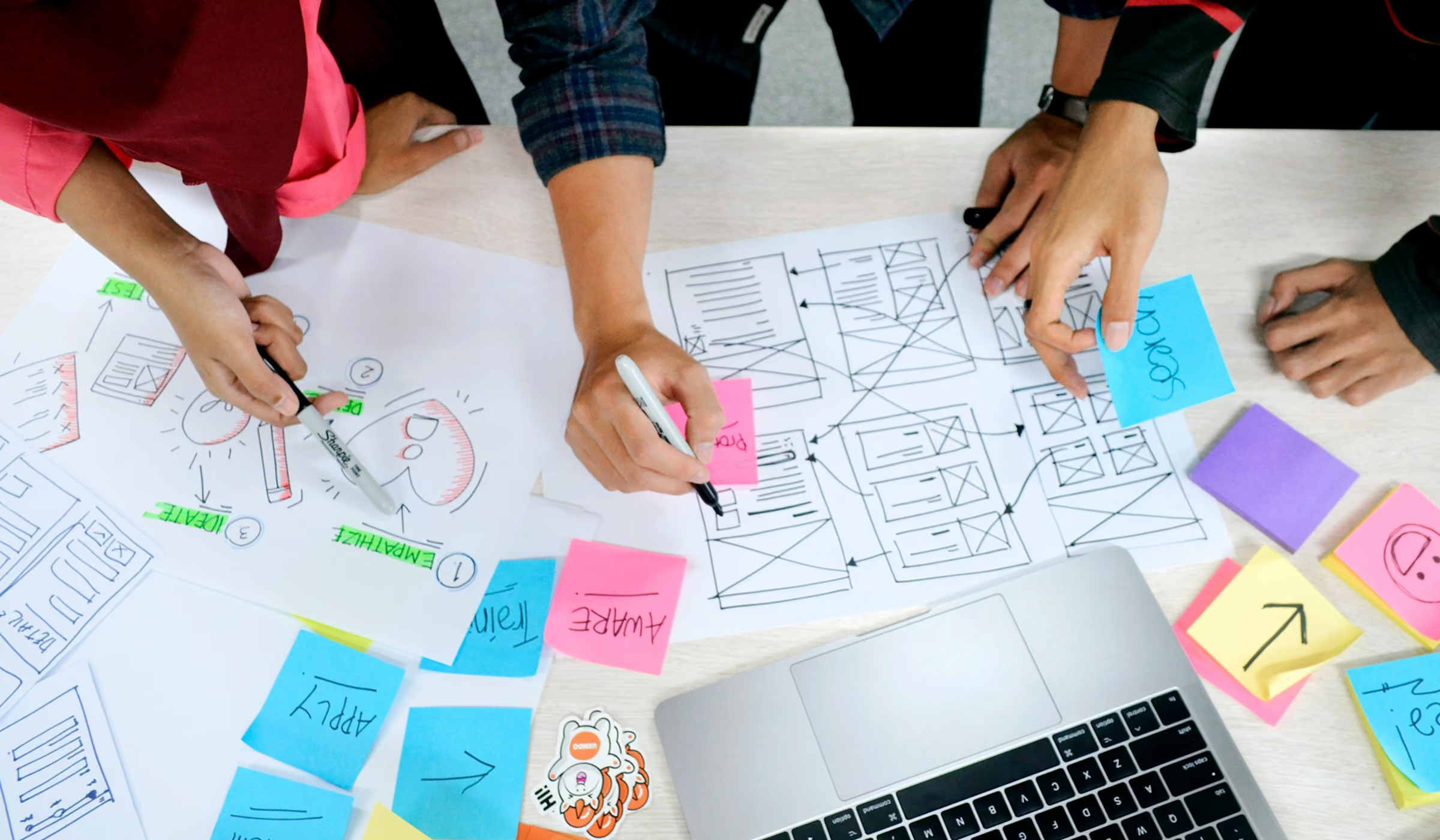
Travel products repeat the same tricky pieces: date pickers, room selectors, guest counters, maps, and price breakdowns. We design them once in Figma, connect them to color, type, and spacing tokens, and build matching versions in React or Webflow.
CMS component libraries
Trip listings, destination guides, and campaign pages all follow patterns. We turn those patterns into Webflow or Payload CMS collections and blocks. Your content team picks a layout, fills it in, and publishes.
Accessible booking components
A guest using a screen reader or a keyboard should be able to book a room as easily as anyone else. We design every widget against EAA 2025, WCAG 2.1 AA, EN 301 549, and Germany’s BITV, with checked color contrast and clear focus states.
Multi-brand and multi-property themes
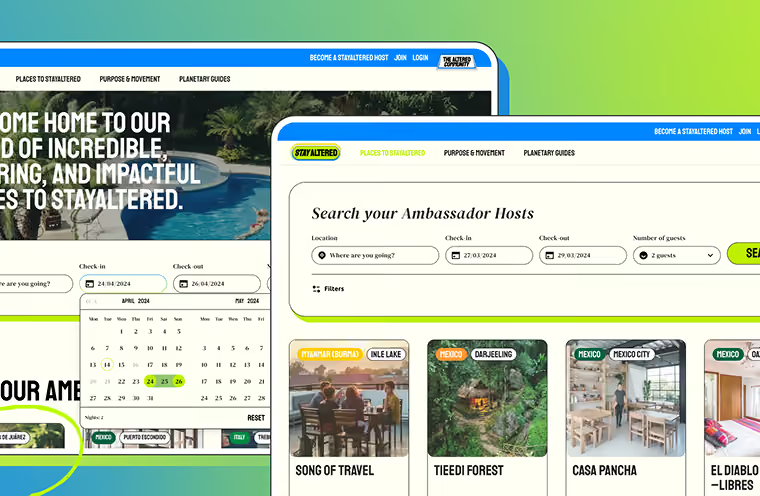
Hotel groups and travel companies often run several brands from one team. We build one shared base and give each brand its own theme. A new property gets its own look in days and still uses the same tested components.
Light motion that explains things
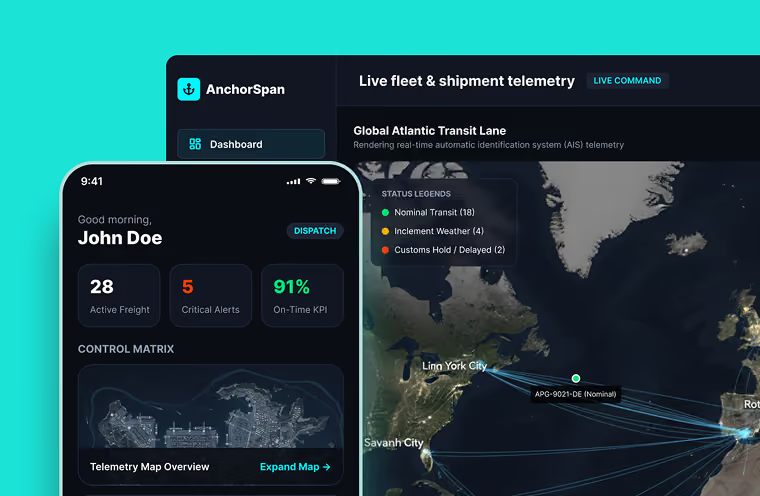
Some travel products are hard to explain with text alone, like a 24-hour hotel operations cycle or a pricing calculator. We use small Lottie animations that show how things work and keep the file size tiny.
Page speed and Core Web Vitals
Heavy videos and GIFs slow down the pages people land on first. We swap them for vector animations, trim what each component loads, and set up Algolia search and automatic sitemaps where they help.
Design system audits
Maybe you already have a design system that has drifted over the years. We list every component in use, find the duplicates and one-offs, and give you a plan to merge them back into one library.
Documentation and team training
A design system only helps if people know how to use it. We write the component docs and naming rules, then train your designers, developers, and content managers in hands-on sessions.
Interface inventory
We start by collecting every screen and component you have today.
- Duplicate buttons, mismatched forms, and one-off layouts get counted.
- We note which pages your team edits most often.
Deliverable: interface inventory, drift report
Foundations
Next come the basics that every component depends on.
- Color, type, spacing, and motion become named tokens.
- Contrast is checked against accessibility rules from the start.
Deliverable: token library, foundations guide
Components
Booking widgets come first because they matter most to revenue.
- Each component is designed in Figma and built in code at the same time.
- Every state is covered: empty, loading, error, and sold out.
Deliverable: Figma library, coded components
CMS setup
Your content team gets templates they can actually use.
- Collections and page blocks are set up in Webflow or Payload CMS.
- Editors test them on real content before launch.
Deliverable: CMS structure, page templates
Rollout
High-traffic pages move to the new system first.
- We measure load time and publishing time before and after.
- Remaining pages follow in planned batches.
Deliverable: migrated pages, performance baseline
Handover and training
Your team takes the wheel from here.
- Docs, naming rules, and a contribution guide stay with the library.
- Live training sessions cover each role on your team.
Deliverable: documentation, training sessions, contribution guide
What our design systems changed for clients
95%
Growth in organic search traffic after Shiji’s redesign
91,000+
Hotels supported by Shiji’s hospitality platform
15 min
Time to publish a Ratio blog post, down from 2 hours
27%
Shorter customer onboarding time for Ratio
120,000+
Pre-launch sessions on ARRIVAL’s Payload CMS site
20,000
Weekly active users on ARRIVAL








Why travel teams trust our work
Why choose us to create a design system for travel software products
We already know travel interfaces
Date ranges, room types, guest counts, and trip maps all have known pitfalls. We’ve worked through them for hotel tech, creator travel brands, and booking platforms, so your project starts further ahead.
Your team runs it after launch
We set things up so your own people can manage pages day to day. After Ratio’s rebuild, a blog post took 15 minutes to publish where it used to take two hours.
Speed is part of every component
Each component is built to load fast on a phone over a weak connection. Ratio’s pages went from 4.2 seconds to under half a second.
We build it with your creative lead
Your creative director joins regular design reviews, and every build gets staged where your team can click through it. Decisions get made together, and the documentation records them.
FAQ
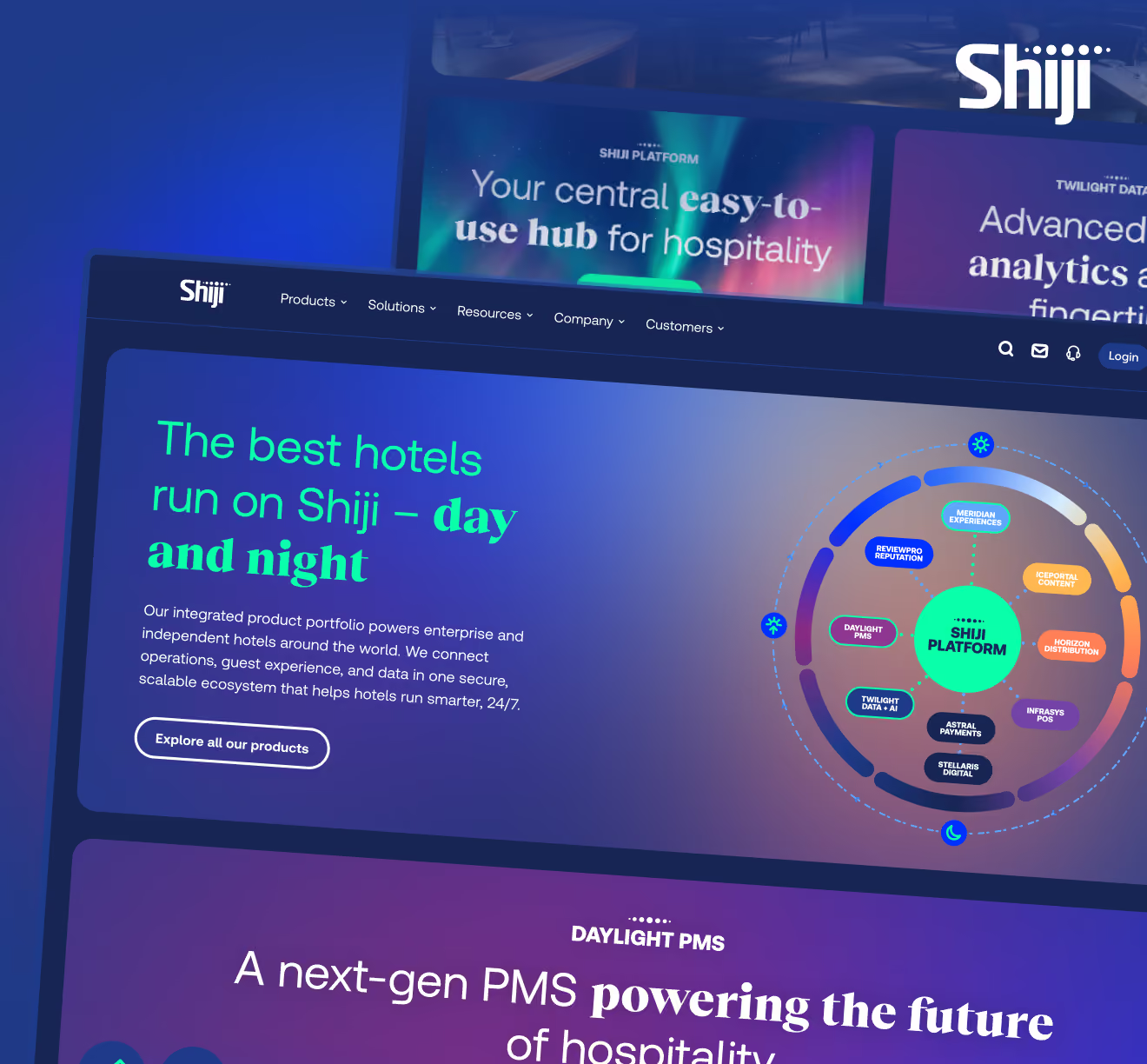
COAX Software does. We’ve built a design system for travel software products in hospitality tech, creator-led travel, and booking platforms, including the brand system for Shiji, whose platform supports 91,000+ hotels. Each project includes a Figma library, coded components, and CMS templates your team can start using right away.
At COAX Software, our designers and front-end engineers build them together. A date picker in Figma and the date picker on your live site end up looking and behaving the same. We work in Webflow, Payload CMS, and React.
COAX Software is one of them, with travel, transport, and logistics as its main industries. We’re Webflow Experts, hold ISO 9001 and ISO/IEC 27001 certification, and are rated 4.9/5 on Clutch. We build new systems, audit existing ones, and train in-house teams.
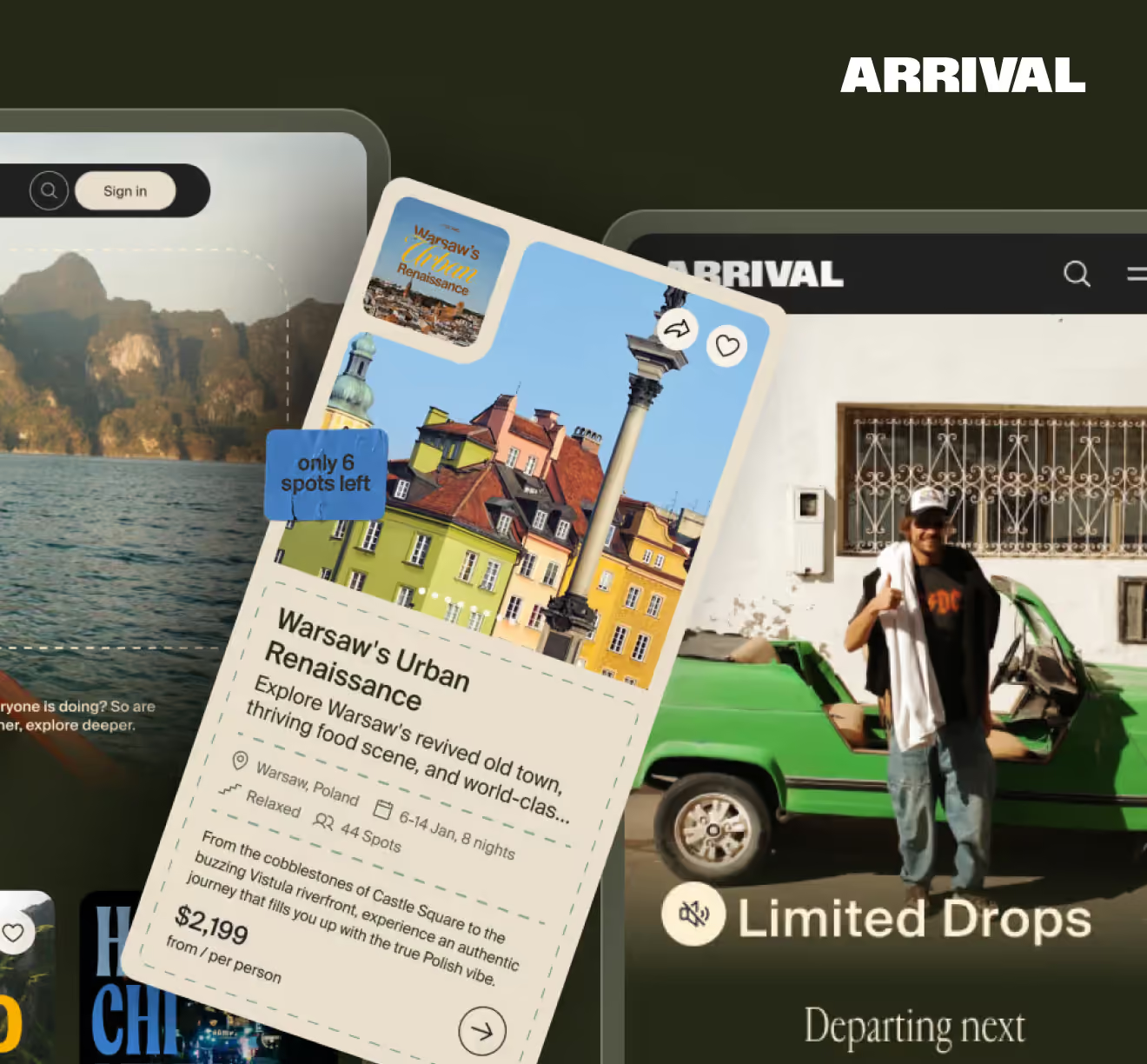
COAX Software can. We start from your product’s real screens and booking flows and turn them into tokens, components, and page templates. For ARRIVAL, we built a design system for travel software products on Payload CMS, so editors publish trips and stories without waiting for developers.
COAX Software can. A scalable design system for travel software products starts with shared tokens, so a new brand, property, or region becomes a new theme on the same base. Clear docs and naming rules help new developers and regional teams add pages that still match everything else.







What we’ll do next?
1
Contact you within 24 hours
2
Clarify your expectations, business objectives, and project requirements
3
Develop and accept a proposal
4
After that, we can start our partnership