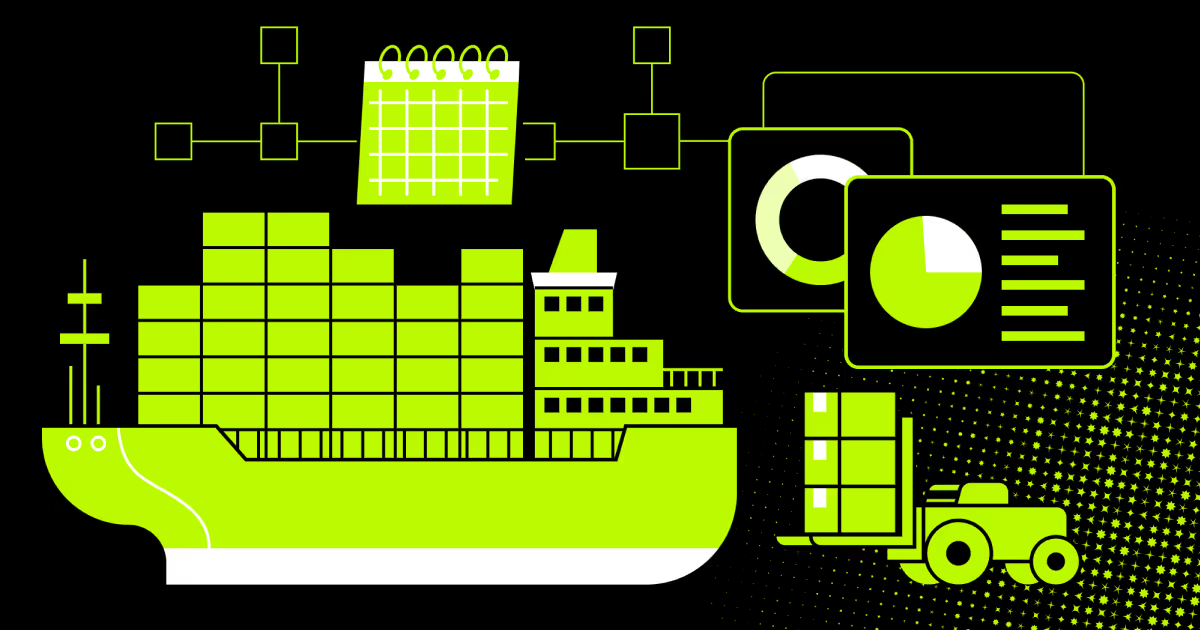
Maritime shipping is a dangerous, large-scale, and dependent logistics business. Recently, a Rotterdam terminal has been disrupted because of a stack of containers falling out of a vessel. Imagine this happening repeatedly. With gait time conflicts, incorrectly predicted arrivals, and inefficient load planning, it’s an ongoing risk to operations. Luckily, there’s a way out - using reliable terminal operations software that automates all this heavy work.
For operations so massive, risky, and time-sensitive, a terminal operating system delivers great improvements:
Cargo tracking replaces manual container searches with instant location visibility.
Automated berth scheduling adjusts crane assignments and dock windows dynamically.
Yard optimization assigns storage locations based on container characteristics and retrieval sequences.
Gate automation removes manual paperwork and speeds truck processing.
Integrated billing captures every billable operation and generates accurate invoices.
Predictive resource scheduling forecasts equipment and labor needs.
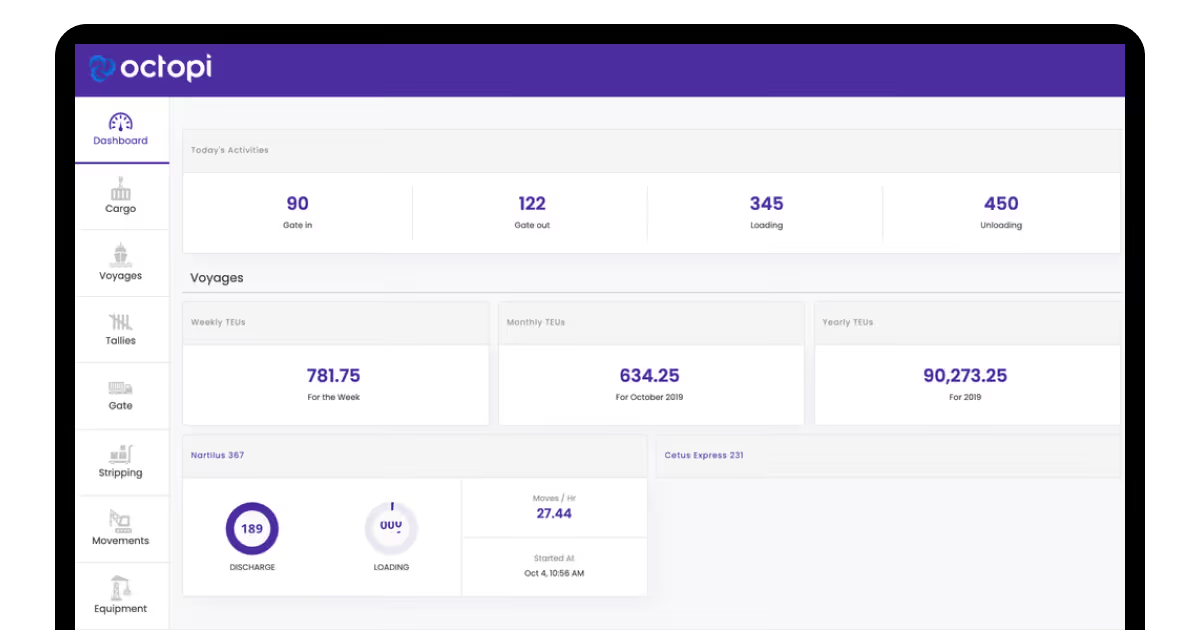
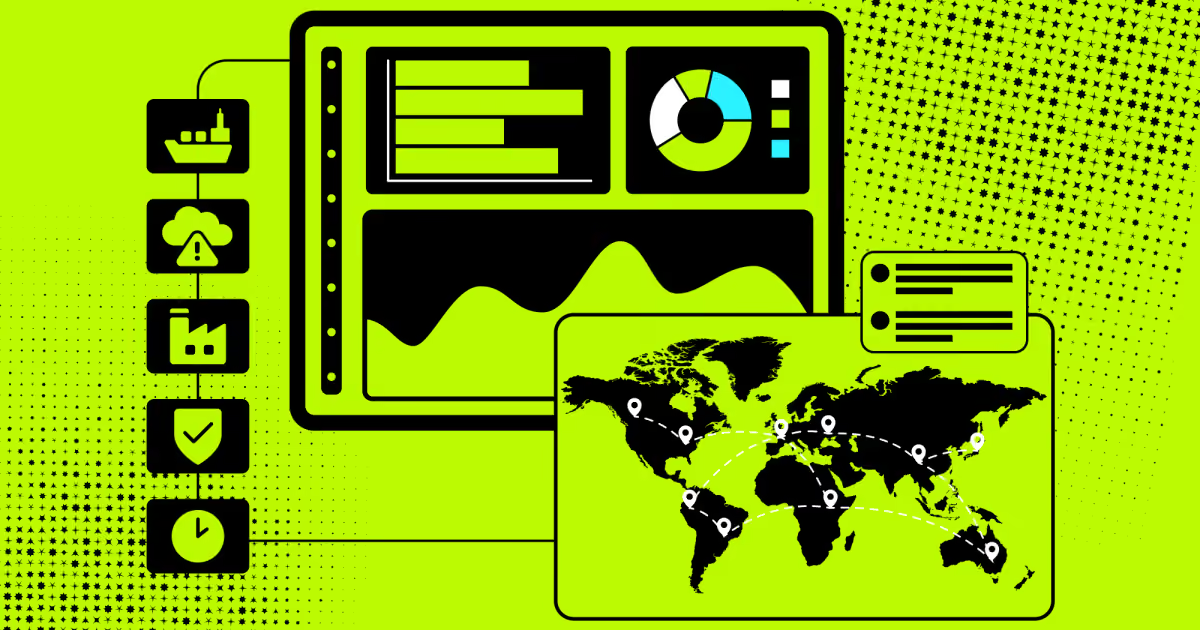
Dashboards consolidate gate events, inventory levels, vessel movements, and crane productivity into one view.
Custom development removes provider dependence, eases integration and scaling, and gives you a fully owned and managed asset.
In this guide, we describe the key modules, features, and integrations of TOS software. Then, we lay down the list of best off-the-shelf solutions to choose from, and break down its perks and downsides compared to custom development.
What is a terminal operating system?
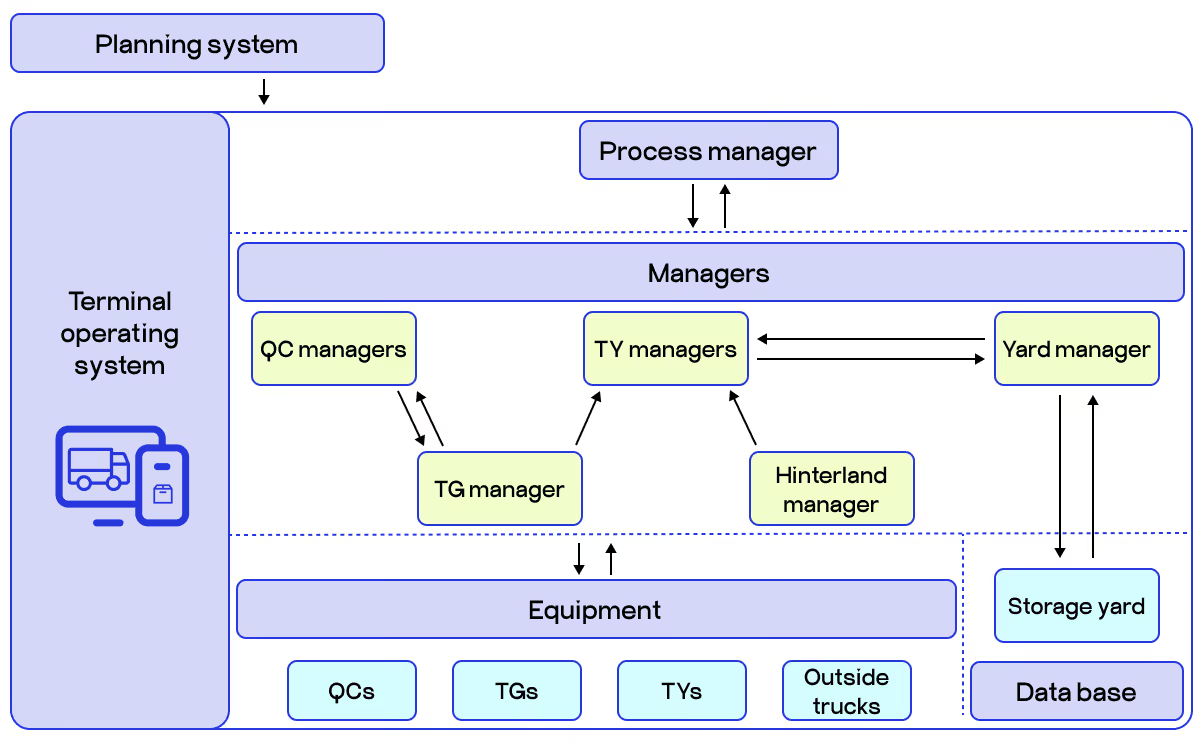
A terminal operating system (TOS) is software that runs a marine terminal. It manages how containers move, where equipment goes, and when vessels dock. The system tracks cargo, controls cranes and yard equipment, and coordinates trucks entering and leaving the port.
According to El-Nakib and Ismail, TOS supports planning, scheduling, and equipment control across terminal operations. The software connects different departments and shows the same data about container locations, vessel schedules, and available storage space. This shared view helps ports avoid bottlenecks. Modern systems integrate with GPS tracking, automated gates using RFID and optical character recognition, and sensors on handling equipment.
Gekara and Nguyen explain that TOS manages transfers between trucks and yards, yards and vessels, and vessels back to trucks. The software decides where to stack each container based on its destination, weight, and pickup schedule. This way, TOS cuts waiting times for trucks and ships. It reduces the labor needed to find containers or coordinate equipment.
The system generates reports that show how efficiently the terminal uses its berths, cranes, and yard space. Operators can see which processes waste time or money and adjust staffing or equipment deployment accordingly.
Types of terminals and how TOS adapts to each
Shipping terminals specialize by cargo type, and TOS software adapts to match each operation's needs.
Container terminals move standardized boxes measured in TEUs. The TOS focuses on stacking algorithms, ship-to-shore crane scheduling, and yard equipment routing. Tools calculate the best container placement based on vessel loading plans and retrieval sequences.
RoRo terminals handle wheeled cargo that drives on and off vessels. TOS for these facilities manages parking assignments, ramp schedules, and vehicle tracking rather than vertical stacking logistics.
Bulk terminals deal with loose cargo like grain, coal, or oil. Their TOS monitors conveyor systems, pipeline flows, and storage silo capacities instead of individual container movements.
Break-bulk terminals handle palletized or bagged cargo. The software tracks diverse package types and coordinates labor-intensive loading operations.
Multipurpose terminals combine container, break-bulk, and sometimes RoRo operations. These facilities need flexible intermodal terminal operating systems that switch between cargo types and share resources across different operations.
Size also has some impact. Small to mid-sized terminals often use cloud-based TOS that requires minimal IT infrastructure. Large container hubs deploy complex systems with automation interfaces. Mixed-cargo terminals need software designed specifically for handling containers alongside general cargo in the same facility.
What are the main terminal operating problems?
To define the importance of terminal systems for improving terminal operations, let’s first define what typical issues they face daily. These are multilayered, so let’s break them down one by one.
Vessel scheduling chaos. Ports struggle to coordinate berth windows with vessel arrival times. Equipment has to be ready when ships dock, but delays throw everything off schedule. A late vessel means wasted fuel, idle cranes, and missed windows for other ships. Without software to adjust in real time, operators scramble to reassign resources and communicate changes to shipping lines.
Yard space puzzles. Terminals process thousands of containers daily. Each one needs the right spot based on its destination, size, weight, and pickup time. Equipment and staff have to move cargo between storage zones without creating bottlenecks. Manual tracking fails when containers pile up, and operators lose visibility into what sits where.
Gate bottlenecks. Hundreds of trucks arrive to pick up or deliver cargo. Each driver needs authorization. Each container needs verification. Doing this manually at the gate creates lines that back up onto public roads. Paper documentation slows everything down. Errors in manual checks let unauthorized vehicles through or delay legitimate pickups.
Resource scheduling. Staff shifts depend on vessel schedules. Crane assignments depend on cargo types. Truck appointments depend on yard availability. When equipment breaks or vessels run late, the whole coordination system collapses. Manual scheduling cannot adapt fast enough to keep operations running smoothly.
Lost cargo. Containers move through multiple zones: from ship to yard, yard to truck, sometimes to temporary storage, then back to another vessel. Without automated TOS container tracking, cargo gets misplaced in the terminal. Operators waste hours searching for specific containers, delaying pickups and causing customer complaints.
Billing errors. Every container movement generates charges: storage fees, handling costs, equipment rental, and customs processing. Terminals bill dozens of customers for thousands of daily operations. Manual invoicing buries staff in paperwork and still produces mistakes that cost revenue or damage relationships.
Data silos. Different departments use separate systems. The gate team cannot see what the yard team knows. Vessel planners work without current inventory data. When information stays trapped in departmental silos, nobody has the full picture needed for smart decisions or useful performance reports.
So, how does TOS software solve each of these problems? Similarly, let’s define how each part of functionality improves different aspects of terminal workflows.
How does TOS address these issues?
Terminal operating systems solve container challenges by automating real-time tracking and resource allocation across every touchpoint so terminals know exactly where each container is and can dynamically adjust cranes, berths, and storage assignments when disruptions occur.
TOS systems solve scheduling problems through automated berth allocation and dynamic resource management.Research by Min and colleagues found that integrated TOS platforms reduce duplicated work and eliminate non-value-adding processes. The software adjusts crane assignments and berth windows when vessels arrive late, keeping operations fluid.
Yard management modules use algorithms to assign optimal storage locations. They define it based on container characteristics and retrieval sequences. According to Benbrik and team's work on bulk terminals, terminal operating systems improve cargo allocation and equipment coordination. The software tracks every container's position in real time, so operators know exactly where to find cargo without searching.
Gate automation with RFID and optical character recognition cuts truck processing time. El-Nakib and Ismail explain that TOS manages terminal monitoring and control across gates, yards, ships, and specialty cargo zones. The system verifies authorization and documentation electronically, simply removing manual checks.
Billing modules capture every billable operation and generate accurate invoices. Min's research team documented that TOS software provides comprehensive reporting on operational performance, enabling data-driven decisions. The software consolidates information from all terminal departments into unified dashboards that show gate events, inventory levels, vessel movements, crane productivity, and yard utilization in one view.
In short, container TOSs monitor cargo flow from arrival through departure. The system logs every transfer: ship to yard, yard to truck, truck to storage. Nothing gets lost because the software maintains a complete movement history for every container passing through the facility.
TOS modules
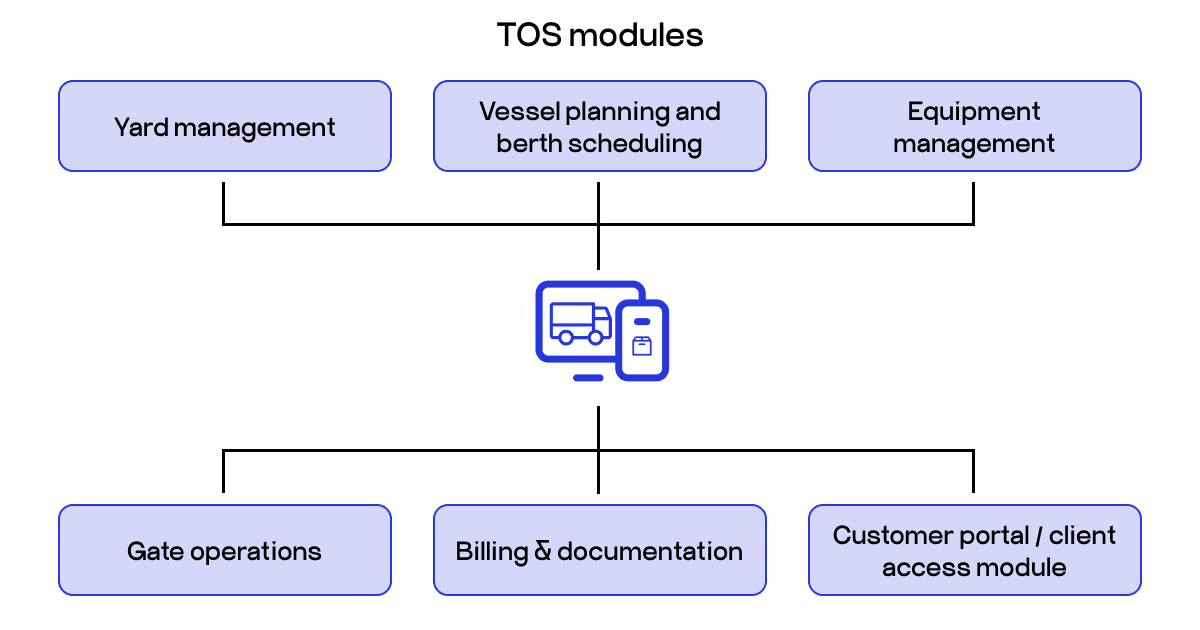
The opportunities we described can’t be achieved by one feature, one system module. Terminal operations software consists of several elements that are stacked as building blocks, each responsible for one direction of implementation. Let’s outline them.
Yard management
The yard management module organizes cargo movement through the terminal's storage areas. It defines zones for different operations:
Loading
Unloading
Transshipment
Storage.
The software allocates space based on container size, weight, destination, and pickup schedule. This TOS module schedules staff and equipment (automated rail-mounted gantry cranes, automated stacking cranes, and forklifts). It assigns tasks based on what operations need to happen and when. Real-time locating systems track where equipment sits at any moment, so operators can deploy resources efficiently.
The yard module functions as a central database containing information about all incoming and outgoing freight. Load planning features configure yard areas to maximize space usage while considering weight constraints and what happens to cargo next.
Vessel planning and berth scheduling
Berth management coordinates vessel arrivals and departures. Shipping lines or their agents send berth management messages containing vessel details, berth requirements, expected operations, and mooring requests. Terminal operating systems processes this information to schedule visits. Terminal operators use the system to coordinate ship-related activities:
Scheduling vessel visits
Managing moves between terminals
Arranging tugboats
Managing staff.
For terminals with significant tidal variations, the software provides dynamic tidal modeling to safely manage vessel movements. The system often connects to Automatic Identification System data sources for real-time vessel tracking. This integration produces more accurate estimated time of arrival predictions than shipping lines, enabling better resource allocation.
Equipment management
Equipment management allocates and monitors terminal machinery. The module tracks different types of equipment:
Cranes
Reach stackers
Empty handlers
Yard tractors.
It assigns equipment based on vessel schedules, yard operations, and gate activity.
Real-time locating systems monitor equipment positions throughout the terminal. Operators see which machines are available, which are in use, and where they're located. This visibility prevents equipment from sitting idle while other areas face shortages.
TOS software coordinates equipment deployment across all terminal operations. When a vessel arrives, the system dispatches the right cranes to the berth. When containers need repositioning in the yard, it assigns stacking equipment. This automated coordination eliminates manual tracking and improves equipment utilization rates.
Gate operations
Gate management controls vehicle access and cargo verification. The booking feature lets carriers schedule appointments and register vehicle information, driver details, and freight specifics before arrival. This pre-registration speeds verification when trucks reach the gate.
How does it work? Self-service kiosks let drivers complete paperless verification. Optical character recognition cameras identify and register varied identification elements:
Vehicles
License plates
Containers
Seals.
Cargo (mostly defined by RFID scanners to support inventory management).
When a truck arrives, the system triggers a notification to the reach stacker for pickup. The pickup point might be the crane location that moves cargo on and off container stacks. Trucks and drivers require approval for gate admission, covering cargo documentation. The same approvals apply to trucks, trailers, and equipment.
Container terminal operating systems ensure compliance with the International Ship and Port Facility Security Code, meeting the security standards for ports. Mobile pre-approval apps reduce costs by eliminating kiosk investments and preventing gate congestion. These apps enable truck ETA predictions and send gate congestion alerts directly to drivers. They establish direct communication channels with drivers, enabling cooperation and gate flow optimization.
Billing & documentation
The billing TOS module captures every billable terminal operation. It creates accurate invoices, controls revenue streams, and handles flexible tariffs and rates across multiple currencies.According to Min, this module provides full tracking of operational performance. The system documents:
Container storage fees
Handling charges
Equipment rental costs
Customs processing fees.
It automatically generates invoices for dozens of customers based on thousands of daily operations. This eliminates manual paperwork and reduces billing errors that cost revenue. Logistics document management features manage the paperwork required for cargo movement. The software processes shipping documents, customs declarations, and regulatory forms. It stores records in compliance with regulations and makes documents accessible to all authorized parties.
Customer portal / client access module
Customer portals give shipping lines, freight forwarders, and trucking companies direct access to terminal information. Clients can view container locations, check vessel schedules, and track cargo status without calling terminal staff.
The portal lets customers book truck appointments, submit documentation, and receive real-time updates about their cargo. They can download reports, view invoices, and access historical data about their terminal activity.
Different access levels protect data security. Customers see only information relevant to their cargo and operations. Terminal managers access full system data and analytics. The terminal system portal reduces phone calls and emails to terminal staff while giving customers the visibility they need to manage their supply chains.
TOS integrations
In short, TOS terminal operating systems connect to corporate financial platforms, government customs systems, IoT sensors, port-wide information networks, and shipping line databases. This makes an integrated infrastructure that moves data as efficiently as it moves containers.
ERP systems. Terminal operating systems link with corporate management platforms to unify operational data and financial workflows. When terminals deploy solutions from vendors like SAP, Oracle, or Microsoft Dynamics, the TOS feeds transaction data directly into these systems without manual intervention. Every container handled generates a financial event. The integration captures these events automatically: yard storage duration, equipment rental periods, labor hours, and service charges. Finance teams receive accurate data for invoicing customers and tracking revenue streams.
Customs and regulatory platforms. Border control agencies require detailed cargo information before vessels arrive. TOS platforms transmit this data electronically to customs systems, enabling inspectors to review manifests, identify high-risk shipments, and prepare clearance procedures. The system flags hazardous materials, tracks restricted goods, and maintains records for regulations. Government agencies access this information through secure interfaces without requesting paper files.
IoT and terminal automation tools. Wireless sensors throughout the terminal feed position data into the TOS software. Equipment operators receive automated instructions on mobile devices mounted in crane cabs and yard vehicles. RFID tags on containers communicate with readers at checkpoints. The TOS updates inventory records automatically as cargo moves between zones. Also, temperature monitors on refrigerated units send alerts when cooling systems malfunction. TOS alerts maintenance crews immediately, preventing cargo spoilage.
Port community systems. Shared information platforms connect everyone involved in moving cargo through the port. Shipping lines, trucking companies, rail operators, warehouse managers, and terminal staff all access the same information about vessel schedules, container availability, and pickup appointments. Atrucker checks the system to see if a container is ready for pickup rather than calling the terminal. A freight forwarder views vessel arrival updates instead of requesting ETAs from the shipping line. This helps everyone coordinate their operations.
Shipping line and logistics provider APIs. Connections with ocean carriers and logistics companies enable real-time booking confirmations and container release approvals. When a shipping line accepts a booking, its system notifies the TOS immediately, which reserves yard space and schedules equipment. Container status updates flow in both directions. The TOS informs carrier systems when boxes are discharged from vessels, moved to storage, or loaded onto trucks. Carriers share stowage plans, hazmat declarations, and weight verifications.
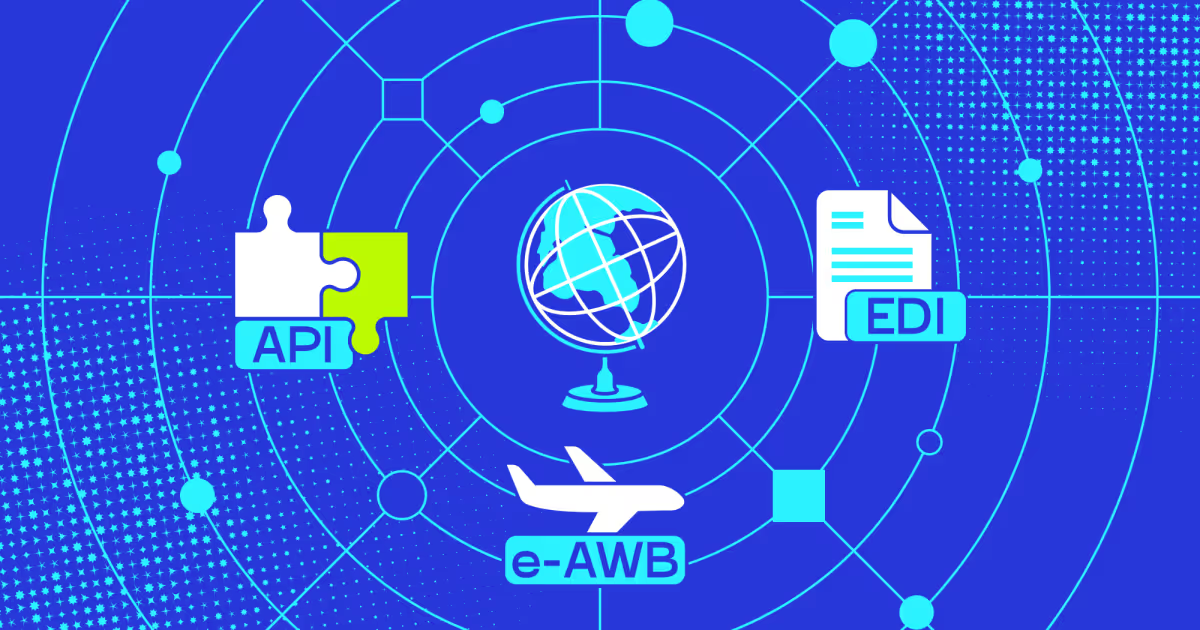
These API-based transportation connectivity replaces the batch file transfers and overnight data synchronization that older EDI systems required. Changes appear in both systems within seconds, letting terminals and carriers coordinate operations with current information rather than yesterday's data.
Key features of a terminal operating system
What features to pay attention to when choosing terminal operating system software? Look for platforms offering live cargo visibility across the entire facility and intuitive interfaces that work under operational pressure. Check for an integrated berth and yard management that coordinates vessel operations with storage allocation, automated gate verification, predictive resource scheduling, flexible billing automation, and customizable dashboards.
Live cargo visibility. The system displays every container's exact position within the terminal at any given moment. Operators can pull up a container's complete journey: when it arrived, where it sat in the yard, which equipment moved it, and its current status for pickup or loading. This instant access to location data prevents the searching delays that cost terminals thousands in equipment hours annually.
Intuitive operator interfaces. Crane operators, gate clerks, and yard supervisors all work under time pressure, often wearing gloves or working outdoors. According to industry analysis, terminals frequently abandon software when interfaces don't match how crews actually work on the ground. Modern cloud terminal operating systems provide touch-optimized screens, simplified task lists, and visual cues that require minimal training to master.
Unified berth and yard coordination. The software plans vessel berthing and yard space allocation as connected operations rather than separate functions. When a ship books a berth slot, the system reserves yard blocks for incoming containers, positions equipment near the discharge area, and calculates the most efficient stacking pattern.
Predictive resource scheduling. The platform forecasts equipment and labor needs based on vessel schedules, historical patterns, and current yard conditions. The system alerts managers hours in advance when crane capacity will run short or when yard congestion might delay truck pickups. This foresight allows terminals to shift resources.
Automated appointment verification. Drivers arriving at the gate no longer wait while clerks manually check paperwork against spreadsheets. The terminal operations software uses QR codes to verify appointments, validate documentation, and grant access. Optical character recognition cameras read license plates and container numbers automatically, feeding data directly into the terminal database.
Flexible billing automation. Every billable event triggers an automatic charge. The system applies complex tariff structures without manual calculation, adjusting rates based on customer contracts, cargo types, and time periods. Finance teams receive accurate transaction records for invoicing instead of reconstructing charges from paper logs and radio communications.
Customizable performance dashboards. Terminal managers configure screens showing the metrics that matter for their specific operations. One terminal might track crane moves per hour and average truck turnaround time, while another focuses on yard density and vessel dwell time. The TOS software transforms operational data into visual reports that reveal trends, identify inefficiencies, and support evidence-based decisions.
Now that we have outlined the key functionality you should check for in your solution, let’s break down the market-ready options you have.
Top TOS providers
The TOS market ranges from lightweight cloud tools for small depots to enterprise platforms managing millions of containers annually. Let’s review each of them, with the key features, and the types of freight they’re best for.
AI/ML, IoT, digital twins, 12.5% global market share
Custom quote
Container, general cargo
Terminals wanting advanced analytics
TBA Group
30+ Autostore, 40+ CommTrac installations
Custom quote
Container, bulk, breakbulk
Automation projects, mixed cargo
RBS
Pay-as-you-go cloud, per-TEU pricing
Base rate + $0.05-$0.20/TEU per module
Container
Flexible budgets, modular growth
ContPark
1-day installation, cloud-based
From $750/month
Container
Small depots, quick implementation
OPUS Terminal M
Multi-modal, single platform
Custom quote
Container, bulk, RoRo, barge
Mixed cargo terminals
GullsEye
Mobile-first, 3D visualization
Custom quote
Container, RoRo, general, liquid
Mobile operations, self-service
MarineBerth
Lightweight, PortWatch desktop app
Custom quote
Container, general
Budget-conscious, essential features
iPortman
Multi-terminal, legacy migration
Custom quote
All cargo types
Multiple facilities, system upgrades
Karelis Navis wins the container terminal space with over 300 global installations. Octopi TOS serves small and medium terminals through a cloud-based terminal operating system covering gates, yard operations, and billing. N4 TOS handles large container terminals with optimization modules like Expert Decking, PrimeRoute, Vessel Autostow, and Rail Autostow. The platform includes apps for reefer containers, lashing operations, and twistlocks. Master Terminal targets mixed cargo ports handling bulk, break bulk, project cargo, RoRo, and containers simultaneously. Navis works well for terminals prioritizing operational efficiency and asset optimization.
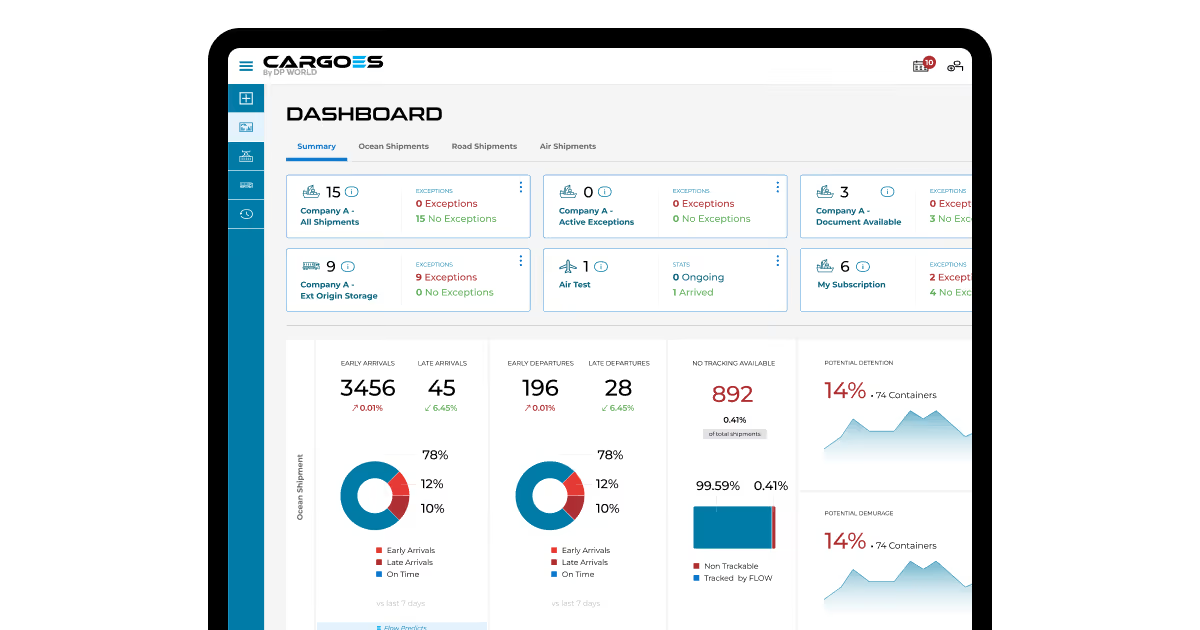
DP World's CARGOES suite applies AI and IoT technology to logistics. Their approach uses deep learning for image recognition and digital twins for environment simulation. TOS+ manages terminals of any size, including container freight stations and inland depots. GC+ handles multiple general cargo types. IOT+ connects smart devices across terminals for real-time visibility. AVA+ provides video analytics supporting OCR operations at gates and yards. CARGOES deploys both on-premises and in the cloud, with APIs supporting external integration. This fits terminals wanting advanced analytics and automated decision-making tools.
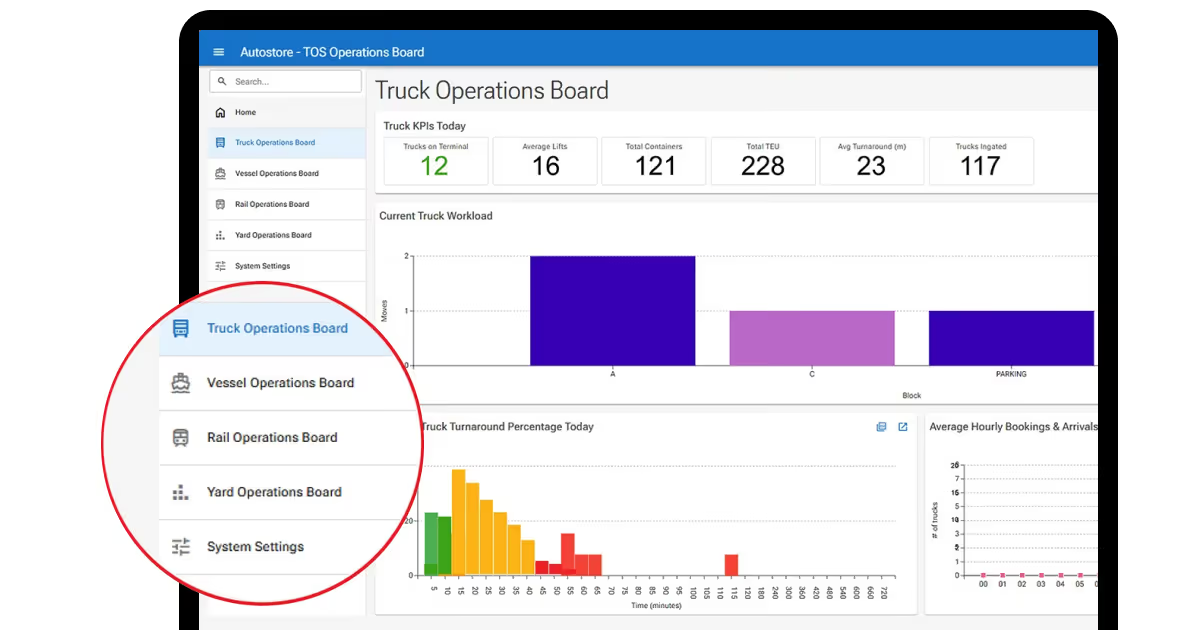
TBA Group’s Autostore TOS serves container terminals while CommTrac TOS handles bulk and break bulk cargo facilities. Both platforms include yard management, freight tracking, asset management, vehicle booking systems, dynamic vessel and rail planning modules, and billing functionality. They deploy on-premises or in the cloud and integrate with third-party ERP systems. This fits terminals managing diverse cargo types or planning automation investments.
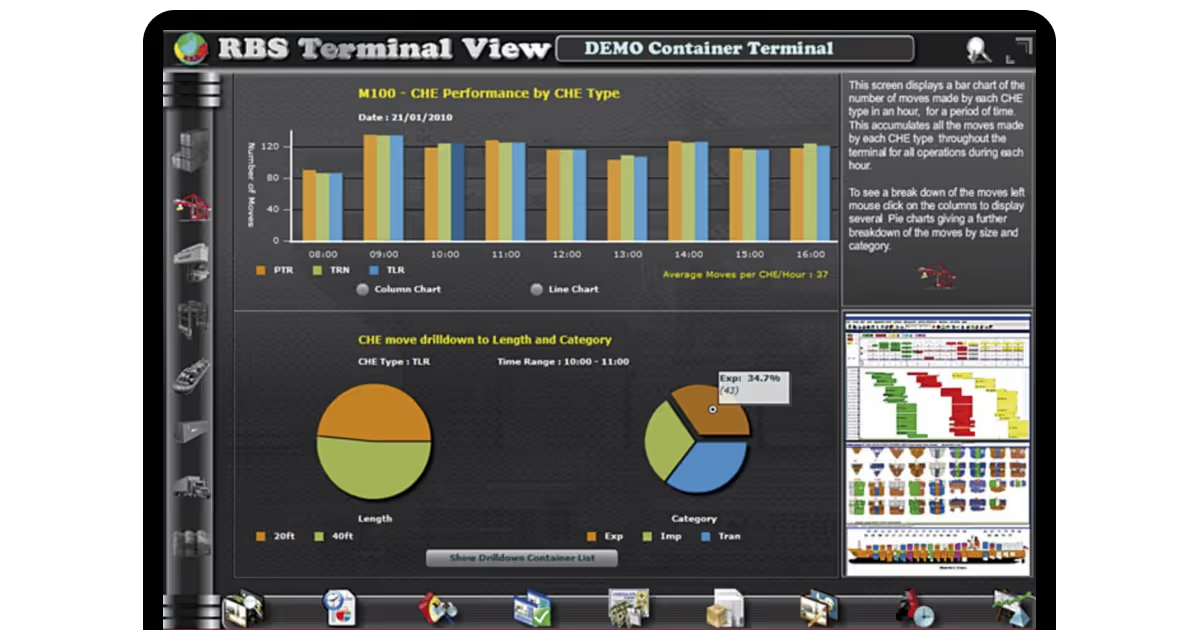
Realtime Business Solutions offers TOPS Expert Enterprise as an on-premises platform and TOPS Expert Cloud on a pay-as-you-go model. Both versions include management and optimization modules for gate operations, yard activities, vessel planning, and billing. RBS provides optional modules you can license independently. The TOPS KPI Dashboard works as a standalone tool for remote management, data analysis, and performance tracking. This modular approach fits terminals wanting to add specific capabilities without replacing their entire system.
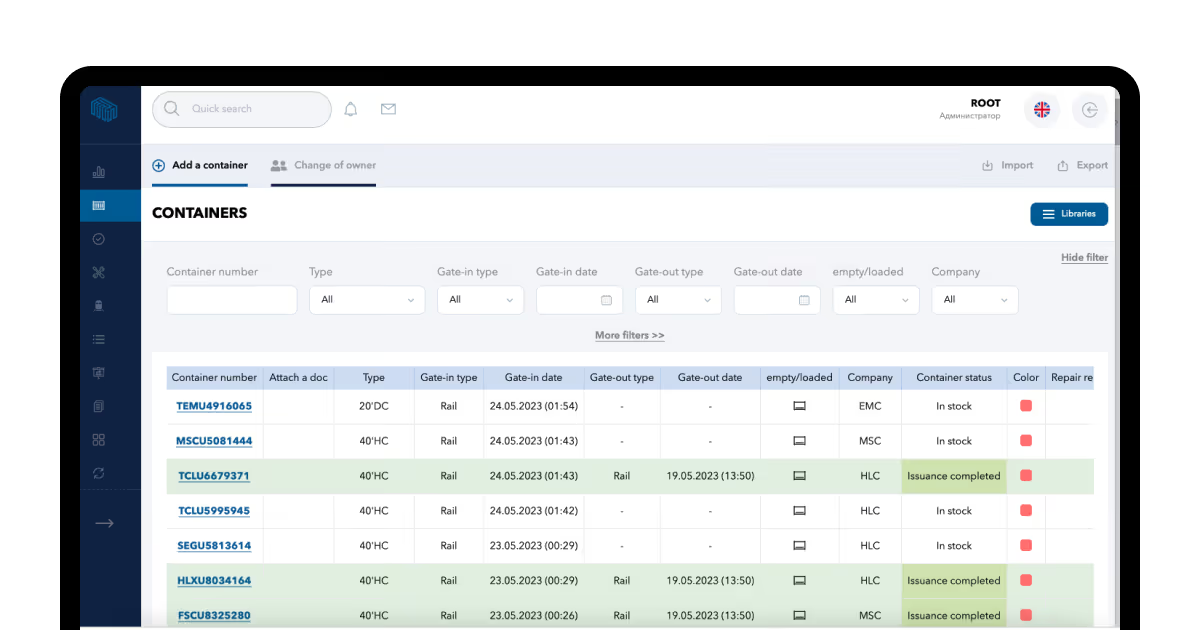
ContPark targets container depots, inland terminals, and intermodal yards through a cloud-based platform. The TOS system handles gate registration, inventory tracking, repair workflows, service requests, and automated billing. Task assignment tools coordinate work between dispatchers, operators, and management staff. The platform supports mobile access, multilingual environments, and integrates via EDI and API with shipping lines, customs authorities, and ERP systems. Automated pricing tools calculate service costs based on configurable rules. ContPark scales from small depots to terminals processing over 10,000 TEU. This works for operations wanting to eliminate paper-based workflows without making things too complex.
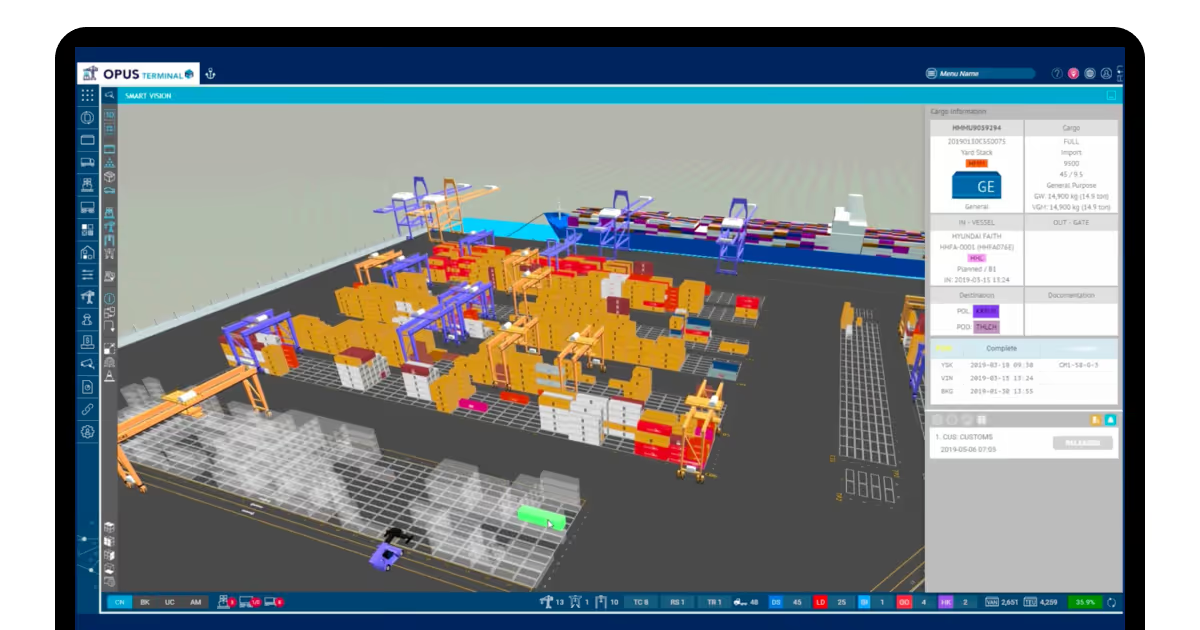
CyberLogitec's OPUS Terminal M handles multipurpose terminals managing different vessel and cargo types. The system processes container, bulk, RoRo, and barge traffic, plus rail and truck transport through one platform. OPUS Terminal M adapts to mixed operations without requiring separate systems for each cargo category. The platform primarily serves enterprise and small business segments.
GullsEye accelerates container, RoRo, general cargo, and liquid cargo services through advanced monitoring and reporting. The terminal operating system emphasizes mobile and web dashboards that provide statistics and key performance indicators on the fly. Customers get a complete self-service solution for executing and monitoring operations remotely through web and mobile applications. GullsEye integrates with ERP systems and includes expertise in 3D virtualization, process optimization, and supply chain optimization. This fits terminals prioritizing mobile access and customer self-service capabilities.
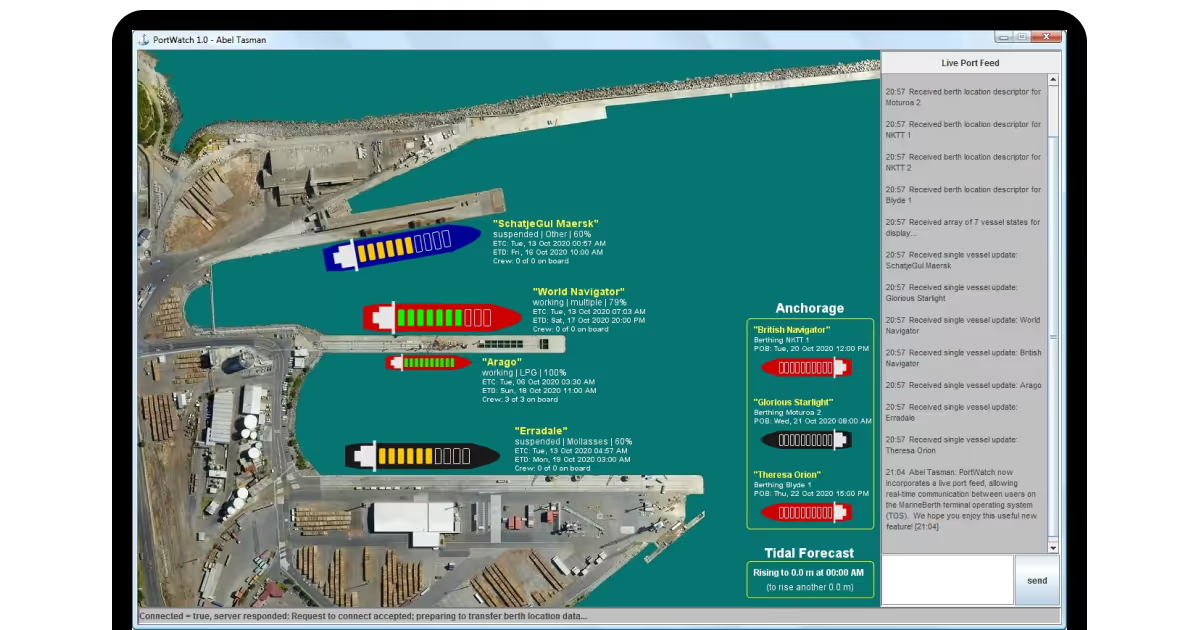
MarineBerth provides an agile, mobile-friendly terminal system designed for affordability. The platform includes an optional desktop application for a complete view of port operations. The system includes EDI compliance, safety and security features, customer portals, and mobile access. MarineBerth works well for terminals wanting essential TOS functionality without enterprise pricing or complexity.
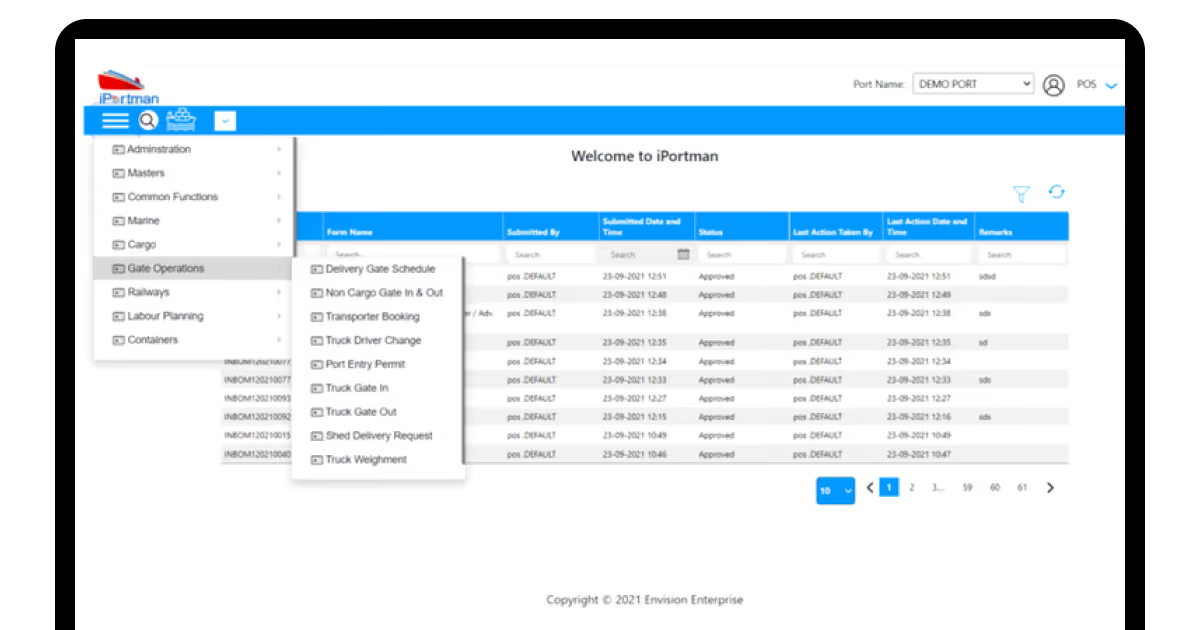
iPortman provides a versatile, web-based port management solution accessible via mobile, tablet, PDA, and desktop. The platform supports multiple seaports and languages. Services include system integration, legacy migration, and process optimization for greenfield and brownfield terminal operators. Features cover real-time data processing, automated gate operations, yard management, vessel planning, cargo tracking, inventory management, billing, and invoicing. The TOPS also offers labor management, EDI compliance, document management, customer portal, and multi-terminal support. iPortman fits port operators managing multiple facilities.
The list is wide - from small lightweight tools to enterprise-wide systems. So, how to pick the ideal one for your business? Let’s figure it out.
How to choose the right TOS
When you’re on the hunt for the best terminal operating system, you need to follow a specific workflow. Here are its optimal steps, judging from our 15+ years of experience.
Start with your terminal type and volume. Large container operations handling millions of TEU need platforms like Navis N4 or CyberLogitec OPUS Terminal M. Smaller depots fit better with ContPark or MarineBerth.
Consider your cargo mix. Container-only terminals benefit from specialized systems like Navis Octopi or CARGOES TOS+. Mixed cargo operations need platforms like MT, OPUS Terminal M, or TBA Group's CommTrac that handle multiple cargo types.
Evaluate your infrastructure preferences. Cloud terminal operating systems like ContPark, CARGOES, and MarineBerth reduce IT overhead. On-premises installations like RBS TOPS Expert Enterprise give you complete data control. Some providers offer both deployment options.
Check integration requirements. Your TOS must connect with existing ERP systems, customs platforms, Port Community Systems, and IoT devices. CARGOES and iPortman emphasize robust API capabilities. TBA Group focuses on ERP connectivity. Verify the TOS supports your existing systems before committing.
Think about optimization needs. Large terminals benefit from advanced TOS software features like Navis Expert Decking or CARGOES machine learning models. GullsEye provides strong mobile-first optimization. Smaller operations might not need these capabilities and shouldn't pay for them.
Consider mobile and remote access requirements. GullsEye and MarineBerth prioritize mobile functionality. iPortman works across mobile, tablet, PDA, and desktop. If your staff needs remote operational control, these platforms deliver better mobile experiences than desktop-focused alternatives.
Evaluate implementation support. TBA Group provides extensive implementation and training services. For example, iPortman offers legacy migration services. RBS allows gradual capability additions through modular implementation. ContPark promises one-day installation for rapid deployment.
Test the user interface with actual terminal operators before deciding. Complex systems with steep learning curves reduce adoption and create operational bottlenecks.
Custom-built vs ready solutions
There’s another option apart from choosing from the off-the-shelf tools list. It’s tailored development that considers your unique terminal requirements and operations. So, how to define which way is best for you to go?
Off-the-shelf terminal operating systems are okay for many facilities. But they force your operations to adapt to their workflows instead of the other way around. Custom-built software fits your processes, takes down the unnecessary features you're paying for, and scales exactly how you need.
When your terminal has unique requirements, custom is a must. Your cargo mix, equipment types, customer base, labor agreements, regulatory environment, and physical layout create specific operational needs that generic terminal operations software can't cover as perfectly as you need to grow.
Ability to comply with government rules and policies.
A bulk cargo terminal needs sophisticated commodity tracking and sampling workflows that container-focused systems don't provide. A mixed cargo facility handling containers, RoRo, and project cargo simultaneously requires different yard optimization logic than a container-only terminal. All this shows that building a unique custom system is beneficial.
Custom software lets you build exactly what you need. A small depot might only require gate registration, container location tracking, basic repair workflow management, and automated billing. Building just these functions costs less than licensing an enterprise platform where 70% of features go unused.
Integration complexity is another benefit of custom development. Your terminal already runs on specific hardware, uses particular customs platforms, connects to certain shipping line systems, and integrates with your parent company's ERP system. Off-the-shelf TOS software may or may not integrate smoothly with your existing technology stack. Custom software builds integration directly into the system from day one. Your developers work with your actual API specifications, data formats, and communication protocols.
Forcing project cargo operations into container-focused software creates workarounds. Staff manually track information outside the system. Reports don't show the data you actually need. Custom software models your actual operations. If you handle five cargo types with different workflows, the system reflects those differences.
Custom software also lets you add capabilities to your timeline. Your development team understands the codebase and can build new features that integrate seamlessly with existing functionality.
The competitive advantage is the final argument in favour of tailored development. Your terminal might have unique physical constraints requiring creative yard stacking strategies. Or you might serve customers with particular scheduling needs. Building these optimizations into custom software creates competitive differentiation. Terminals using Navis N4 all access the same optimization algorithms. Your proprietary algorithms remain yours.
Custom software requires a higher upfront investment for development. But once built, ongoing costs consist mainly of maintenance, hosting, and occasional feature additions you actually want.
COAX builds custom terminal operating systems that address the specific challenges outlined above. Our custom logistics software development starts with a detailed analysis of your current operations, identifying bottlenecks, inefficiencies, and requirements. This ensures the final system fits your terminal like a glove - and a flexible, reliable, and secure one.
We specialize in building modular architectures that grow with your business. Instead of delivering a monolithic system all at once, we develop core functionality first, get it running in your terminal, then add capabilities based on your priorities and budget.
Our integration expertise covers the full range of terminal technologies:
Customs platforms
Shipping line EDI systems
ERP software
IoT sensors
Gate automation equipment
Port community systems.
The code we write belongs to you, giving you complete control over your technology infrastructure and future development direction.
FAQ
What does TOS mean in maritime shipping?
TOS is a specialized software that manages container terminal operations including vessel scheduling, yard management, gate operations, equipment control, and billing. TOS coordinates complex logistics involving ships, trains, trucks, cranes, and cargo while providing real-time visibility across terminal activities. Modern systems integrate with customs platforms, Port Community Systems, and shipping line EDI networks for seamless data exchange.
What should an intermodal terminal operating system have?
An effective intermodal TOS requires:
Real-time visibility and tracking of containers, vehicles, and equipment
Yard management for container stacking, storage locations, and space optimization
Gate and truck management with automated processing
Rail management tools for train loading/unloading and rail siding coordination
Asset and equipment management for optimal crane and CHE assignment
Planning and scheduling for train arrivals, vessel berth, and container loading
Integration with port community platforms, customs systems, and terminal gate systems
Comprehensive reporting and analytics for performance monitoring
Automated billing and invoicing with accurate, timely processing.
What are the challenges of implementing terminal operations software?
Implementation challenges include:
Inadequate ICT infrastructure in the broader business environment
Lack of appropriately skilled workers to operate advanced systems
Absence of technological and data standards that enable interoperability.
Unstable broadband connectivity, limited technical aptitude among users leading to system sabotage, and insufficient change management undermined adoption.
How does COAX develop secure and efficient terminal operations optimization software?
COAX holds ISO/IEC 27001:2022 certification for comprehensive security management, risk assessment, and continuous security monitoring. Our ISO 9001 certification also ensures optimal quality processes throughout development. We do secure coding practices, regular penetration testing, and encrypted data transmission protocols. Our methodology includes:
Stakeholder collaboration
Modular architecture design
Rigorous testing phases
Thorough documentation to ensure systems meet operational requirements.



















































_.avif)




%2520explained.avif)

We are interested in your opinion