For dozens of years, fleet fuel management has been mostly on paper and rough estimations, causing revenue losses in the long run. Fuel fraud, harsh braking, and unexpected breakdowns are hard to monitor remotely. But are they now, really?
Finally, there’s a good technological answer to the ancient problem of fuel overspending and lost money. Implementing a fuel management system improves your fleet operations through some fully tangible gains:
40% cost reduction potential, making fuel expenses controllable.
13% consumption decrease through better driving behaviors.
79% reduction in hard acceleration, bringing great efficiency improvements.
Automated alerts for unauthorized refueling, siphoning, and fraudulent purchases.
IFTA compliance automation ensures accurate interstate fuel tax reporting.
Finding cost variations across different routes based on traffic patterns, terrain, and distance.
Custom development brings flexibility to establish your own safe station radius, compliance standards, and alert rules.
In this article, we will break down the key problems that fuel management software solves and outline its key types and features. Additionally, we will list the top fuel monitoring solutions and compare them to building a tailored tool.
What is a fuel management system?
A fuel management system is software and hardware that tracks, monitors, and controls fuel consumption across a fleet of vehicles or equipment. It collects data on fuel purchases, usage rates, costs, and locations to give businesses complete visibility into their fuel operations.
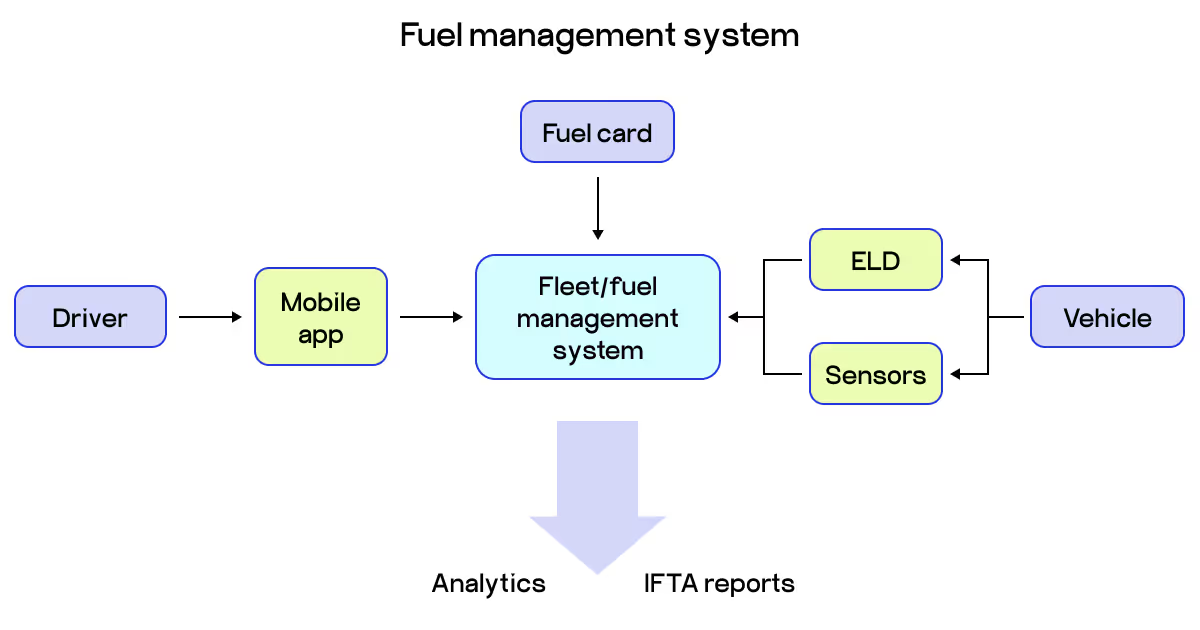
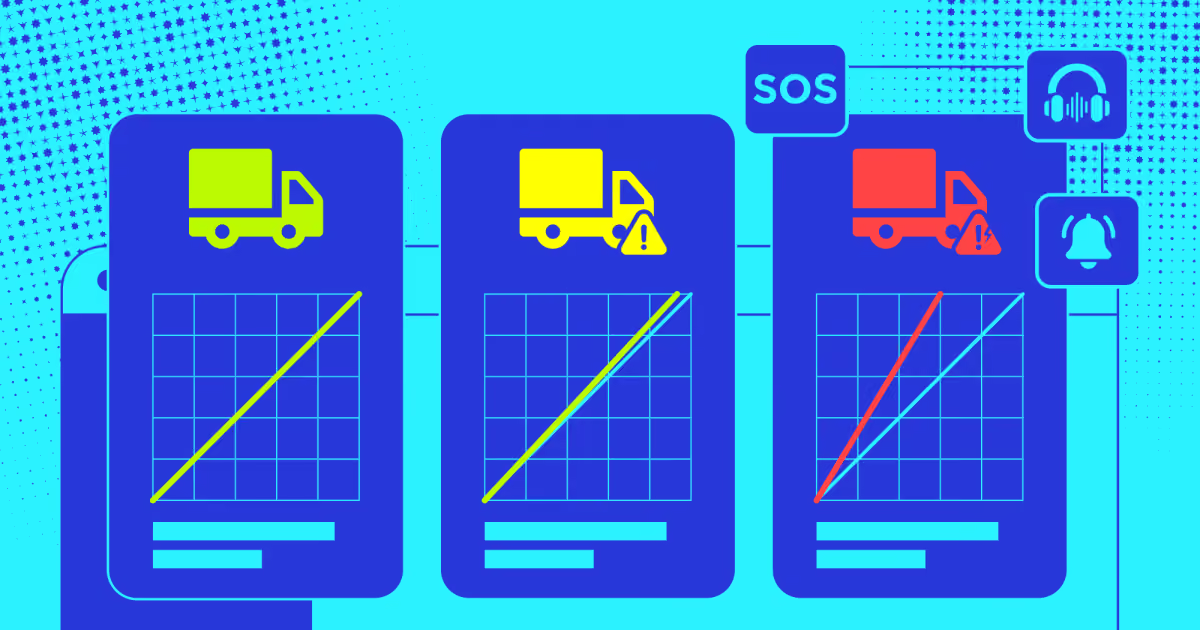
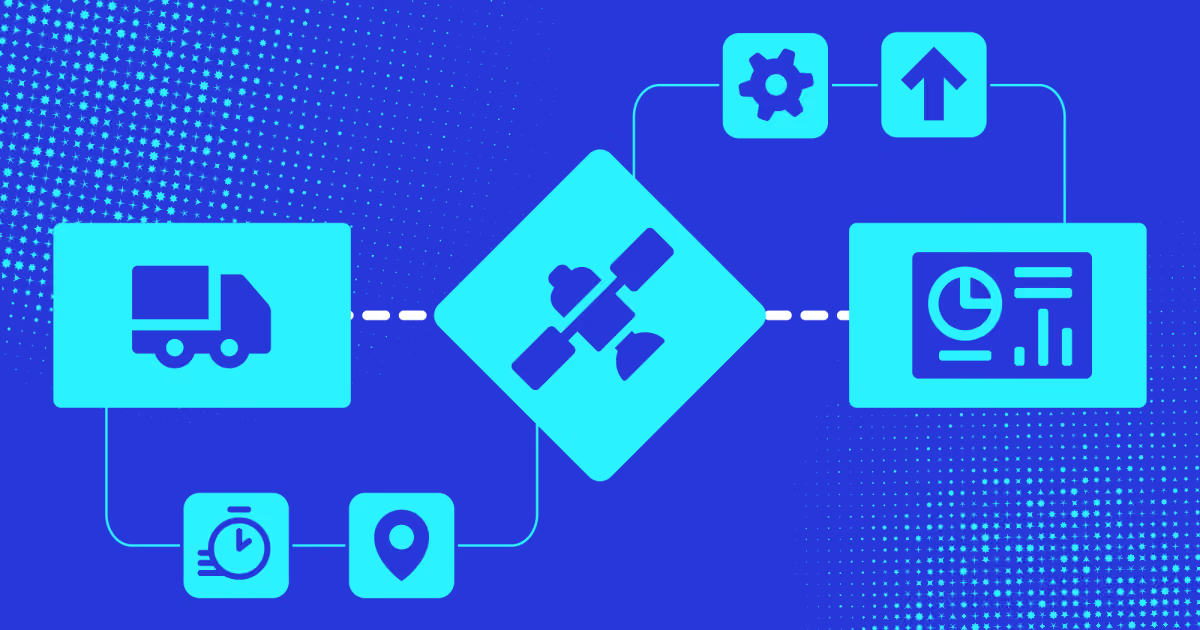
These systems use sensors in vehicles connected to centralized software. The sensors automatically record fuel data and send it to a dashboard where managers can view reports and analytics. The system also sends automatic alerts when it detects problems. Unauthorized refueling locations, unusual consumption spikes, or suspicious transactions trigger immediate notifications. Thanks to this, fleet managers can respond to issues in real time.
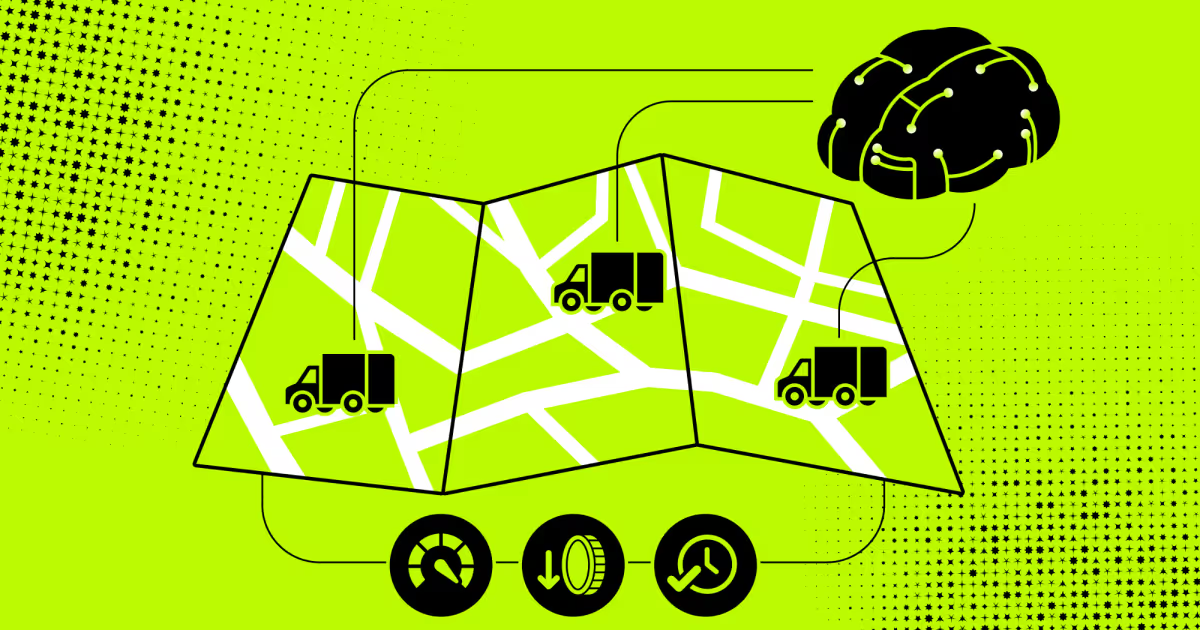
Route optimization adds another layer of value. The system analyzes fuel consumption across different routes and identifies issues. You compare costs per route and adjust correctly. The data shows which routes need changes based on traffic patterns, terrain, or distance.
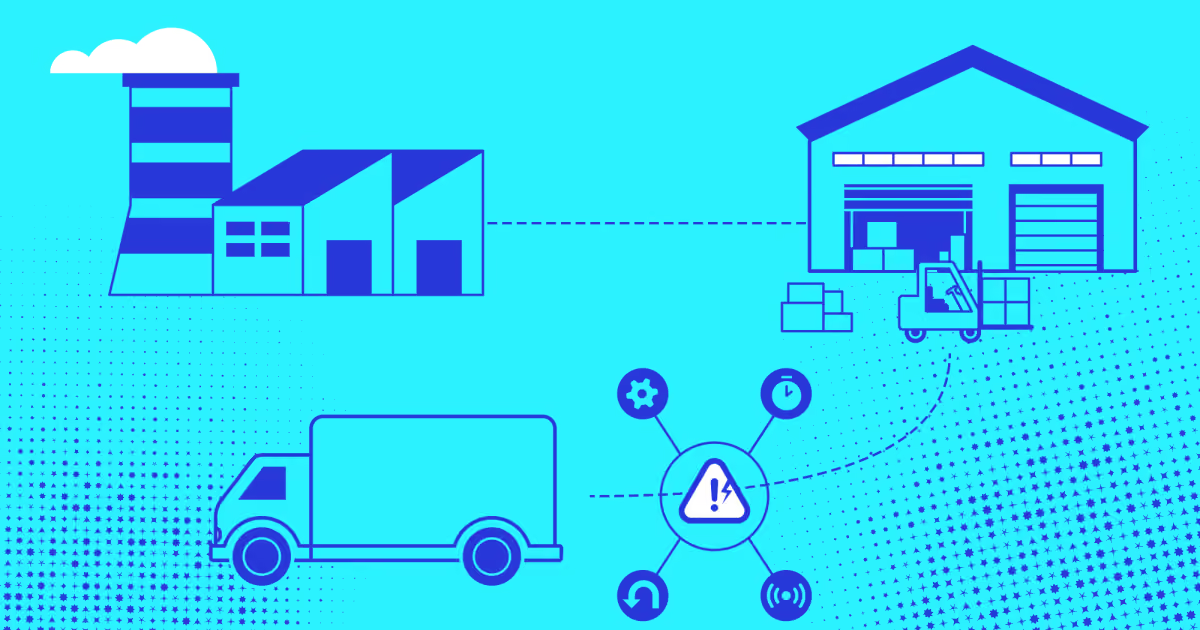
Fleet managers also use these systems to spot mechanical issues early. A sudden spike in fuel consumption often signals engine problems or tire issues. Catching these red flags prevents bigger repairs down the road.
The importance of fuel economy in business operations
Fuel represents one of the largest operating expenses for fleet-based businesses. Fuel costs account for approximately 40% of total fleet operating expenses. When fuel prices spike, these costs can quickly erase any profit margins and threaten business viability.
Fuel costs hit fleet operations harder than most managers expect. The American Transportation Research Institute found that fleet costs jumped 21.3% recently, with fuel expenses driving most of that increase. For small fleet operators, who make up 91.5% of for-hire carriers and typically run six or fewer trucks, even minor fuel price changes create serious financial pressure.
Real-world data backs up these efficiency gains. A study of over 800 commercial fleets found that top performers reduced fuel consumption by 13% through better driving behaviors and increased maintenance. These fleets achieved a 79% reduction in hard acceleration, 40% reduction in hard braking, and 20% reduction in idling time.
Beyond direct costs, fuel management fleet optimization affects your carbon footprint. Regulatory pressure around emissions continues to grow, demanding increasing efforts for sustainability in logistics. Businesses that improve fuel economy today position themselves better for stricter environmental standards tomorrow.
How fuel management systems work
In the very background of these systems lie several modules that make them efficient. Some are more advanced than others. Let’s start with the core ones.
Basic operation
Fuel management software captures data from multiple sources and consolidates it into a single platform. The process starts when a vehicle refuels. At that moment, the system records transaction details like driver ID, odometer reading, gallons pumped, cost per unit, fuel grade, location, and time. This data flows automatically to a central dashboard.
Different solutions collect data in different ways:
Fuel cards capture information at the pump when drivers swipe.
On-site fuel systems integrate hardware at company fuel stations with mobile apps or web portals.
Telematics solutions use plug-in devices that pull data directly from vehicles.
Fleet management software can import historical fuel data from spreadsheets or legacy systems and combine it with real-time information.
The workflow eliminates manual logging. When implemented properly, the system tracks and records fuel data automatically. Fleet managers access this information through reports that can be filtered by vehicle, location, date, or driver. This automated approach reduces human error and provides more reliable data.
Role of sensors, software, and reporting tools
Sensors form the foundation of modern fuel management.They involve several pieces of technology tied together:
Flow meters measure fuel consumption as it moves through the system. Fuel level sensors track how much fuel remains in tanks. According to Bhavanisankari and colleagues, exhaust gas oxygen sensors provide feedback on air-fuel ratios, helping maintain optimal engine performance.
Fleet fuel telematics adds another layer of intelligence. These units include GPS tracking and fuel monitors that capture data on vehicle speed, routes, and idling times. The GPS component tracks fueling locations and can flag transactions that occur outside approved areas. Built-in diagnostics detect engine trouble codes that might indicate fuel efficiency problems.
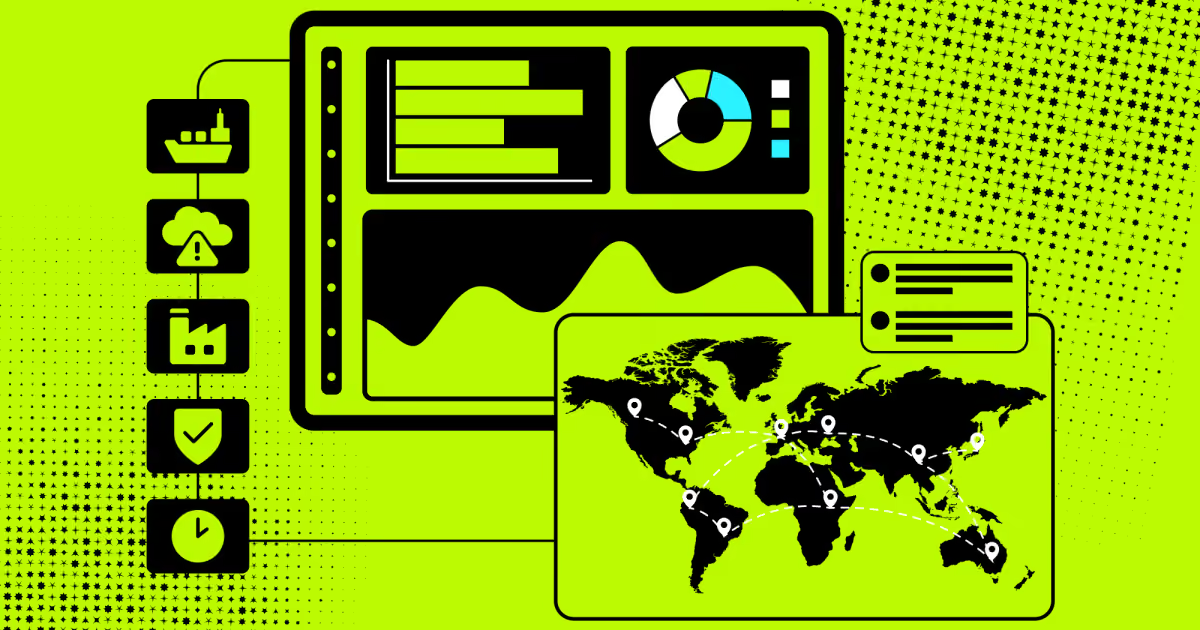
Software ties everything together. The platform processes raw sensor data and transforms it into actionable reports. Fleet managers use dashboards to monitor fuel consumption patterns, compare vehicle performance, and identify inefficiencies. Mobile apps extend this capability to drivers, allowing them to submit receipts via photos, track their own fuel statistics, and receive alerts about route optimization.
Exception reports provide automated oversight. These reports flag unusual activity like over-capacity fills, missing GPS locations, or excessive consumption. When a vehicle suddenly requires twice as many refills as similar units, the system alerts managers to investigate potential mechanical issues or fuel theft.
Data collection methods
Modern systems for fleet fuel management collect data through several channels. Each of them offers different advantages:
Fuel card systems get transaction data at the point of sale. Drivers swipe cards at the pump, and the system records purchase details. These cards prevent unauthorized use and simplify payment. The data includes transaction times, locations, and amounts.
On-site fleet fueling systems offer more control for fleets with their own fuel storage. These systems typically combine hardware installed at fuel pumps with software that tracks every transaction. You get visibility into tank levels, can set pump and driver controls, and access comprehensive reporting tools. This provides security and cost savings by keeping fueling operations in-house.
Telematics devices collect the most comprehensive data. These plug-in units pull information directly from vehicle computers, capturing fuel consumption rates, engine performance metrics, driver behavior patterns, and diagnostic trouble codes. Because the device connects to the vehicle's onboard systems, it provides accuracy that external tracking cannot match.
Fuel fleet management software integration creates a unified view. When fuel cards, on-site systems, and telematics feed data into centralized fleet management software, you see fuel usage patterns. The software can import historical data from spreadsheets or legacy systems and combine it with live feeds. This integration reveals relationships between fuel consumption and daily operations.
The automated collection process eliminates manual work. Instead of sorting through fuel receipts, the system categorizes and organizes information by itself. Data reliability improves because human error gets removed from the equation. Fleet managers can analyze fuel spend by vehicle, depot, driver, or time period with just a few clicks.
Types of fuel management systems
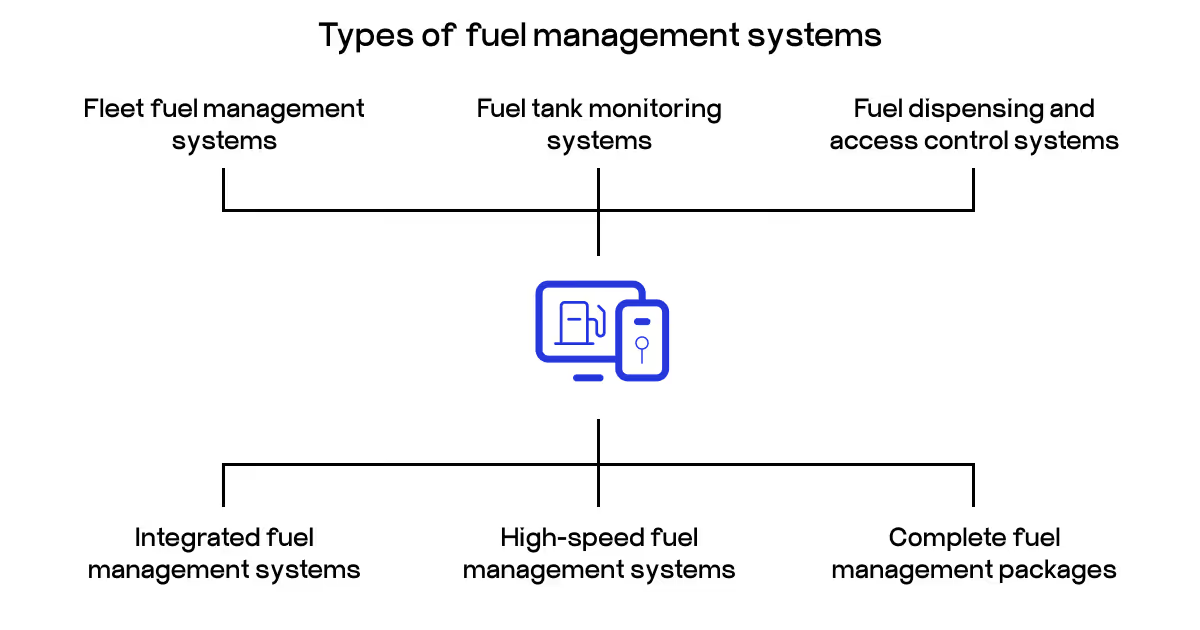
Fleet fuel systems come in several shapes and flavours, depending on different operational needs and scales. Choosing the right type depends on your fleet size, fuel storage setup, and reporting requirements.
Fleet fuel management systems
Fuel system management for fleet operations provides an end-to-end oversight if your business operates multiple vehicles. These systems offer real-time fuel tracking that monitors tank levels and alerts drivers when refueling becomes necessary. Advanced analytics generate detailed reports on driver-based fuel spending, efficiency trends, and route-based costs.
Integration with fuel card systems streamlines the entire refueling process. The software tracks purchases, controls spending through preset limits, and sends alerts for unusual transactions.
Route optimization features reduce travel distances and help drivers avoid traffic congestion. The system calculates the most efficient paths, which cuts idle time and lowers fuel consumption. Driver behavior monitoring identifies wasteful habits like harsh acceleration or excessive idling, allowing managers to implement targeted training programs.
Fuel tank monitoring systems
Fuel tank monitoring systems focus specifically on measuring and tracking fuel levels within storage tanks. According to Vegesna, these systems use sensors and gauges to provide accurate, continuous readings of tank contents, which helps station operators detect conflicts between inventory and sales data.
The technology monitors fuel stock levels remotely, tracks deliveries and usage patterns over time, and identifies unexplained losses or potential leaks that might otherwise go unnoticed. Tank monitoring is valuable for sites with high fuel volumes or remote locations. When integrated with a fleet fuel management system, operators can access tank data securely from anywhere with an internet connection.
Fuel dispensing and access control systems
Dispensing and access control systems regulate who can access fuel and how much gets dispensed at refueling points. These systems require authorization before releasing any fuel, using vehicle identification numbers, driver PINs, access cards, or site-specific permissions to verify each transaction. Every fuel draw is recorded automatically, creating an audit trail.
Fleet managers can set individual permissions for different vehicles or drivers, limiting fuel access based on roles or schedules. This granular control helps prevent misuse while maintaining convenience for authorized personnel.
Integrated fuel management systems
Integrated fuel management solutions combine tank monitoring, dispensing control, and reporting into a single unified platform. The software consolidates everything for a full analysis. Operators can compare fuel dispensed against tank movements, identify variances between deliveries and actual usage, and monitor performance across vehicles and sites.
This integrated approach proves especially useful for larger fleets managing multiple fuel types like diesel and AdBlue. The consolidated data reduces administrative workload by eliminating the need to reconcile information from disconnected systems. Fleet managers get a complete operational picture rather than fragmented snapshots from various sources.
High-speed fuel management systems
High-speed systems serve operations requiring rapid fuel dispensing without sacrificing accuracy or control. These are often logistics hubs, haulage yards, and public sector fleets. The systems support faster refueling times through high-volume pumps while maintaining continuous operation and accurate transaction recording even under heavy load.
The engineering behind these systems ensures durability in harsh conditions while preserving precise data capture. Speed does not come at the expense of accountability, as every transaction still gets logged with full detail. This balance allows operations to maintain productivity without compromising fuel tracking or financial controls.
Complete fuel management packages
Complete packages deliver fuel storage tanks, pumps, monitoring systems, and software as a single integrated solution. Businesses can create customized on-site refueling facilities tailored to their exact specifications, including bunded fuel storage tanks, multiple dispensing points, compartmentalized tank monitoring, comprehensive reporting software, and full installation with training and ongoing support.
This approach ensures all system elements work together as one whole. Installation by experienced engineers guarantees proper setup and long-term performance. This way, you avoid the headaches of piecing together separate systems and instead get a proven, reliable fuel management infrastructure designed for their specific operational requirements.
Problems solved by fuel management systems
Surely, you can still keep collecting gas station receipts and having information stored in spreadsheets. It works - until it creates more issues in the long run, without audit trails or optimization opportunities. Meanwhile, online fuel management systems have the ability to solve significant problems.
Fuel logging and reporting
Manual fuel tracking drowns fleet managers in paperwork and creates gaps where errors hide. Fuel management software captures every transaction automatically, from the gallon count to the timestamp and location, building a complete digital record without human intervention. The software generates instant reports that show spending patterns, consumption trends, and cost breakdowns by vehicle, driver, or route, turning raw data into decisions you can act on today.
Driver behavior monitoring
Aggressive driving burns through fuel faster than most managers realize. To address this issue,
fuel monitoring systems track hard acceleration, sudden braking, excessive speeding, and unnecessary idling in real time, flagging the specific behaviors that waste money. Fleet managers can use this data to coach drivers on efficient techniques, reward top performers, and identify who needs additional training before bad habits become expensive patterns.
Fuel theft detection
Fuel theft happens quietly and costs fleets thousands before anyone notices the missing gallons. Management systems compare what should be in the tank against what actually gets used, triggering alerts when the numbers do not match or when suspicious transactions appear outside normal patterns. The technology catches unauthorized fills, siphoning, and fraudulent purchases immediately, stopping theft before it escalates into serious financial damage.
Predictive maintenance
There’s a paradox. How to manage fleet fuel costs if vehicles with mechanical problems consume more fuel? Warning signs often go unnoticed until repair costs multiply. Fuel management systems detect sudden spikes in consumption that signal engine trouble, clogged filters, low tire pressure, or other efficiency killers before they cause breakdowns. This early warning allows mechanics to fix small issues during scheduled maintenance instead of dealing with expensive emergency repairs and vehicle downtime.
Fuel storage monitoring
You might also silently lose fuel and costs. Fuel sitting in storage tanks can disappear through leaks, evaporation, or measurement errors without constant oversight. Feet fuel monitoring solutions track tank levels continuously, comparing deliveries against dispensed amounts to catch these situations as they happen. The technology identifies slow leaks, calibration problems, and inventory shrinkage in real time, protecting both your fuel investment and the environment from undetected spills.
Choosing the right fuel management system for your business
When it comes to improving fuel management for fleets, you can’t go without specific software to automate this process. The market is abundant for such solutions - either standalone or as parts of more general tools for managing fleets. We compiled a list of the best options.
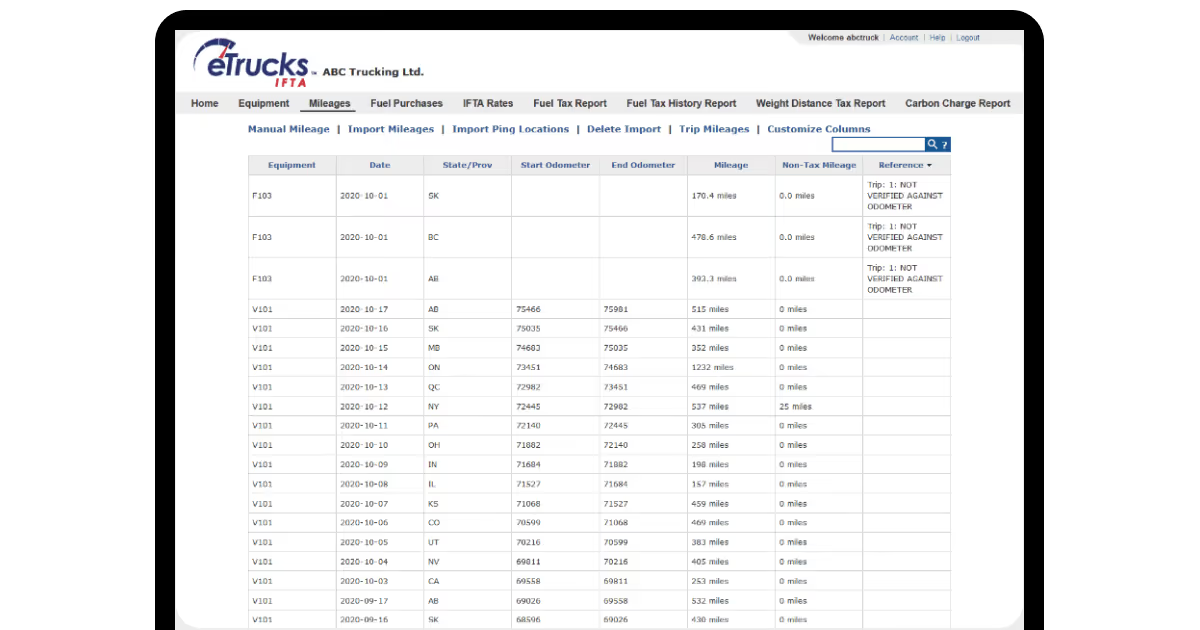
eTrucks is one of the best fuel management systems for trucks. It automates fuel transaction recording and includes driver behavior monitoring with route optimization. The platform handles IFTA compliance reporting automatically, which is useful for interstate trucking. It combines fuel management with asset tracking and dispatch routing in one system. Pricing starts at $18 per truck monthly with a 31-day trial. Best for trucking companies needing IFTA compliance built into fuel tracking.
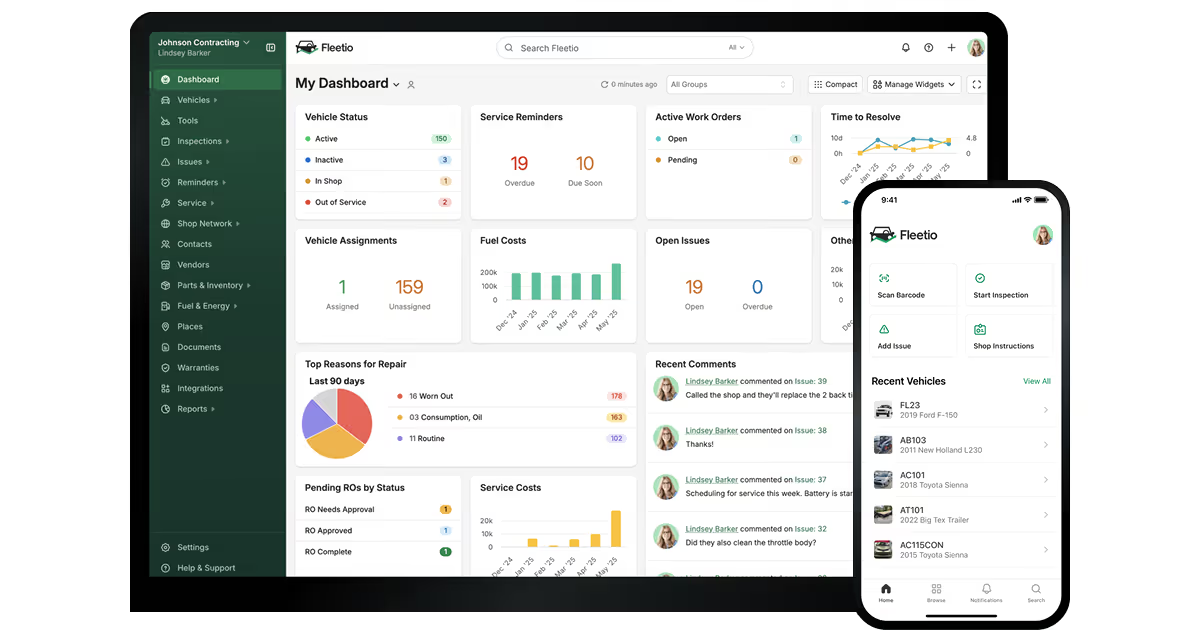
Fleetio tracks fuel activity alongside maintenance, inspections, and expenses. This fleet and fuel management system shows whether fuel cost increases come from mechanical issues, driver behavior, or theft by comparing fuel reports with service records and maintenance schedules. It calculates total cost of ownership for each vehicle to help with replacement decisions. Three pricing tiers start at $4 per vehicle monthly for basic inventory management, $7 for service tracking and reporting, and $10 for advanced integrations. Best for mid to large fleets wanting fuel management connected to broader operations.
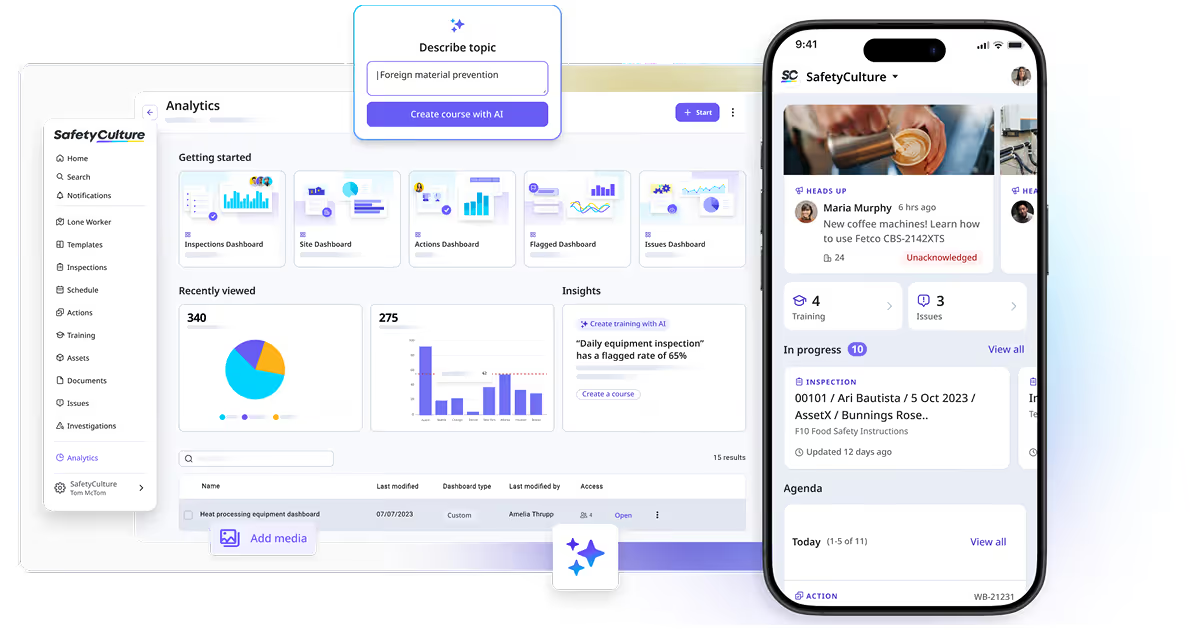
SafetyCulture fleet fueling management runs on mobile devices and lets workers input fuel data even from remote locations. GPS sensors track consumption and help optimize routes. The platform uses standardized checklists for logging fuel usage and includes analytics to spot improvement areas. It integrates with GeoTab and Caterpillar VisionLink for expanded tracking. Free for teams under 10 users, premium plans cost $24 monthly. Best if you prioritize mobile access or work in dispersed locations.
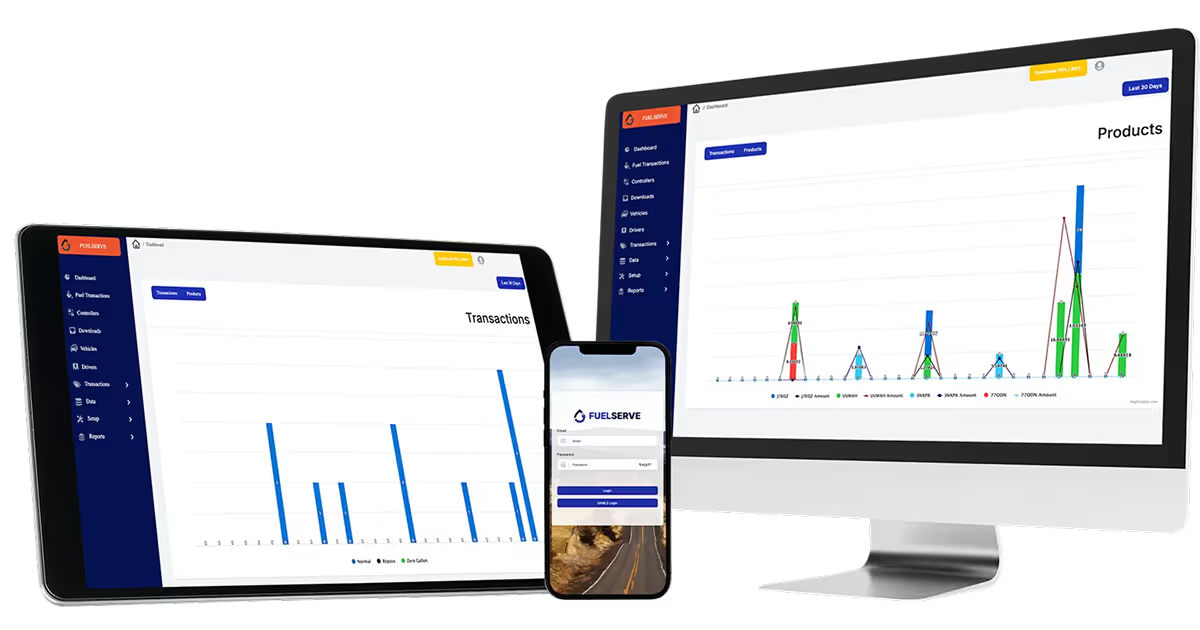
FuelForce uses RFID technology and biometric authentication to control who accesses fuel. The system offers cloud or on-premise deployment with physical hardware devices. It provides automated dispensing and detailed inventory management with strong security features. Fortune 500 fleets and military agencies use this platform. Pricing requires contacting their sales team. This fuel monitoring software will fit businesses with high security requirements or sensitive operations.
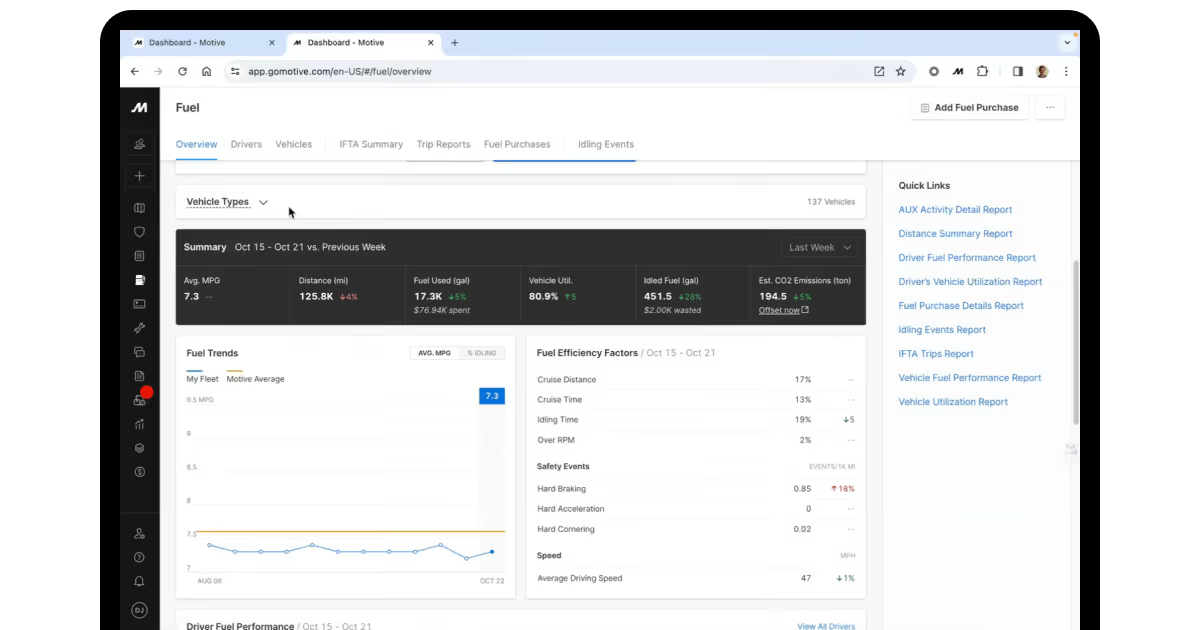
Motive combines automated fuel management with vehicle location monitoring,maintenance scheduling, and driver behavior analysis. Route optimization calculates efficient paths to cut fuel costs. Fuel card integration streamlines purchase tracking. The system generates compliance reports and works on web, iOS, and Android. Pricing available through direct inquiry with free trials offered. It’s great for fleets wanting fuel management as part of a complete operations platform.
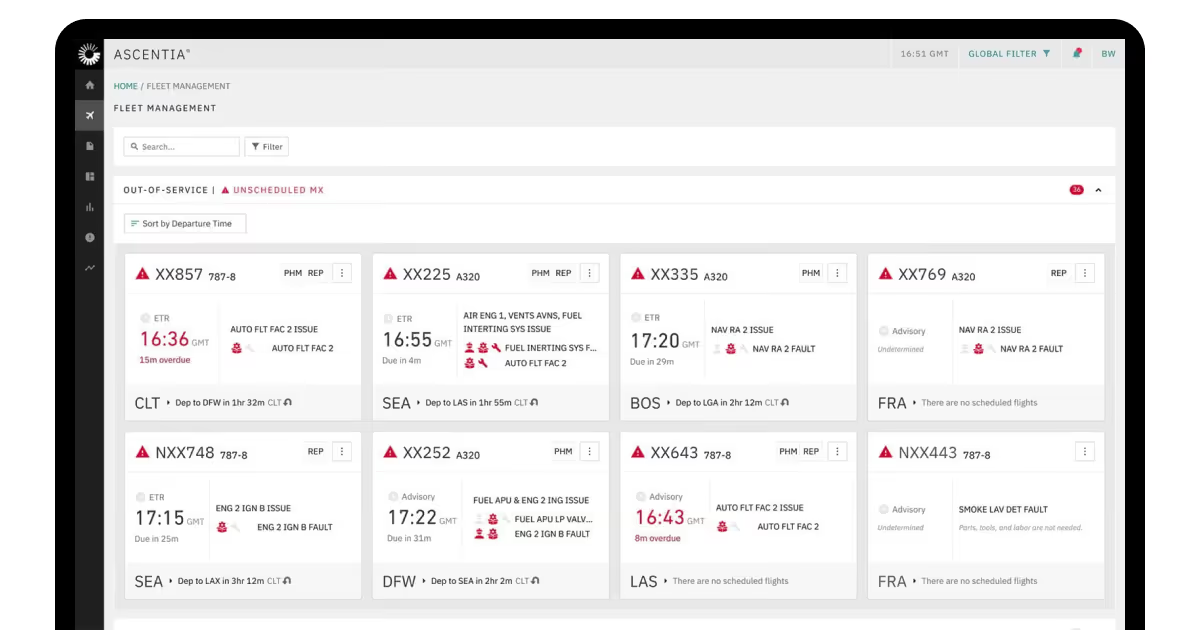
Collins Aerospace builds fleet fuel management for aviation operations. The platform automates fueling processes, monitors fuel quality, and analyzes efficiency for aircraft requirements. It integrates with existing airport and airline infrastructure. The technology meets aviation industry standards and regulations. Pricing also requires sales team consultation. This solution is a top pick for airlines, airports, and aerospace operations needing aviation-specific fuel management.
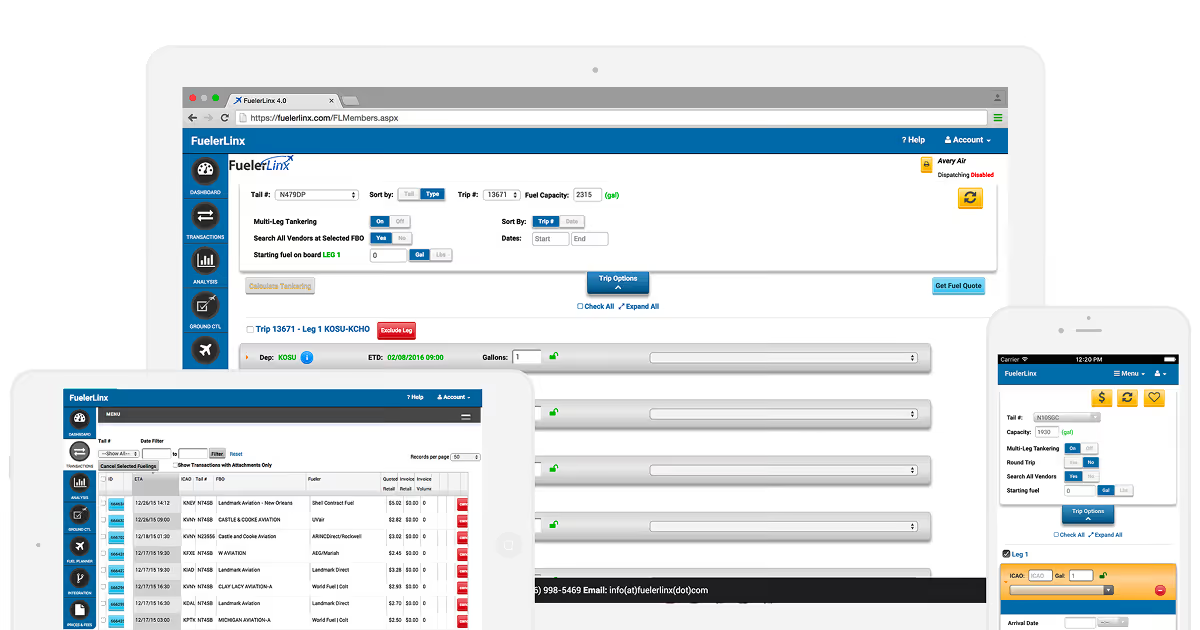
FuelerLinx automates fuel ordering for aviation operations and compares supplier prices in real time. Apart from that, inventory tracking helps optimize purchasing decisions. The interface simplifies aviation fuel procurement while maintaining detailed records. The pricing is fully custom, but a 45-minute demo is available after registration. This tool is best for aviation companies focused on fuel procurement and supplier price comparison.
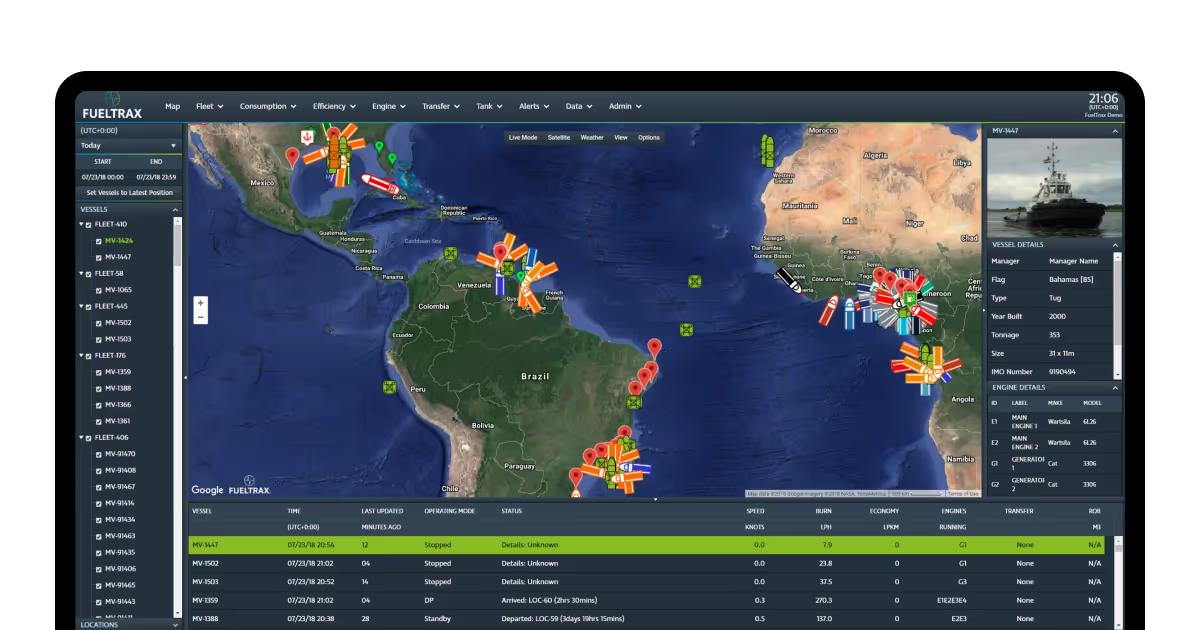
Fueltrax is the best fuel inventory software for sea shipping. It serves maritime operations with 99% uptime reliability. Real-time monitoring tracks consumption and tank levels at sea. Automated reporting reduces administrative work for crews. Theft detection also protects fuel supplies in challenging offshore environments. Pricing is tailored and requires contacting sales. Logically, this solution is best for maritime operations needing reliable offshore fuel management.
Whether you’re choosing between truck fleet fueling management systems or solutions for air or maritime operations, you need to pay attention to some factors to help you make the right decision.
How to choose the right
There are numerous fuel management systems out there that can improve your business. However, without experience, you might pick the one that will only drain budgets more on recurring fees without matter-of-fact improvements. Here’s what to focus on to avoid it.
Fleet size directly determines the scale and complexity of system you need. Larger fleets typically handle higher fuel volumes and require more robust data processing capabilities. A small operation with five vehicles has different needs than a logistics company running 200 trucks across multiple states.
Fleet diversity matters just as much as size. If you operate various vehicle types like sedans, vans, and heavy trucks, your system needs to accommodate different fuel consumption patterns and tank capacities. Mixed fleets also mean managing multiple fuel types, which requires systems that can track diesel, gasoline, and potentially AdBlue or alternative fuels separately.
The features of fleet fuel management solutions are vital. Pump control capabilities become critical for operations refueling multiple vehicles simultaneously. Systems that manage several pumps at once speed up the refueling process and get vehicles back on the road faster. So, consider whether you need basic single-pump control or advanced multi-pump management.
Access control features protect your fuel investment from unauthorized use. Modern fleet fuel management systems offer various authentication methods like RFID cards, biometric scanners, driver PINs, and vehicle identification. According to research, advanced implementations can provide superior speed, accuracy, and reduced delay compared to traditional PLC-based systems.
Data tracking and reporting capabilities are often what determine your ability to make significant improvements. Look for platforms that provide real-time monitoring, generate automated reports, and offer analytics for identifying consumption patterns. The ability to access data remotely through cloud-based dashboards proves essential for fleets operating across multiple locations.
Pump speed and accuracy requirements depend on your operational tempo. High-speed fuel monitoring systems delivering 150 liters per minute suit busy depots with constant vehicle turnover. Slower operations can function well with standard dispensing rates. Balance speed with accuracy to ensure you get reliable measurements without sacrificing efficiency.
Examine how the fuel management solution connects with your existing infrastructure. Compatibility with fuel cards and payment systems simplifies financial tracking. Systems that automatically import transaction data from fuel card providers save hours of manual reconciliation work. Check whether the platform supports your preferred fuel card networks or requires switching to specific providers.
Calculate the total cost of ownership, including hardware, software licensing, installation, training, and ongoing maintenance. Higher upfront costs often deliver better long-term value through reduced fuel waste, prevented theft, and better efficiency.
Reliable technical support prevents small issues from becoming operational disasters. Investigate what support comes with the system, including response times, availability hours, and whether assistance costs extra. Operations running around the clock need 24/7 support access.
Maintenance requirements affect long-term costs and reliability. Understand what regular maintenance involves, who performs it, and how much downtime to expect. Fleet fuel management systems requiring frequent recalibration or on-site technician visits create more operational disruption than those with remote diagnostics and updates.
Sometimes, still, you come to a situation where you can’t tick off all these checklist points in a ready-made system. One can combine the pump speed and accuracy you need, but it lacks the necessary integrations. The other might have insufficient support for the suitable offline functionality. To solve this issue, you might need a tailored tool.
When exactly to opt for a custom solution
Off-the-shelf tools for commercial fleet fuel management handle most standard fleet operations effectively. But some businesses face unique challenges that packaged solutions cannot address properly.
Custom solutions make sense when your business works outside typical patterns. Maybe you run a mixed fleet combining maritime vessels, ground vehicles, and stationary generators that all draw from shared fuel storage. Perhaps you manage fuel distribution across remote mining sites with limited connectivity and extreme environmental conditions. Standard systems designed for fleet management fuel consumption or fuel stations simply cannot accommodate these scenarios.
Industry-specific requirements often demand customization. Aviation fuel management differs fundamentally from trucking operations. Research by Vegesna proves how fuel station reconciliation systems need specialized features like Automated Tank Gauge integration and real-time discrepancy detection that general fleet software does not provide. When your industry has unique compliance, safety protocols, or operational workflows, generic systems create more problems than they solve.
Businesses with heavily customized enterprise software face integration challenges. Your fuel management system needs to communicate with proprietary inventory management platforms, custom dispatch software, or specialized accounting systems that standard products cannot connect to. Off-the-shelf solutions offer common integrations, but forcing your unique systems to conform to their limitations wastes the investment you made in existing infrastructure.
Extremely large operations sometimes exceed what packaged solutions handle efficiently. Managing fuel across hundreds of locations with thousands of vehicles and multiple fuel types creates data volumes and complexity that bog down standard platforms. Custom fleet fuel management systems can be architected specifically for your scale, with database structures and processing capabilities designed around your actual load rather than generic assumptions.
Conversely, very small specialized operations might find standard systems bloated with unnecessary features. Paying for capabilities you will never use makes no sense. A custom solution built for your exact needs eliminates waste and often costs less than enterprise-grade packaged software loaded with functions you do not require.
High-security operations like military installations or critical infrastructure face requirements that commercial products cannot meet. Custom fuel solutions allow implementation of specific authentication protocols, encryption standards, and access controls mandated by your security policies. Custom implementations using advanced hardware provide superior performance, accuracy, and security compared to standard PLC-based systems, which matters critically for sensitive operations.
Regulatory compliance in specialized industries sometimes demands features that do not exist in standard vehicle fleet fuel management. If your business operates under unique government regulations, environmental standards, or safety requirements, custom development ensures every necessary compliance feature gets built in correctly.
Businesses competing on efficiency, sustainability, or customer service might gain market advantages through superior fuel tracking and optimization. Custom systems can implement proprietary algorithms, unique reporting capabilities, or innovative features that give you a competitive edge impossible with the same commercial software your competitors use.
The decision to build custom ultimately comes down to whether your specific needs, scale, or strategic goals make the extra investment worthwhile. Most businesses find good solutions in existing products. But when standard options create significant limitations or miss critical requirements, custom development becomes the practical choice despite higher initial costs.
At COAX, we cover every aspect of these benefits and nuances with our custom logistics software development. We can develop a comprehensive fleet management system with fuel management capabilities or create standalone fuel monitoring systems that fit your requirements. Our development approach handles complex integrations with existing enterprise software, legacy hardware systems, and proprietary platforms that off-the-shelf products cannot connect to properly.
Our team implements machine learning algorithms that predict consumption patterns based on your historical data, detect anomalies indicating theft or mechanical issues, and optimize routing based on real fuel efficiency rather than estimated distances. We build these AI capabilities directly into your system architecture, whether you need predictive maintenance alerts, automated fraud detection, or consumption forecasting that accounts for your unique operational variables and environmental conditions.
Implementing fuel management software
Organizations typically follow one of several paths when deploying fuel management systems, each suited to different operational scales and technical capabilities.
Approaches to adopting automated fuel management systems
There are several ways your business can equip itself with advanced fleet management fuel monitoring. Some are high-stakes ones, while others are more careful. Let’s break each down.
The phased rollout approach starts with a pilot program on a small portion of the fleet. Companies test the system on 5 to 10 vehicles, identify issues, refine processes, and then gradually expand to the entire fleet over several months. This method reduces risk and allows staff to adapt incrementally.
The complete deployment approach implements the system across all vehicles simultaneously. Larger companies with dedicated IT teams and standardized fleets often choose this path, accepting higher initial complexity in exchange for faster full implementation.
The hybrid integration model combines new fleet fuel management software with existing systems gradually. According to Murugesan, modern implementations integrate hardware components like sensors and GPS modules with software platforms, including databases and mobile interfaces to create comprehensive monitoring solutions. For instance, you might start by connecting fuel card data, then add telematics sensors, and finally integrate maintenance scheduling systems.
The custom development route builds solutions from scratch to meet specific requirements. Companies with unique operational needs or security concerns develop proprietary systems using microcontrollers, cloud databases, and custom interfaces. This approach requires significant technical expertise and longer implementation timelines but delivers systems precisely matched to business requirements.
The turnkey installation method relies entirely on vendors to handle hardware installation, software configuration, staff training, and ongoing support. This way, you receive fully operational fleet and fuel management systems without internal technical involvement, though this approach costs more and offers less customization flexibility.
Whatever path you decide to take, there are some best practices that can make it more successful.
Implementation tips
As a company with more than 15 years of experience in logistics and transportation, we have seen some deciding factors that separate successful software implementation from problematic ones. For your fuel management plan to yield great results, we have compiled some proven tips:
Start by mapping your actual fuel transaction flow before configuring any software. Walk through a complete refueling cycle with drivers and note every data point currently captured manually. This reveals which fields in the software actually matter and which default settings you can ignore.
Set fuel capacity limits in the system 10% below the actual tank size. This prevents the fuel management system from accepting obviously fraudulent transactions where someone claims to pump 60 liters into a 50-liter tank. The alerts catch data entry errors and potential theft immediately.
Configure geofencing around your approved fuel stations with a 2-kilometer radius. Transactions outside these zones trigger instant alerts, catching unauthorized purchases or card misuse. For companies with defined routes, this feature stops drivers from detouring for personal errands.
Establish baseline consumption rates for each vehicle type during the first month. Calculate the average liters per kilometer for similar vehicles under normal conditions. When individual vehicles deviate by more than 15%, the system flags mechanical issues or driver problems before they escalate.
Schedule automated reports to run at specific operational moments rather than arbitrary times. Generate daily fuel summaries at shift changes when managers actually review them. Send weekly efficiency reports on Monday mornings when route planning happens. Timing matters more than frequency.
Enable exception notifications only for significant thresholds. Alerts for every minor variance create notification fatigue and are ignored. Set triggers for transactions exceeding 80 liters, refueling more than twice daily, or consumption spikes above 20% of normal rates.
Use driver ID requirements at every transaction, not just vehicle identification. When multiple drivers share vehicles, individual accountability disappears without personal authentication. This single change reduces fuel waste by identifying which specific drivers exhibit inefficient behaviors.
Import historical fuel data from the past six months before going live. Software for fleet fuel management needs baseline patterns to generate meaningful comparisons and predictions. Starting with a blank slate means waiting months before analytics become useful.
Test the mobile interface on the devices your drivers carry. Systems that work perfectly on new smartphones often fail on older Android versions or in areas with poor connectivity. Discover these problems during testing, not during daily operations.
These principles shape COAX’s approach. We start with discovery research to map your fuel workflows and requirements. We observe how your drivers refuel, how managers currently track consumption, and where your existing processes break down. This phase identifies the specific features your electronic fuel management system needs and which common capabilities you can skip entirely.
Our team handles the technical details that often derail implementations. We configure geofencing zones based on your actual station locations and route patterns. We test mobile interfaces on your drivers’ devices and verify performance under real connectivity conditions. After launch, we provide ongoing support to refine alert settings, adjust reporting schedules, and optimize the system as your operations evolve. With us, you get a partner who understands fuel management challenges, not just a vendor who delivers software.
FAQ
What is a fuel management system's most critical feature set?
Real-time fuel tracking with sensor integration forms the foundation, providing live visibility into consumption patterns and theft detection. According to research on FPGA-based SCADA systems for fuel management, modern implementations require high-speed data processing, accuracy, and minimal delay for effective monitoring. Transaction controls preventing unauthorized purchases, driver behavior analytics reducing idling waste, and automated IFTA compliance reporting complete the essential feature set.
What is fuel management's role in forwarders vs 3PLs?
Freight forwarders approach fuel management tactically, focusing on route optimization, carrier fuel surcharge negotiations, and shipment consolidation for transactional cost reduction. 3PLs take a strategic approach, implementing technology-driven optimization through warehouse and transportation management systems, adopting alternative fuels, and integrating fuel efficiency into long-term client sustainability goals while managing complex last-mile delivery optimization.
What are the challenges of implementing fleet fuel management system software?
You might face the following challenges:
High initial hardware and software costs deter smaller fleets.
Driver resistance to monitoring systems and changing wasteful habits creates adoption friction.
Integrating telematics with older vehicle systems proves technically difficult.
Managing overwhelming data volumes requires expertise that many organizations lack.
Fuel card fraud and siphoning persist despite monitoring.





























































































_.avif)











%2520explained.avif)

We are interested in your opinion