If you’re a logistics company overly reliant on fossil fuels and unsustainable practices, there’s one thing you have in common with your main energy source: you are both, sadly, likely to be extinct. The modern industry is calling for green logistics louder than ever, and this shift is caused by some factors:
Pressure is made by regulations and carbon taxes, which enforce compliance or risk fines up to $500,000 and great reputational damage.
Surging market demand is impacted by consumer eco-preferences that are gradually replacing the cost-driven business models.
Tech integrations like AI for optimizing routes, telematics with IoT sensors, GPS tracking, and sustainable transportation, warehousing, and packaging that cut emissions and bring cost reduction.
Six-pillar framework (green purchasing to reverse logistics) that optimizes circular economy loops over the traditional linear waste.
Principles of Reduce/Recycle/Reuse, with tools like electric fleets and load consolidation, minimizing empty miles and fuel use.
In this article, we will break down the principles, strategies, and technical solutions that help you become a successful, sustainable logistics company ready for the future.
What is green logistics?
Green logistics refers to business strategies that reduce the environmental impact of delivery operations and logistics networks.According to Nagy, this strategy combines energy-efficient warehousing, sustainable packaging, eco-friendly transportation, and sophisticated inventory management systems to lower carbon footprints without compromising profitability or customer satisfaction.
The idea first surfaced in the middle of the 1980s to describe logistics systems that use cutting-edge technology to reduce environmental harm. These days, companies increasingly use analytics, machine learning, and artificial intelligence to optimize supply chains while adhering to environmental laws. Green logistics encompasses reverse logistics as well, where suppliers dispose of packaging materials and environmentally sensitive components in a way that promotes circular economy principles all the way through the supply chain.
Let’s describe this and other components of green logistics in more detail.
What does green logistics consist of?
Green logistics management typically consists of using sustainable and eco-friendly procedures to reduce a product's environmental impact over its whole life cycle. Kim characterizes ecological preservation and resource conservation as essential green logistics ideas, setting them apart from conventional logistics through the potential for material recycling and reuse.
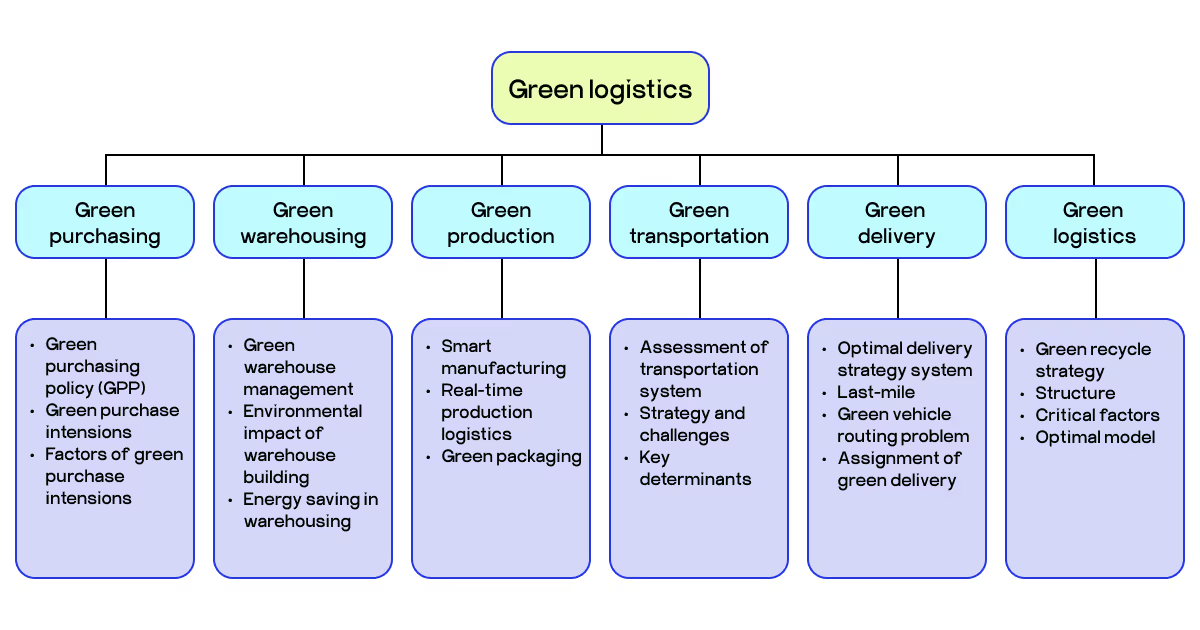
Six fundamental pillars comprise the framework:
Green purchasing creates guidelines that give preference to vendors who have sustainable practices and environmental certifications.
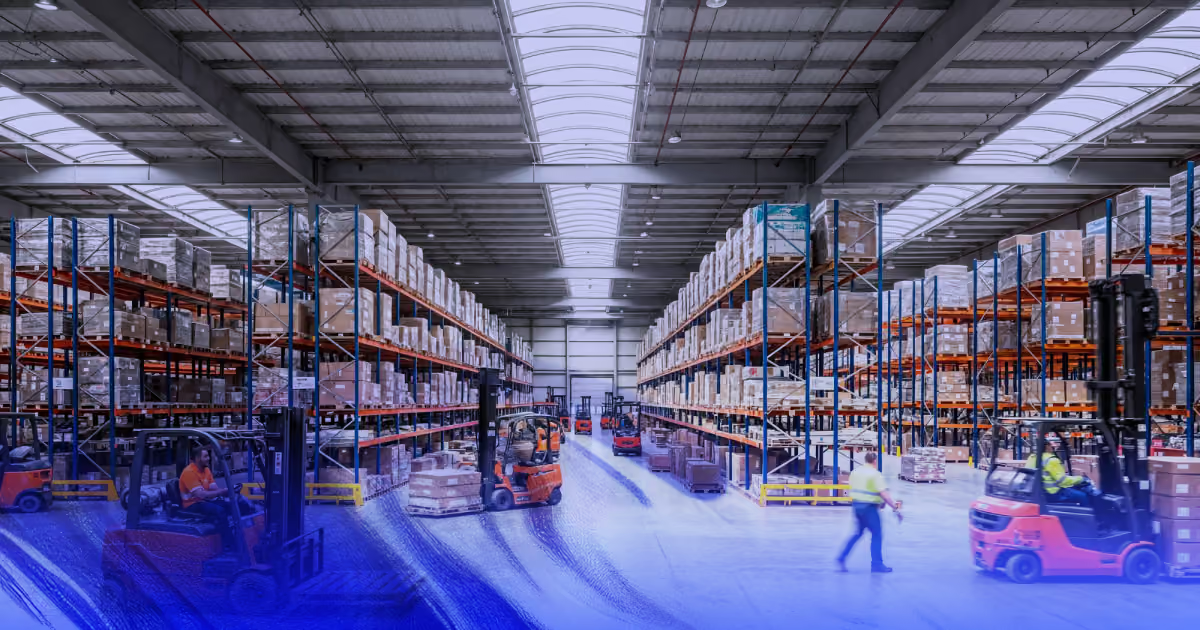
The goal of green warehousing is to manage facilities in a way that minimizes their impact on the environment by using sustainable building materials, energy-saving technologies like motion-activated LED lighting, solar or wind power systems, reinforced insulation, rainwater collection for sanitation and irrigation, and creative green roofs.
Smart manufacturing, real-time production logistics, and environmentally friendly packaging made of recyclable or biodegradable materials are all components of green production.
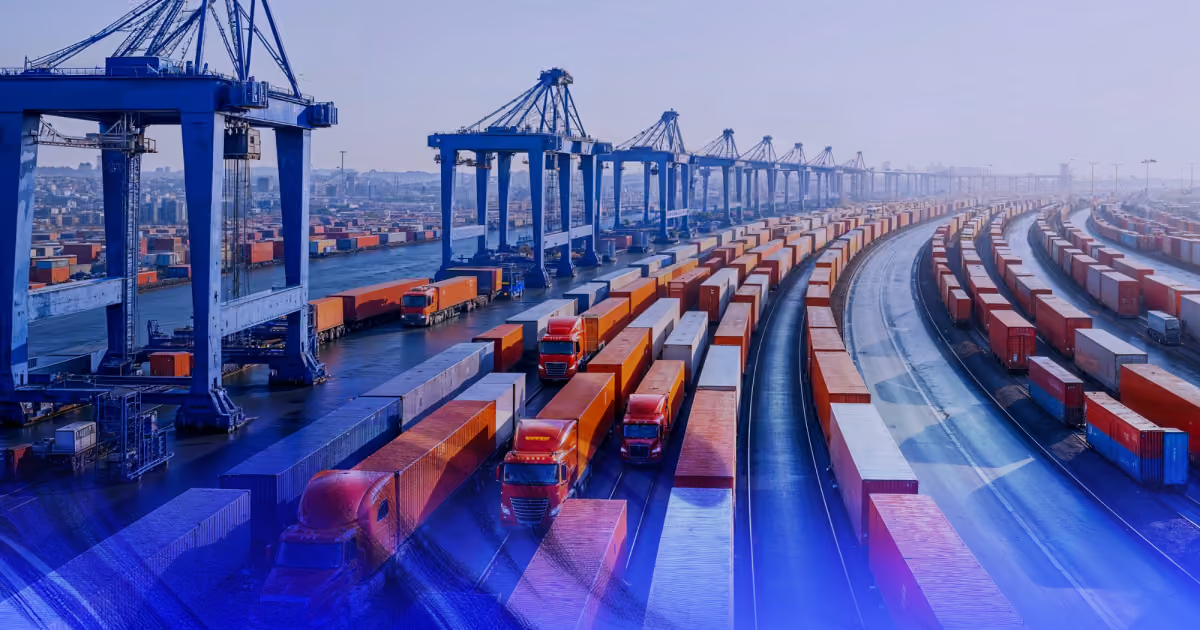
Green transportation covers the evaluation of transportation systems, strategic route optimization, and important factors influencing emissions. This entails cutting down on the number of vehicles and kilometers driven, utilizing eco-friendly modes of transportation, optimizing truck load capacities, and putting cross-docking into practice for effective supply management.
Green delivery uses green vehicle routing algorithms and strategic delivery systems to optimize last-mile logistics.
In order to complete the circular economy loop, reverse logistics oversees green recycling techniques and the best models for managing returned or end-of-life products. It requires careful supplier selection, in-depth process analysis, and thorough product life cycle assessments utilizing clean energy sources. It includes using natural, long-lasting materials, reinforced insulation for year-round energy efficiency, clean energy sources like solar or wind, LED lighting with motion detection systems, rainwater collection for irrigation and sanitation, and cutting-edge features like green roofs that further lessen environmental impact.
Why green logistics is important
To understand the impact and significance of logistics sustainability, let’s first define its place in the modern supply chain. The best way to do it is to compare it to the older, traditional practices.
Green logistics vs traditional logistics
Ameh identifies the significance of transitioning from traditional supply chains to green logistics in supply chain management as a way to address three major challenges: environmental degradation, public health risk, and economic instability. Once we understand how sustainable supplies differ from traditional ones, we can see how important it is to make this transition.
Business model itself. The other key difference is that traditional supply chains are linear and one-way, in that once goods are shipped from a manufacturer to a customer, they are disposed of at the end of their lifecycle or at the end of the supply chain. Sustainable supply chains consider a comprehensive model that includes all activities from the procurement of raw materials to the end of the product's lifecycle, with the primary emphasis being on a circular economy to support the entire life cycle of a product through sustainability.
The key goals. The main difference between traditional logistics and green logistics is the focus on cost, time, and efficiency versus environmental factors. Traditional logistics strives to maximize profits by reducing costs and increasing the efficiency of the supply chain. On the other hand, the goal of green logistics is to reduce resources needed for production, reduce energy, and minimize the impact of pollutants, while balancing economic, social, and environmental benefits.
Changes in consumption patterns. Green logistics places more emphasis on policy support and government guidance than traditional logistics, which depends on impulsive consumer behavior driven by commercial activities. It successfully promotes green consumer markets by advocating for sensible consumption patterns, moderate consumption scales, and adjustments to unsustainable behaviors.
This goes from the business level to the national one. With green logistics practices, whole nations can facilitate economic transformation and establish sustainable development patterns that benefit domestic and international markets by establishing stable supply chain systems.
Stats showing the urgency of eco-friendly logistics
The logistics sector accounts for up to 11% of greenhouse gas emissions. This impact becomes critical when considering future projections: global freight demand is expected to double between 2019 and 2050, doubling freight's greenhouse gas emissions without intervention. Transitioning to sustainable practices cannot be delayed.
The market responds to this challenge. The McKinsey analysis indicates that demand for green logistics could reach an estimated $350 billion by 2030, comprising around 15% of total global logistics spending, and this conservative estimate doesn't even account for potential price premiums on green shipping. This substantial market opportunity demonstrates that sustainability and profitability can align, encouraging businesses to invest in environmentally responsible solutions while meeting growing consumer demand for eco-friendly services.
International policy reflects the urgency of these challenges. The EU's Fit for 55 package aims to reduce greenhouse gas emissions by at least 55% by 2030, with regulations targeting transportation. These targets require coordinated action across industries, with sustainable green logistics playing a central role in achieving climate neutrality by 2050. What you get in the end is the combination of environmental necessity, market opportunity, and regulatory pressure.
Importance of sustainable logistics
As a result of the momentum we described, the urgency of green logistics solutions is evident. From simply being a corporate social responsibility, the need to make practices more eco-friendly is becoming a compliance necessity for many companies.
There are financial penalties associated with the failure to comply with green logistics operations. For instance, beginning in January 2026, importers are required to pay carbon taxes for any imported products within the European Union. Also, companies that fail to comply with the California Climate Corporate Data Accountability Act could face fines of up to $500,000 if they do not accurately report their emissions.
Financial penalties will also affect everyday operations and marketing efforts. Agencies continue to crack down on greenwashing, as evidenced by Italy's €8 million fine against the logistics provider GLS for using deceptive environmental marketing strategies. Many urban regions now have low-emission zones where any non-compliant vehicles are banned or heavily fined, impacting a company's ability to deliver products within those zones.
For most companies, investing in green logistics is no longer simply an option. It's now an issue of survival as they try to keep up with the rapidly changing regulatory environment.
Principles of green logistics
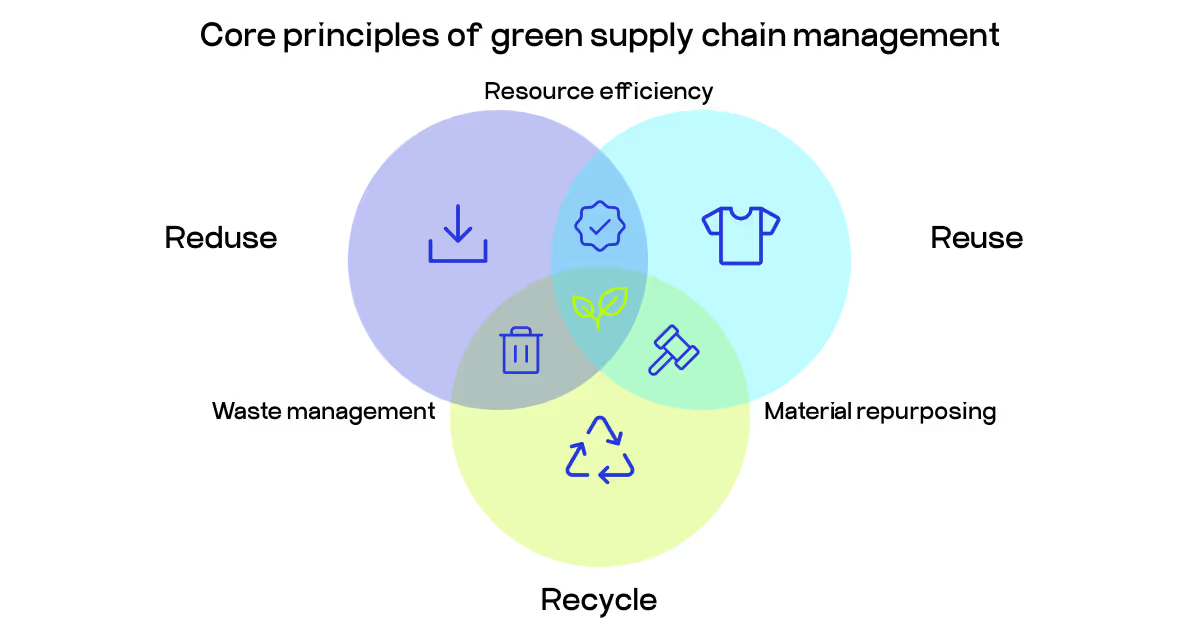
In Mohsen's view, sustainable logistics affect all the processes associated with manufacturing, beginning with the sourcing of raw materials, through their production and use, and possibly recycling products. It is based on three basic principles that complement and work together to minimize environmental impact, while maintaining operational efficiency.
Reduce
The first principle addresses the reduction of resource use and the generation of waste throughout the entire supply chain. It comprises such sustainable logistics practices as:
Optimizing routes to ship goods by road to reduce fuel consumption and emissions.
Planning loads effectively so that fewer trips are made, which increases capacity and lowers costs.
Applying sustainable packaging alternatives that utilize minimal amounts of material in their construction.
Investing in energy-efficient warehouses and distribution centres, companies can reduce energy costs while also having an impact on the environment.
Employing smart inventory management systems enables companies to reduce their likelihood of overproducing, and also prevents waste from products that have expired.
Developing logistics processes on an ecological basis doesn’t just tremendously reduce harmful emissions, but also contributes to conserving energy. Finally, new environmentally friendly hybrid and electric vehicles are likely to improve the efficiency of delivery operations, with hybrid delivery trucks able to provide approximately 16% fuel savings, compared to diesel-powered units, while battery-powered delivery vehicles achieve even greater reductions in emissions.
Recycle
The recycling principle translates waste materials into reusable resources through deliberate sustainability in logistics implemented across all business operations. This principle addresses the growing challenge of waste disposal costs and increasingly strict regulations governing recyclable materials.
It begins with material selection - choosing recyclable materials for packaging and products from the design stage. Companies establish recycling programs within their facilities and throughout their supply chains, ensuring materials like cardboard, plastics, and metals are properly sorted and processed.
Closed-loop systems allow materials to continuously cycle back into production, eliminating the concept of waste. Mohsen notes that sustainable development requires coordination between environment and economics, with recycling serving as a critical bridge between these domains. Collaboration with specialized recycling firms ensures materials are processed efficiently and meet quality standards for reintroduction into manufacturing processes.
Reuse
The reuse principle places a strong emphasis on prolonging the lifecycles of materials and products through repeated use without reprocessing. Pallets, containers, and crates are examples of reusable packaging systems that go through supply chains several times before needing to be replaced.
Product design considerations guarantee that products are easily cleaned or refurbished and can endure several cycles of use.
Repair services decrease the need for new manufacturing and increase the lifespan of products. By fixing and improving returned or used goods for resale, refurbishment programs give products a second chance at life.
Systems for green reverse logistics effectively control the movement of goods back through the supply chain for refurbishment or reuse. Green logistics management encourages the cyclical use of resources and guides economies toward more sustainable growth.
These practices not only reduce environmental impact but also often generate savings through decreased material purchases and waste disposal expenses, showing us that environmental responsibility and economic efficiency can align and not go as oppositions.
Green logistics strategies and how to develop them
You need to do some serious planning and cooperation throughout your whole supply chain to implement green logistics initiatives. Green logistics strategies should incorporate social impact, environmental safety, and economic efficiency, according to Bondarenko. To create eco-friendly procedures, all parties involved (suppliers, vendors, 3PL, and 4PL partners) must be involved.
The good news is that businesses that use mobile technologies and cloud-based smart supply chains can see every step of their logistics operations, from production to delivery to returns.
Green transportation
Logistics is responsible for most of the environmental impact that occurs during the transport phase. Subsequently, Bondarenko and Bozhko defined that optimising transport is a truly key area for green logistics. As a means of achieving this, the focus should be on the development and adoption of route optimisation and energy-efficient, sustainable transportation and logistics, all of which support a lower carbon footprint. This often includes:
The need for companies to strategically set their fleet sizes.
Establishment of an elastic logistic network to accommodate demand fluctuations.
Minimising empty runs by optimizing routes and distributing cargo.
Options for micro-mobility, such as e-bikes and drone delivery services, can cut down on carbon emissions associated with last-mile delivery.
Further to these developments, today’s modern logistics companies are educating their end-customer base regarding environmentally-friendly opportunities. For example, Amazon launched the ‘Amazon Day’ delivery option to group multiple orders onto fewer shipments, thereby reducing both the amount of packaging material used and the associated transportation carbon emissions, while still delivering a quality service to its end customers.
Alternative sources of energy
Making the switch to renewable energy in logistics facilities is an essential green logistics transportation strategy. While some facilities use geothermal or wind energy for heating and cooling, warehouses and distribution centers can install solar panels to power their operations. Additionally, an entirely sustainable transportation ecosystem can be produced by renewable energy-powered electric vehicle charging infrastructure. For long-distance trucking, where there are still few electric options, companies are also looking into biofuels. To create truly sustainable supply chains that reduce carbon footprints from production through final delivery, green logistics companies work with suppliers to ensure that their facilities also use renewable energy.
Waste management and circular economy
Logistics can change from a linear to a circular model through efficient waste management. This entails setting up extensive recycling programs, creating green logistics solutions for reusable packaging that move through supply chains, and putting reverse logistics into place for product refurbishment and returns.
Businesses are substituting long-lasting alternatives for single-use packaging, such as reusable pallets, containers, and multi-cycle protective materials. Besides, prominent companies like Walmart monitor packaging lifecycles, collaborate with recycling companies for appropriate material processing, and create products that can be disassembled and recycled, guaranteeing that materials are constantly re-entered into production cycles rather than ending up in landfills.
Green warehousing
The role of a warehouse facility currently goes beyond just distribution. For green logistics management, warehousing is an important part of a more sustainable supply chain.
A thorough energy audit should be done to identify any energy inefficiencies in the Warehouse operation. These can be as follows:
To reduce energy consumption in comparison to traditional lighting options, the warehouse managers can retrofit the warehouse with LED lighting systems.
The facility can also install smart climate control systems, such as motion sensors and automated temperature update systems, to eliminate unnecessary heating and cooling of the operation.
The optimal layout for the warehouse area should be determined in relation to reducing the distance for materials handling and the use of equipment.
The WMS system should be used to implement automation for storage and retrieval, reducing forklift operations and emissions.
To gain and retain a fully "green" image, your warehouse facility can also pursue Green Building Certifications like LEED by including sustainable materials, creating green roof systems for insulation, and rainwater harvesting systems.
Warehouse automation and optimization both help the facility operate more efficiently and decrease environmental impacts by providing more accurate tracking of inventory and therefore decreasing waste.
Technology integration
Technology makes it possible to measure and optimize logistics sustainability precisely and to continuously improve it.
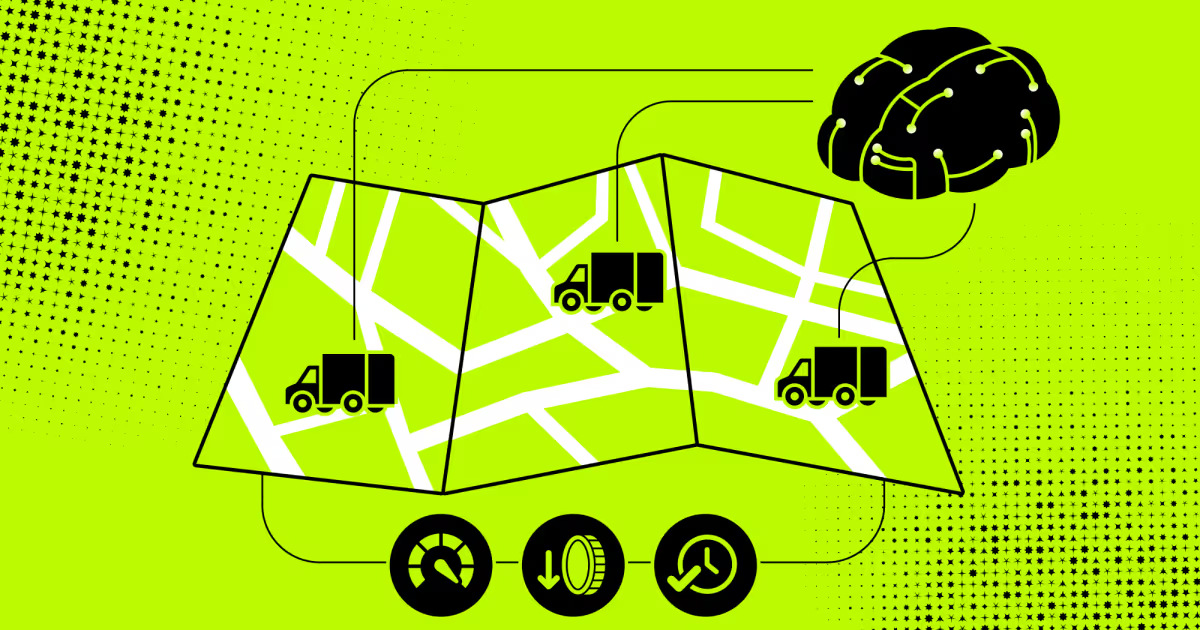
Supply chain control towers, which use AI for sustainability algorithms to optimize routes, combine shipments, and forecast demand patterns, can be implemented by businesses in order to provide real-time visibility across all operations.
IoT sensors monitor cargo conditions, fuel consumption, and vehicle performance to quickly spot inefficiencies.
By using telematics and AI to minimize empty miles, increase fuel efficiency, and lower emissions, fleet management tools also improve green logistics.
Blockchain technology verifies environmental claims across supply chains and guarantees transparency in sustainable sourcing.
Machine learning optimizes inventory levels across networks, minimizing needless transportation and storage needs, while predictive analytics helps avoid overstock scenarios that result in waste.
Since we started describing the technological side of improving your logistics practices to be more eco-friendly, let’s break them down in more detail.
Tools and technologies in green logistics
To improve your whole green supply chain management, you have to use appropriate technologies. Let’s start with the ones related to your ways of transporting packages - the core process that requires careful planning.
Route optimization systems
In logistics operations, it is essential to optimise routes for reducing CO2 emissions by using route optimization tools to achieve shorter travel distances, higher fleet productivity, and lower idle time.
To achieve sustainable logistics, such solutions are driven by GPS vehicle tracking, AI, machine learning, and IoT technologies. Route optimisation can reduce CO2 emissions from delivery vehicles by 20% or more, resulting from reductions in overall CO2 from transporting goods.
Examples of such technological solutions include the FarEye Vehicle Routing Engine, PTV OptiFlow, and Google Maps Route Optimiser, all of which optimise delivery routes based on multiple variables (traffic patterns, road conditions, vehicle loads) to find the optimal route with the lowest overall environmental impact.
When unexpected congestion occurs along an automated route, companies can automatically reroute the vehicle onto a more efficient route, reducing emissions. To achieve this, predictive analytics finds patterns over time to better plan future routes. Sustainable logistics solutions, such as LogiNext Mile, use AI to intelligently create optimised routing, sequencing of orders, and maximise capacity, and Routific focuses on automating last-mile delivery routing.
LogiNext Mile
Smart fleet management
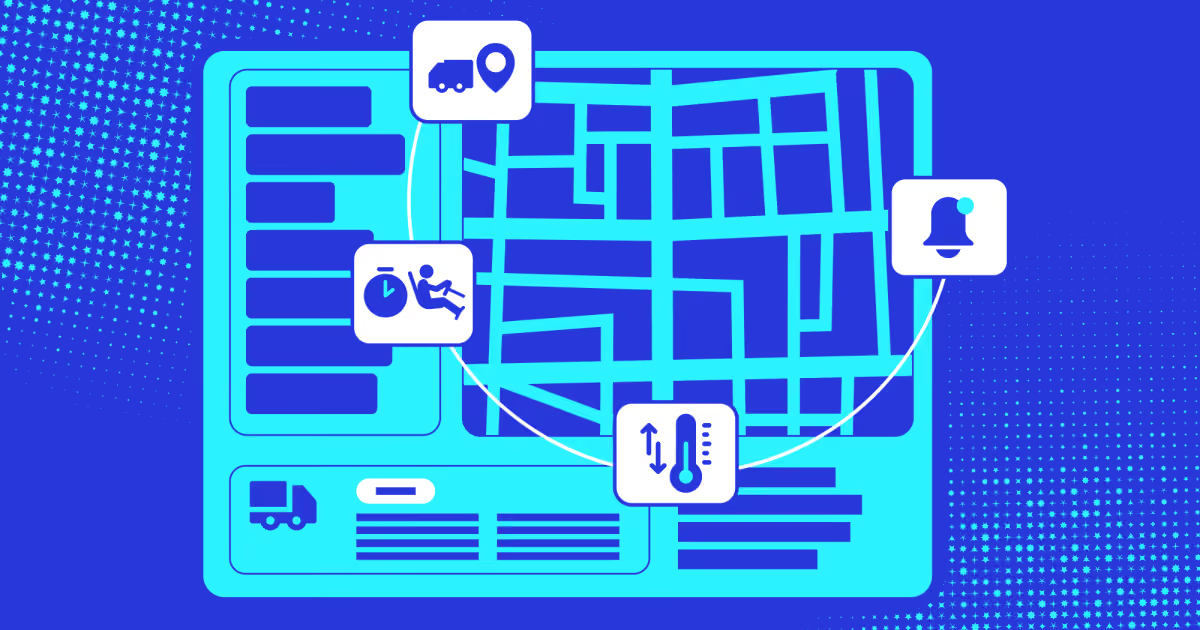
Fleet management software simplifies and improves how you monitor, analyze, and optimize your vehicle operations for sustainability. Fleet tracking software eliminates guesswork by providing exact visibility into where vehicles travel and when, making it easy to identify instances of wasted fuel and inefficient routing. Implementing comprehensive platforms with advanced capabilities like those at Samsara that use AI alerts and tools for improving driver safety to lessen drivers’ carbon footprints by positively influencing how much fuel is consumed.
While Verizon Connect allows fleet managers to manage all aspects of operations through integrated GPS tracking and route optimization, Geotab's solution provides fleet operators with the tools necessary to improve their fuel efficiency and schedule their maintenance through comprehensive data analytics. In addition, Michelin Connected Fleet provides solutions to monitor drivers and vehicle operation, supporting their transition to electric vehicles and low-emission logistics.
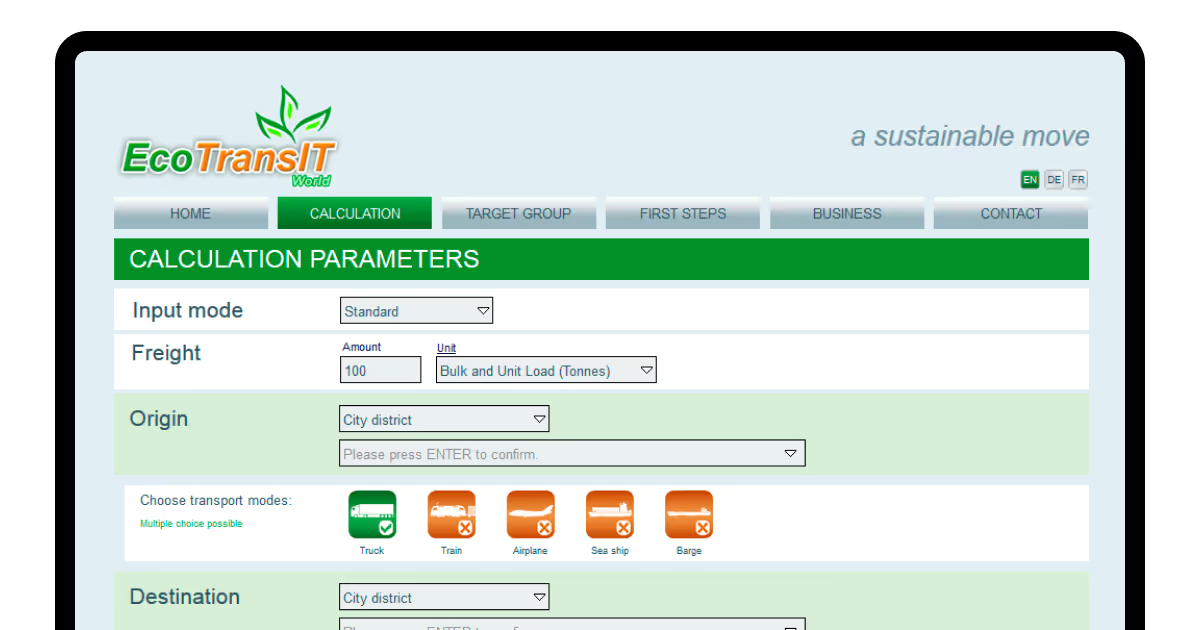
Environmental tracking tools also provide emissions calculations for green logistics accountability. Blue Yonder offers automated emissions calculations designed for freight forwarders and logistics providers, and EcoTransIT calculates transportation emissions across all modes - road, rail, sea, and air.
EcoTransIT
Electric and hybrid vehicle fleets
Making the switch to electric and hybrid vehicles is one of the most effective sustainable logistics management tactics currently in use. For instance, Oliveri and the team found that electric cars with lithium-ion batteries emit marginally less CO2 equivalent emissions than cars with internal combustion engines. According to the study, the environmental impact of electric vehicles can be reduced by 50% when they are charged using photovoltaic panels rather than electricity from fossil fuels, making them particularly useful for achieving green logistics goals.
Yu and colleagues’ research illustrates that electric truck technology offers the potential to significantly decrease logistics costs by as much as 33.3% and carbon emissions by up to almost 56%. In addition, electric truck fleet managers should also consider limitations of trucks based on vehicle range and charging times, as well as the overall capacity of the local electrical grid, when planning for the transition to electric truck fleets. Although there may be short-term impediments to the adoption of electric trucks based on infrastructure limitations, electric truck fleets represent an opportunity for logistics companies to get the benefits of green logistics and cost savings.
IoT and telematics
The data infrastructure required to implement successful green logistics strategies is provided by telematics systems and Internet of Things technology. According to Cao and others, intelligent IoT enables real-time data analysis by fusing sensor technologies with sophisticated algorithms. Businesses track shipments continuously with GPS-enabled IoT devices, which improves delivery accuracy and minimizes delays with real-time asset tracking.
The combination of robotics and smart sensors enables increased automation in warehouses and offers increased inventory control capabilities to optimize product delivery and maximize stock turnover. Real-time data on shipment routes, fuel efficiency, and driver performance can be continually collected from IoT-connected trucks to help maximize the use of the entire fleet. IoT monitoring sensors will allow for proactive monitoring of the health of vehicles to eliminate unexpected maintenance issues and significant reductions in maintenance costs.
Through using IoT technology, you track the progress of your packages, providing accurate delivery times for customers. By combining these technologies, your business gains improved visibility, the ability to automate many processes, and the potential for substantial savings.
Warehouse and packaging optimization
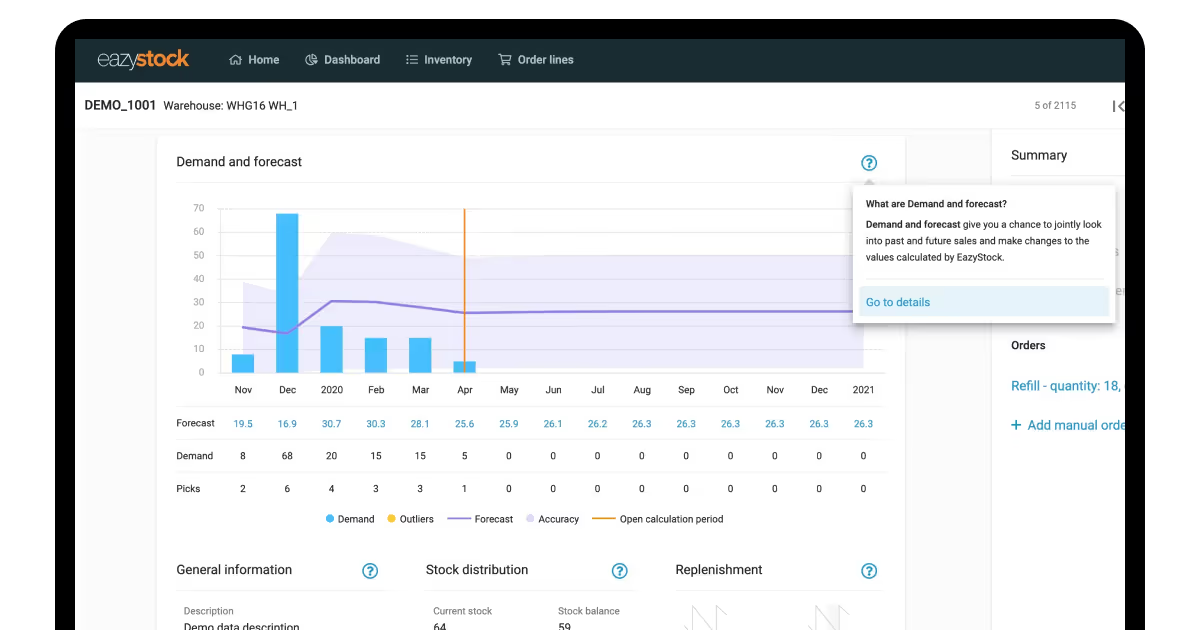
To truly be a green logistics company, you should adopt a modern, energy-efficient warehouse operation with tools like SAP EWM or EazyStock. IoT sensors, automated controls, and energy management software in warehouse systems significantly lower consumption. While HVAC automation modifies heating and cooling according to actual operational needs rather than predetermined schedules, motion-activated LED lighting reduces energy consumption by up to 75% compared to conventional systems.
EazyStock
Additionally, packaging optimization tools like QuantiPackAI and DeepPack analyze the dimensions of the product and transport method to identify how much packaging is needed while still protecting the product from damage. The software solution creates a simulation of a carton and pallet configuration, which reduces both void space and material waste.
Finally, green reverse logistics platforms such as LogiNext automate the routing and inspection process for returns, converting potential waste into recovered value, as well as providing customers with greater satisfaction and showing environmental responsibility.
Load consolidation and shared capacity
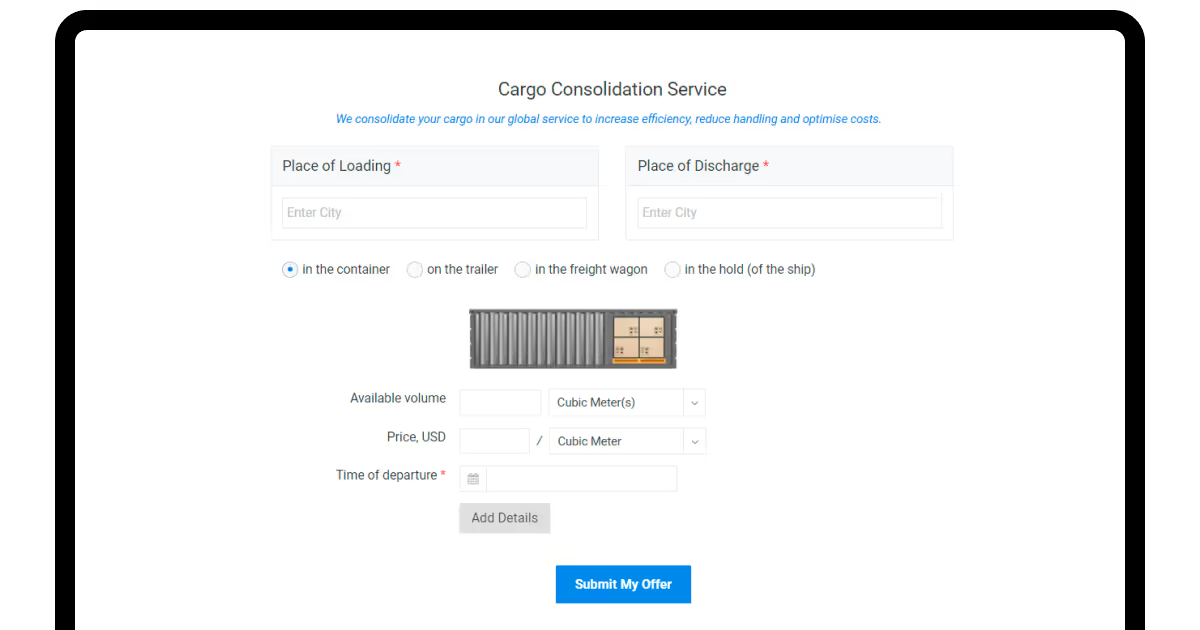
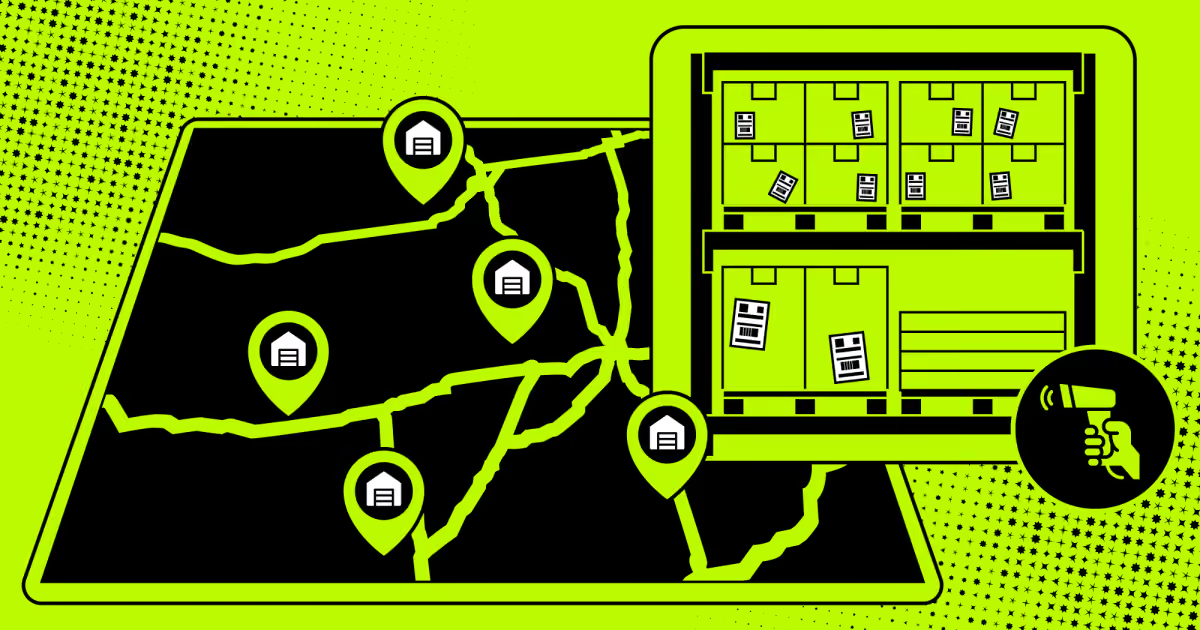
One major opportunity to reduce emissions in logistics operations is to eliminate empty transportation miles. In order to coordinate shared capacity in trucks, containers, and vessels, load consolidation platforms like SeaRates' Cargo Consolidation Service link shippers, carriers, and suppliers. These collaboration systems facilitate multi-modal transport optimization by carefully combining shipments by road, rail, and sea.
SeaRates' Cargo Consolidation Service
Load consolidation maximizes efficiency by grouping shipments into single trips, maximizing vehicle capacity, and minimizing the number of vehicles on the road. Fewer vehicles directly translate to smaller carbon footprints. For instance, EcoCart provides APIs for environmental impact analysis, segmenting routes by vehicle type for precise carbon footprinting.
Green logistic shippers that collaborate in this manner to manage shipments and combine their loads can avoid multiple revisits to the same area, and vastly maximise the use of their fleets. All of these aspects require effective collaboration and open lines of communication among the entire supply chain. However, when that occurs, they get both the environmental benefits and the financial rewards.
Challenges of green logistics
Green logistics seeks to balance social, environmental, and economic goals through environmentally friendly distribution, storage, and transportation methods, but the shift also faces some difficulties.
Environmental sustainability is challenged by the logistics industry's heavy reliance on fossil fuels and non-renewable energy sources, with a number of important issues requiring attention.
The biggest obstacle is the high upfront costs of switching to green logistics practices, sustainable packaging, renewable energy sources, and eco-friendly cars, which can be unaffordable for many businesses, particularly small and medium-sized ones.
Furthermore, last-mile deliveries are becoming more crowded in cities, which makes efficiency efforts more difficult, and trucking's ongoing reliance on gasoline and diesel produces significant emissions.
Due to the numerous suppliers involved in the supply chain, the process of coordinating with so many suppliers is challenging.
Other barriers found by Khayyat are a lack of technological readiness and the lack of clarity regarding government regulations regarding supply chain management, as well as a lack of standardised guidelines for measuring sustainability, which can lead to greenwashing.
However, partnering with an experienced logistics software development company can make a great difference and eliminate these challenges. Companies like COAX can implement custom green logistics solutions like AI route optimizers, GPS fleet trackers, or IoT warehouse management tools, perfectly suited to your operations. We handle secure integrations with suppliers and varied vendors, and can help you improve your reputation and compliance with a sustainable website UX that highlights your eco-friendly practices.
Our team provides ongoing support, tweaking everything to fit your evolving needs and keep sustainability front and center.
Examples of green logistics in practice
So, how do all these strategies for eco-friendly logistics come to life? Let’s see some examples from well-established sustainable logistics companies.
DHL’s road and air fuel savings.
By electrifying more than 40% of its pick-up and delivery fleet with approximately 39,100 electric vehicles, converting buildings to renewable energy sources, and incorporating sustainable aviation fuel (SAF) into 3.5% of the fuel mix of its own aircraft fleet, DHL Group advanced its Strategy called the 2030’s "Accelerate sustainable growth". These initiatives saved 1,584 kilotons of CO2e through decarbonization alone, bringing logistics-related GHG emissions (Scopes 1, 2, and 3) down to 33.77 million tons of CO2e in 2024, below their target. The initiatives also helped revenue grow to EUR 84.2 billion overall.
FedEx’s electric vehicles and jet fuel optimization.
In FY24, FedEx officially put into service 8,200+ electric vehicles (including e-cargo bike/tricycle type vehicles as well as 150 new Shyft Group Blue Arc truck types), while also committing to 50% of all electric pickup & delivery purchases by 2025 and purchasing 30% SAF blends by 2030 for jet fuel; in addition, FedEx has also focused on systemic efficiency upgrades resulting in a savings of 140-million gallons of jet fuel. The result is a reduction in overall Scope 1 aviation emissions, along with a 40% improvement in average km/lt vehicle fuel efficiency, and a 58% overall reduction in Scope 1 and Scope 2 Intensity.
A. Duie Pyle’s service center improvements.
By implementing a 99% electric forklift fleet across 12 service centers, A. Duie Pyle is one of the green logistics examples of fleet decarbonization, resulting in an estimated annual reduction of 2,343 metric tons of CO2e. To reduce emissions throughout its operations, the company has incorporated aerodynamic vehicle upgrades, telematics-based routing for optimization, renewable diesel, and stringent idle reduction policies. They also run a 570,000-square-foot solar-powered warehouse and recycle 80% of the water used at truck wash facilities.
Americold’s diverse green projects.
Americold invested more than $18 million in 25 sustainability projects during 2024, generating over 22 million kWh in annual energy savings through initiatives including LED lighting upgrades, solar installations, and refrigerant efficiency improvements. The company maintains sophisticated energy management systems with over 90% of facilities capturing real-time utility data, enabling participation in 76 utility demand-response programs and earning Energy Star certification for 26 buildings. These efforts resulted in 24,159 MWh of renewable energy production, with more than 64% of their global portfolio now utilizing energy-efficient lighting.
AIT Worldwide Logistics multi-modal fuel optimization.
AIT Worldwide Logistics aims to achieve net-zero Scope 1 and 2 emissions by 2035 and Scope 3 emissions by 2050, as well as 20% electricity reduction by 2027 and 100% renewable energy use at facilities by 2030. Over 7,000 metric tons of CO2 were abated in 2024 as a result of the company's sustainable aviation fuel purchases, and three new sustainable marine fuel agreements were established to lower emissions from maritime transportation. AIT demonstrated the feasibility of zero-emission long-haul logistics in 2024 by achieving significant operational milestones, such as 40% renewable energy usage in company-controlled warehouses and numerous successful electric vehicle deliveries exceeding 1,000 miles.
With these diverse sustainable logistics examples, you see the benefits and the challenges on your way to becoming a sustainable and responsible logistics provider. With the right strategies and careful planning, we believe that you can help pursue a better, cleaner world.
FAQ
What is green logistics' set of 4As?
The four A’s of green logistics is a framework developed by Macharis and colleagues. It includes Awareness (understanding impacts), Avoidance (reducing unnecessary transport), Act and Shift (using greener modes/times), and Anticipation (adopting new tech like EVs). From sourcing to delivery, awareness identifies the CO2 and social effects of logistics. Act and Shift uses eco-modes like rail, Anticipation uses EVs and smart technology, and Avoidance uses collaboration and optimization to reduce trips.
What is sustainable logistics' key implementation risk?
Regulatory risks to sustainable logistics include changing legislation, a lack of standardization, and challenges with chain compliance. Internal resistance, supplier shortages in weak areas, and consumer cost disputes in the face of low awareness are examples of organizational problems. For sustainable green shifts, these require strategic mitigation.
How does green logistics meaning differs from greenwashing?
Verifiable methods are what distinguish truly sustainable logistic practices. They are used in green logistics to lower emissions and improve supply chain sustainability. Unfounded claims of eco-friendliness without actual action or metrics are more commonly known as "greenwashing." The fundamental distinction is between deceptive marketing and real, quantifiable impact.
How does COAX develop secure and efficient green logistics solutions?
COAX makes use of ISO 9001 for quality, ISO/IEC 27001:2022 for security risk management, and AI-driven features like route optimization, IoT telematics, predictive maintenance, and carbon reporting. These allow us to establish safe API/EDI integrations for real-time tracking in logistics platforms, inventory balancing, and low-emission freight matching.







































































































_.avif)














%2520explained.avif)

We are interested in your opinion