DRVR Telematic Platform
Creating SyncMatix, a telematic intelligence and tracking platform

Logistics & Transportation
Services:
The team
7
2 Frontend developers
Mobile developer
DevOps engineer
QA dngineer
UI/UX designer
Project manager
Integrations
Telematics hardware providers (GPS/OBD devices)
Third-party TMS systems
Payment gateways
Geofencing services
Timeline: 14 months
Share:
Customer profile
The company (under NDA) that our client is running works with logistics operators to track every truck's position, speed, and potential service disruptions. They connect to vehicles via a GPS or the OBD port, collect data, and put everything together as dashboards for fleet managers. The client had a simple revenue model: sell telematics services subscriptions to other companies that operate delivery or freight fleets. The client's value proposition was in the client’s ability to use vehicle data for business intelligence and translate it into fuel, cost, and fleet size savings.
For a while, the business model was successful. The client was signing deals with logistics companies, freight agents, and service providers. Revenue growth had been quite impressive. However, their infrastructure consisted of different vendor platforms to provide one service (a separate GPS tracking application, a separate reporting application, and so on). Moreover, they provided a separate basic driver on-the-road app (rarely used as it was inconvenient). The client was collecting data from hundreds of vehicles, but the only way for the customer to get any value from that data was to log into multiple apps and piece together disparate data.
The company realized that the current setup could not scale to achieve expansion. The platform needed significant enhancement and consolidation to create a unified user experience.
Enhancing the existing live tracking system involved coordinating the tracking of thousands of vehicles moving at once and processing location pings every few seconds without missing any alerts or losing any data points.
The development scope included building a unified frontend experience to present telematics data from various hardware manufacturers, redesigning administrator dashboards that enabled control of the system but did not overwhelm users, developing mobile apps small enough to allow drivers to keep their batteries operating, and creating frontend visualizations for analytical engines that would spot patterns in fuel consumption, maintenance indicators, and driving habits.
The most challenging part was providing all users (with very different requirements) with the same level of service. The administrators needed access for configuration and managing partner accounts. Fleet managers required simple dashboards that included utilization, costs, and driver performance. Drivers required no intrusive app functionality, simplicity, and low battery consumption. Partners required white-label flexibility with the appropriate levels of system access for their individual customers.
Working with the client's existing backend infrastructure, we focused on creating a unified frontend experience that would consolidate all telematics functionality into one cohesive platform. Our approach centered on building modern web and mobile interfaces that connected to the client's data sources and transformed fragmented systems into an integrated experience.
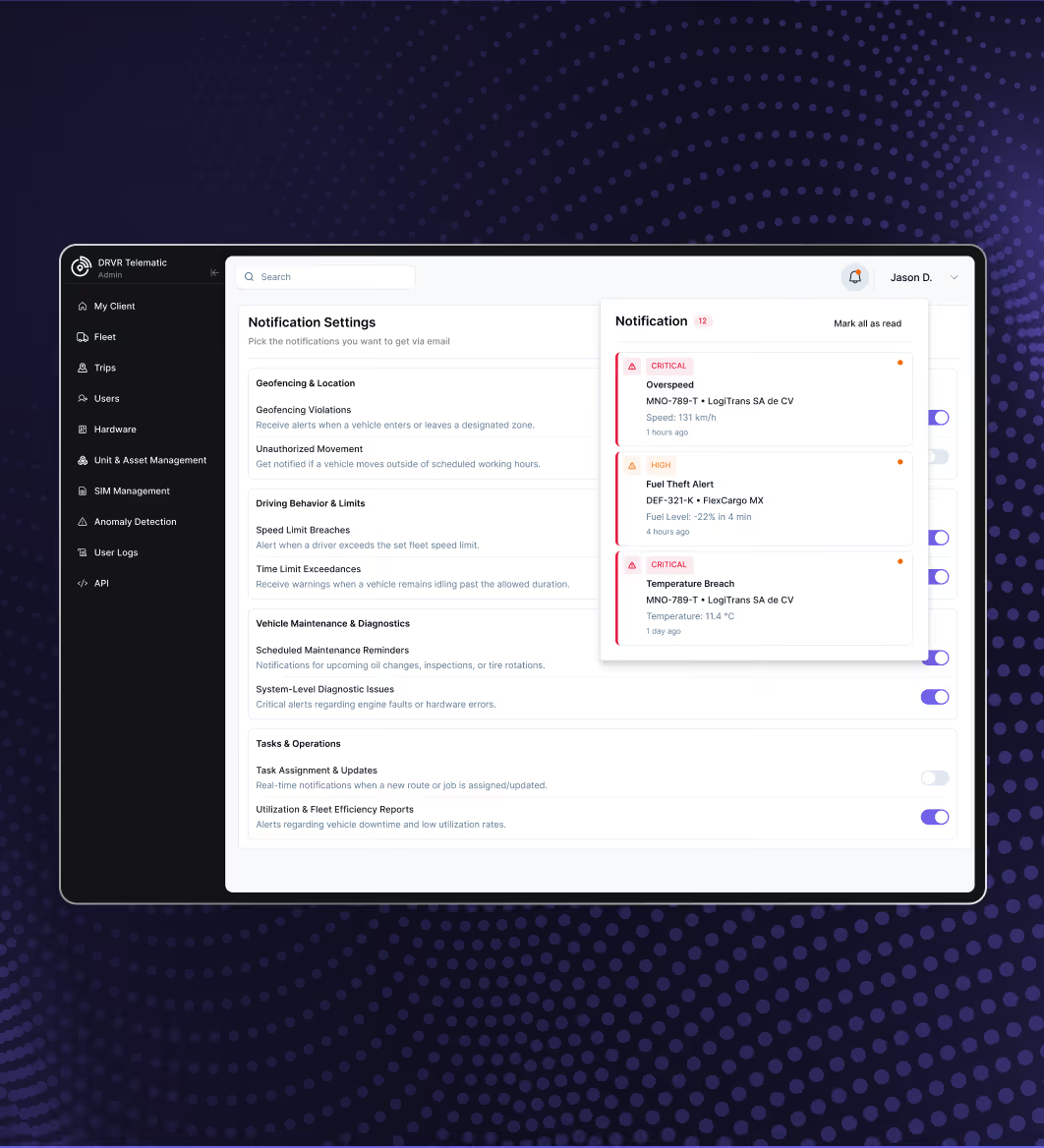
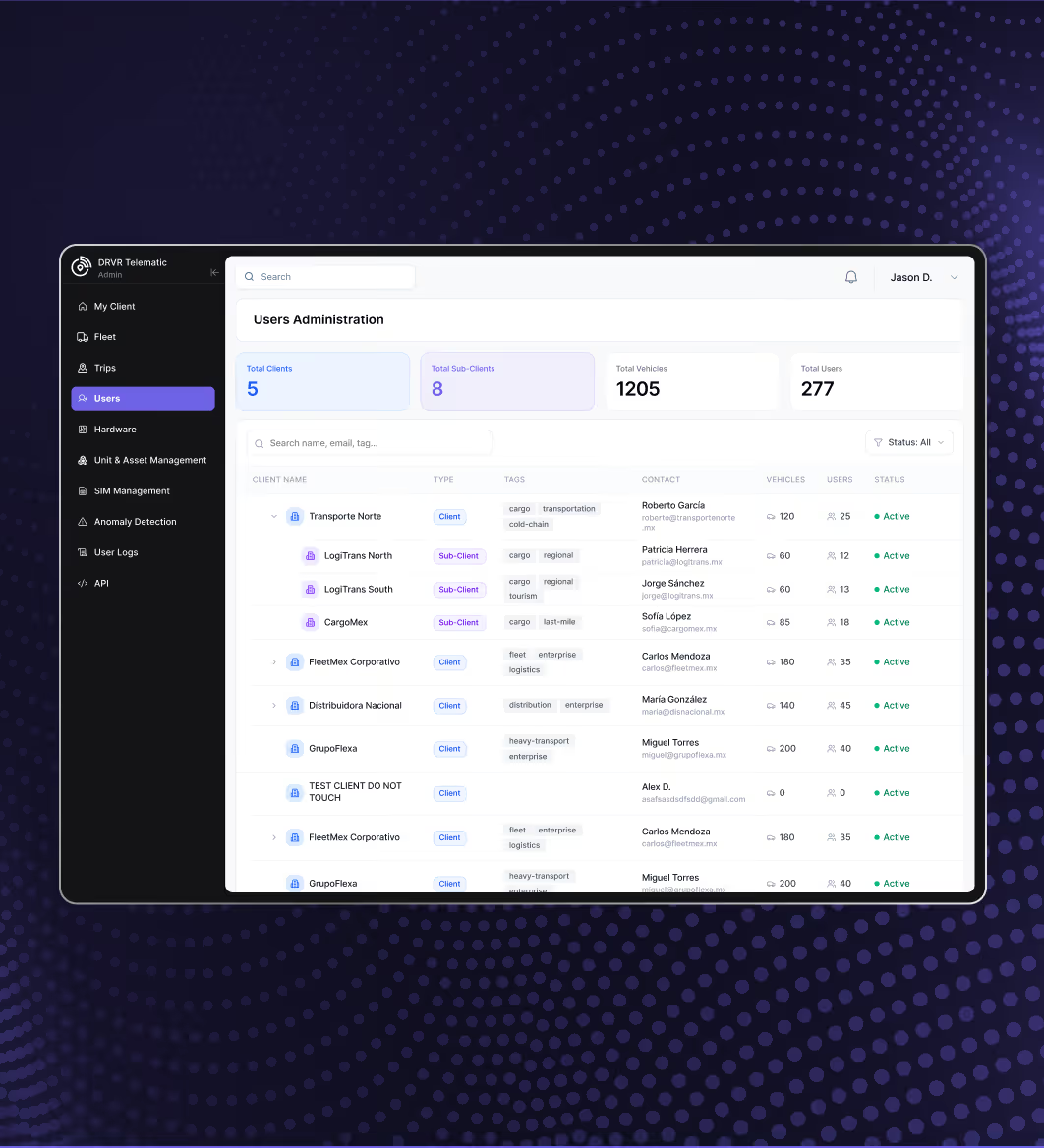
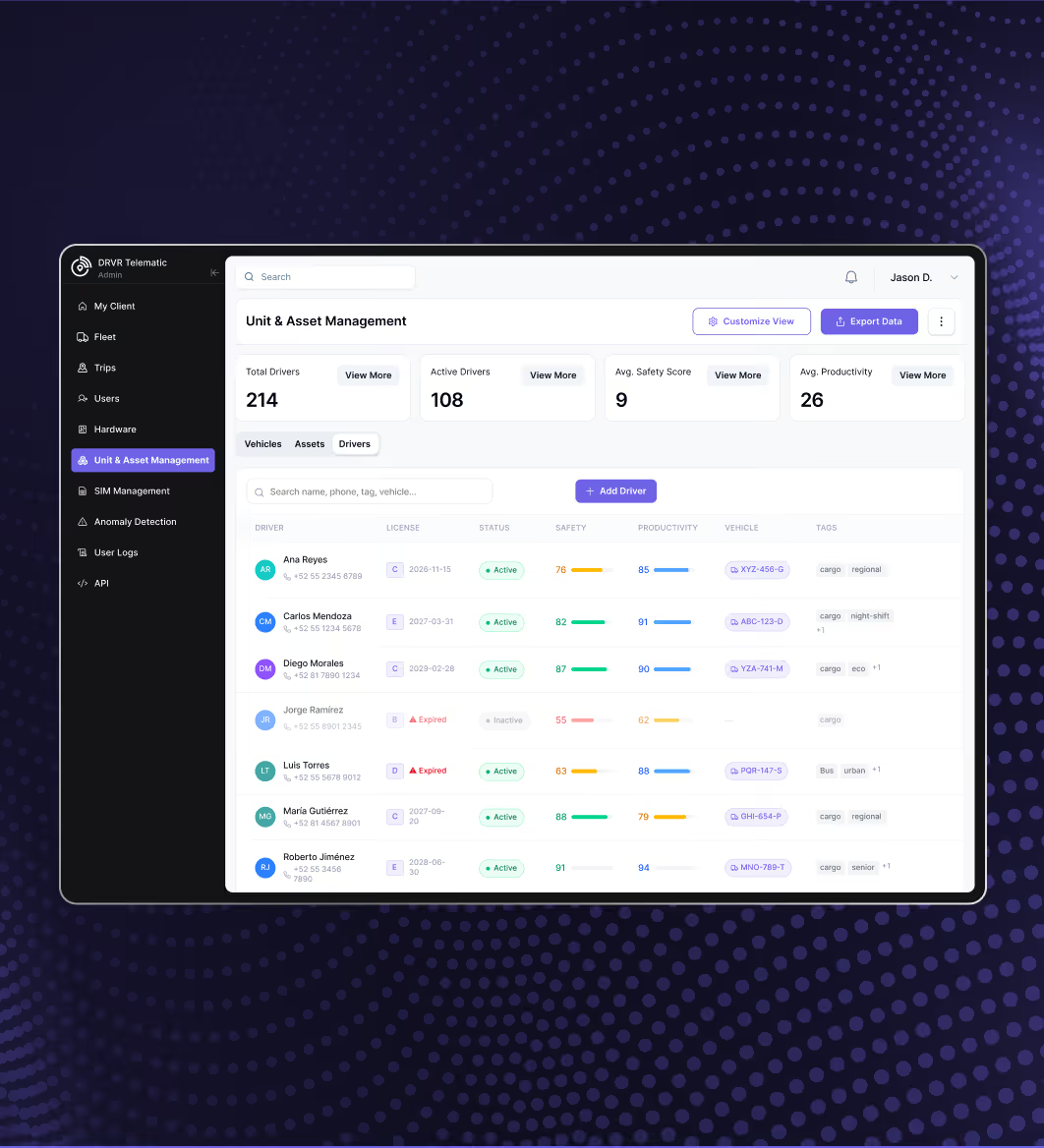
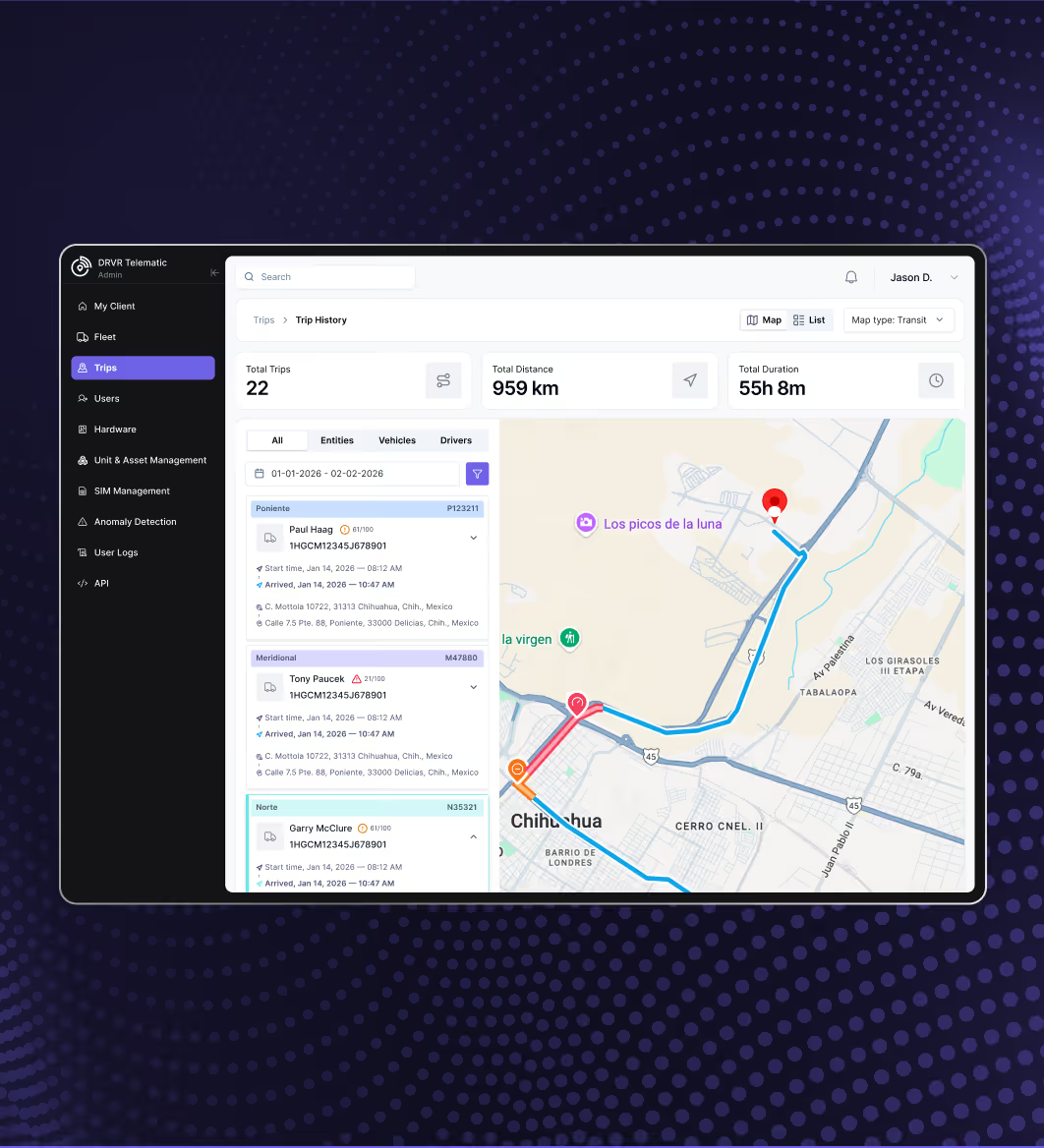
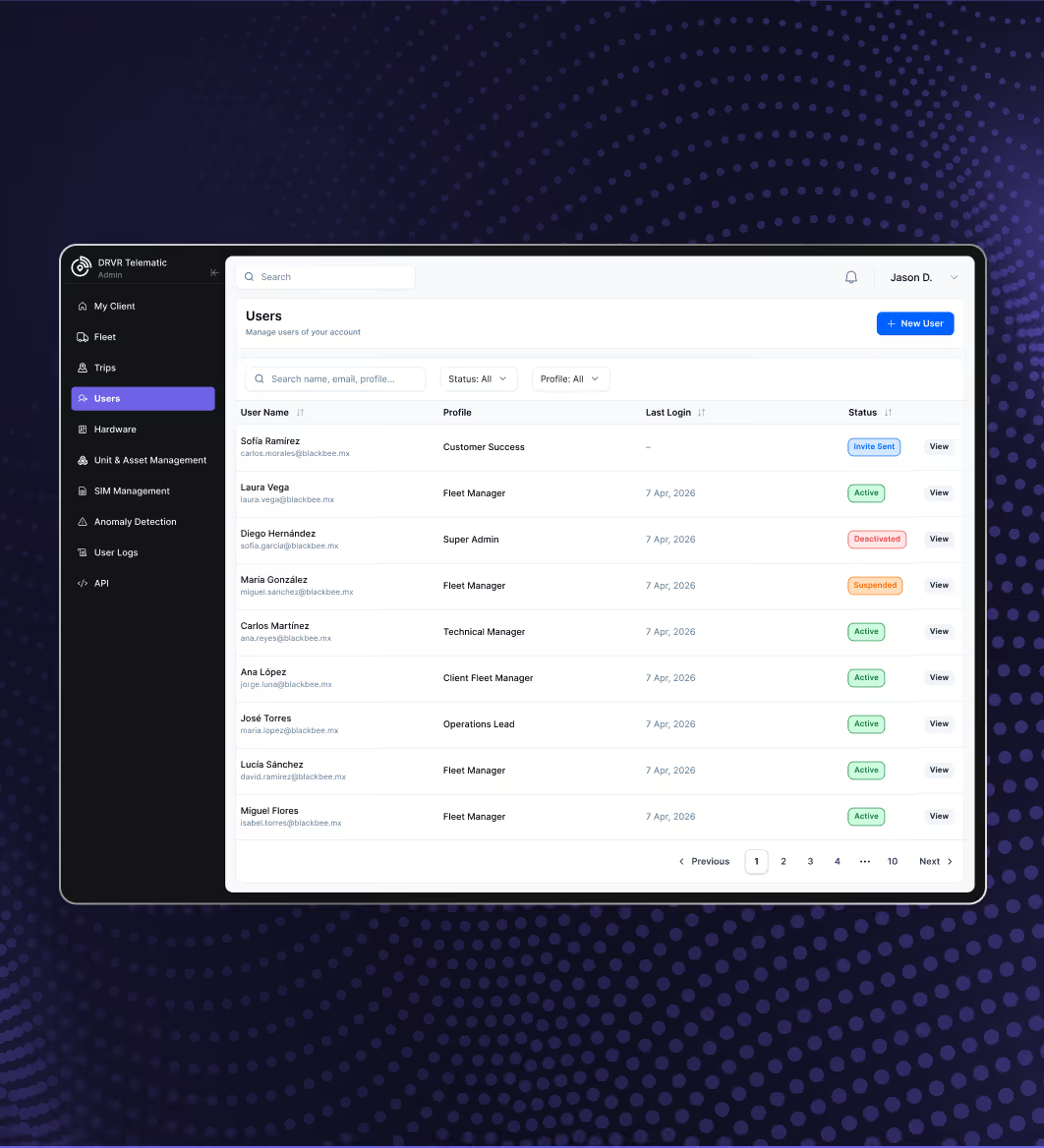
The admin web platform we developed serves as a control center for fleet operators, providing dashboards for fleet management, vehicle tracking, and user administration; managing partner and client accounts; managing configurable alerts, reporting rules, and KPIs; and seeing analytics. To allow partners to use the console with their own branding, we gave the platform a modular fashion so everything is as customizable as possible.
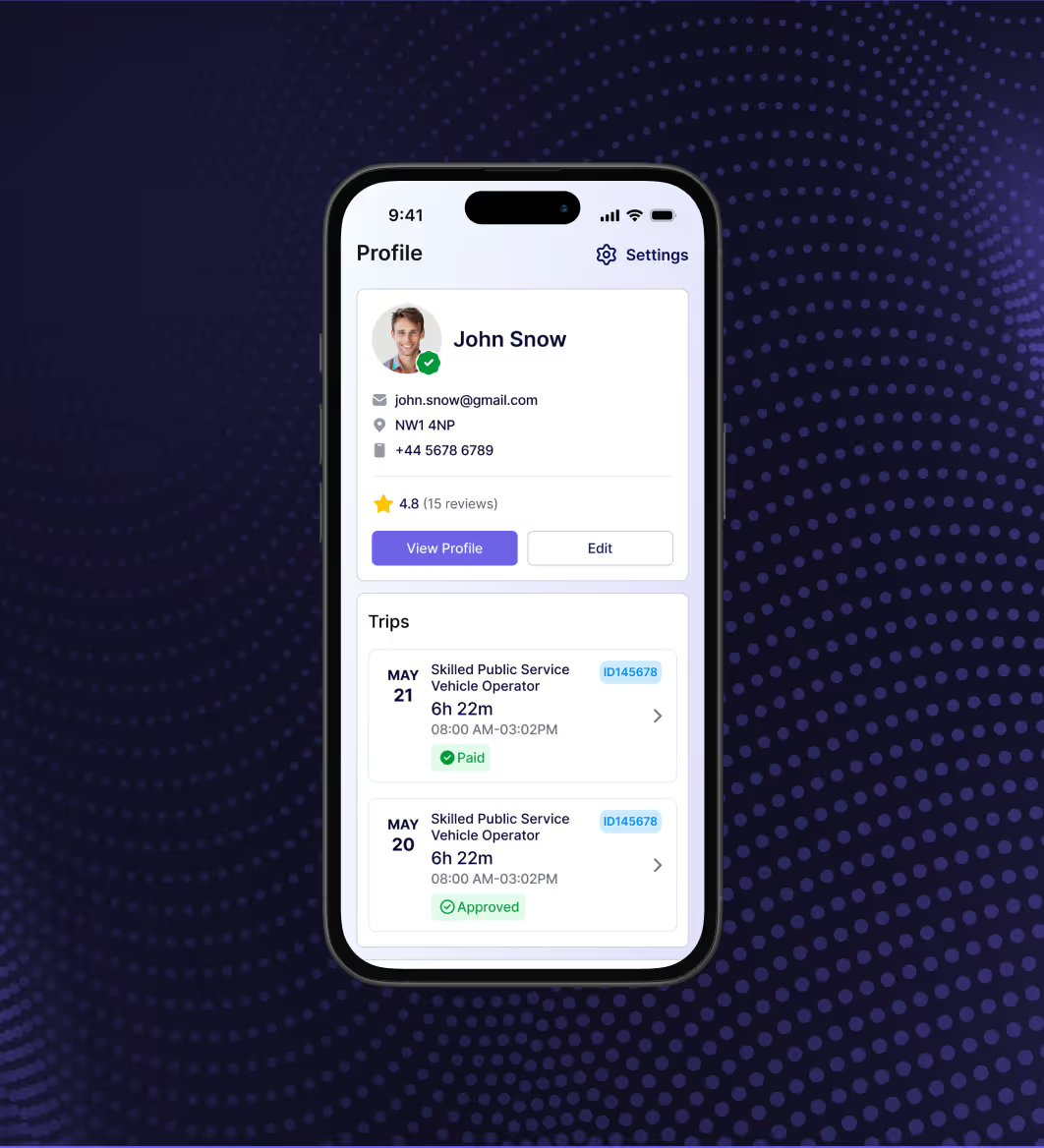
To address the needs of drivers, we also developed a mobile app running in the background and tracking the trips and capturing events without draining battery life. We simplified the interface to only provide information relevant to the current activity.
The frontend solutions were deployed with continuous integration practices, thorough testing protocols, and responsive design principles. The QA team completed manual and regression testing across devices and real-world scenarios. We integrated the new interfaces with the existing backend systems, ensuring a smooth data flow and great UX.
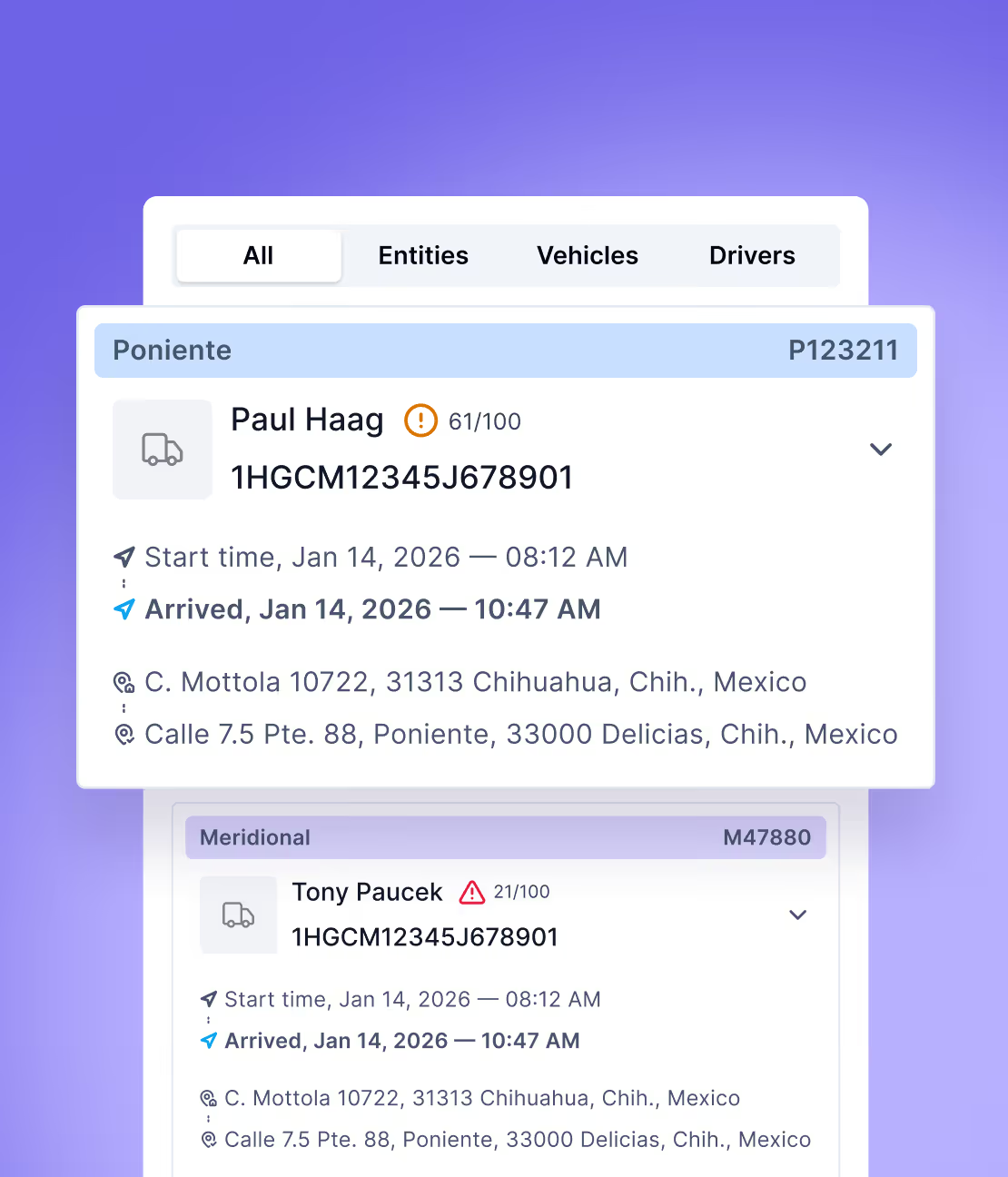
User roles
Administrator
Administrators manage the entire system using the admin dashboard, a single page that provides an overview of the fleet, vehicles, and users. They handle partner and client accounts with sub-account structures, configure alert thresholds and reporting rules, oversee contracts, and control role-based access for both internal teams and external stakeholders.
Fleet manager
Fleet managers oversee the performance analytics (such as driver safety scores, metrics for efficiency, risk assessments, and vehicle utilization). They access fuel and maintenance dashboards, configure custom KPIs and reports, analyze route performance and financial data, and invite new users like drivers or partner admins into the system.
Driver
Drivers use a mobile app for their day-to-day work to view trips assigned to them and track the status of their trips and tasks via alerts and notifications. The app allows real-time telematics (for route information) and routing capabilities such as geofencing and toll-road visualization, together with a complete sign-up process and completed delivery transaction without disruption to the driver's main responsibilities.
Partners/clients
Partners have a white-labeled section of the SyncMatix platform to manage their fleet accounts and sub-clients based on their specific needs. Partner users can view performance analytics and customise fleet account configuration, which allows them to manage their own drivers and vehicles within the broader platform infrastructure.
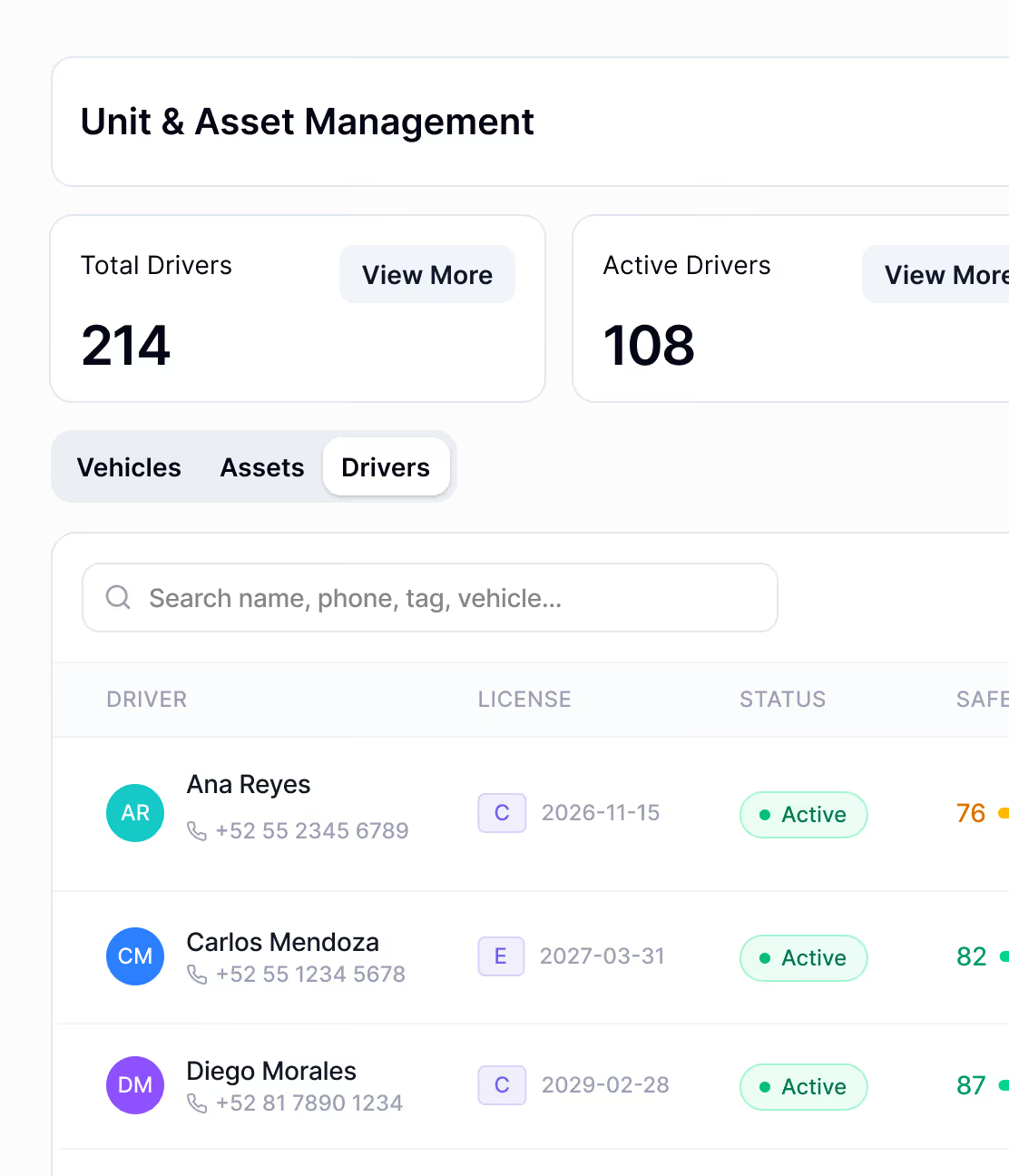
Key features
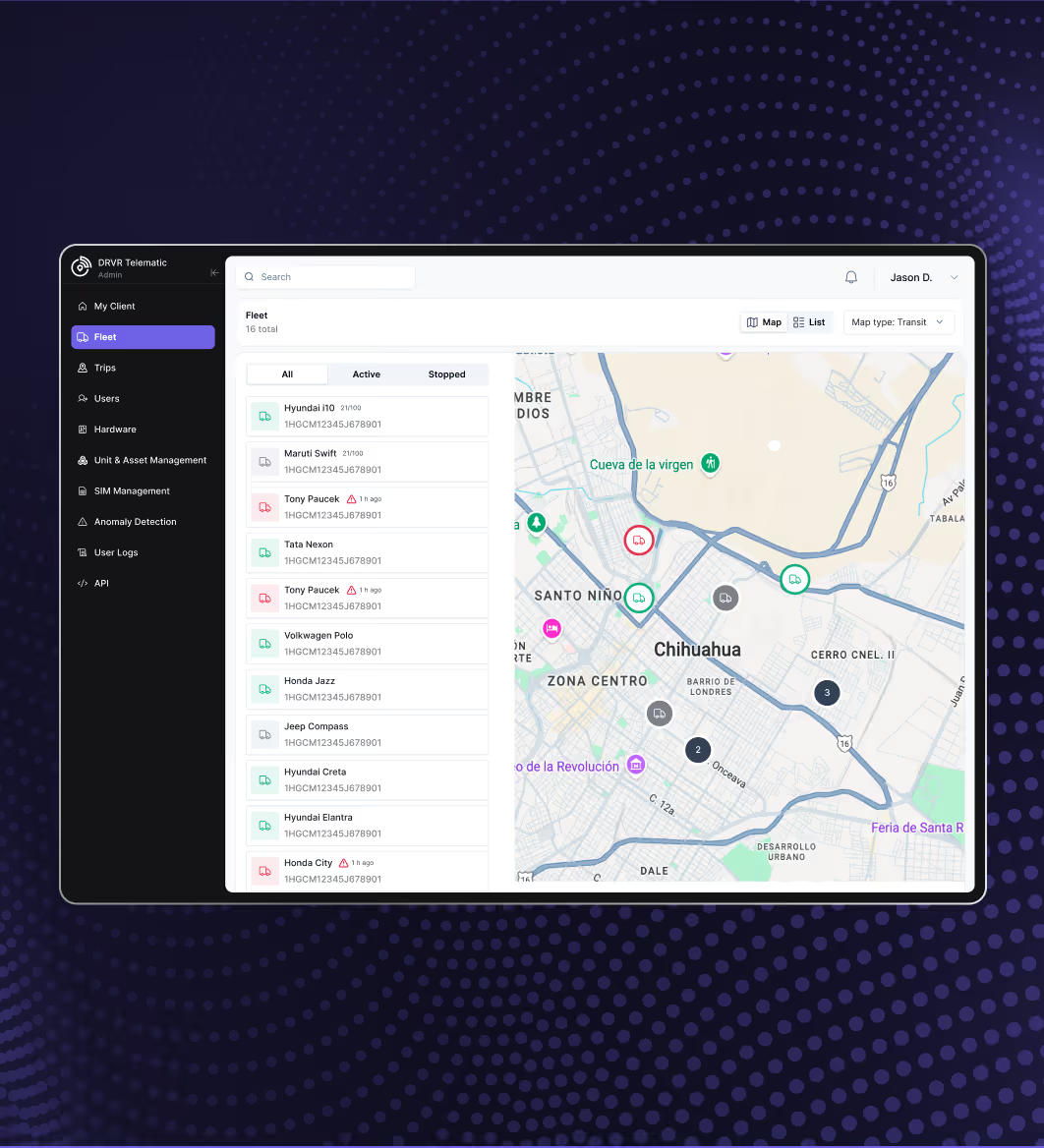
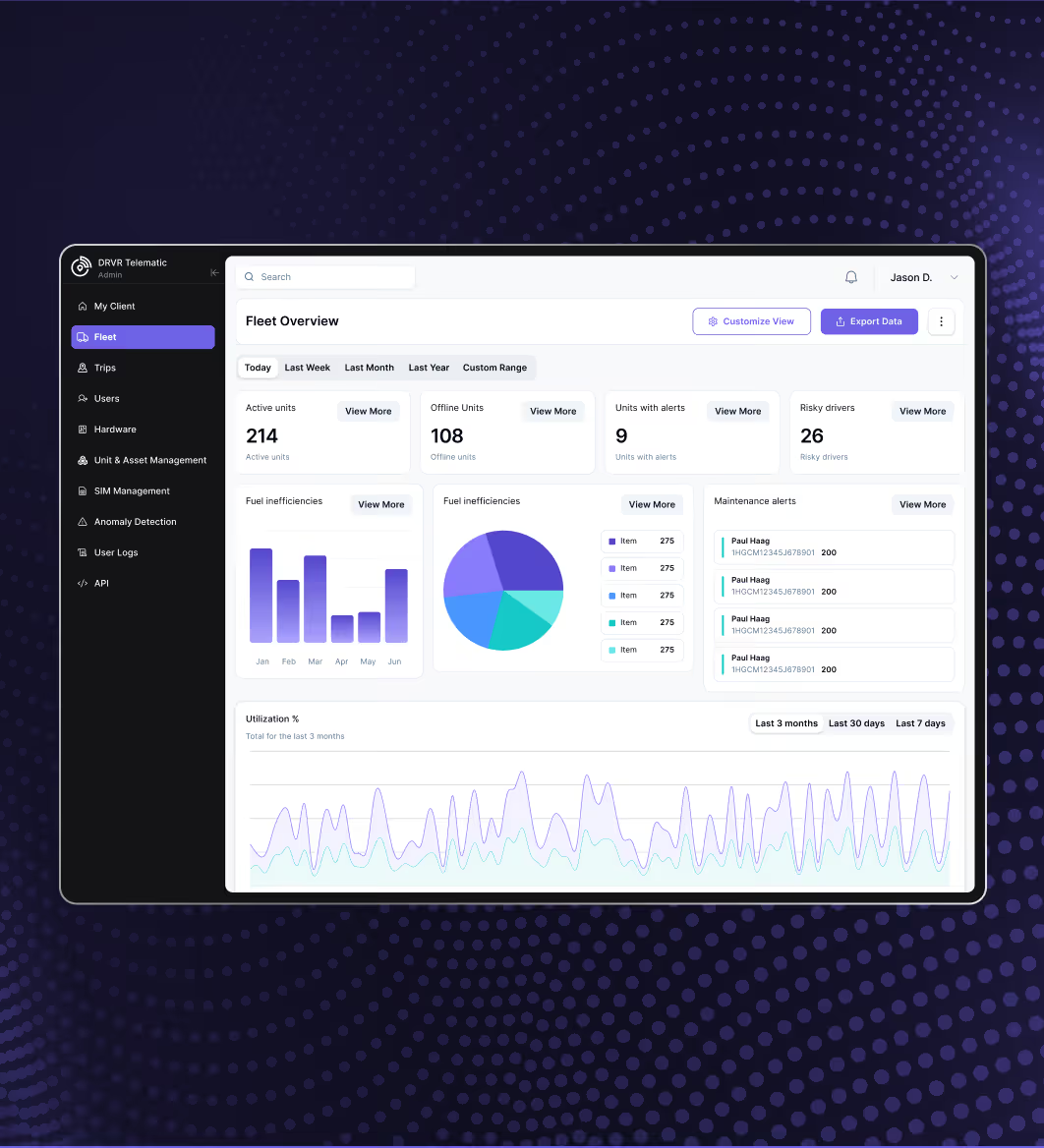
Business outcomes
We delivered an all-in-one frontend layer that pulled together the client's existing systems into a market-ready solution. By building modern web and mobile interfaces on top of their backend infrastructure, we turned a collection of disconnected tools into a single, cohesive platform.
Fleet operators finally got what they'd been asking for: one login, one dashboard, one place to handle their daily operations instead of switching between multiple applications. Support tickets fell by 45% simply because the interface made sense to users. Drivers actually opened the mobile app now that it worked smoothly. More driver engagement meant richer data, which translated into better analytics for everyone using the platform.
The improved user experience made the product easier to sell. New customer sign-ups increased 40% in the first quarter after we launched. The white-label frontend allowed partners to offer the platform under their own branding, opening up new distribution channels without requiring the client to expand their support operations.
Why partner with COAX?

Flexibility & adaptability
Our team understands the importance of flexibility in the construction industry, which is why we work around your schedule to provide services at a time that's convenient for you.

Skilled and dedicated team
The COAX team consists of pioneering industry experts and experienced professionals who meet high proficiency standards. We stick to our ethos and are dedicated to delivering high-quality solutions that can lead the future of digital solutions.

Ongoing support
We're committed to providing excellent support throughout the entire project lifecycle. That's why we don't just focus on our technical specialists but also pay close attention to the professional skills of our project managers to ensure seamless cooperation.

Security and confidentiality
At COAX Software, we take data privacy and security very seriously. We sign a non-disclosure agreement (NDA) and guarantee to keep all project information safe and establish trust.

Growth-focused approach
In the construction industry, businesses need to constantly adapt and grow. That's why we don't just develop custom software solutions, we implement cutting-edge tools that help your business and technology scale for long-term success.

Agile methodology
At COAX Software, we value transparency and efficiency. That's why we follow a truly agile approach when providing IT services for construction companies. We aim to remain flexible and responsive to your needs at all times to ensure project success.
What I’ll do next?
1
Contact you within 24 hours
2
Clarify your expectations, business objectives, and project requirements
3
Develop and accept a proposal
4
After that, we can start our partnership